Choosing the right art style is crucial for your AI-generated anime and manga projects. The style you select will define the mood, appeal, and target audience of your work. In this comprehensive guide, we explore the most popular and effective styles available in 2026, helping you find the perfect match for your creative vision.
Table of Contents
Classic Manga Style
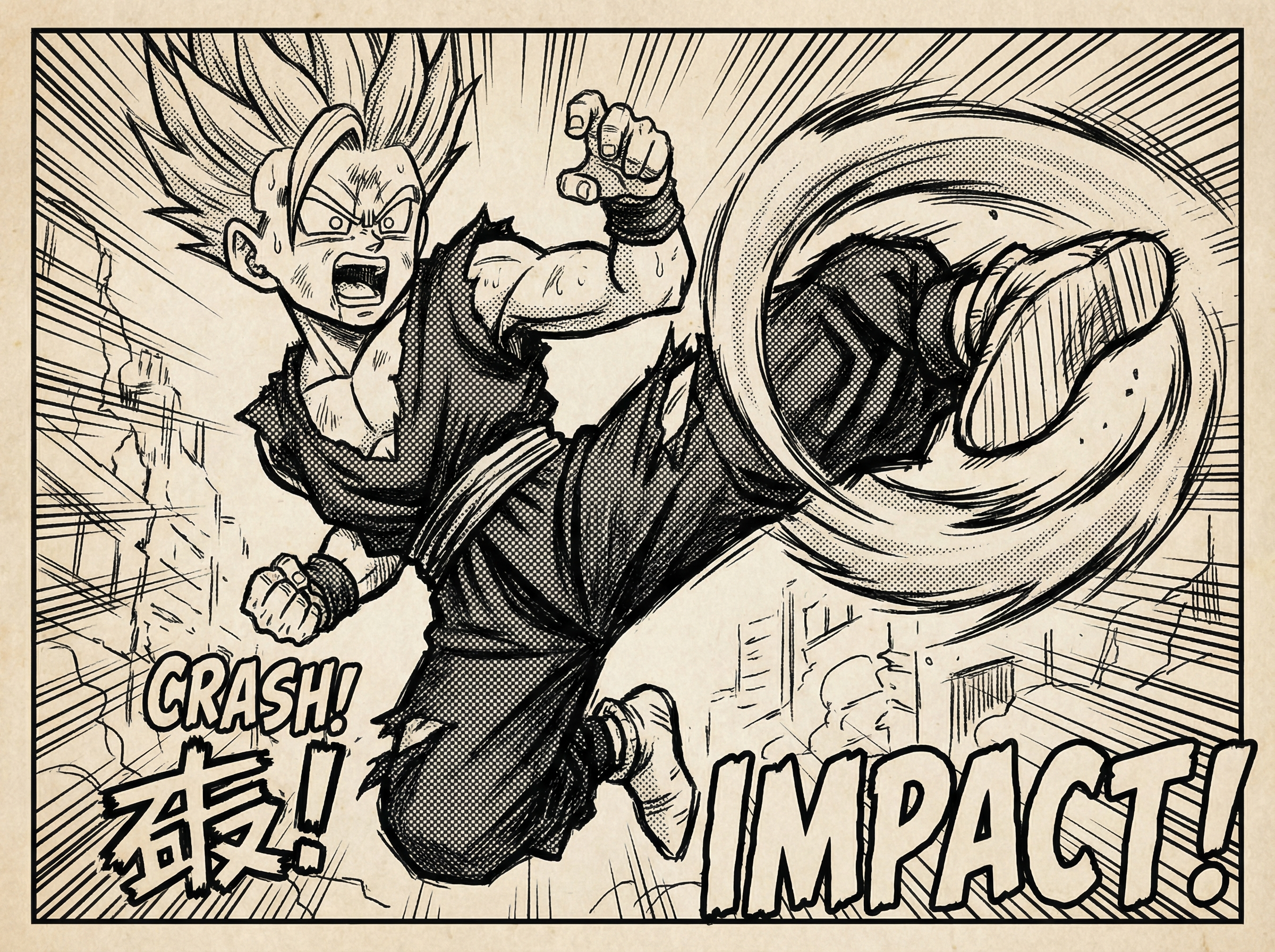
The classic manga style features bold linework, dramatic expressions, and dynamic action poses. This timeless aesthetic is perfect for shonen and seinen stories, offering high contrast black and white artwork with screentones and speed lines.
Best for: Action series, drama, adventure stories Key features: Bold outlines, expressive eyes, dynamic poses, screentone shading Popular influences: Dragon Ball, Naruto, One Piece
Modern Anime Style
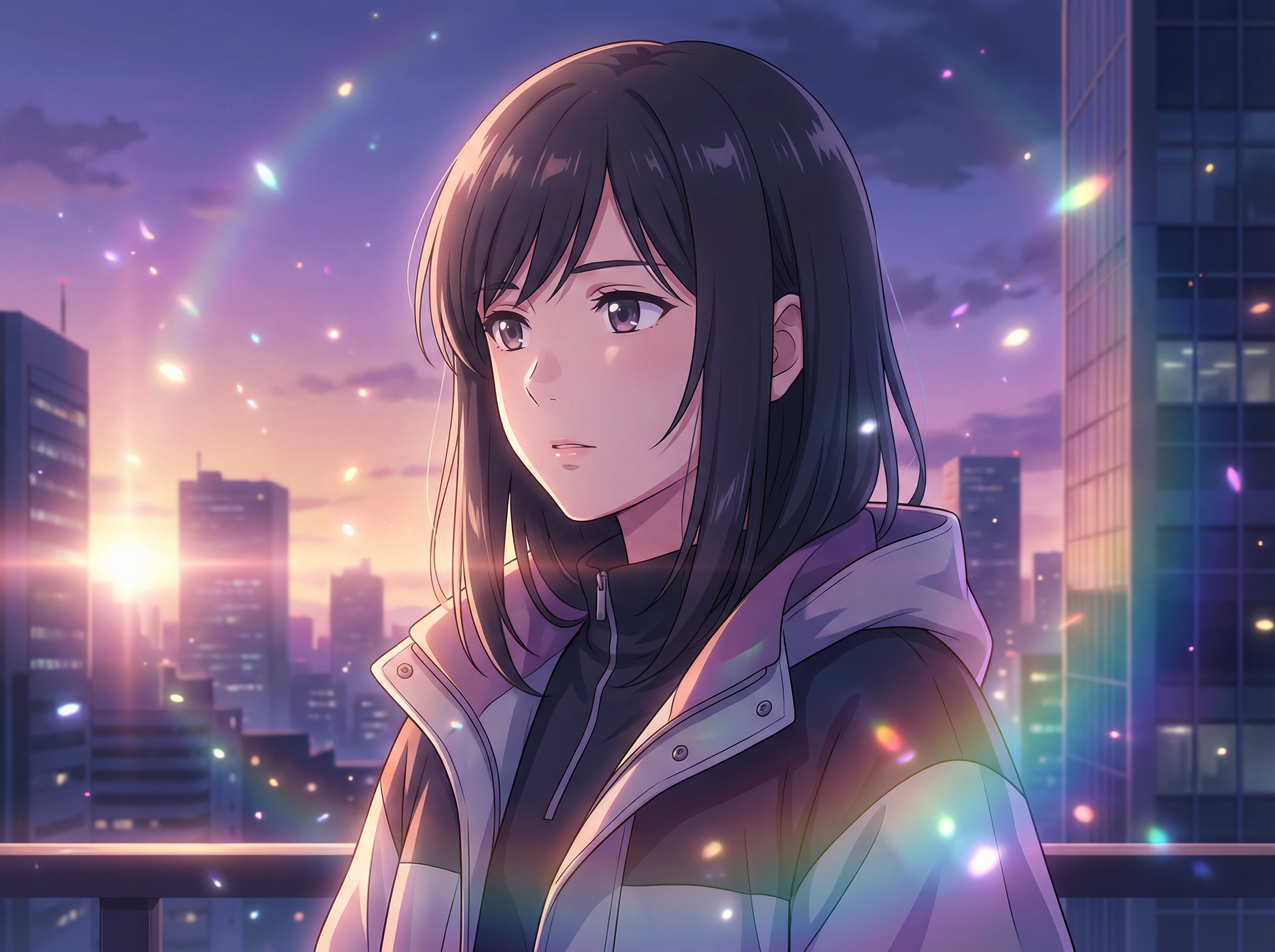
Modern anime style emphasizes smooth gradients, vibrant colors, and detailed lighting effects. This style has become increasingly popular for its polished, professional look that translates well to both digital and print media.
Best for: Romance, slice-of-life, fantasy Key features: Soft shading, gradient colors, detailed highlights, clean lines Popular influences: Your Name, Violet Evergarden, Demon Slayer
Webtoon Style
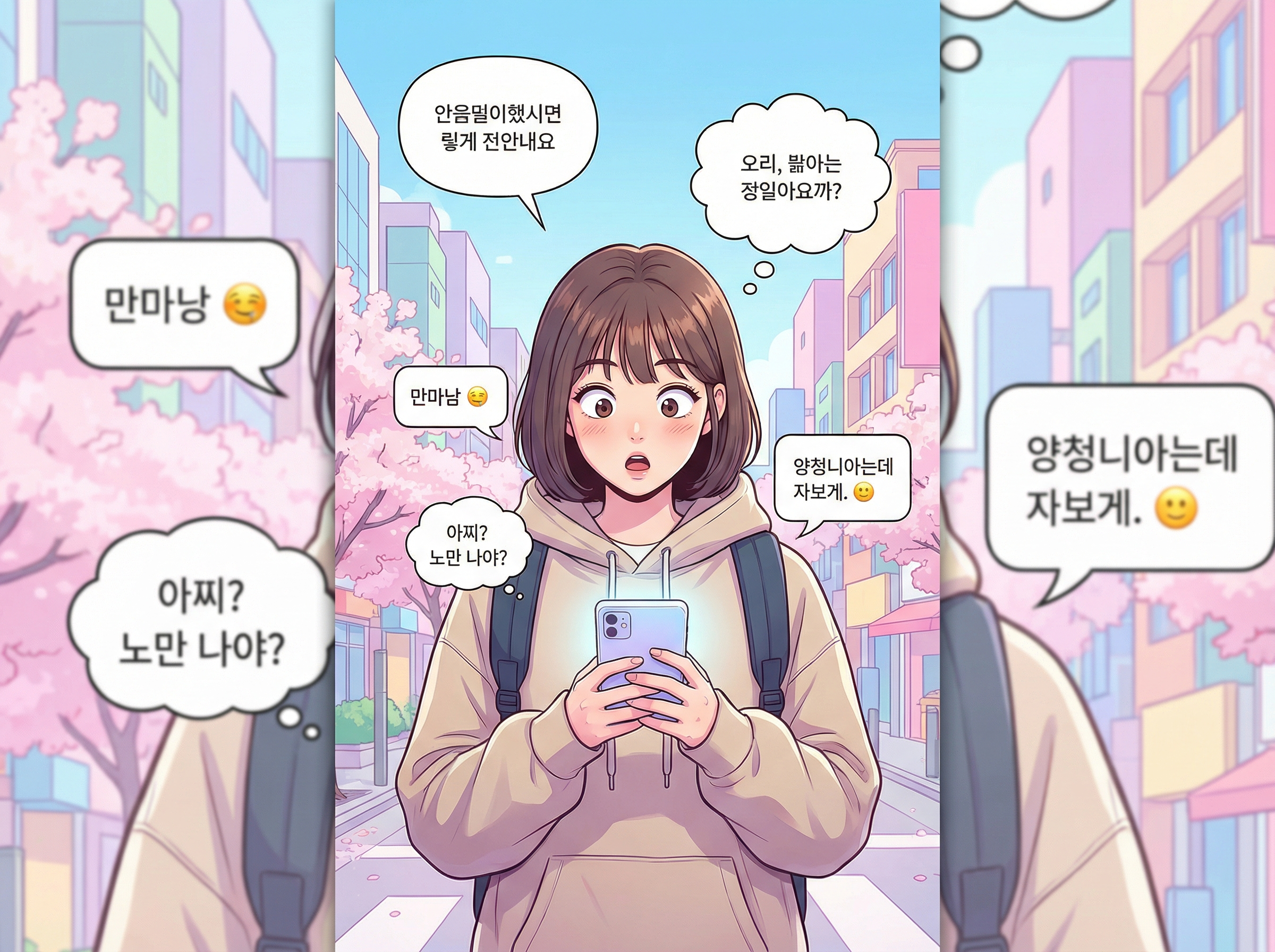
Designed specifically for vertical scrolling on mobile devices, webtoon style features full-color panels with simplified but expressive character designs. The style prioritizes readability and emotional impact over intricate details.
Best for: Romance, drama, comedy webcomics Key features: Full color, simplified designs, expressive faces, vertical format Popular influences: Solo Leveling, Tower of God, Lore Olympus
Chibi/Cute Style
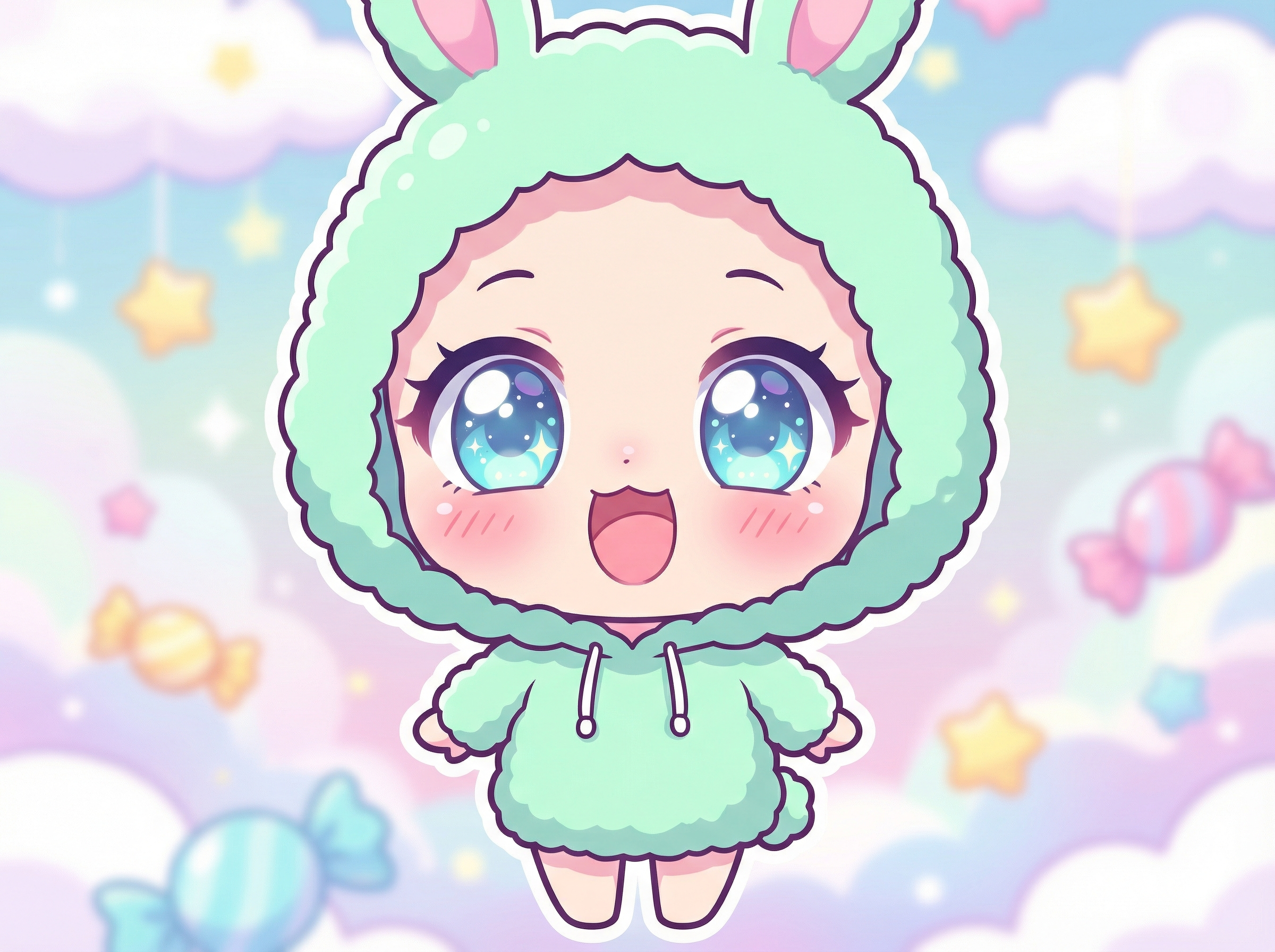
Chibi style features super-deformed characters with oversized heads, small bodies, and exaggerated expressions. This adorable aesthetic is perfect for comedy, merchandise, and adding lighthearted moments to any story.
Best for: Comedy, merchandise, social media content Key features: Large heads, small bodies, simplified features, exaggerated expressions Popular influences: Lucky Star, Nichijou, Genshin Impact chibi art
Semi-Realistic Anime
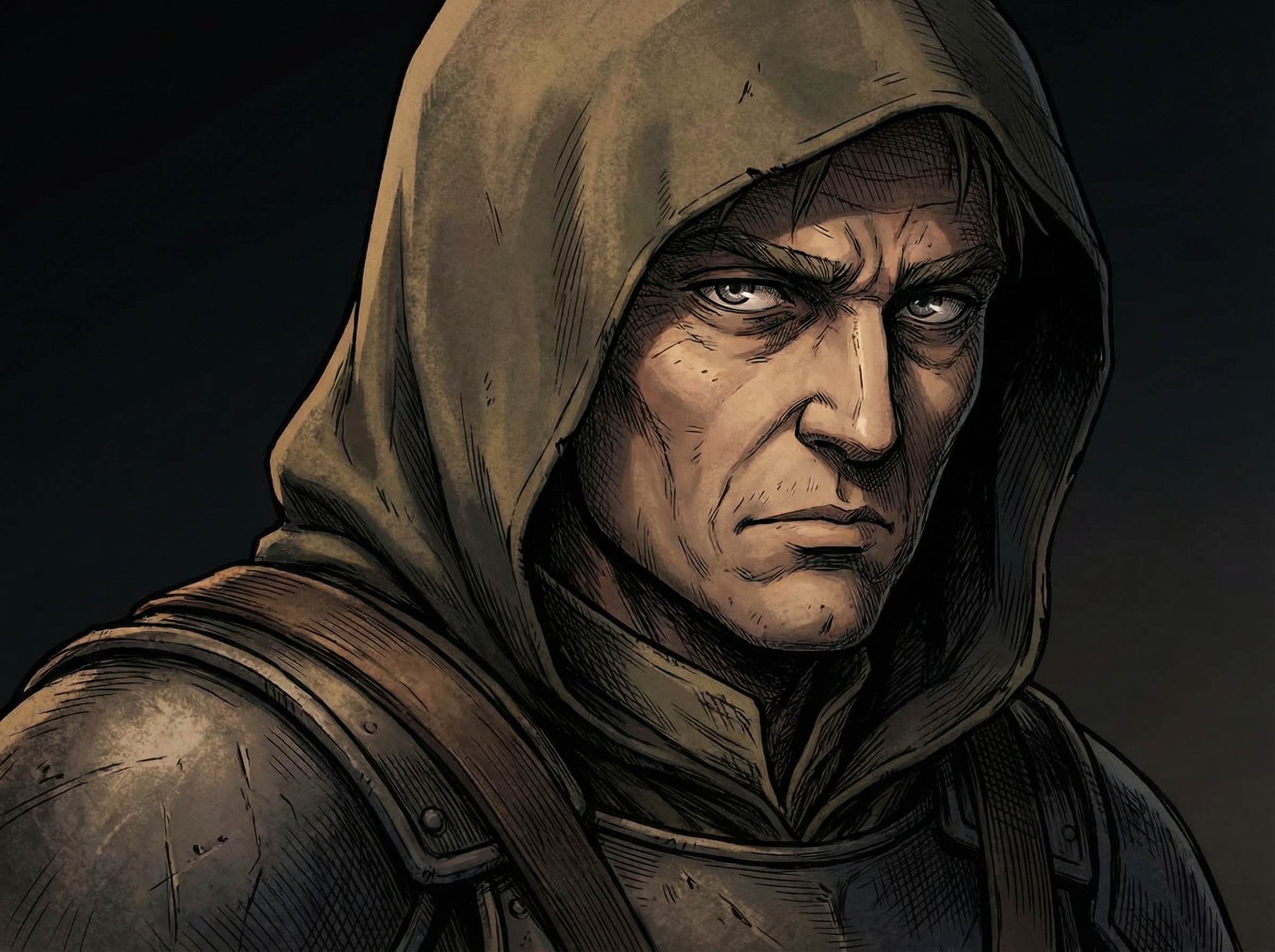
This style bridges the gap between anime and realism, featuring more proportionate anatomy while retaining anime-style eyes and expressions. It's particularly popular for serious narratives and mature themes.
Best for: Seinen, psychological thriller, action drama Key features: Realistic proportions, detailed anatomy, anime-style faces, dramatic lighting Popular influences: Vinland Saga, Attack on Titan, Ghost in the Shell
Conclusion
The best art style for your project depends on your story's tone, target audience, and personal preference. Don't be afraid to experiment with different styles or even combine elements from multiple aesthetics. With Anifusion, you can easily switch between styles and find the perfect look for your manga.
Remember, consistency is key - once you choose a style, stick with it throughout your project for a cohesive visual experience.
Frequently Asked Questions
Can I mix different art styles?
Yes! Mixing styles can create unique aesthetics. Use style blending features or combine style keywords in your prompts. However, maintain consistency within scenes to avoid visual confusion.
Which style is best for beginners?
Webtoon and modern anime styles are generally easier to work with as they have clean lines and forgiving proportions. Classic manga can be more challenging due to the need for precise linework.
How do I maintain style consistency?
Use the same style keywords in every prompt, create a style reference document, and consider training a LoRA model on your preferred aesthetic. Anifusion also offers style presets that ensure consistency.