AI anime & comic art styles
Film lighting, bold shonen ink, romance palettes, and technique guides, each with sample prompts you can use for panels, pages, and strips. Open a style, then jump into the Anifusion editor to generate your comic or manga.
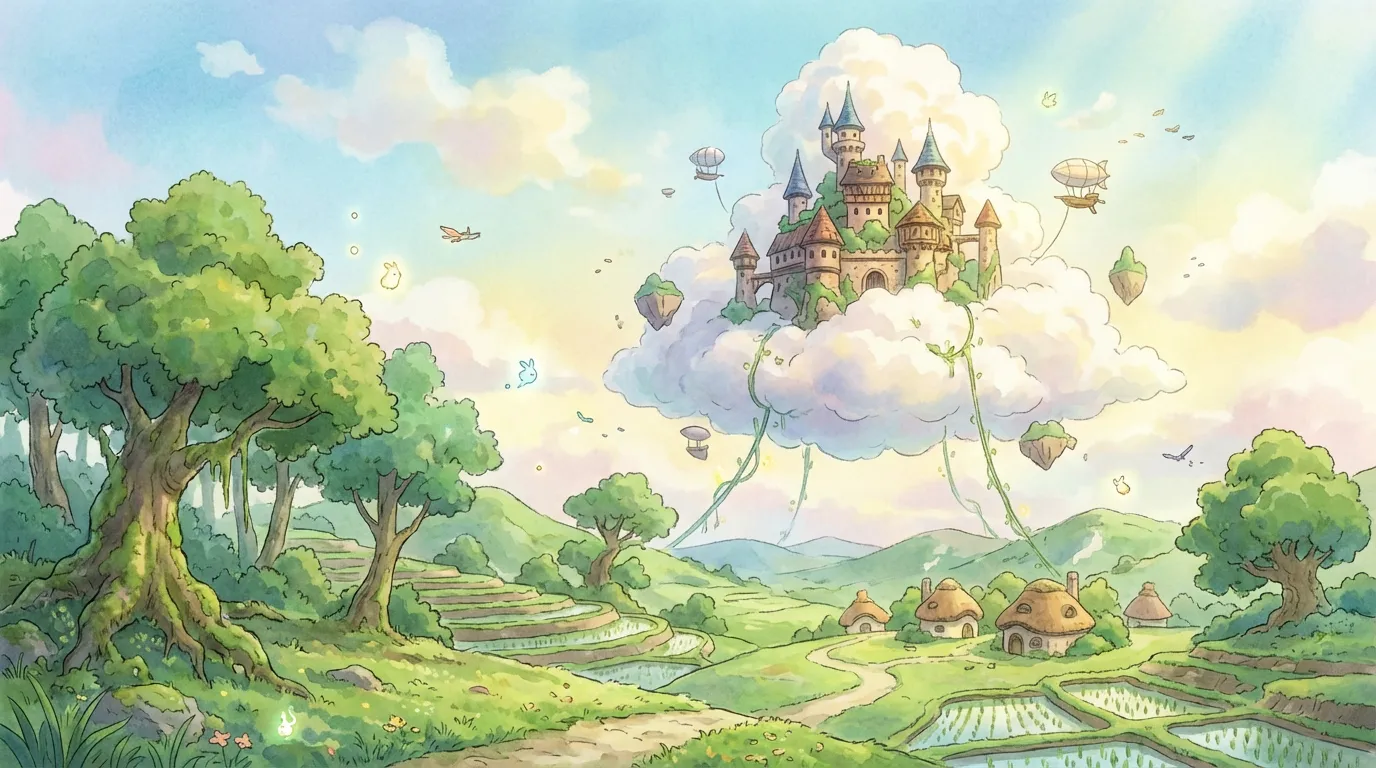
Studio Ghibli style
Studio Ghibli style pairs hand-painted watercolor backgrounds with gentle, expressive characters and a calm pastoral mood. It suits forest scenes, cozy interiors, sky vistas, and quiet character moments inspired by Miyazaki's filmography.
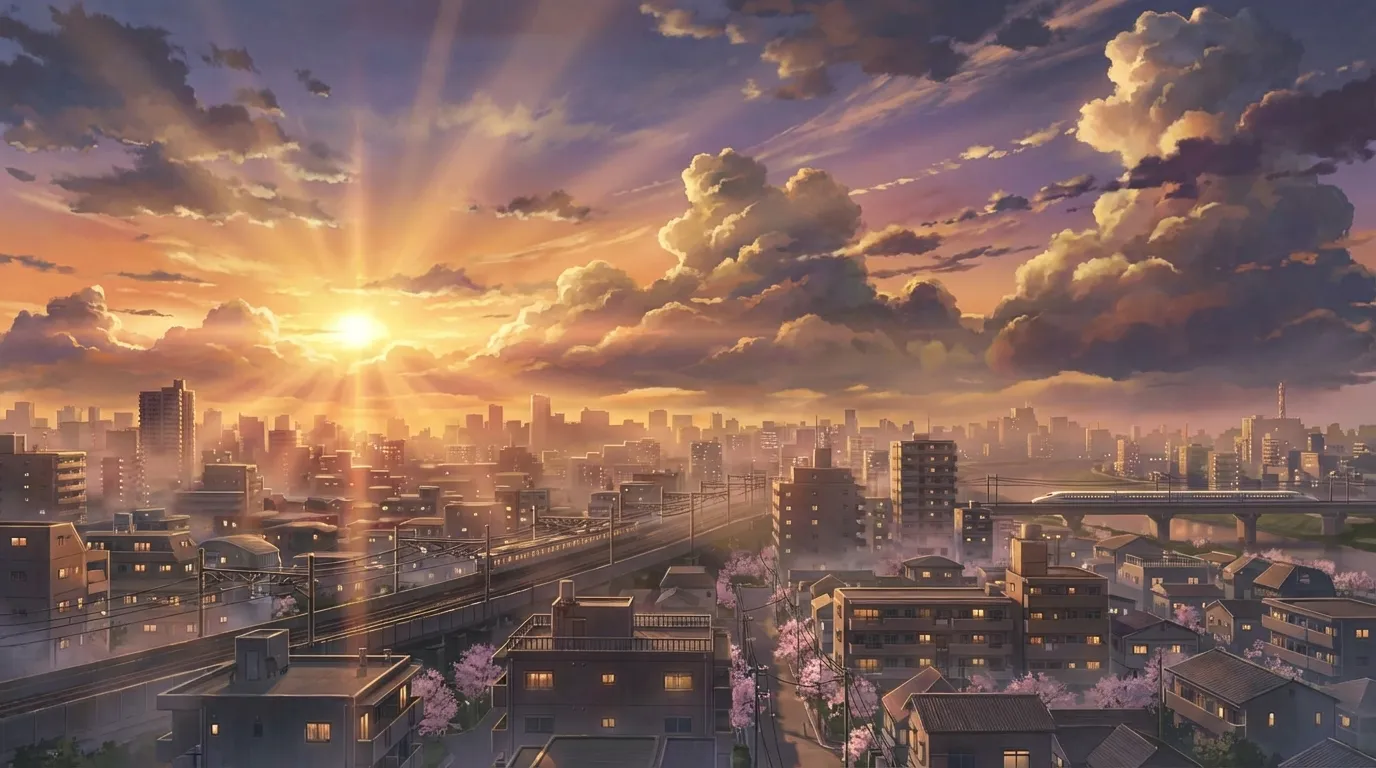
Makoto Shinkai style
Makoto Shinkai style pairs near-photographic urban Japanese backgrounds with stratus-cloud skies, golden hour lens flare, and quiet two-shot character framing. It suits emotional key visuals, train scenes, and rooftop sunset moments.
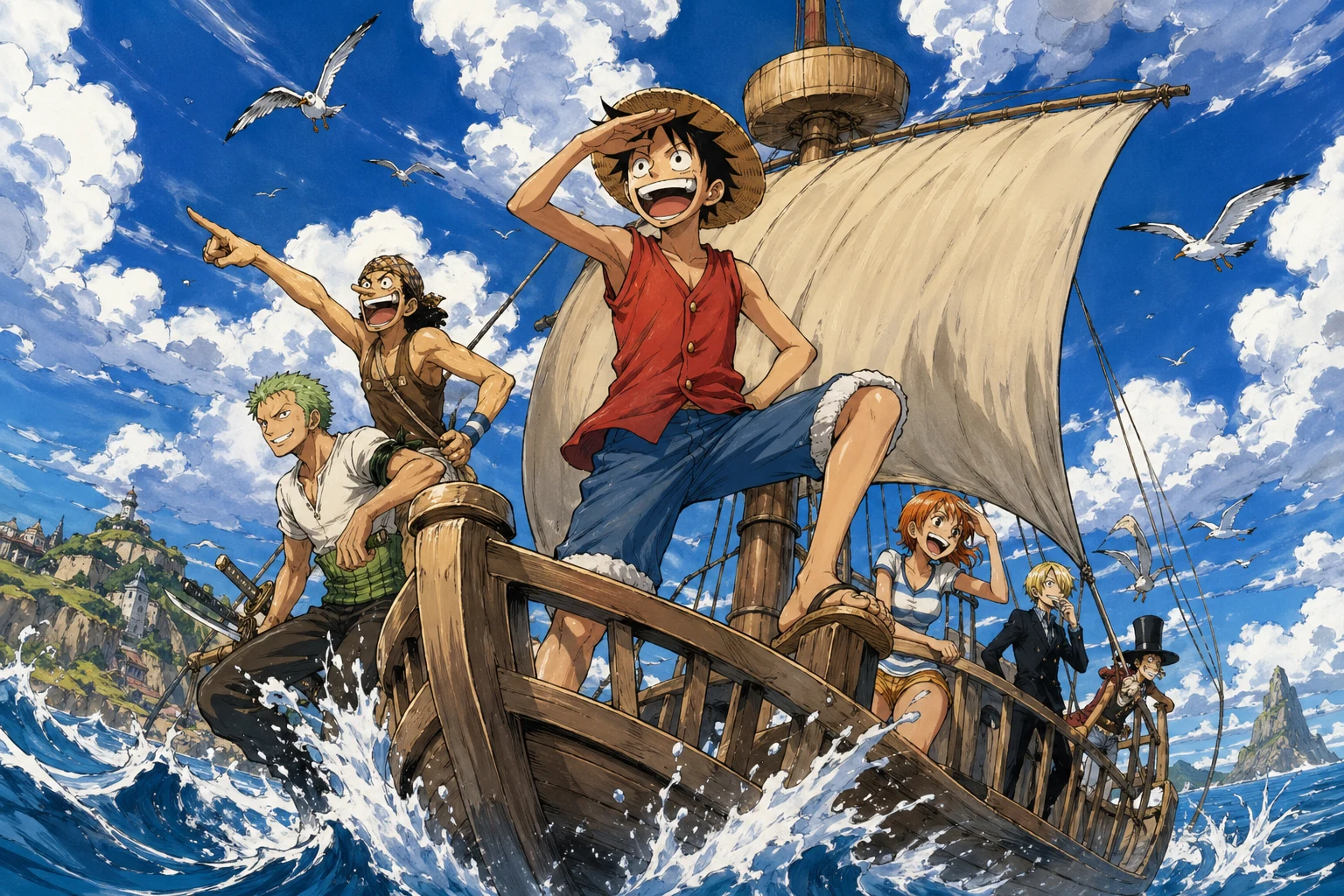
One Piece style
One Piece style combines Eiichiro Oda exaggerated limb proportions, expressive crowd faces, and tropical island color with the rubbery, motion-line-heavy action of a long-running shonen adventure. It suits pirate OCs, comedic brawl panels, and wanted-poster art.
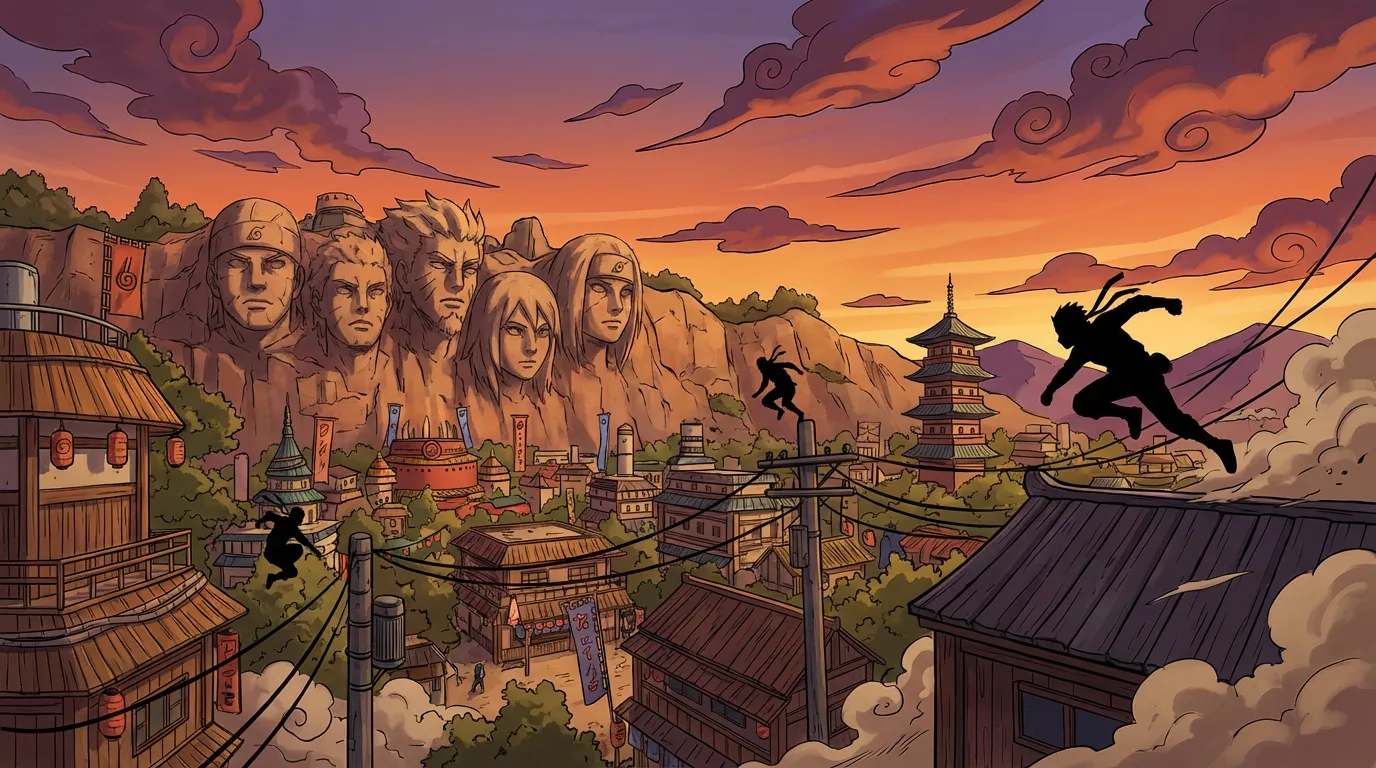
Naruto style
Naruto style pairs Masashi Kishimoto detailed ninja design with fan-pattern smoke trails, ninjutsu glow rims, and dense crosshatch ink. It suits ninja OCs, Hidden Village rooftop fights, and chakra-driven jutsu panels.
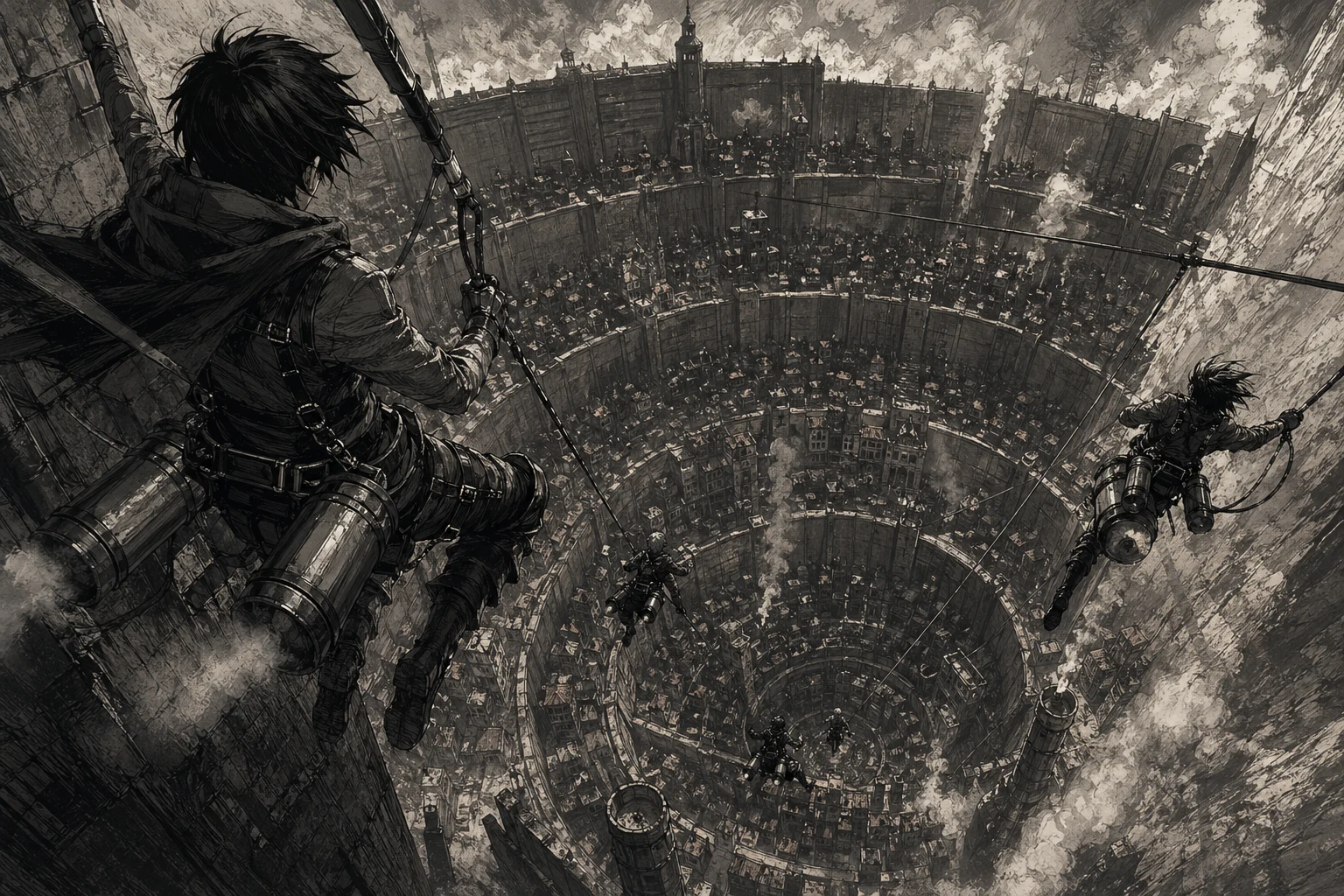
Attack on Titan style
Attack on Titan style pairs Isayama jagged ink lines and dense crosshatch with ODM gear cable trails, ruined Wall Maria perspective, and pure scale dread. It suits Survey Corps OCs, vertical-action chase panels, and walled-city establishing shots.
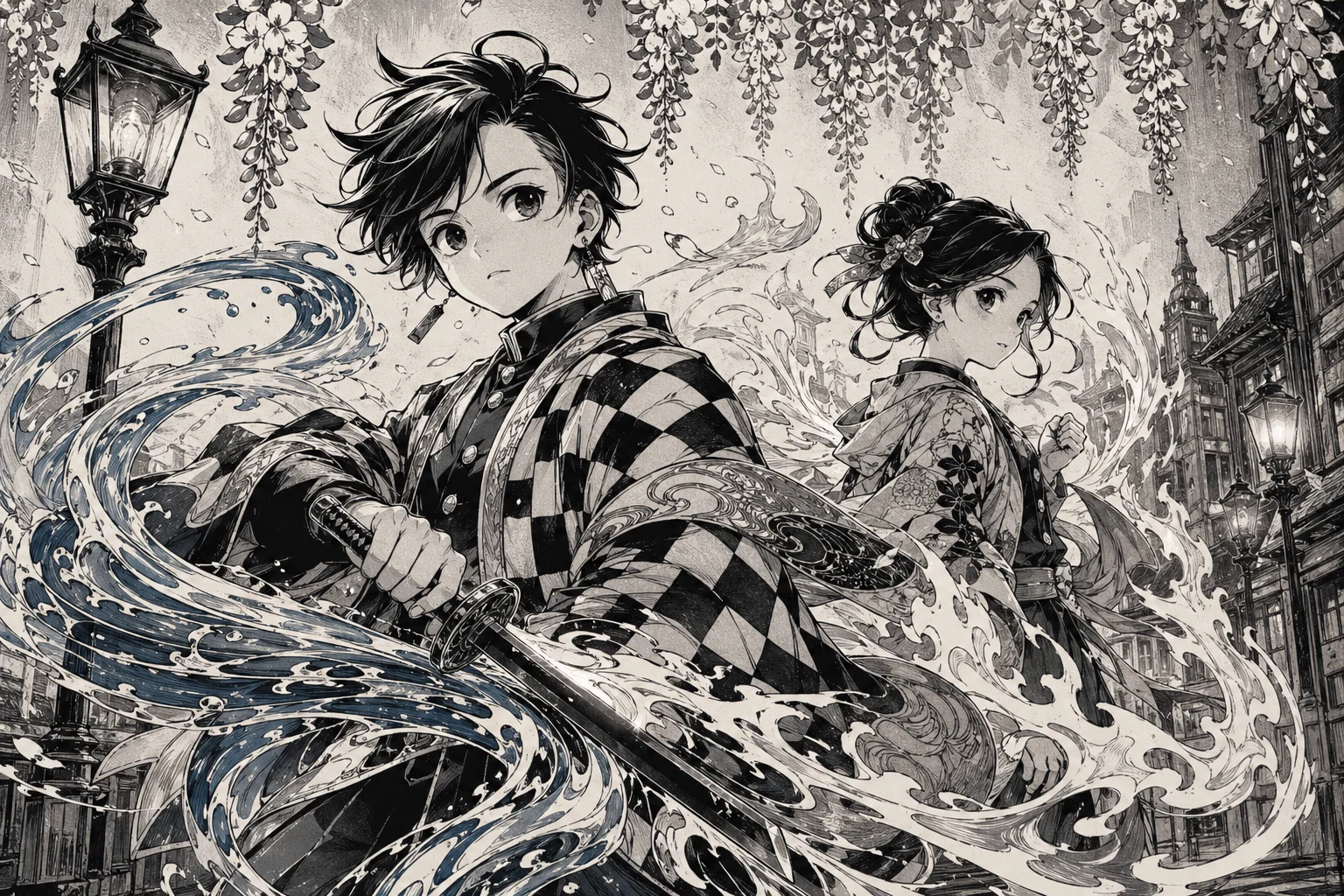
Demon Slayer style
Demon Slayer style pairs Koyoharu Gotouge's soft Taisho-era character design with ufotable particle effects, ink-wash breathing forms, and Hashira haori patterns. It suits original Demon Slayer Corps OCs, moonlit forest battles, and pattern-rich character key visuals.
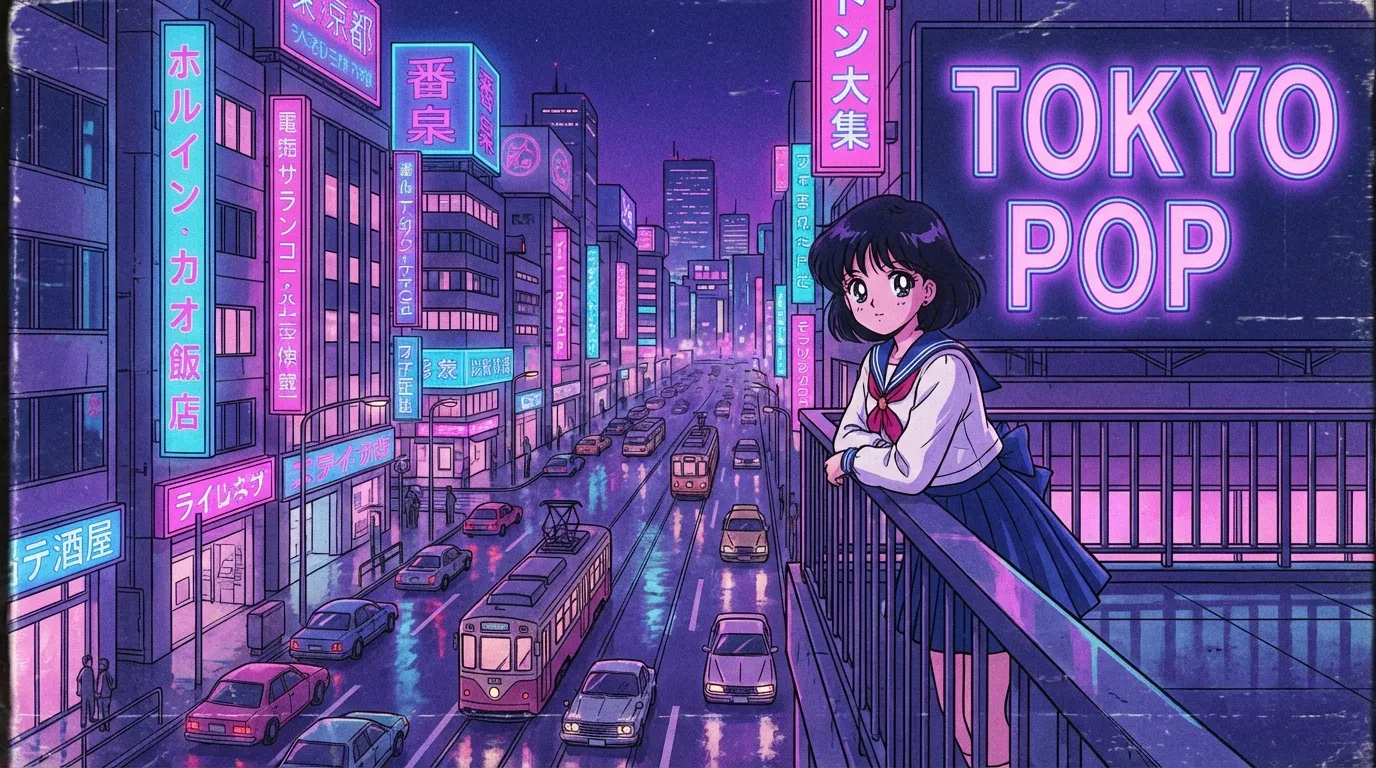
90s anime style
90s anime style pairs cel-painted limited palettes with OAV film grain, chunk highlights on hair, and Akira-era heavy line weight. It suits magical girl key visuals, mecha cockpit shots, and Bebop-style adult action stills.
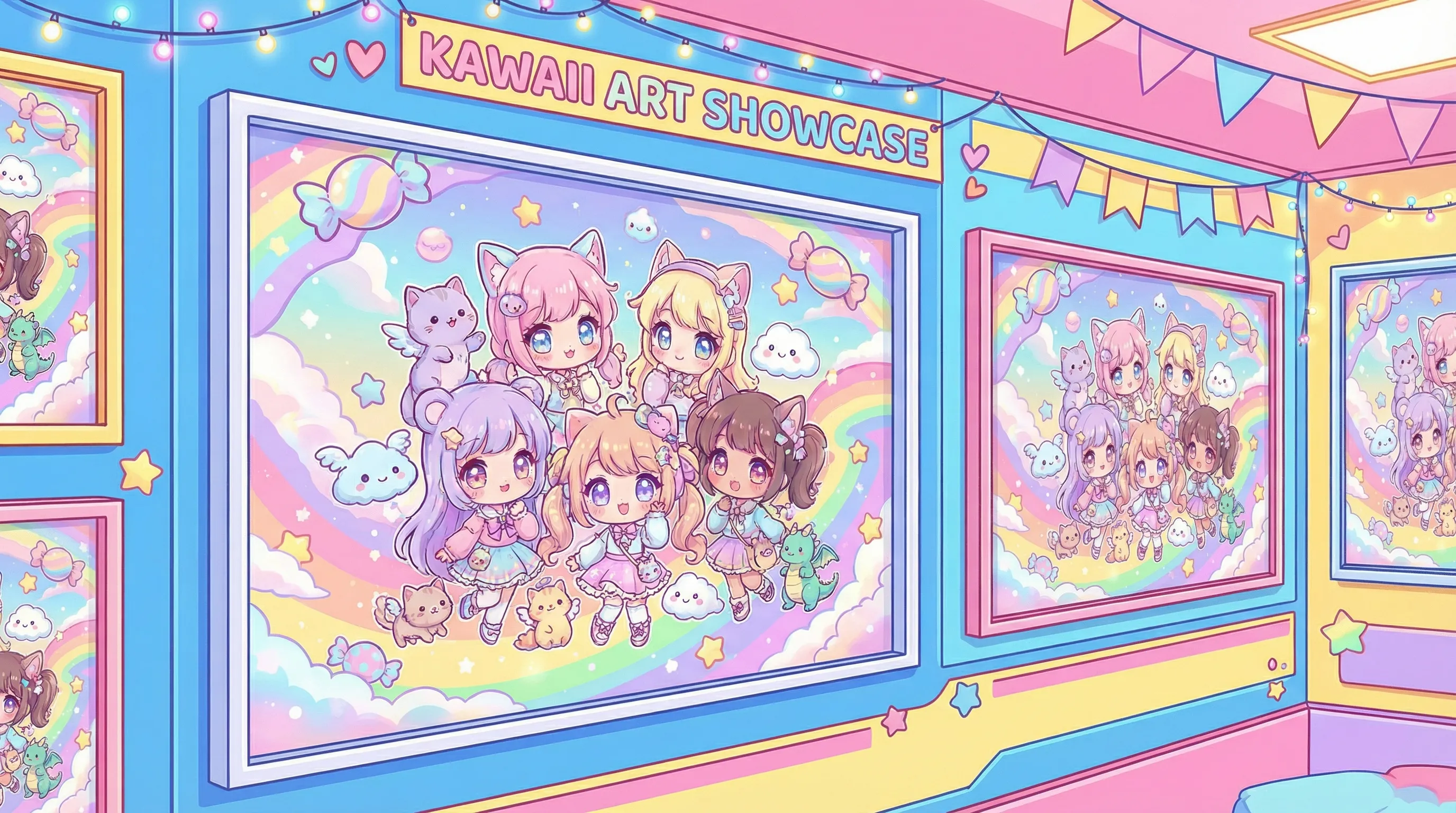
Chibi style
Chibi style takes a normal character and renders them with 2-head proportions, blob feet, oversized eye sparkle, and Q-version simplification. It suits stickers, emotes, shop mascots, line art keychains, and reaction icons.
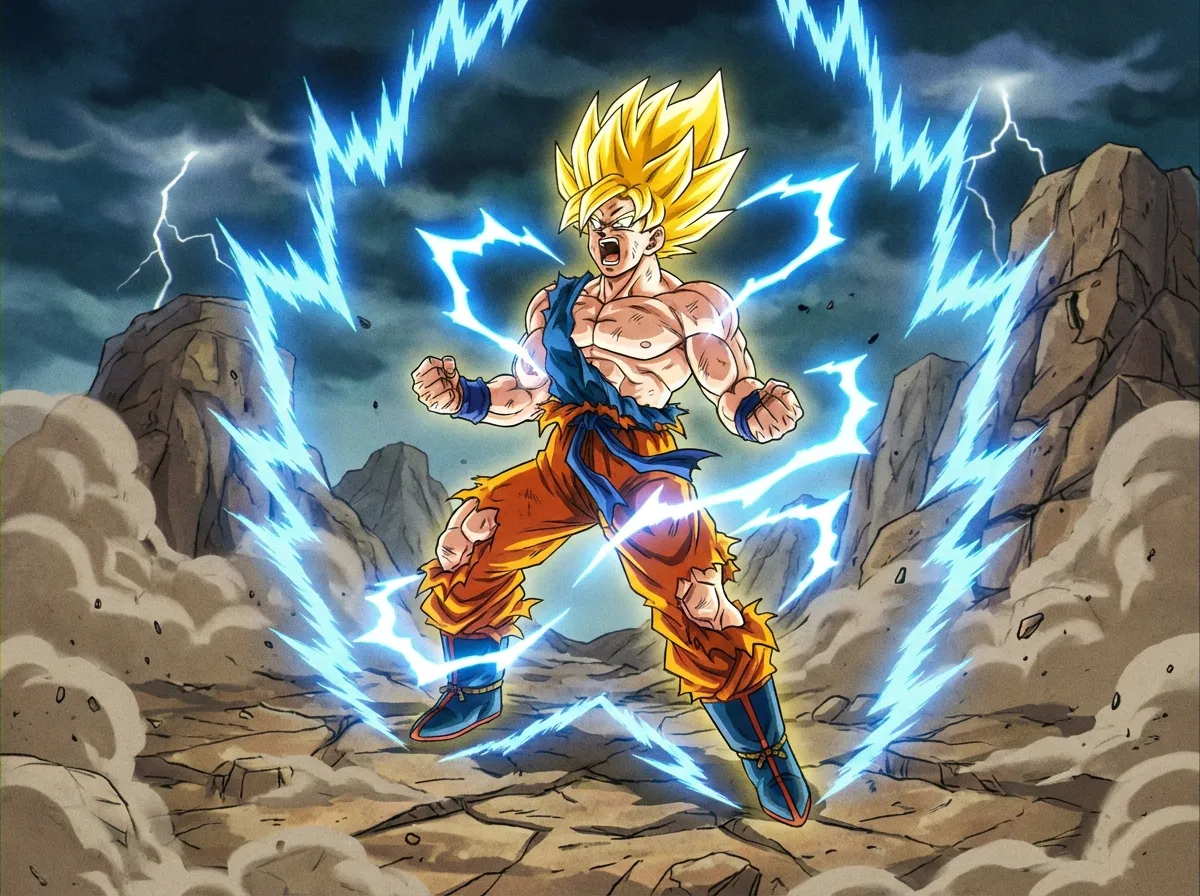
Dragon Ball style
Dragon Ball style pairs Akira Toriyama's clean spike line and rounded martial-arts proportions with Super Saiyan aura backdrops, ki blast charge frames, and Capsule Corp 80s tech design. It suits original Saiyan OCs, charge-pose key visuals, and Toriyama-style sci-fi gear.
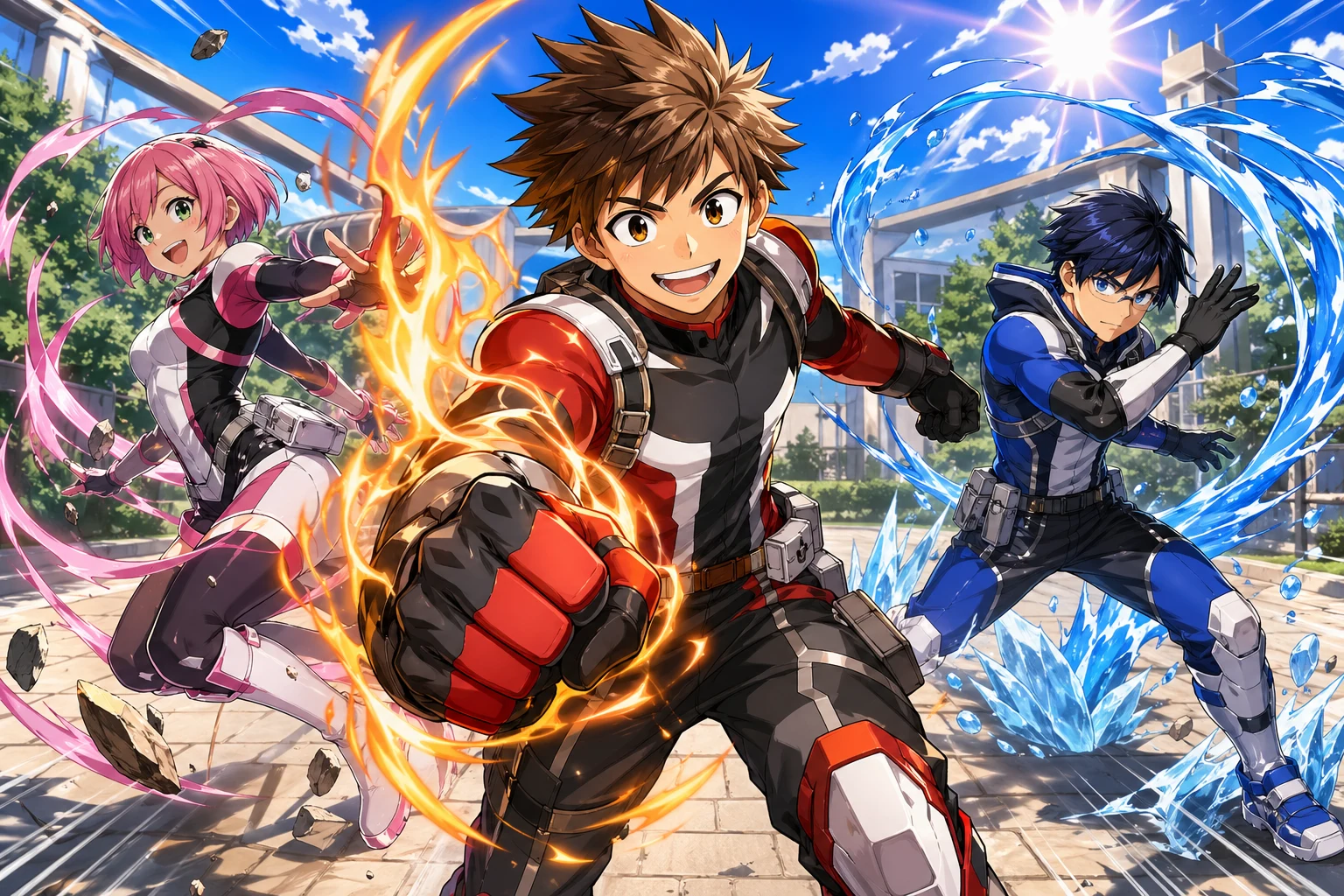
My Hero Academia style
My Hero Academia style pairs Kohei Horikoshi's grit ink and Western-comic-influenced posing with quirk effect overlays, school uniform tactical detail, and city-brawl key visuals. It suits original pro hero OCs, U.A.-style student art, and quirk reveal panels.
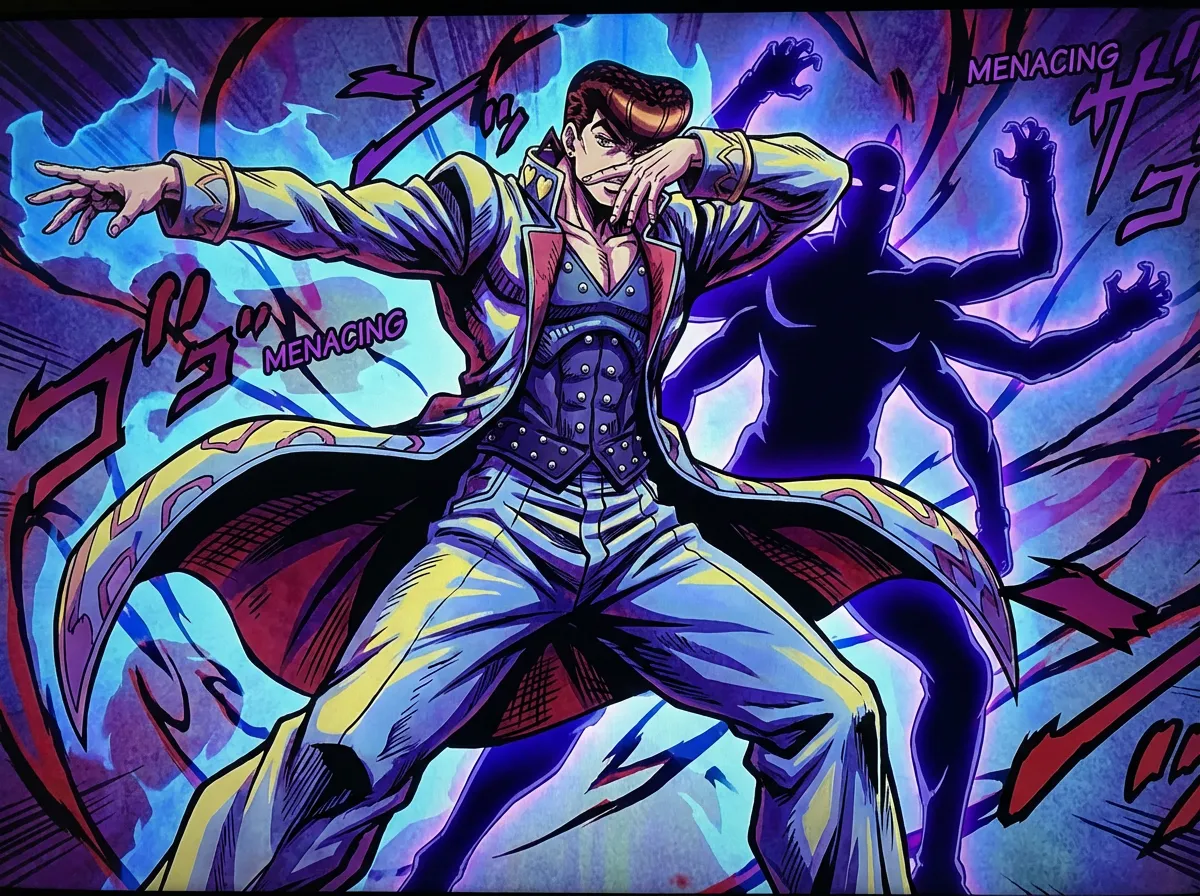
JoJo's Bizarre Adventure style
JoJo's Bizarre Adventure style pairs Hirohiko Araki muscle-pose torque, fashion-photo color grading, and Stand glow halos with high-couture costume detail. It suits original Stand users, contrapposto poster art, and Stand reveal panels.
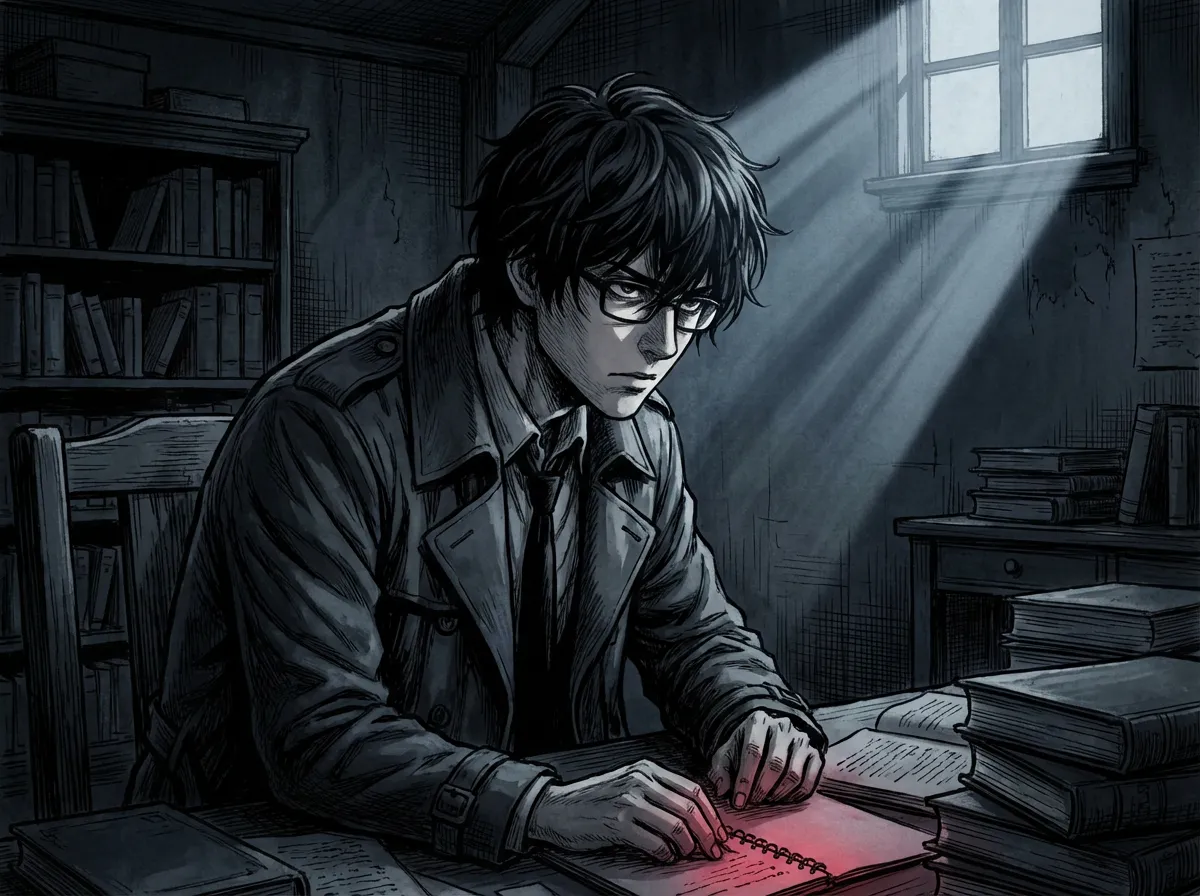
Death Note style
Death Note style is a noir-realist manga look defined by Takeshi Obata's clean precise line, deep-shadow desk-lamp lighting, L-style crouch silhouettes, and shinigami feather backdrops. It suits cat-and-mouse thriller panels, study-room standoffs, and original detective and reaper character art.
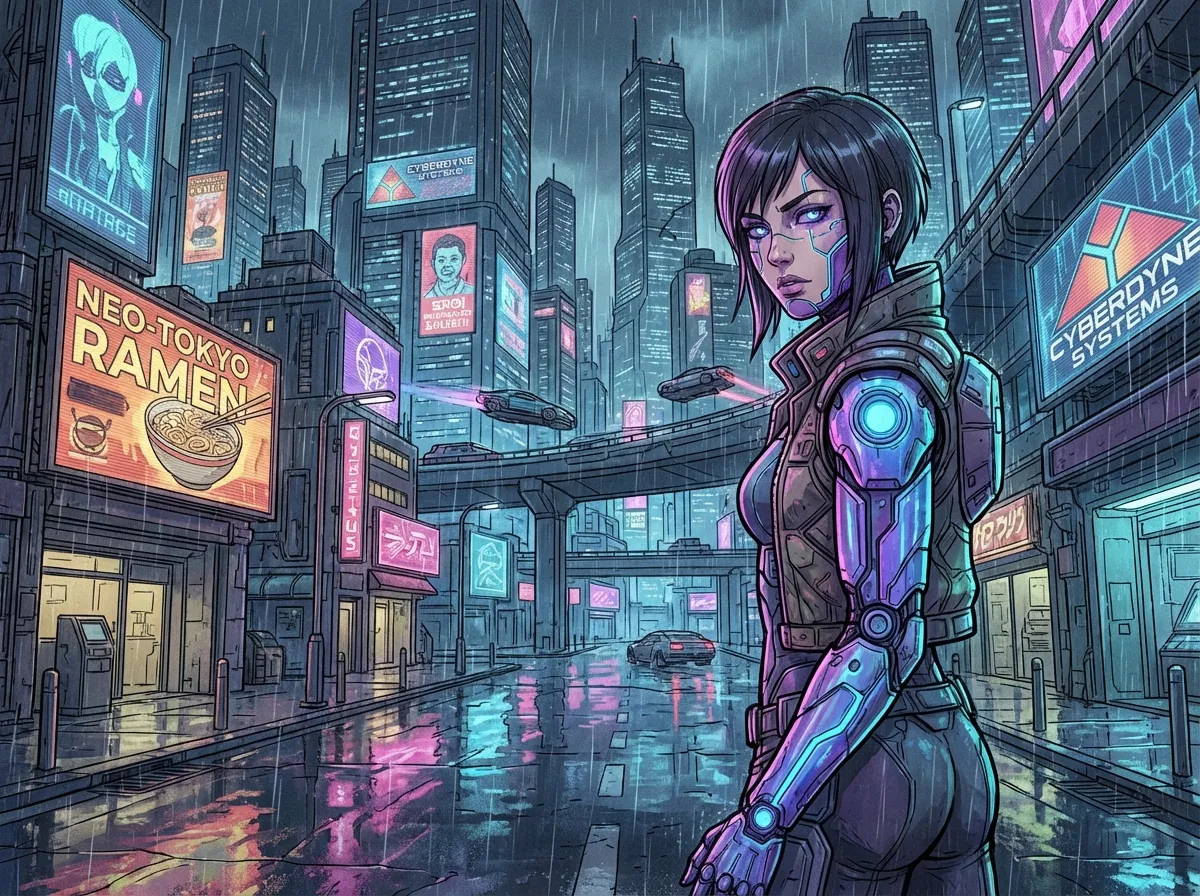
Cyberpunk anime style
Cyberpunk anime style is a Neo Tokyo dystopian look defined by neon Kowloon rooftops, Akira-style motorcycle smear lines, holographic ad billboards, and chrome-and-cable cyberware on characters. It suits original netrunners, dystopian street stills, and bike-action key art.
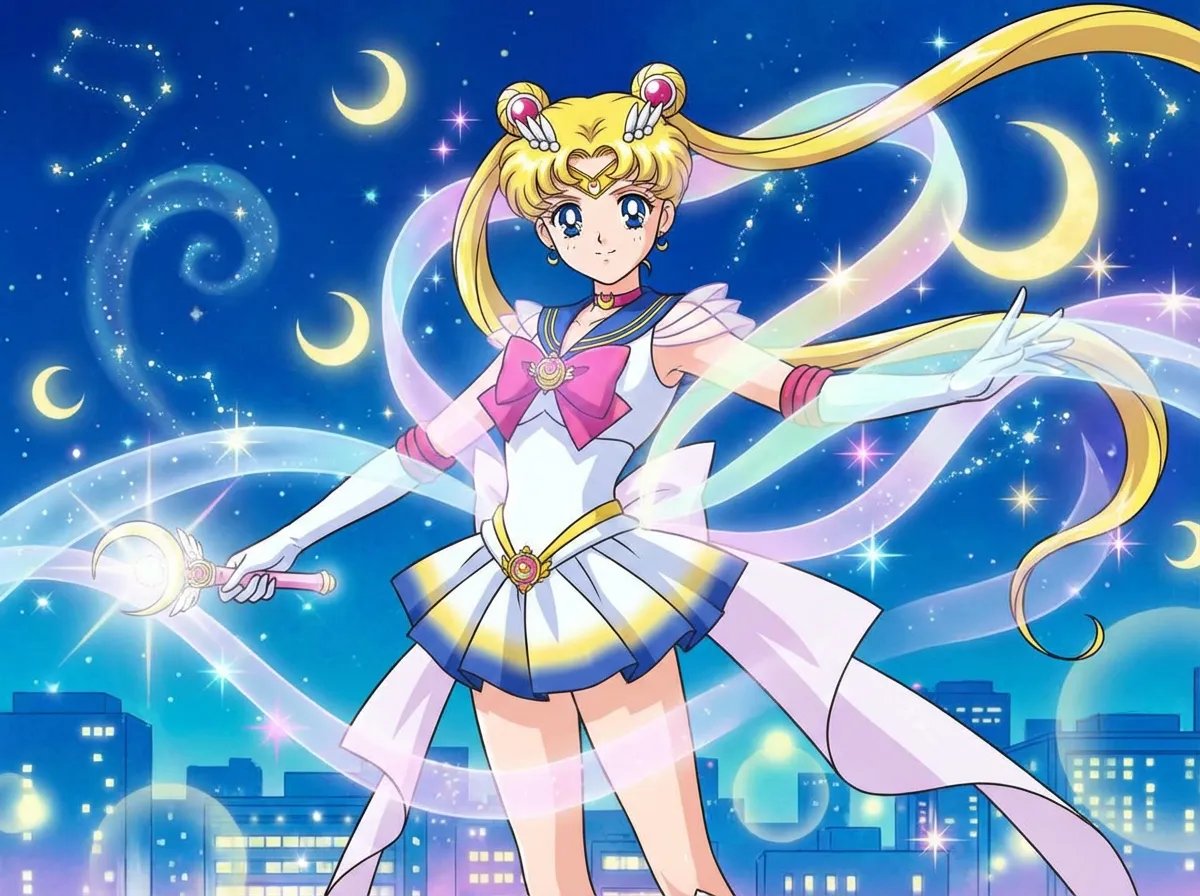
Sailor Moon style
Sailor Moon style is a 90s shoujo magical-girl look defined by Naoko Takeuchi planar shading, transformation ribbon overlays, sailor fuku silhouettes, and Crystal Tokyo skylines. It suits original sailor senshi designs, transformation pose key art, and shoujo cover panels.
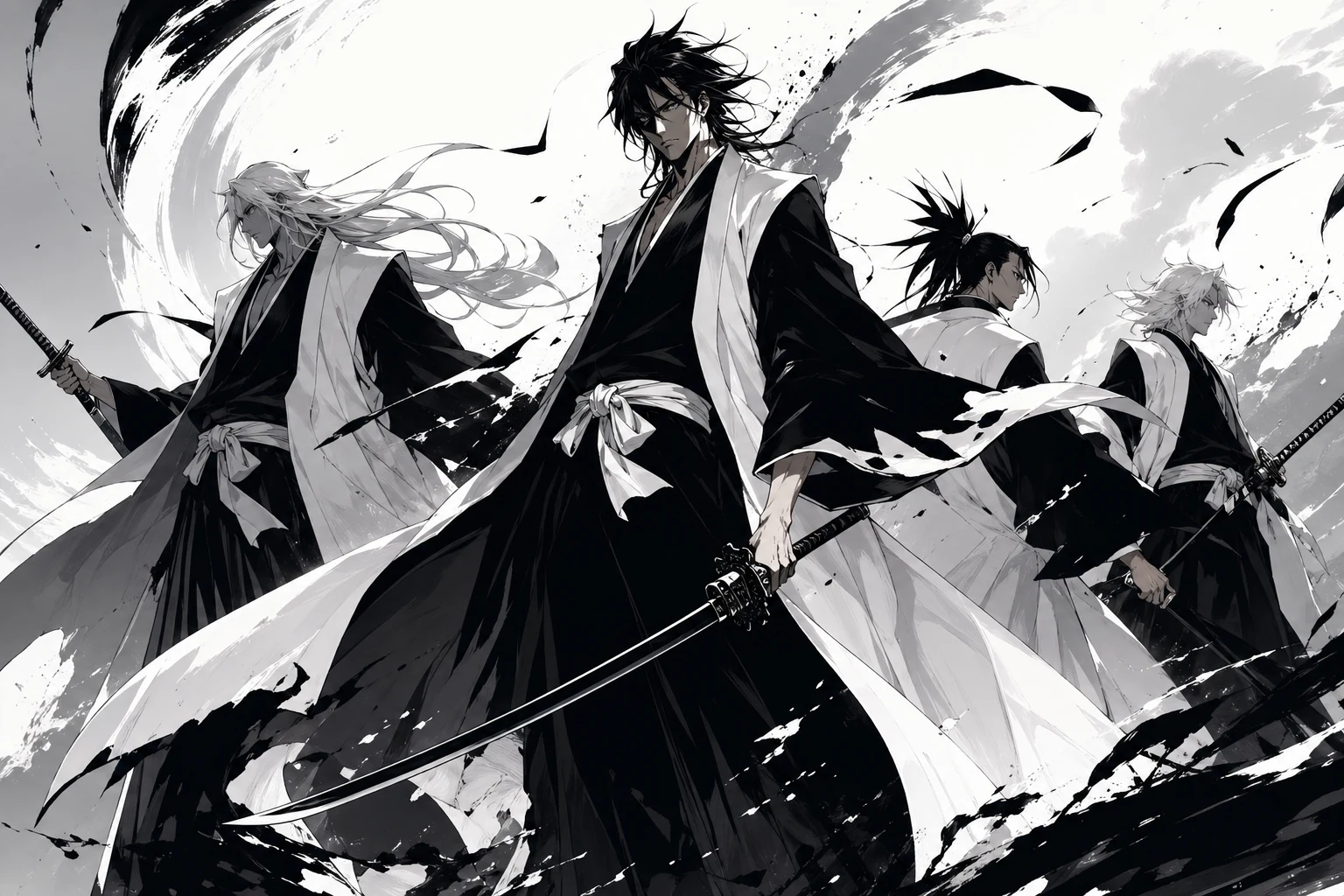
Bleach style
Bleach style is a high-fashion shonen look defined by Tite Kubo's high-contrast ink, the Hueco Mundo desaturated white-gray-black palette, Zanpakuto release glows, and 9-head runway-tall shihakusho silhouettes. It suits original captains, hollows, Quincy, and bankai release key art.
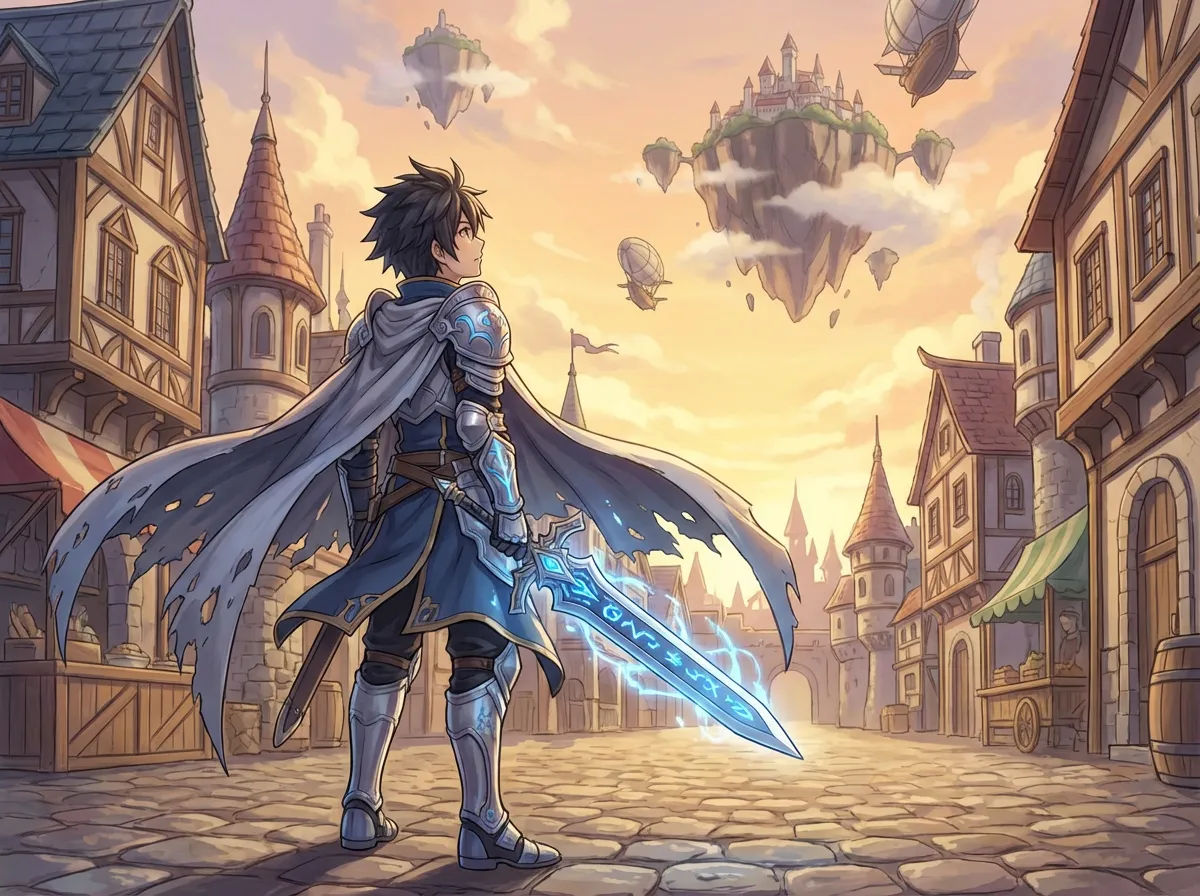
Isekai anime style
Isekai anime style is the modern light novel adaptation look defined by summoning circle compositions, RPG-stat HUD overlays, fantasy guild interiors, and adventurer party group shots. It suits original isekai protagonists, party covers, and dungeon-and-tavern key art.
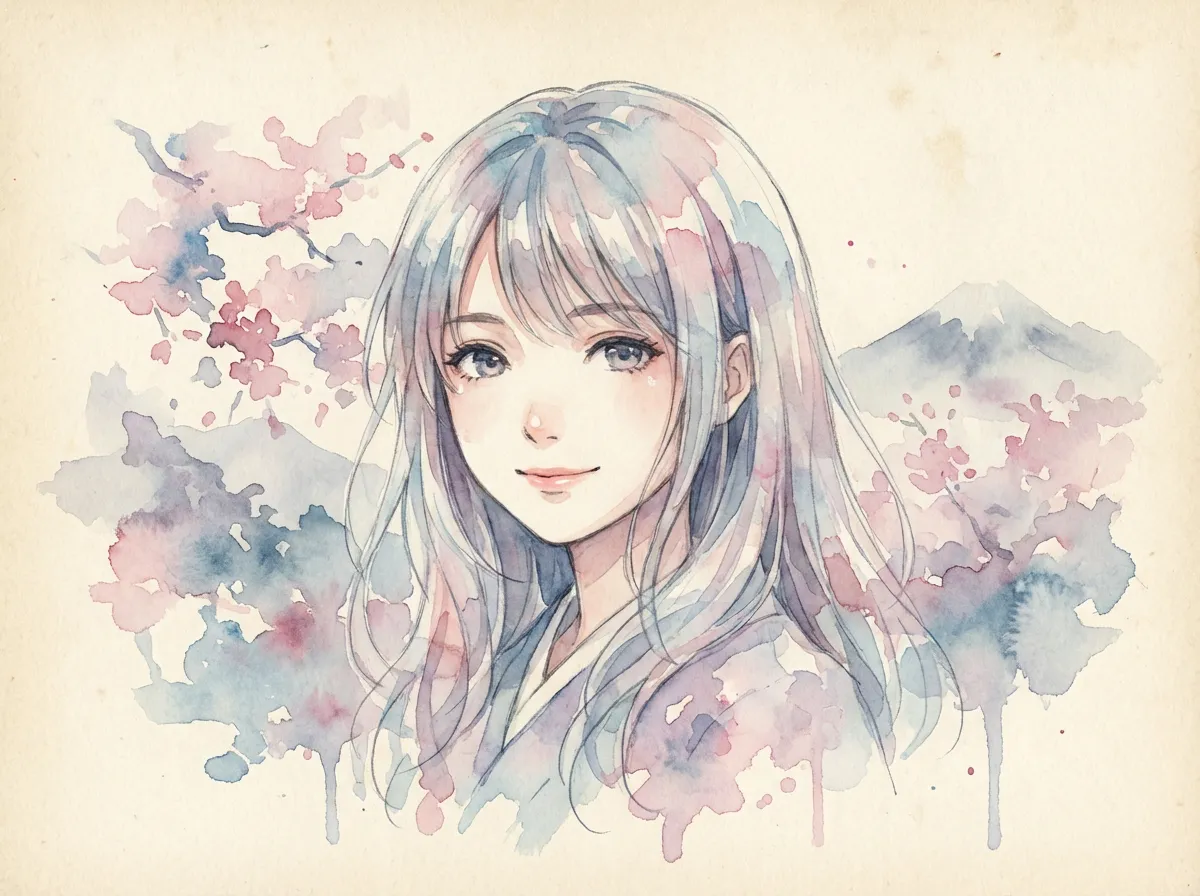
Watercolor anime style
Watercolor anime style is a painted illustration look defined by wet-on-wet color bleed, salt-grain texture, paper tooth showthrough, and a soft ink line laid over the washes. It suits seasonal portraits, quiet character covers, novel jacket art, and atmospheric landscape stills.
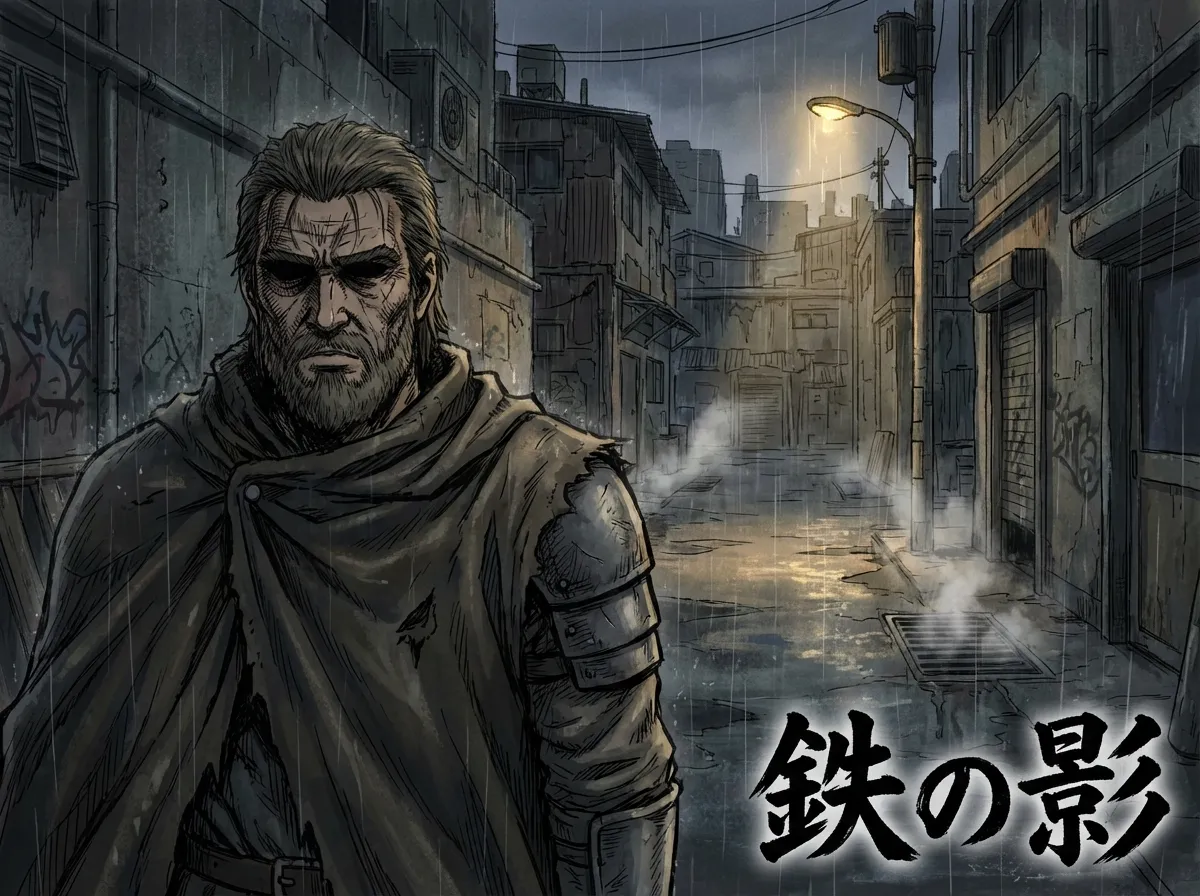
Seinen realistic style
Seinen realistic style is a heavily rendered adult-manga look defined by Kentaro Miura crosshatch, European medieval anatomical accuracy, Takehiko Inoue ink-wash skin tone, and somber dark-fantasy atmosphere. It suits original warriors, samurai duels, Viking ship key art, and gekiga character portraits.
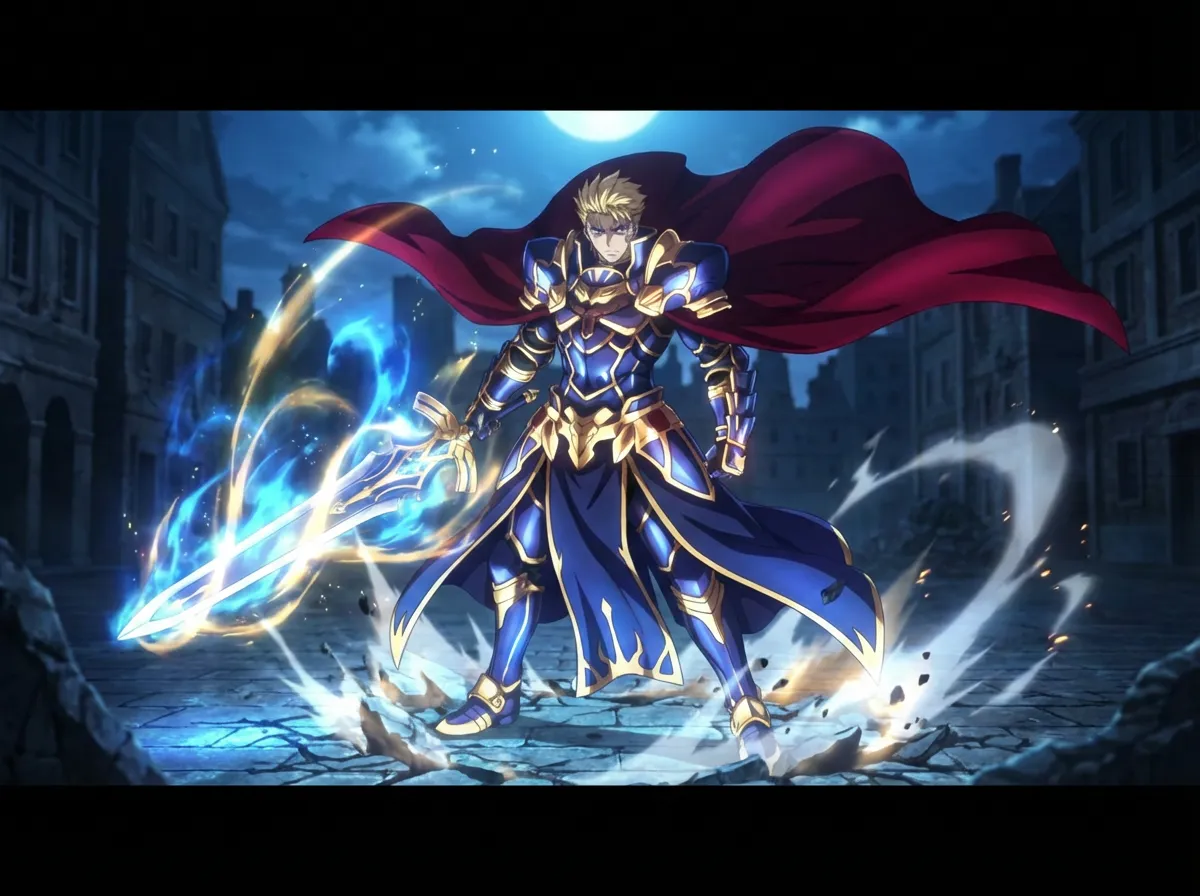
Fate series style
Fate Series style is the Type-Moon Holy Grail War look defined by ufotable golden particle bloom, Saber-style polished armor reflection, command seal hand motifs, and Holy Grail chalice glow. It suits original servant designs, Grail War key art, and ritual magic-circle character covers.
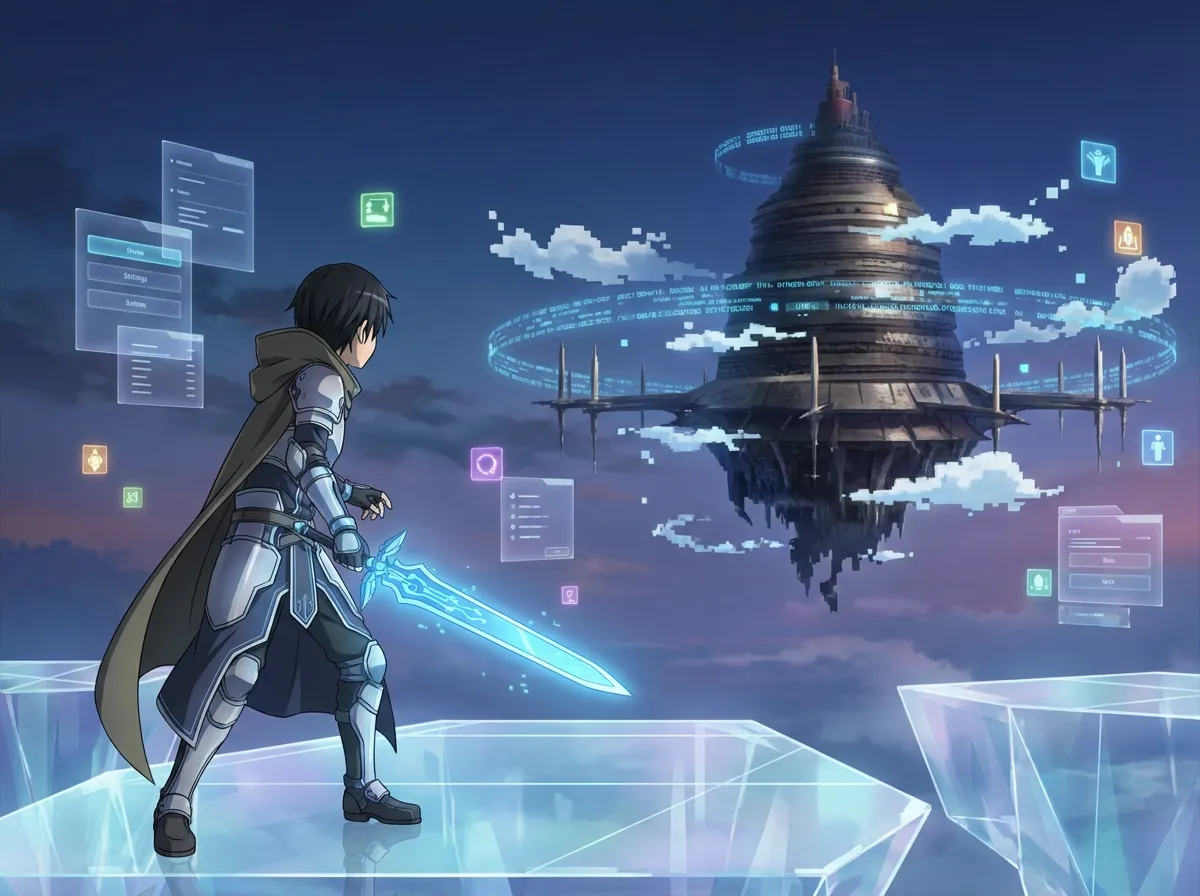
Sword Art Online style
Sword Art Online style is the VRMMO action-anime look defined by Aincrad floating castle layouts, VR HUD inventory overlays, neon avatar trails, and skill-name overlay tags. It suits original player-avatar portraits, dual-wielding fight key art, and Aincrad-floor guild scenes.
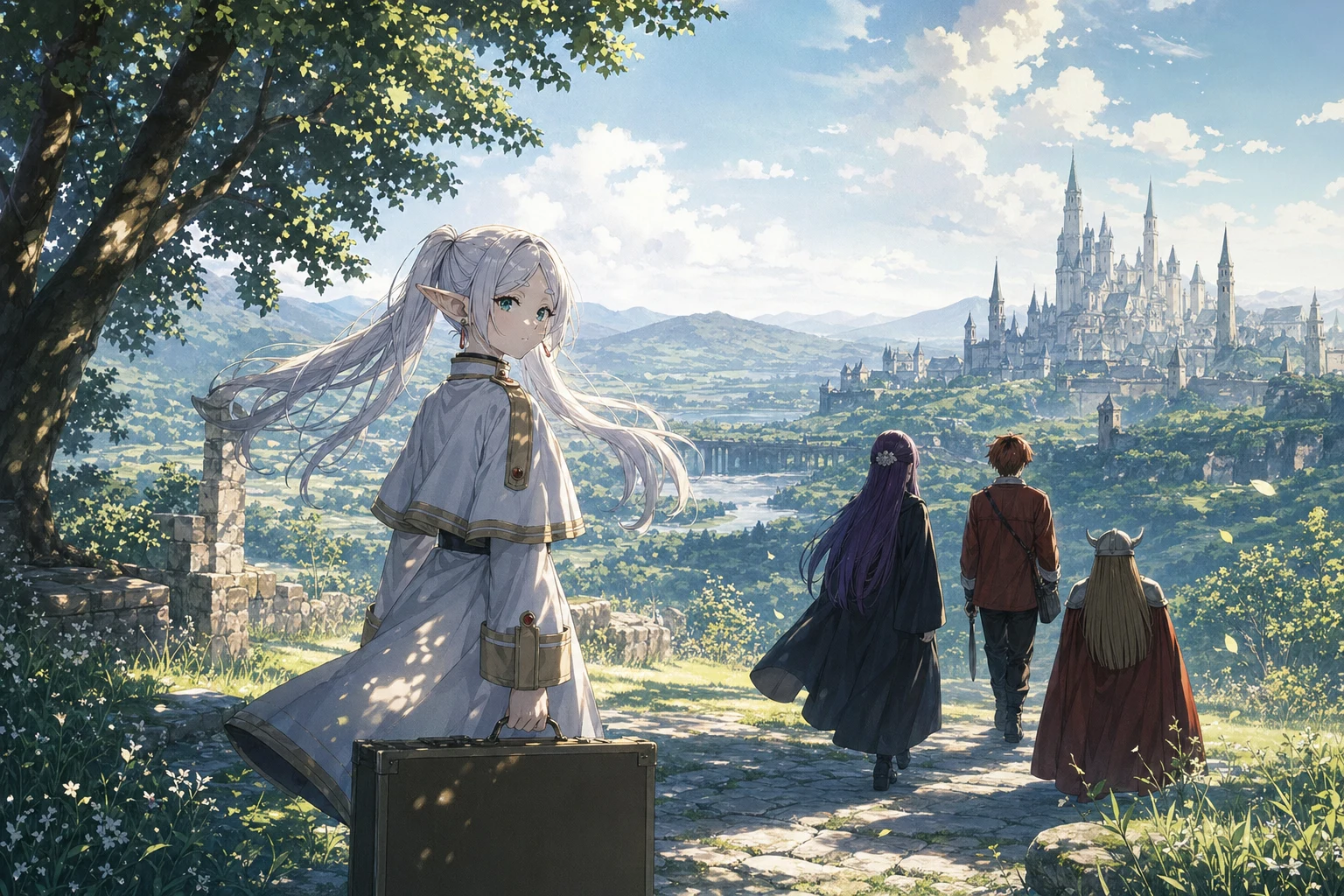
Frieren: Beyond Journey's End style
This aesthetic blends quiet emotional pacing, European-inspired fantasy architecture, and delicate linework with lush outdoor light. It suits journey stories, wizards, and long horizon landscapes.
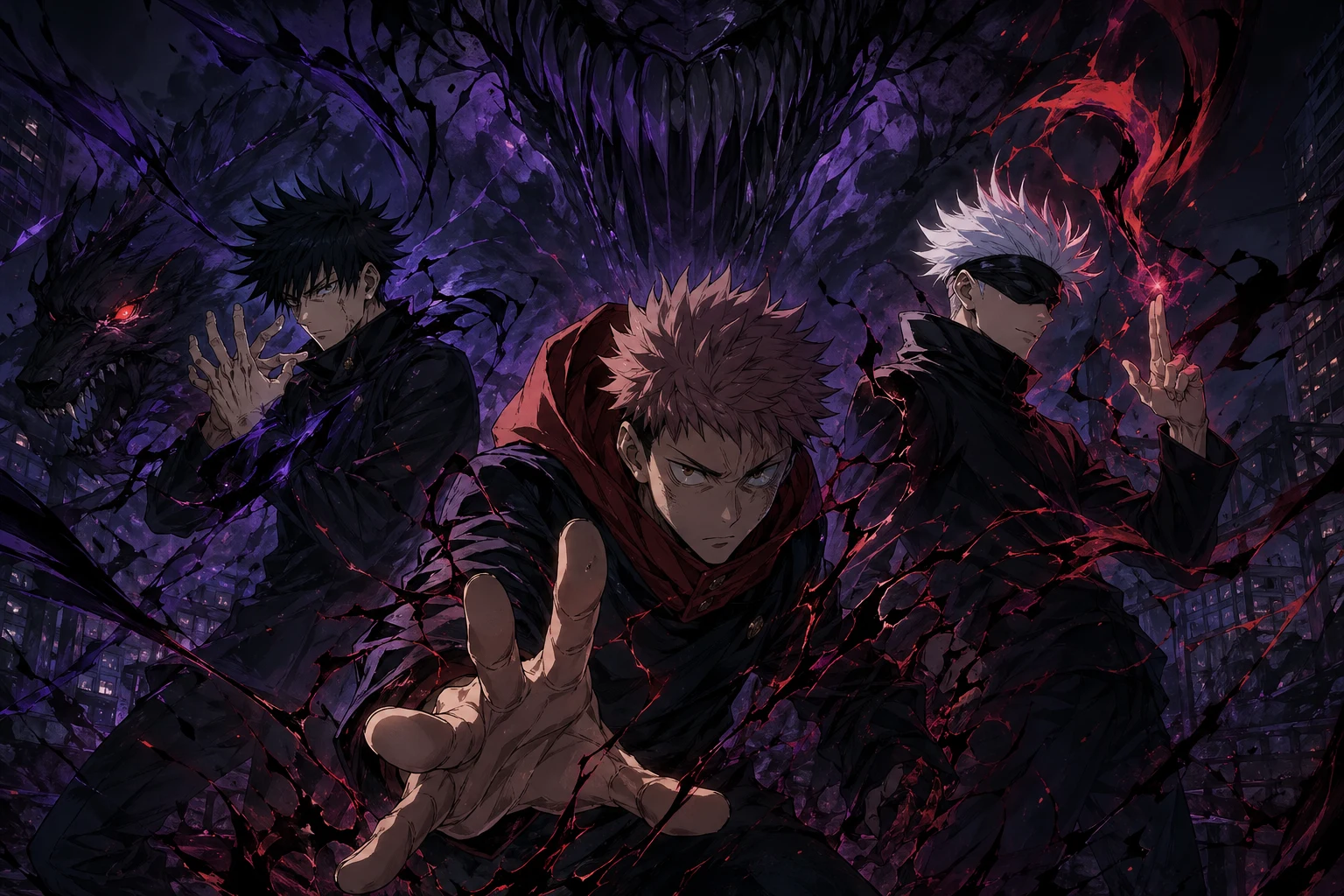
Jujutsu Kaisen style
A dark shonen look built on thick contour lines, heavy blacks, and fluid motion arcs when supernatural effects appear. It pairs modern cities with eerie, ritual space.
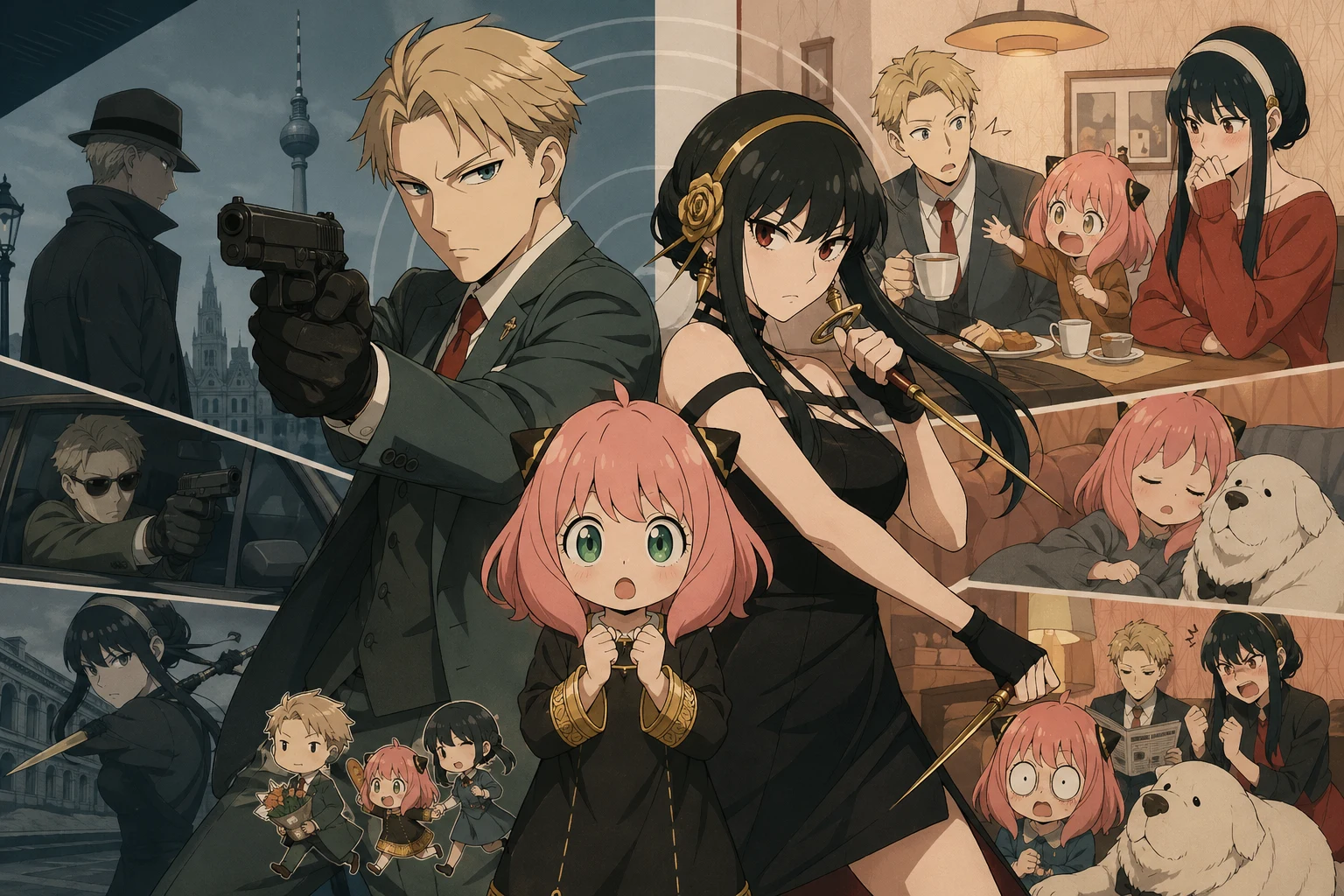
Spy x Family style
A hybrid of stylish Cold War fashion cues, broad comedy body language, and action staging that is light on gore, heavy on charm.
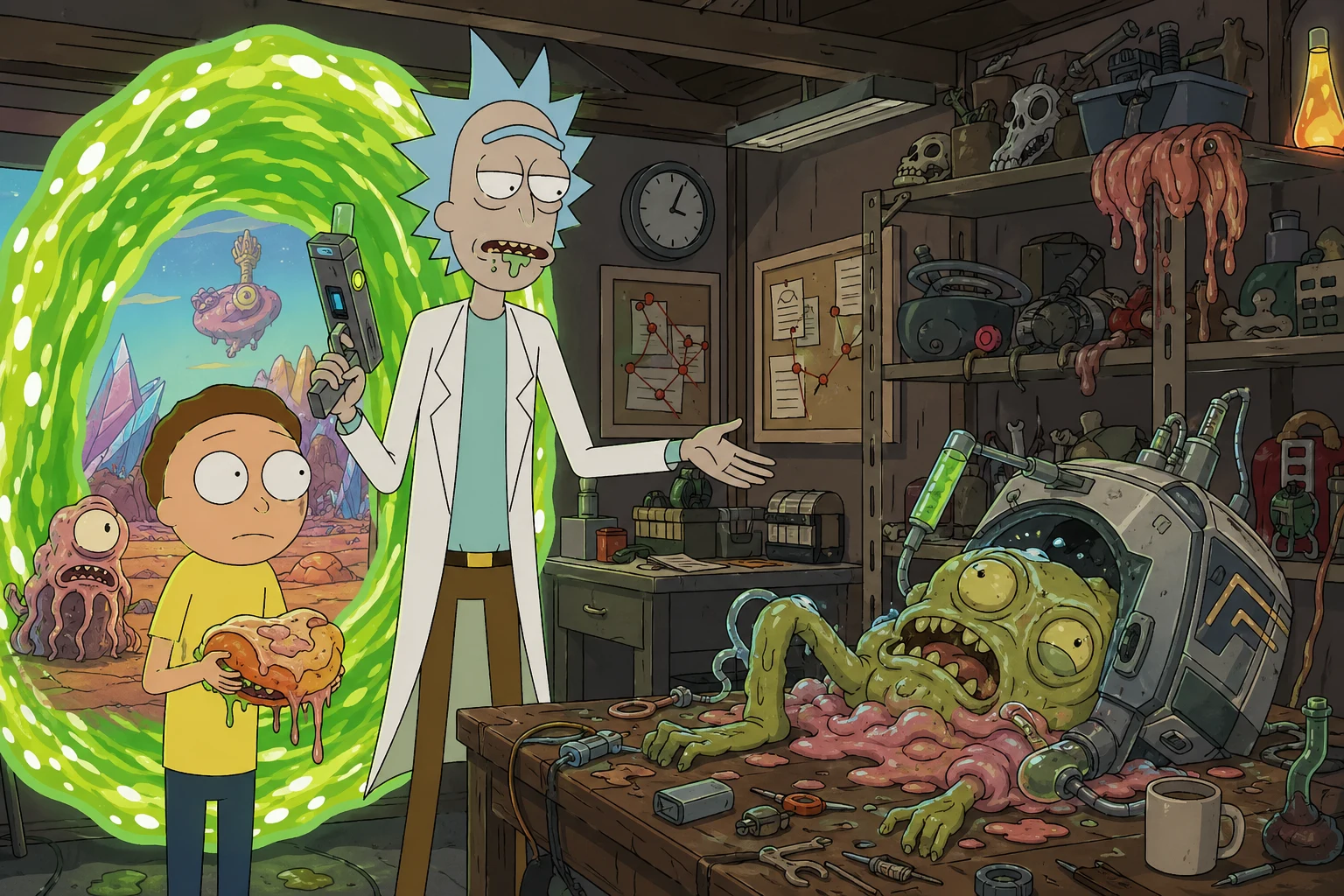
Rick and Morty style
A western adult sci-fi cartoon look built on wobbly ink, uneven pupils, and backgrounds that feel busier than the punchline. It is a popular reference for parody boards, pitch frames, and meme-friendly stills when you want "multiverse lab sitcom" energy without copying any specific character.
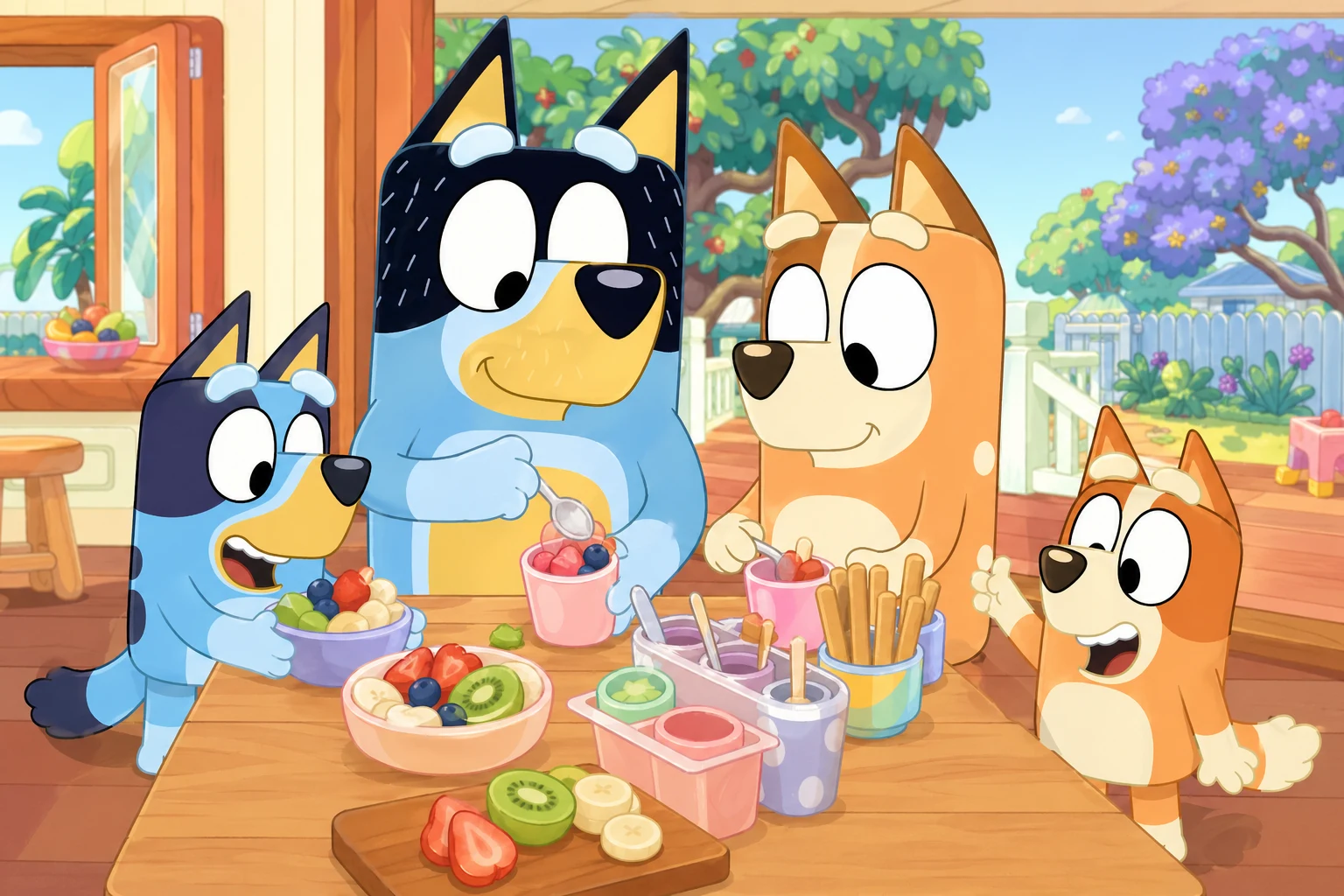
Bluey style
Rounded, toy-like character volumes, open floor plans, and pastels with enough contrast for readable silhouettes. Humor is observational, not mean.
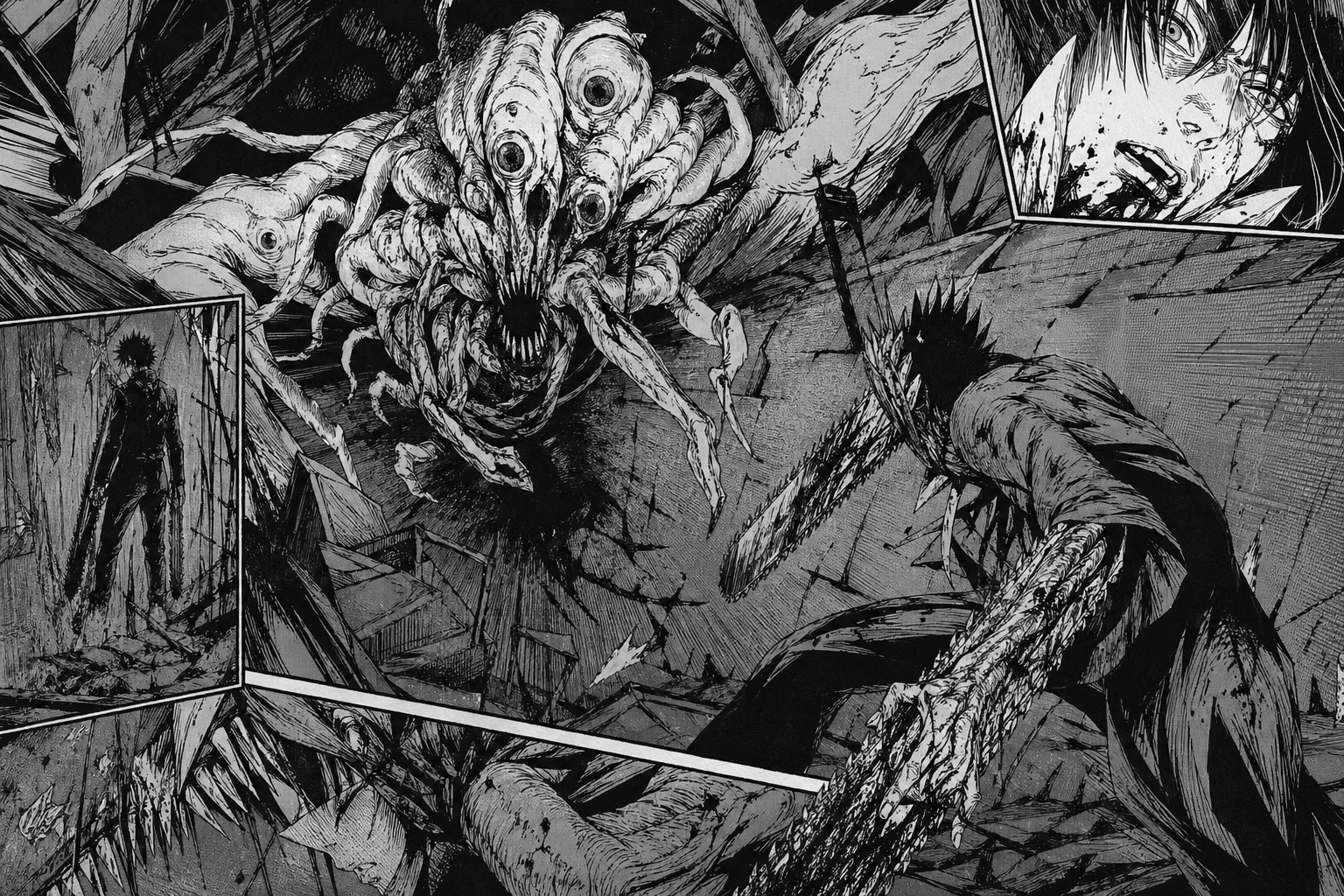
Chainsaw Man style
A manga-forward look: aggressive pen texture, erratic screentone, and page layouts that feel like they might tear.
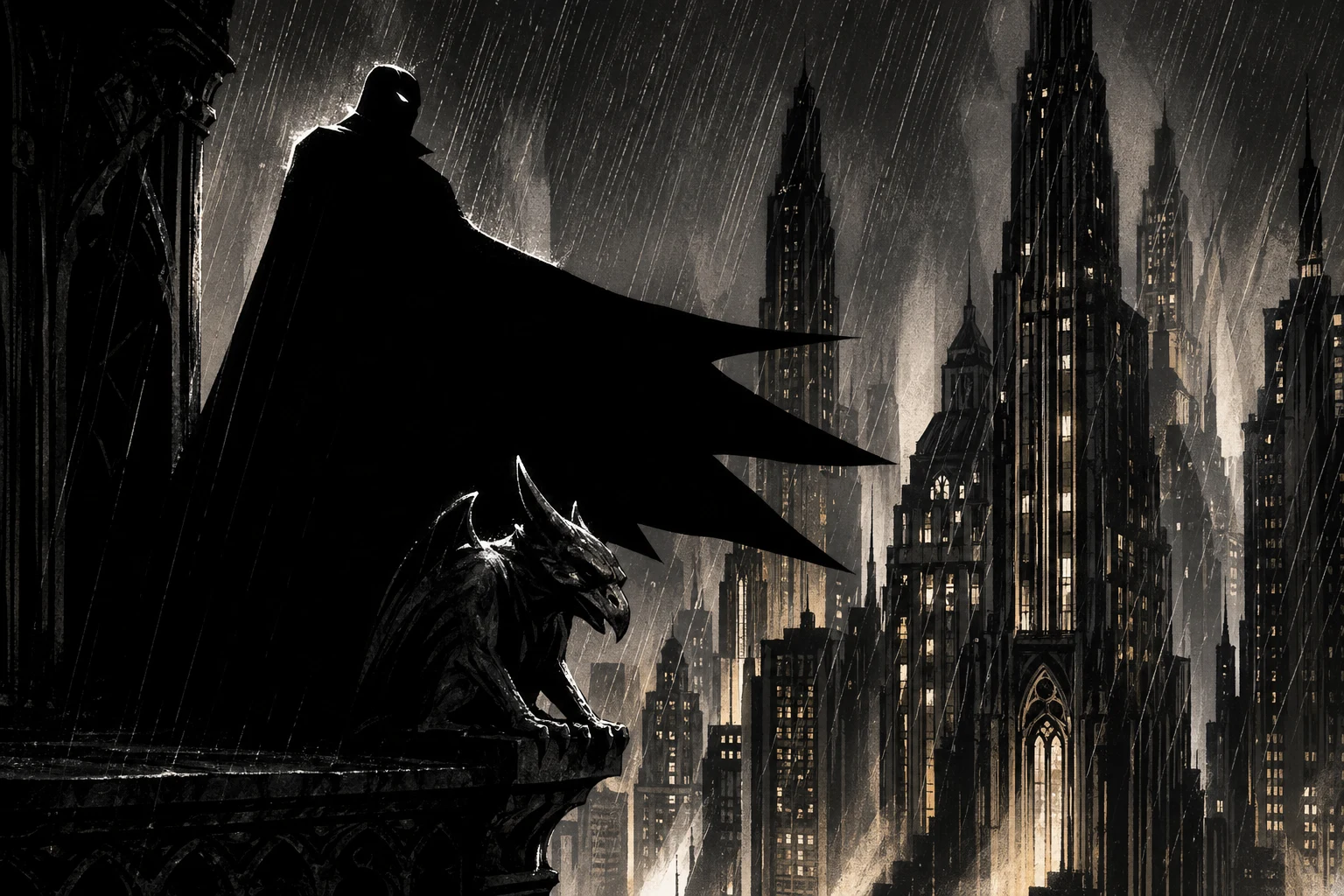
Batman style
American ink-forward comics: drybrush rain, chiseled jaw shadows, and vertical Gotham canyons with spot color accents.
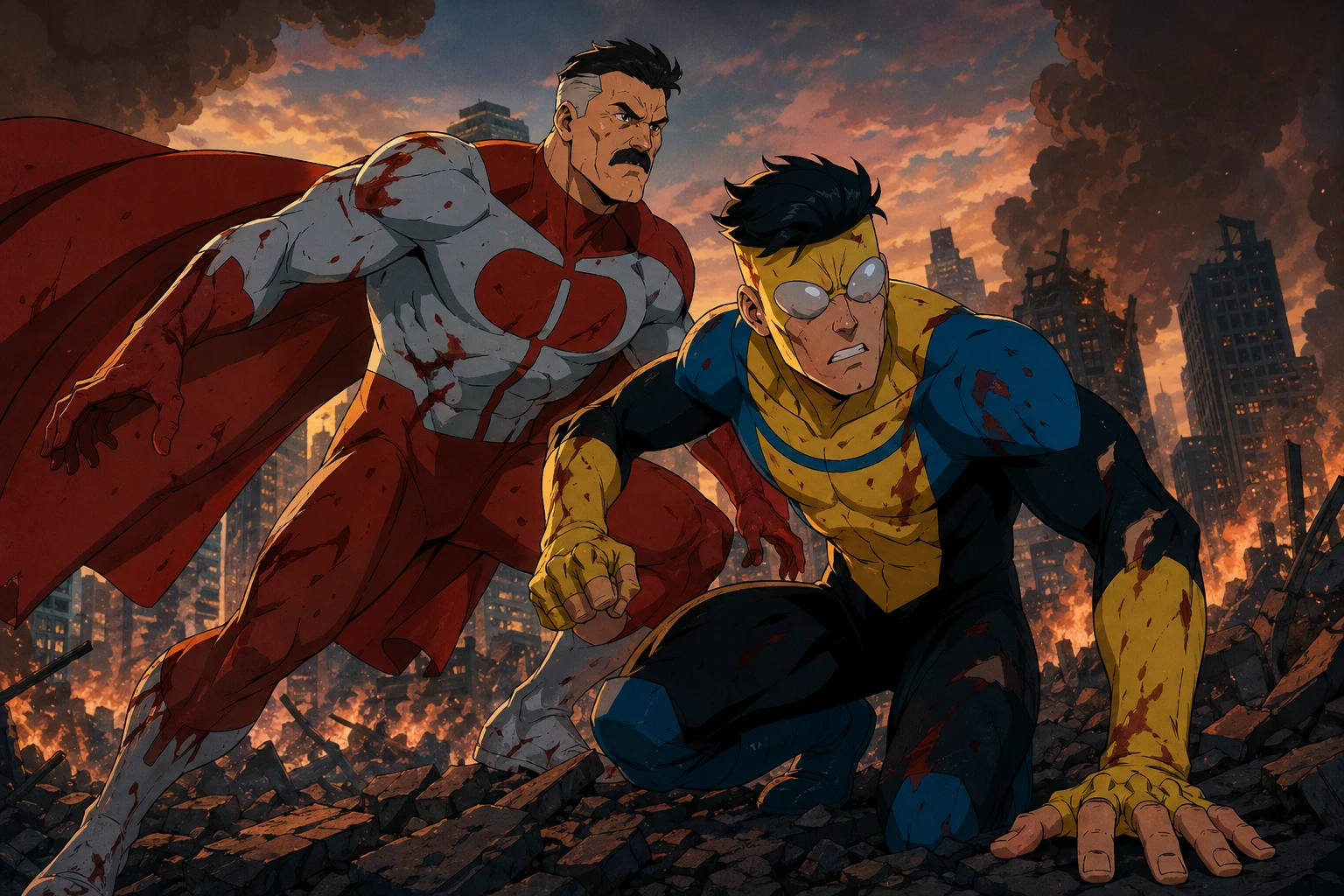
Invincible style
Modern western cape stories with clear readable silhouettes, big emotional swings, and impact frames that do not flinch from consequences.
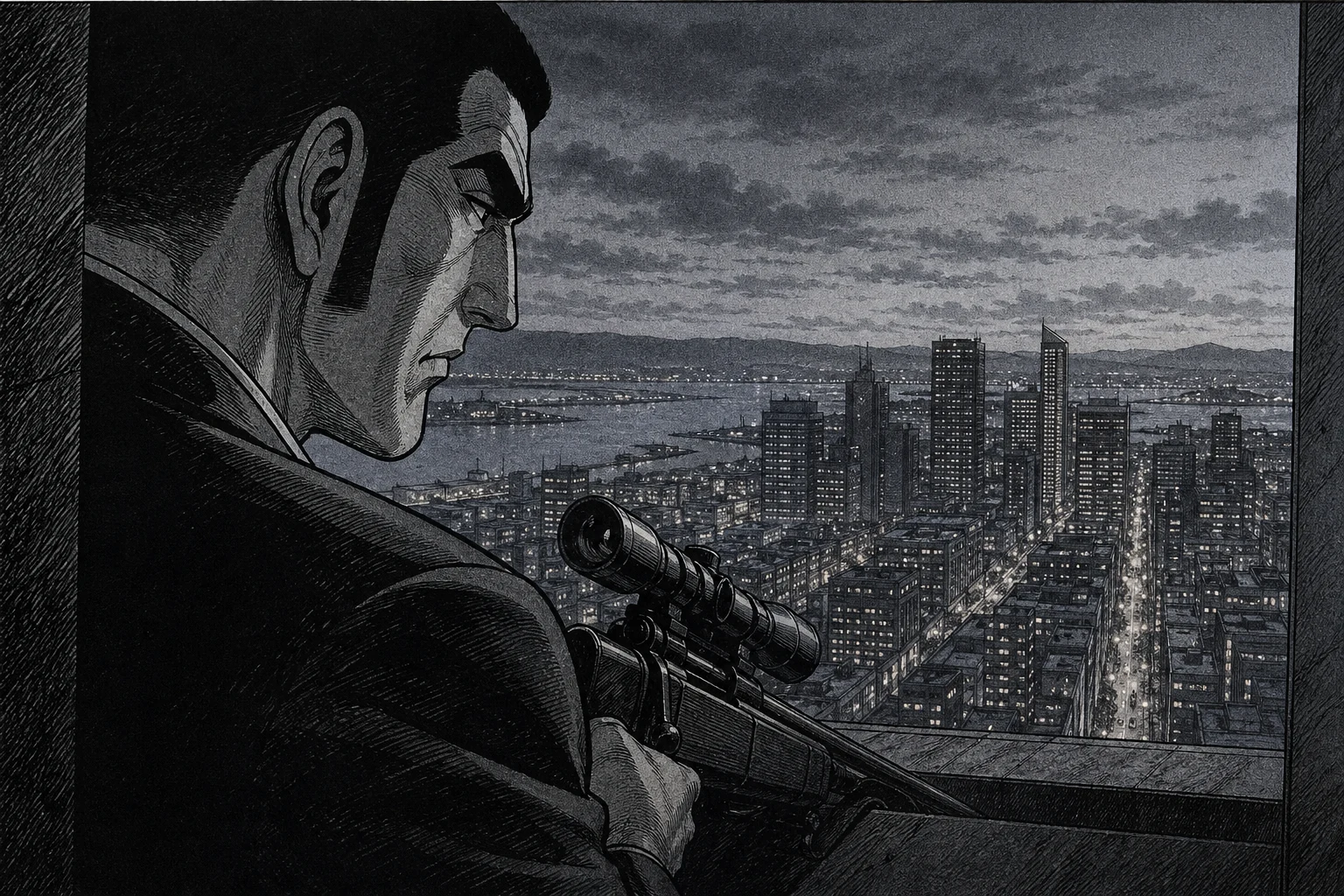
Golgo 13 style
The Golgo-inspired look pairs realistic anatomy, heavy screentone, and panel rhythm that reads like film storyboards. It suits assassination thrillers, rooftop scopes, and quiet close-ups with maximum tension.
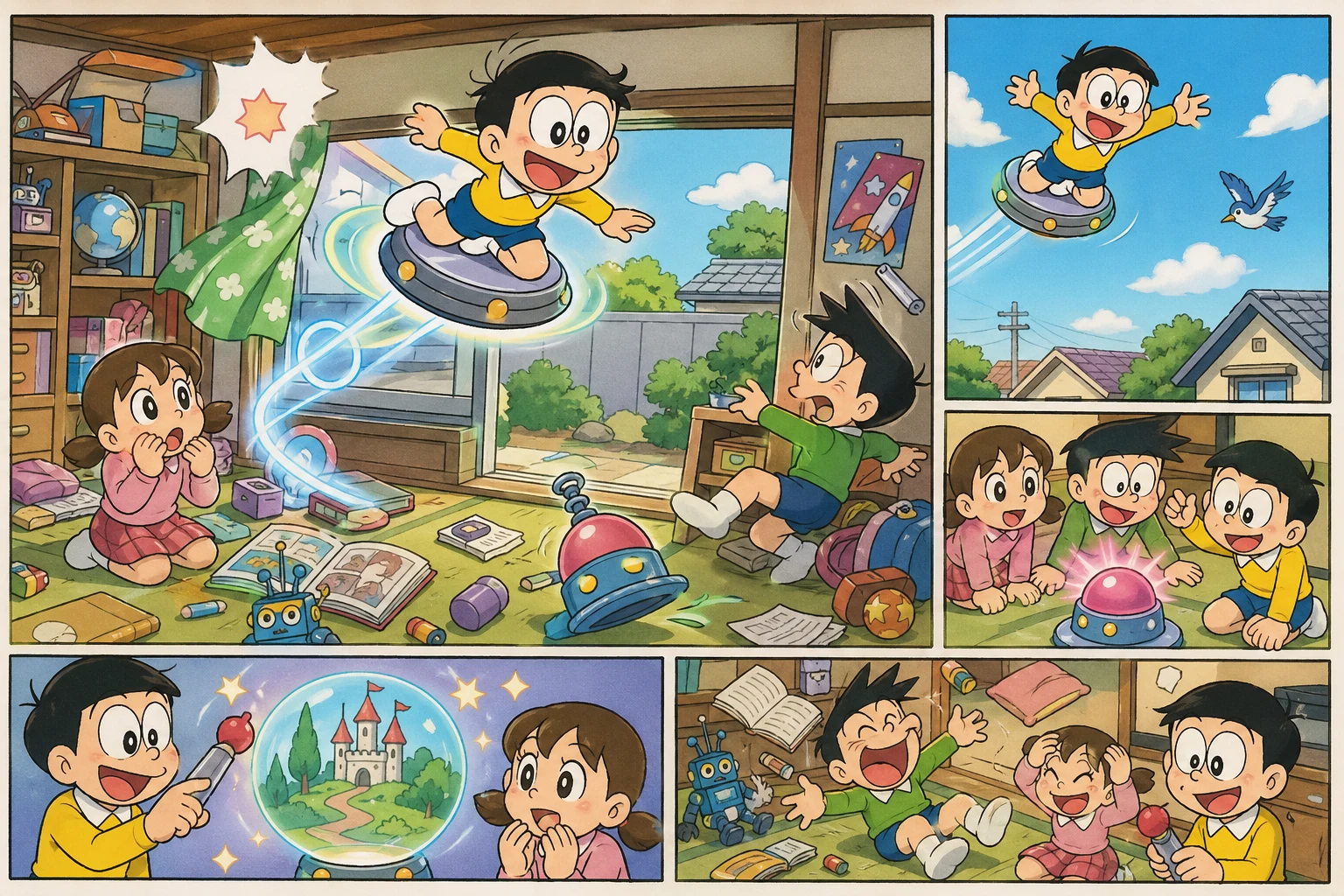
Doraemon style
The Doraemon-inspired family look is playful, roomy, and easy to read at small sizes. It suits classroom gags, sky chases with silly gadgets, and cozy interior scenes with exaggerated reactions.
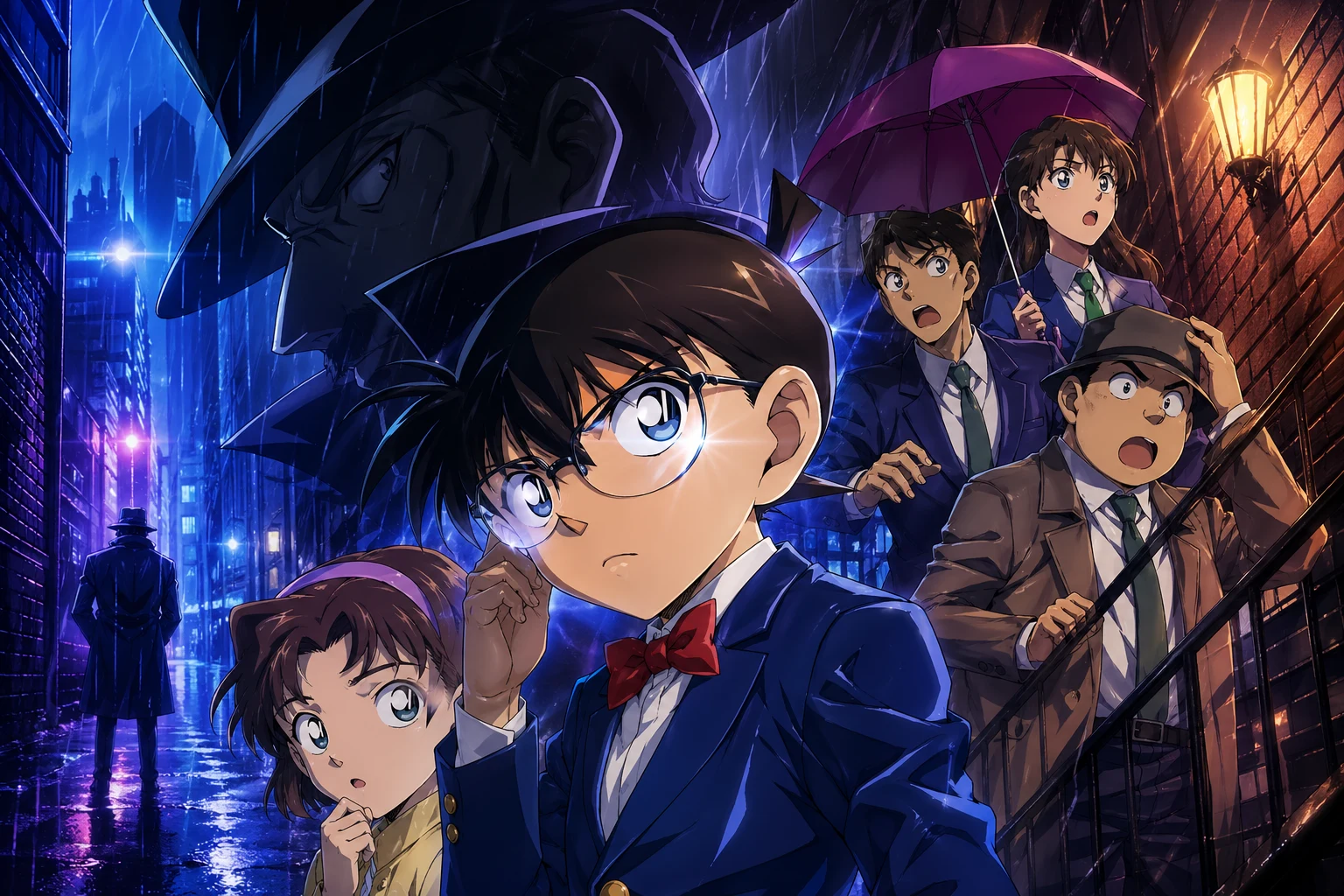
Detective Conan style
Detective Conan inspired pages mix comedy-led character scale with cinematic crime moods. Highlights include razor suit folds, flashlight rim light, glossy eye blocks, and rain-slicked asphalt.
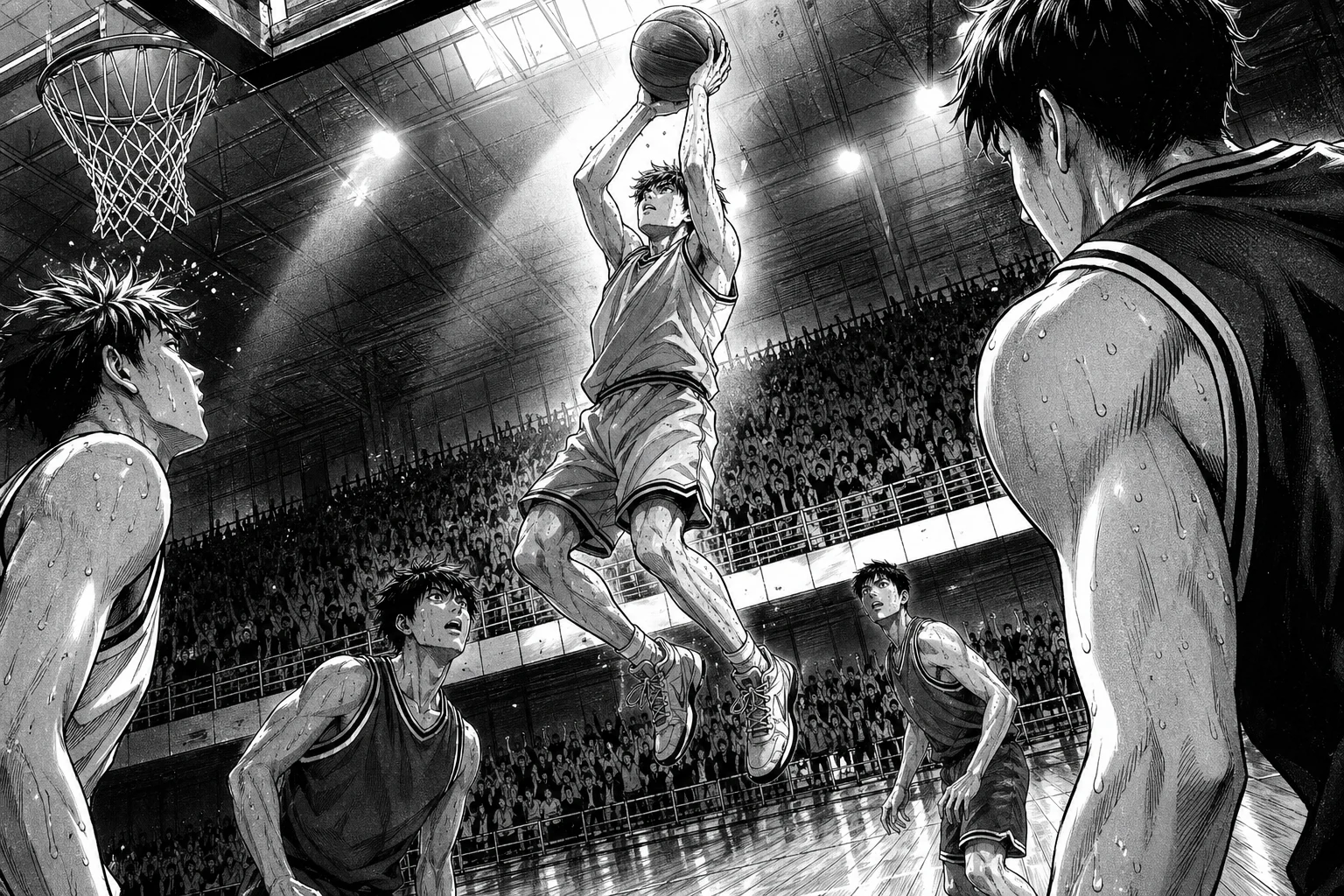
Slam Dunk style
Slam Dunk inspired art prizes anatomy literacy, exaggerated foreshortened limbs, airborne hang time, and emotional close-ups snapped back to roaring wide courts.
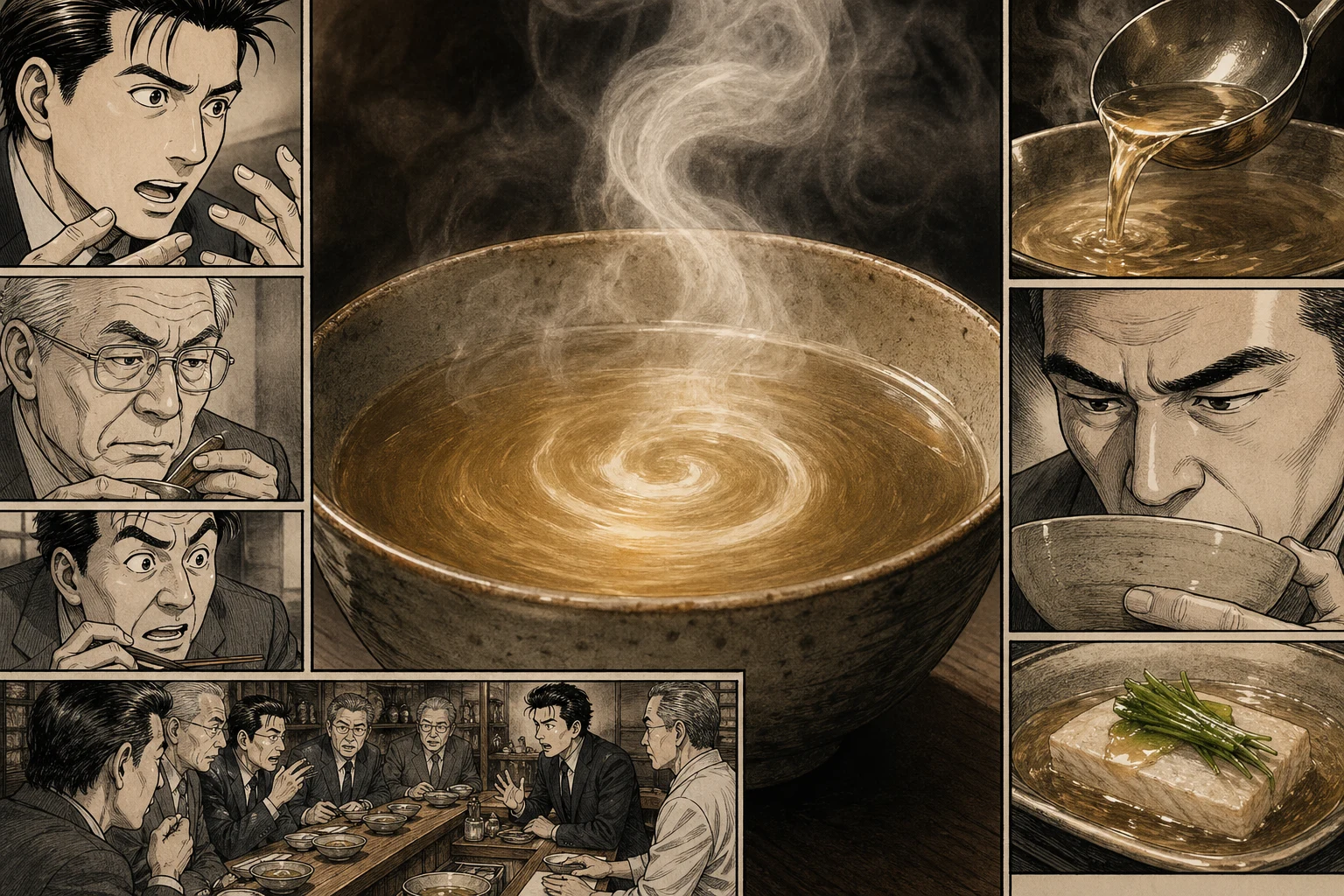
Oishinbo style
Oishinbo inspired pages worship ingredient truth: shimmering dashi ripples, cross-section noodle lift, glaze on grilled fish scales, obsessive detail at eating scale.
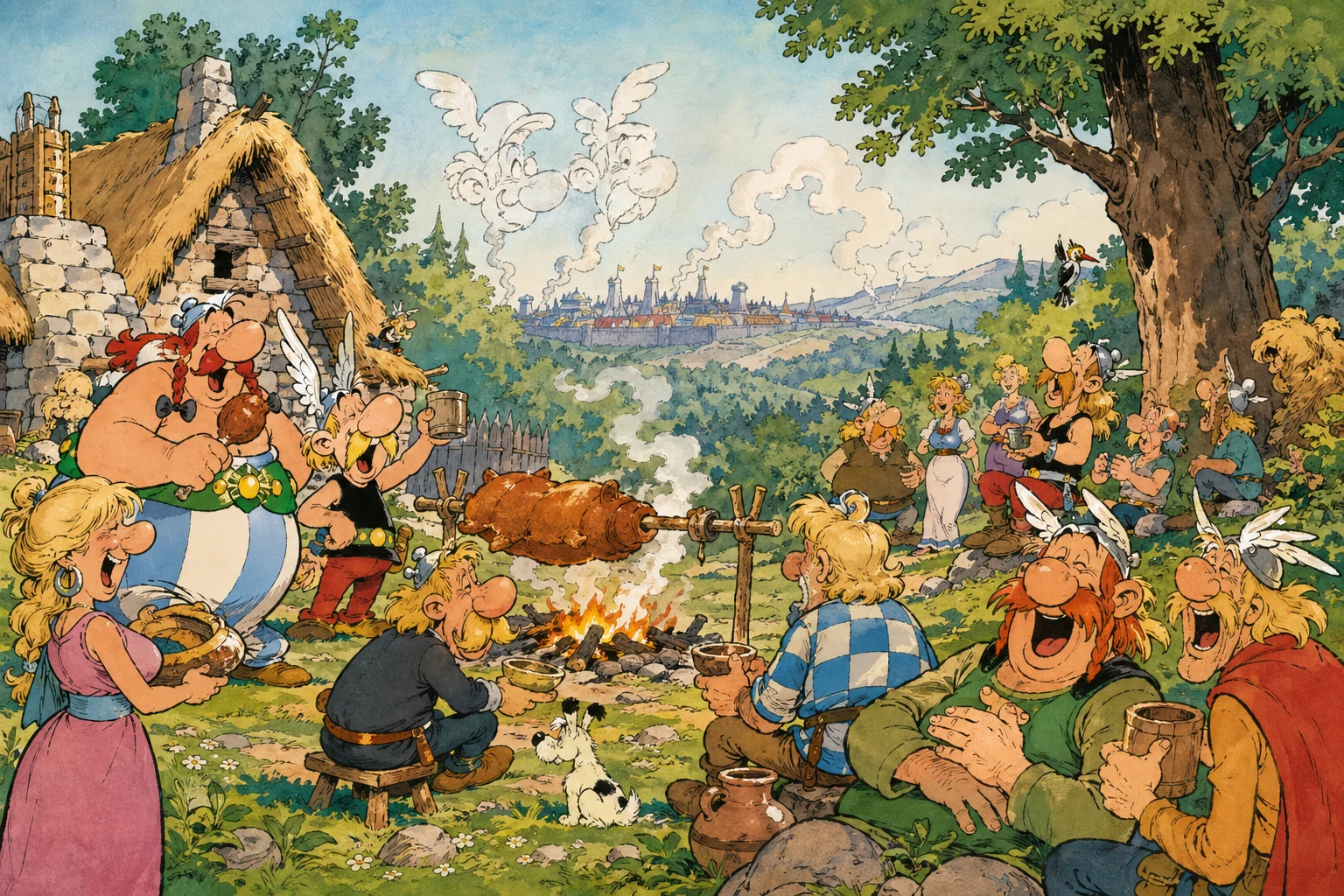
Asterix style
Asterix style art uses round, exaggerated character designs, big noses, and stocky bodies in a clean even ink line with flat watercolor wash. Great for gag panels set in Gaulish villages, Roman camps, and forest adventures.
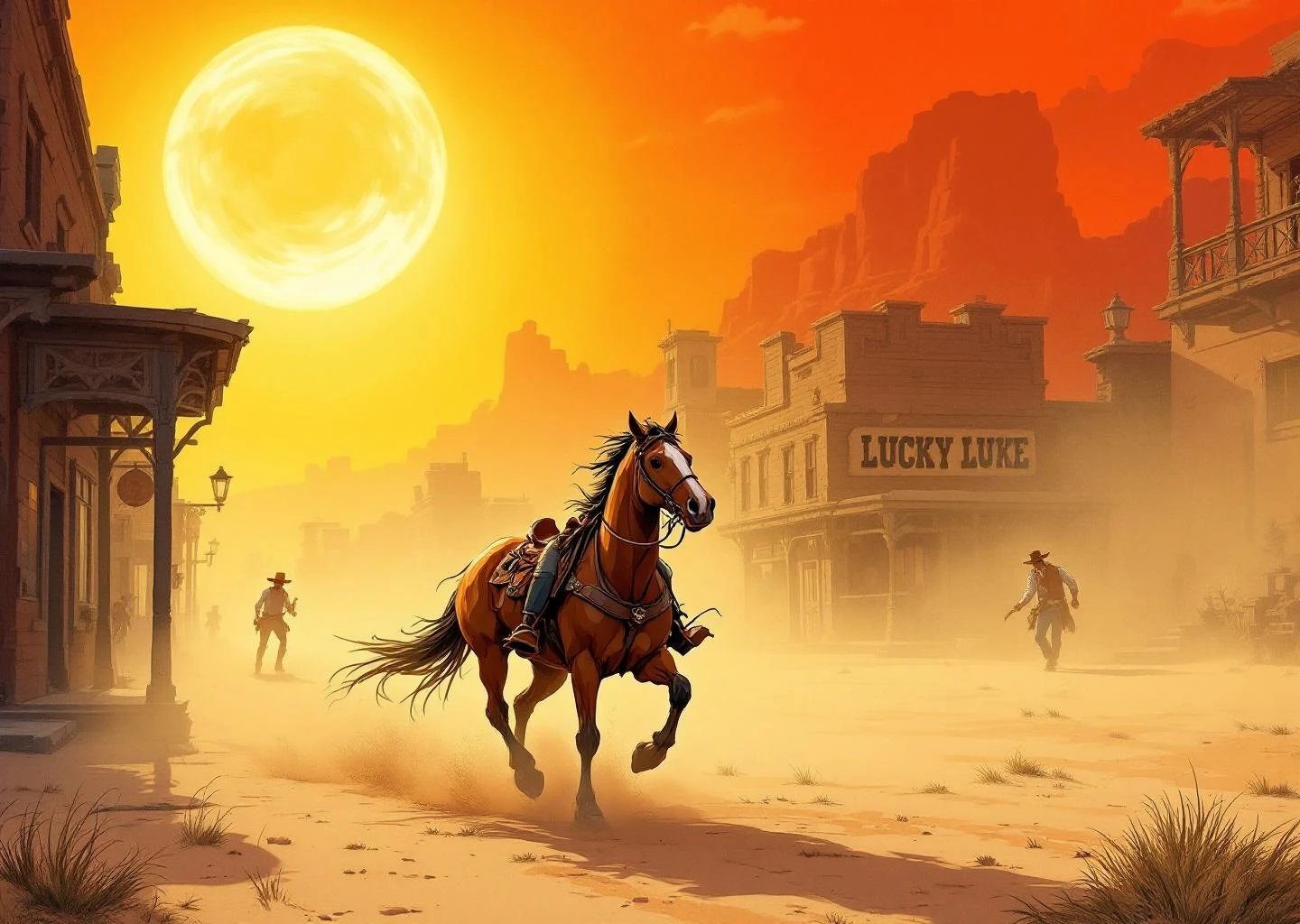
Lucky Luke style
Lucky Luke style art is a French-Belgian Western comic look: lanky cowboy heroes, comic horse chases, saloon towns under big skies, all drawn in clean ink with flat color. Great for adventure scenes and humor set in the Old West.
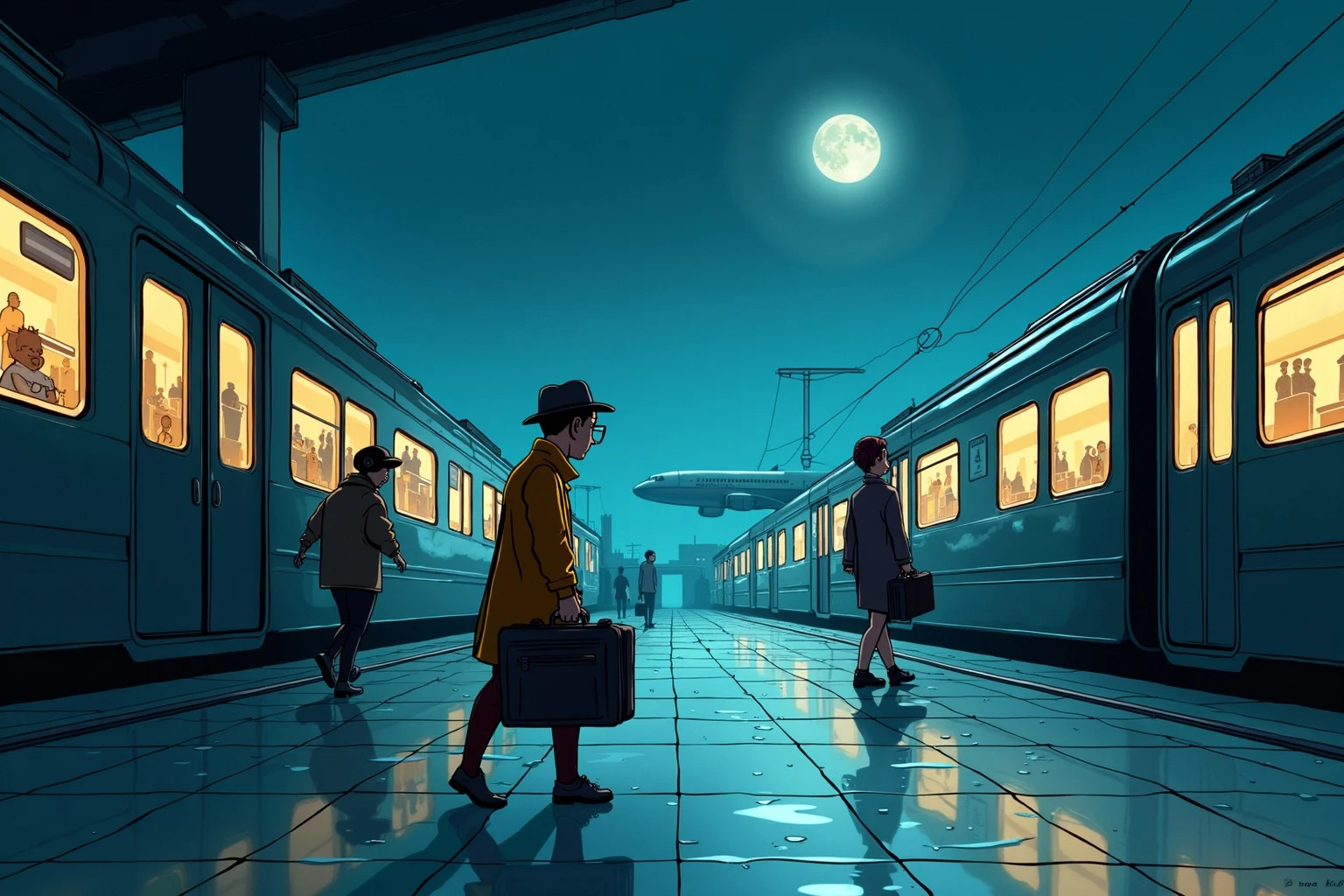
Tintin style
Tintin style art uses the famous "ligne claire" approach: clean even lines, bright flat color, careful perspective, and almost no shadow. It is the look of classic European adventure comics, set in vintage cities, deserts, jungles, and mountains.
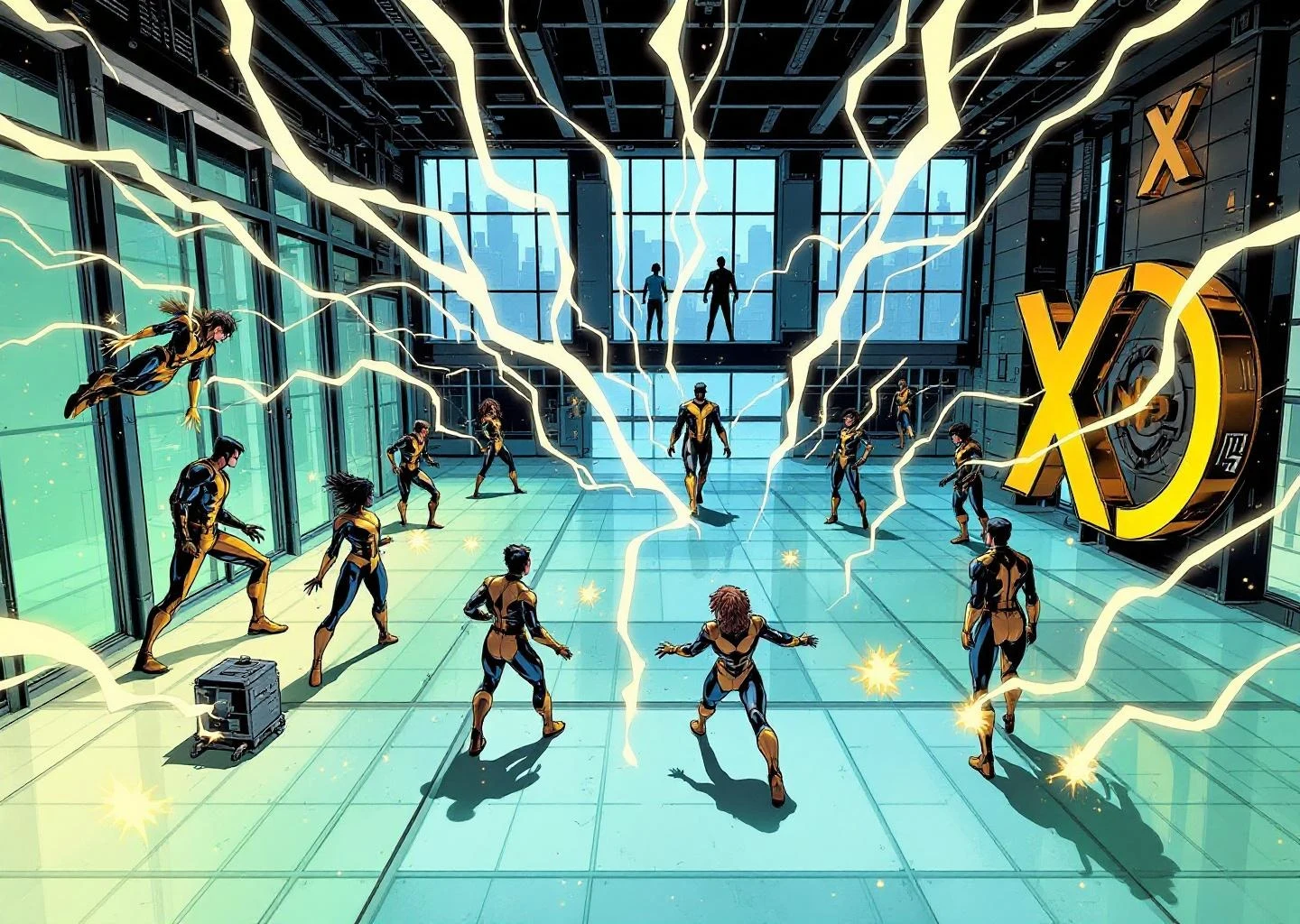
X-Men style
X-Men style art captures the Marvel mutant-team look: original heroes posed together in glass-walled training rooms, energy effects spilling around them, navy-and-gold uniforms with abstract chest emblems, and thick American comic ink. Great for academy rosters, team-up splash pages, and rooftop missions.
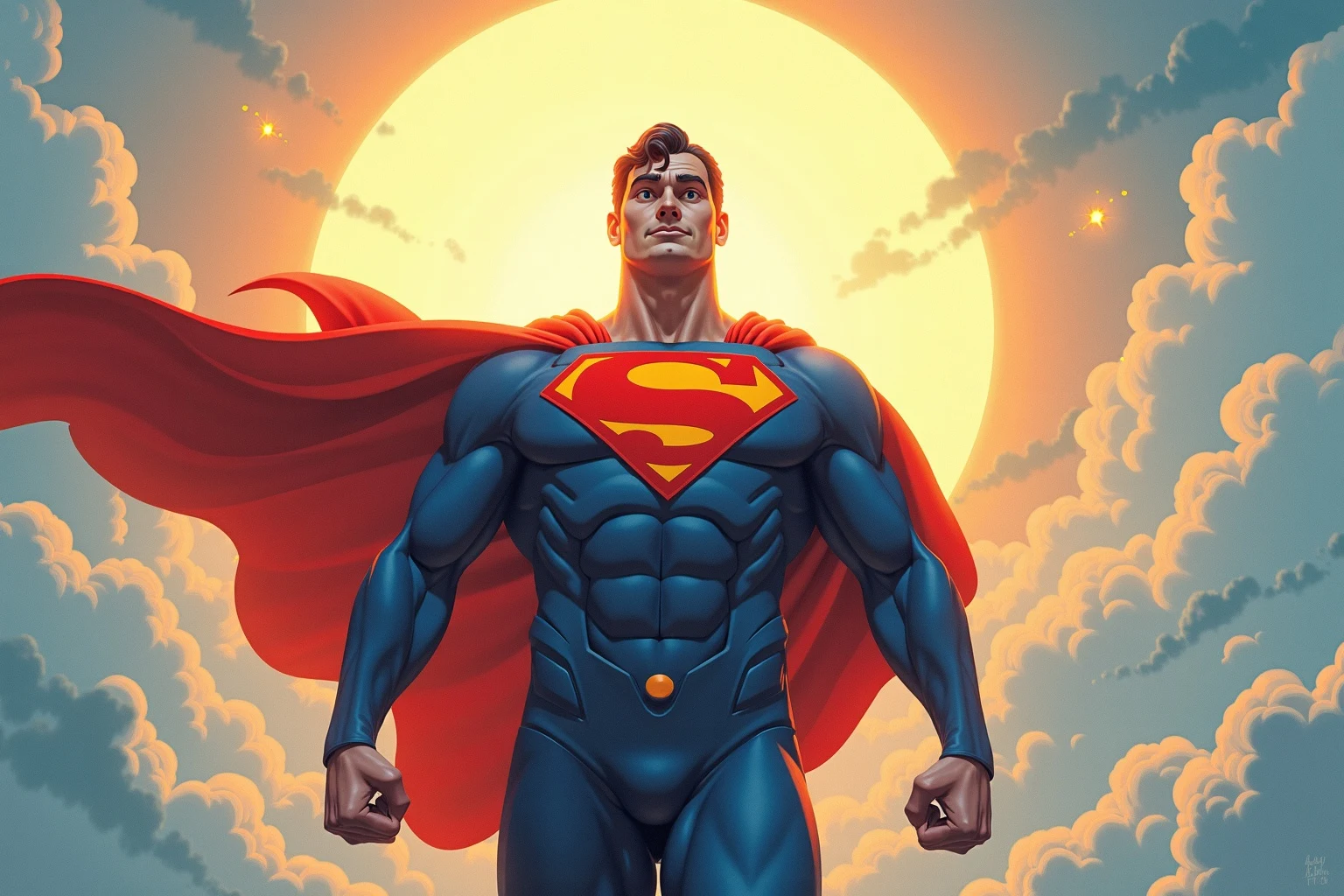
Superman style
Superman style art is the classic flying-hero look: an original guardian soaring above layered clouds, a sun-lit cape shaped like sculpture, primary-color suit panels, and an art-deco Metropolis skyline below. Great for hero portraits, mid-air rescue scenes, and newsroom dual-identity panels.
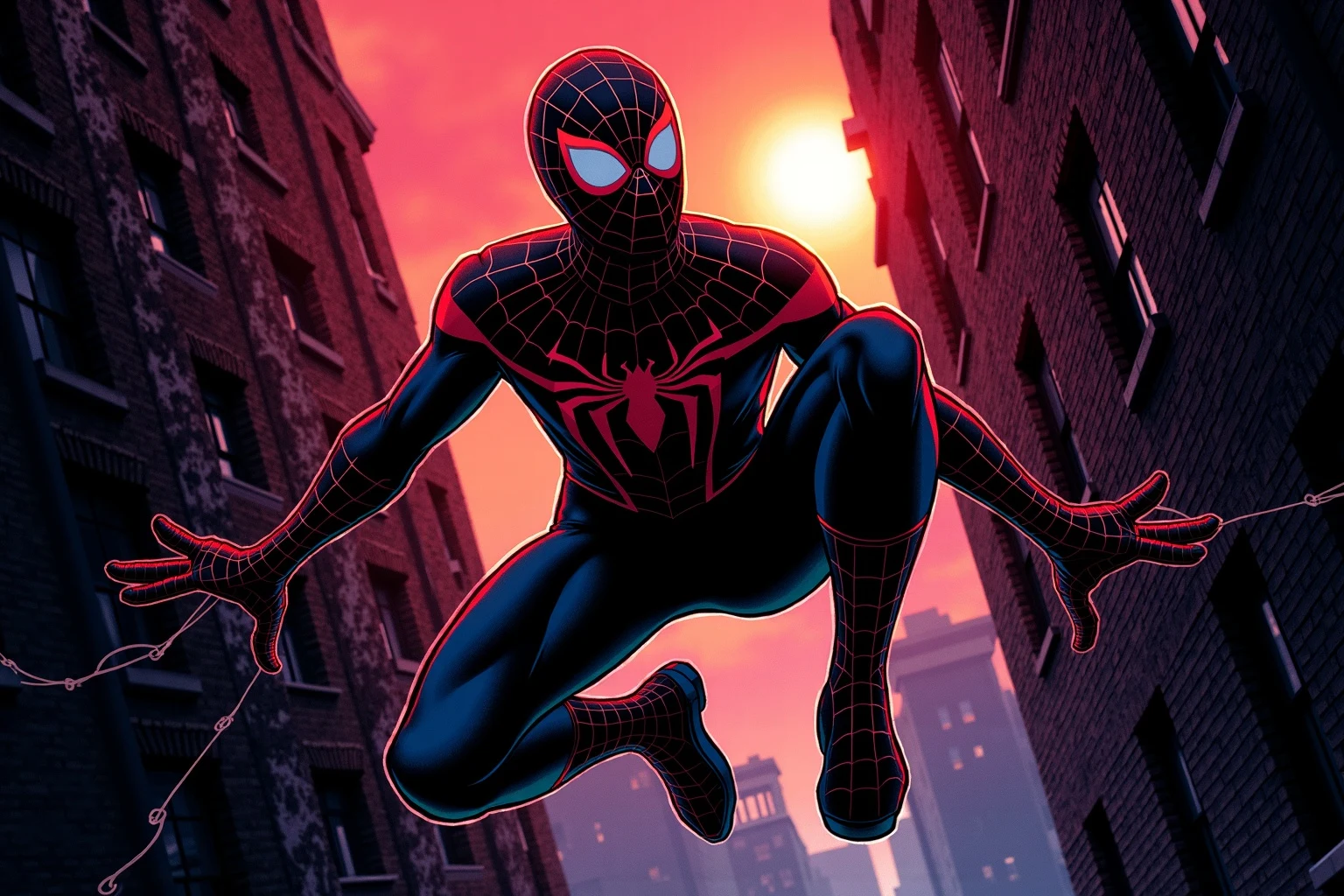
Spider-Man style
Spider-Man style art is the classic Marvel city-hero look: a wall-crawling original hero swinging between rooftops, narrow brick alley canyons with fire escapes and water towers, split red-and-blue suit panels, and acrobatic twisted poses. Great for street-level urban superhero stories and dramatic night scenes.
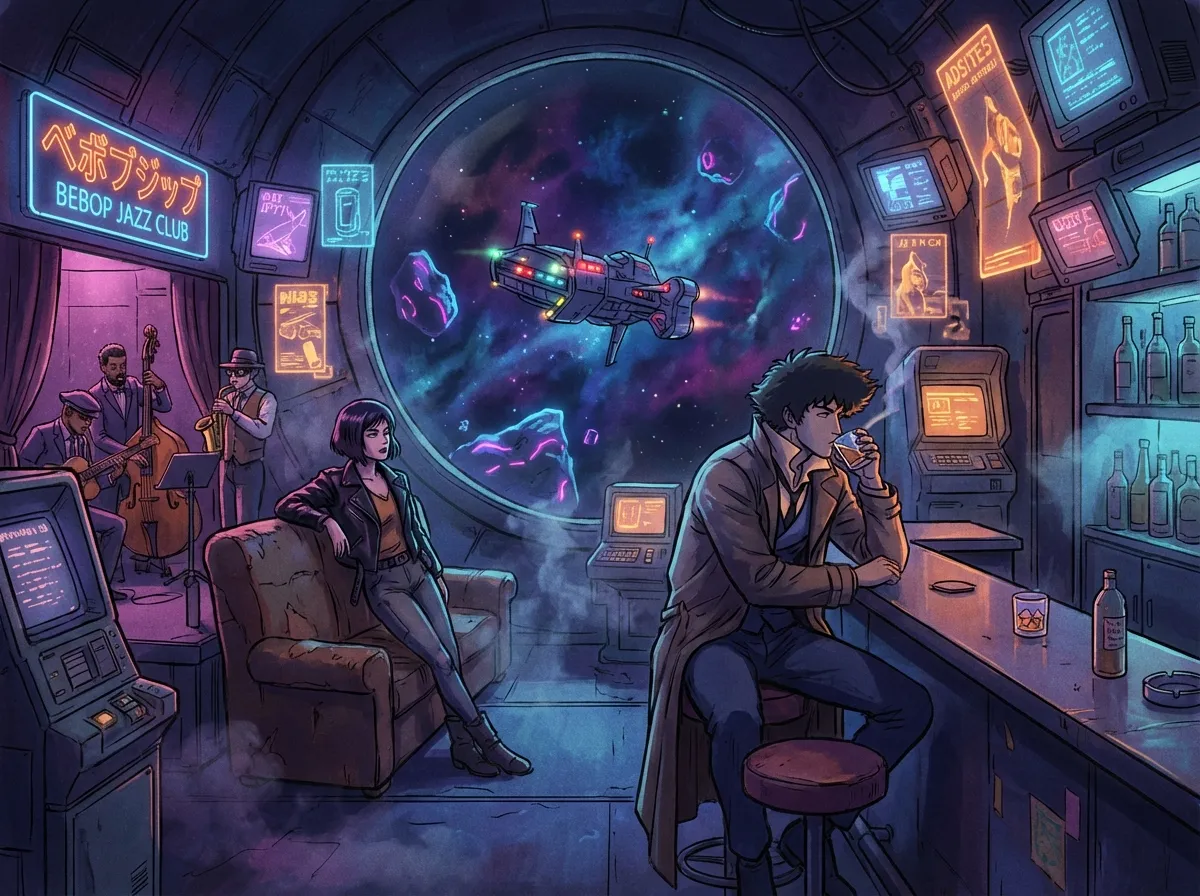
Cowboy Bebop style
Cowboy Bebop style is a sophisticated mix of film-noir lighting, retro-futuristic spacecraft, and jazz-bar atmosphere. Use it for space-western bounty hunters, lived-in star ports, and the cool, understated mood that defined Watanabe's series.
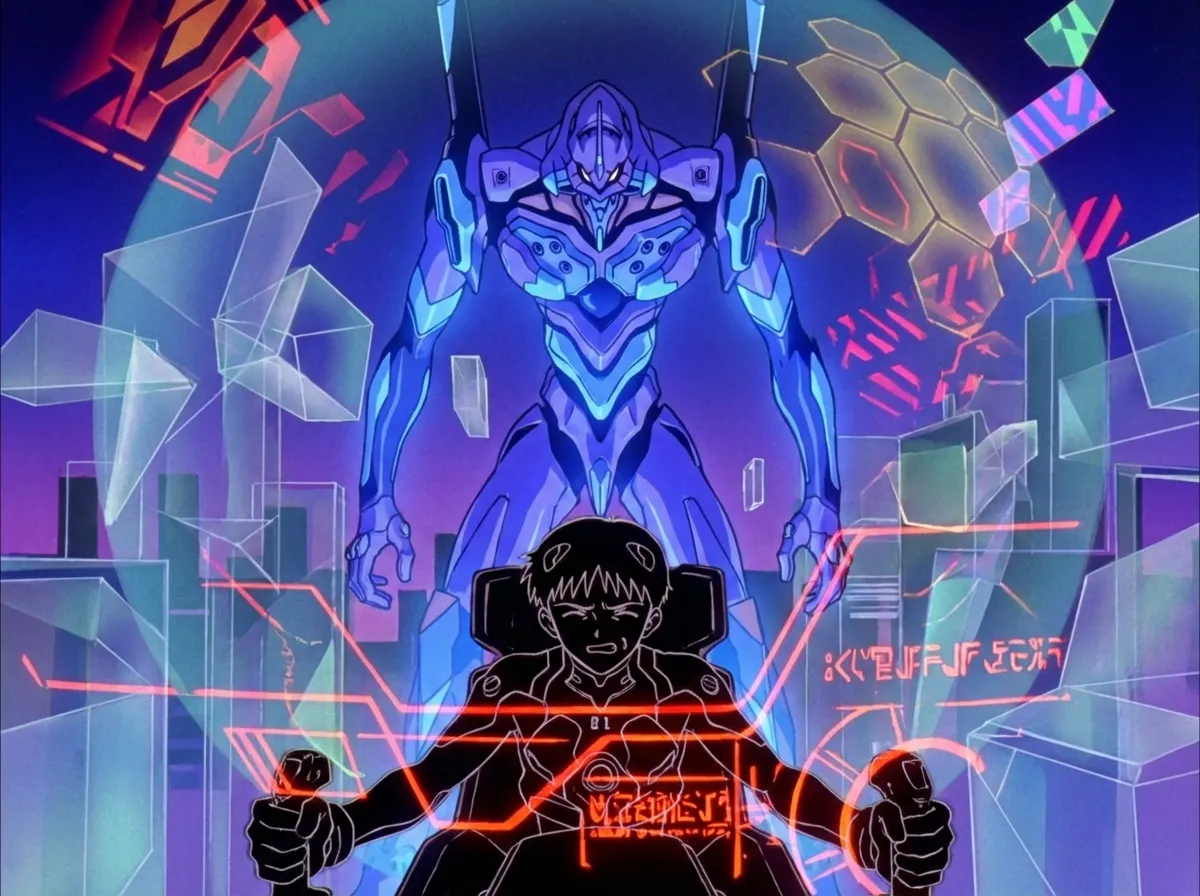
Neon Genesis Evangelion style
Evangelion style combines biomechanical EVA design, hexagonal AT-field effects, and the surreal religious imagery of Hideaki Anno's series. Use it for mecha key art, character pieces of pilots in plug suits, and the heavy, anxious mood that defines the franchise.
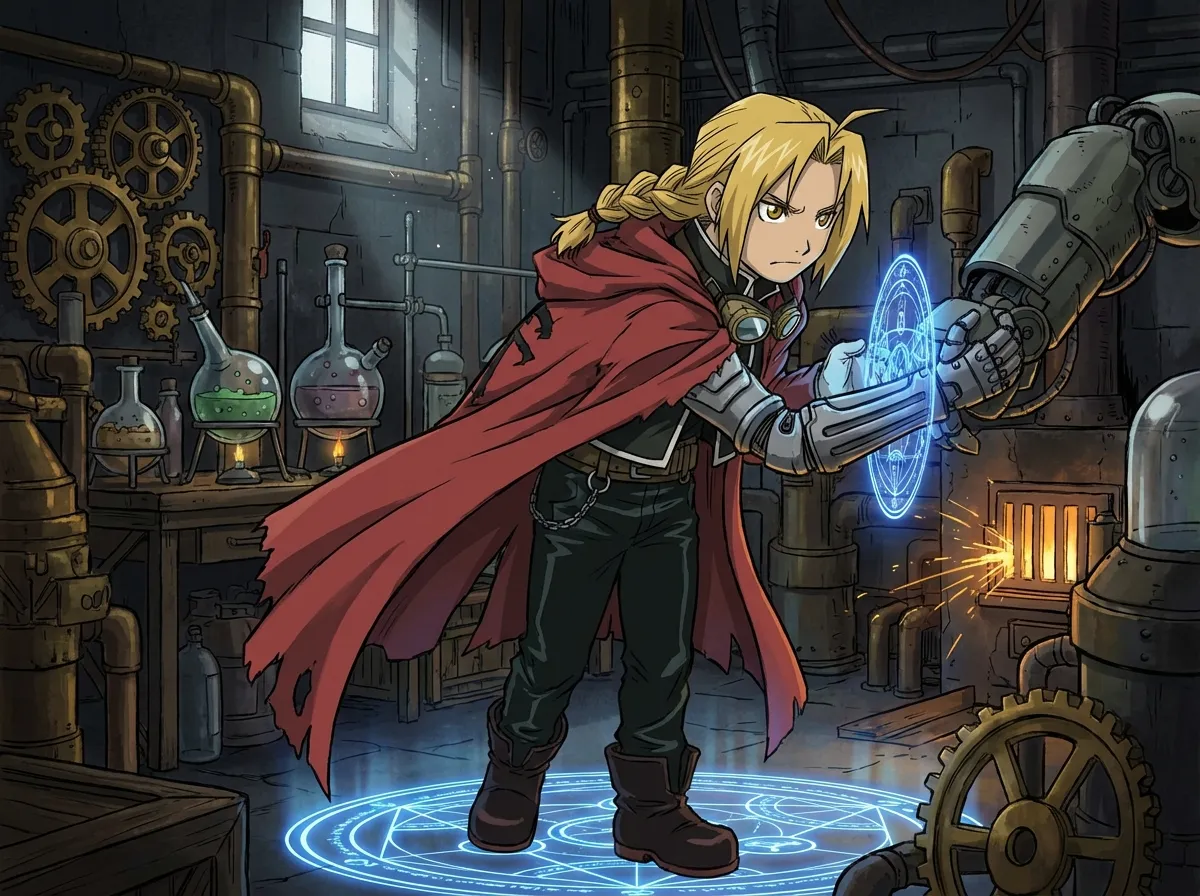
Fullmetal Alchemist style
The Fullmetal Alchemist style blends military uniform design with industrial steampunk environments and the geometric language of alchemy. Expect sharp outlines, brass and gunmetal palettes, and characters whose silhouettes carry the weight of automail and Amestrian-coat detailing.
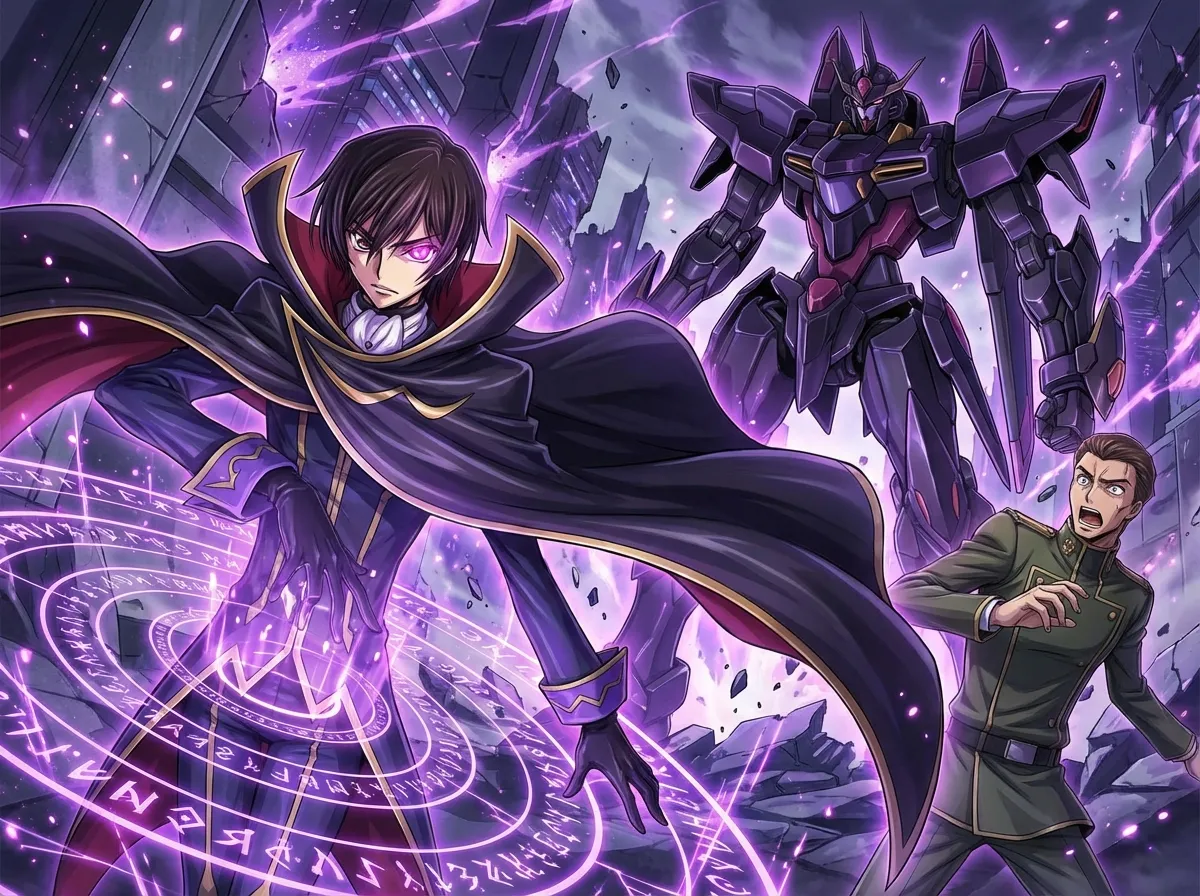
Code Geass style
The Code Geass style pairs slender CLAMP-influenced character designs with hard-edged Britannian uniforms, gothic-modern architecture, and Knightmare Frame mecha silhouettes. Geass eye effects (red sigil over violet iris) and high-contrast purple-and-gold accents anchor a dramatic, conspiratorial mood.
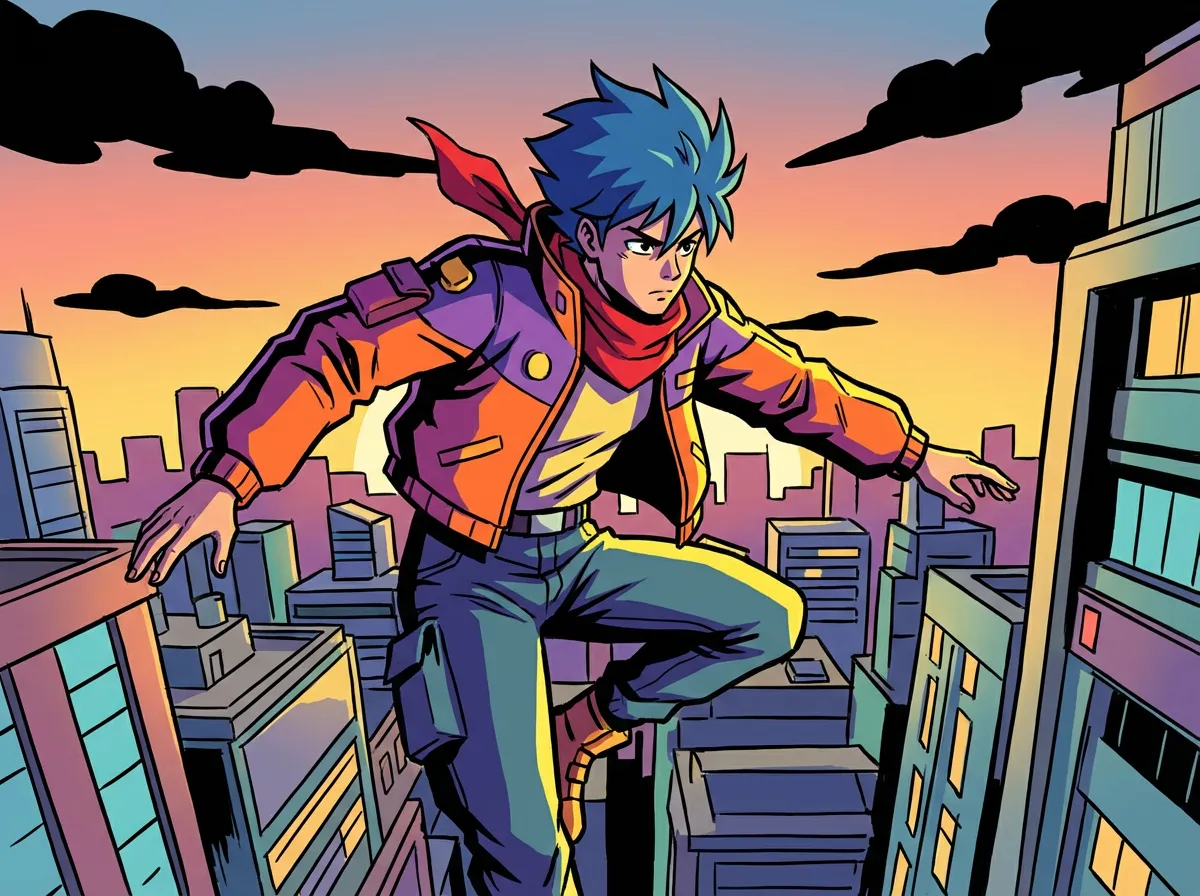
Cel-shading anime style
Cel-shading is a non-photorealistic look that turns 3D-rendered subjects into flat-colored, hand-drawn anime cels. Expect crisp ink contours, two-tone shadow blocks, and saturated color fields with very little gradient, the same approach used in anime opening sequences and modern game cutscenes.
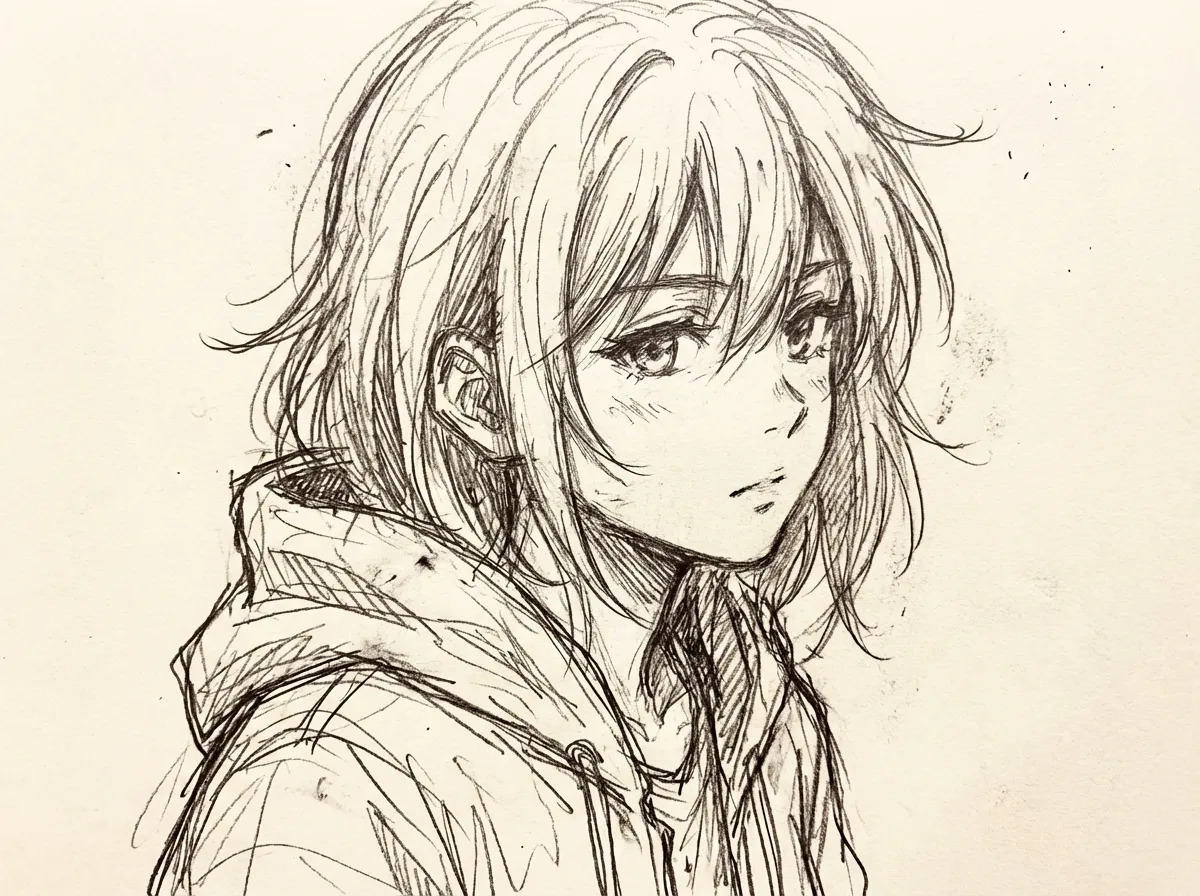
Sketch anime style
The sketch anime style keeps the working drawing visible: pencil construction lines, ink hatching for shadow, and the soft graphite tooth of a real sketchbook page. It is the look used for character design sheets, storyboard panels, and life-drawing studies, before any clean lineart pass.
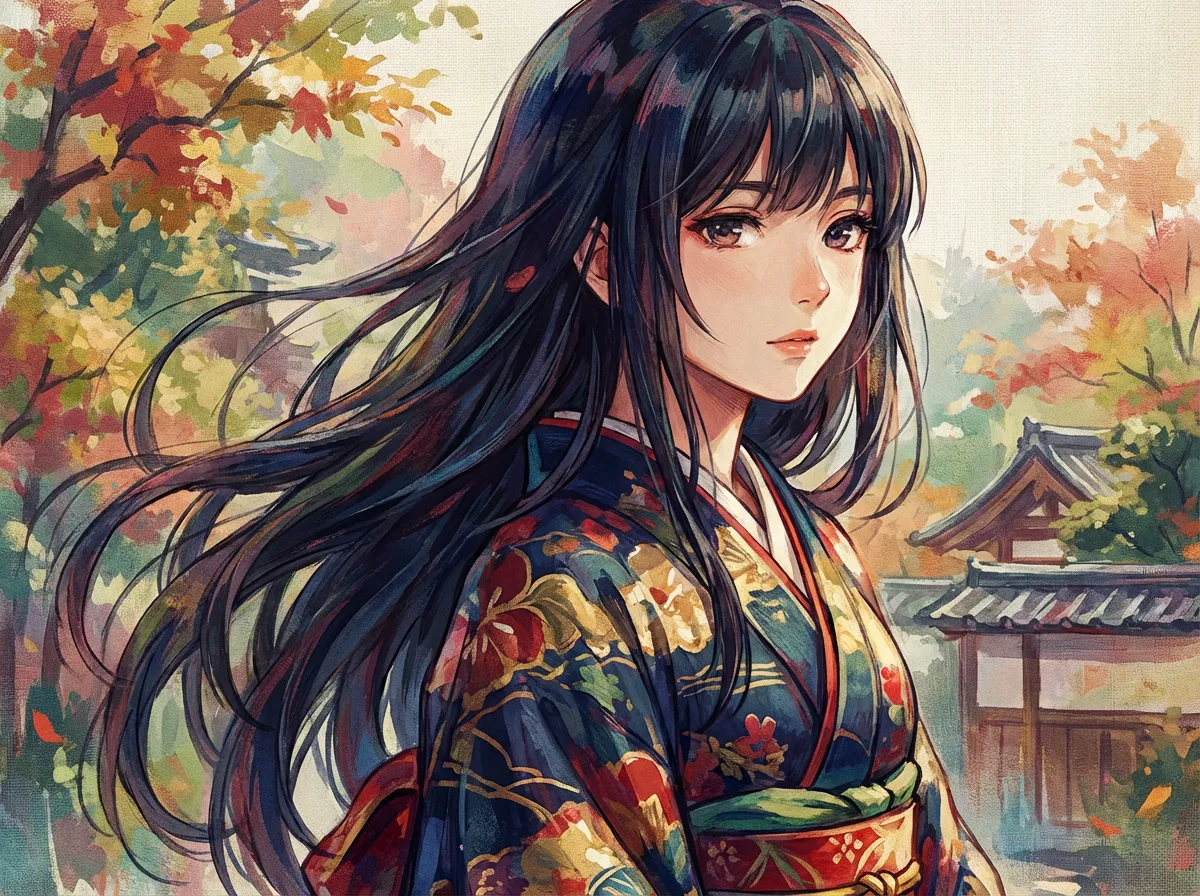
Digital painting anime style
Digital painting anime style captures the look of an artist working in Procreate or Clip Studio Paint, with visible brush texture, layered color glazes, and a warm rim light that gives characters real volume. It suits pinups, splash art, and book covers.
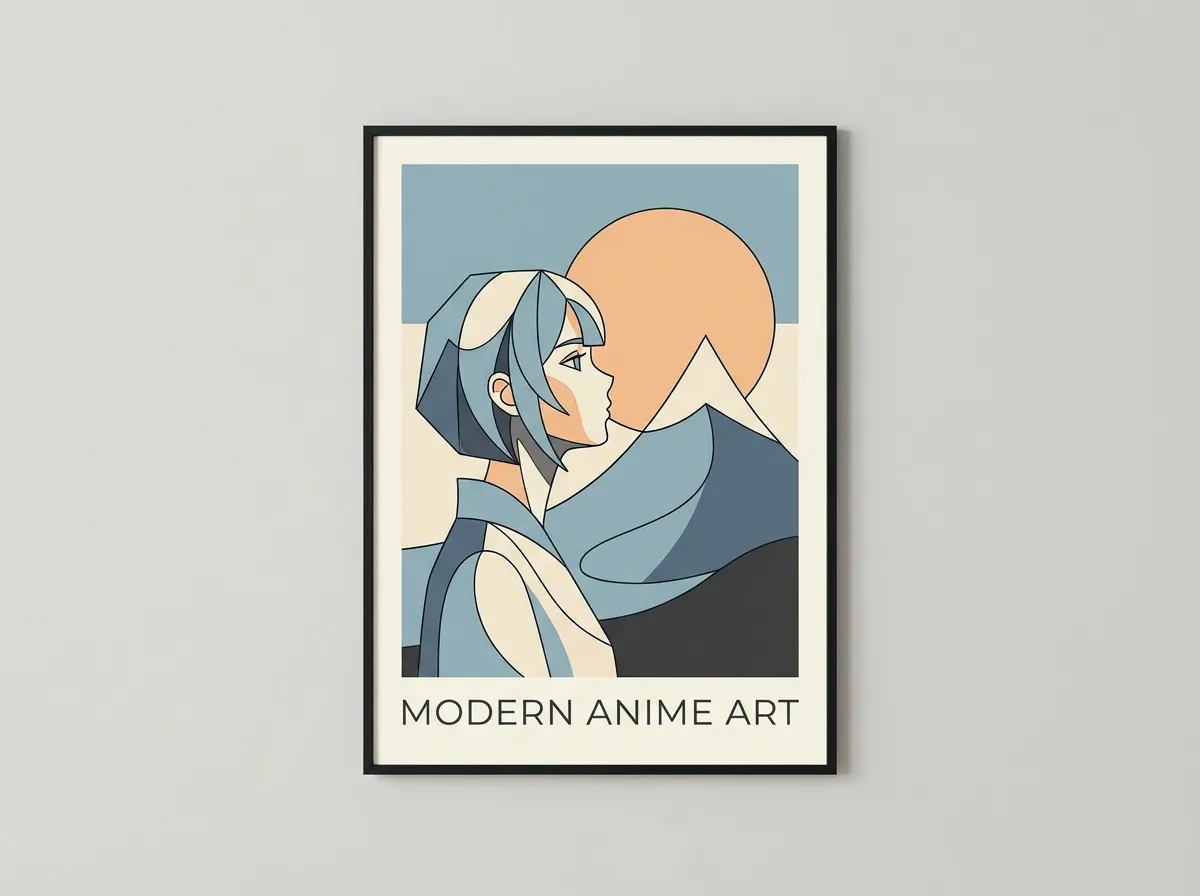
Minimalist anime style
Minimalist anime style strips a character down to a single-line contour, two or three flat color blocks, and a single negative-space focal point. It is the look modern brand mascots, UI illustrations, and editorial spot art borrow when they want a face that reads at any size.
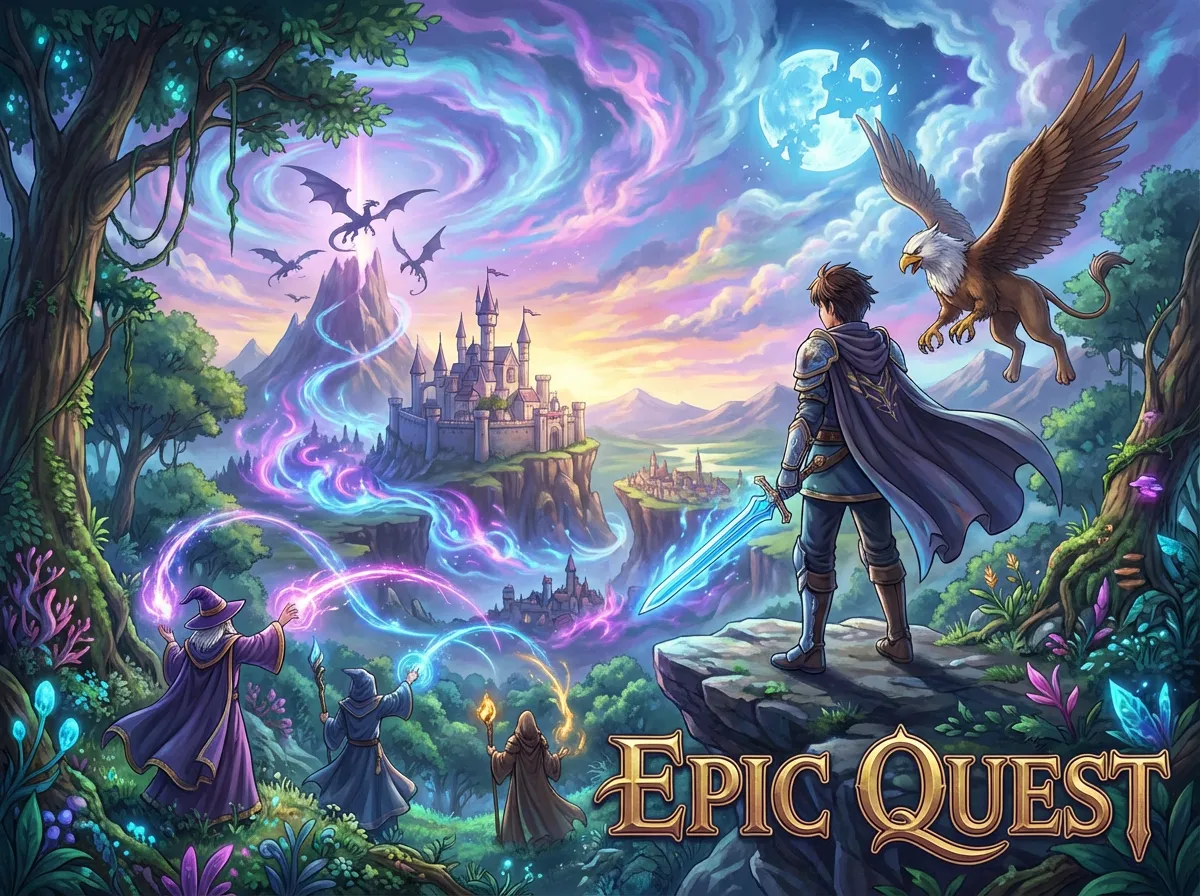
Fantasy anime style
Fantasy anime style covers high-fantasy worlds: elven silhouettes, torchlit dungeon palettes, dragon scale highlights, and crumbling spire architecture above forest canopies. Use it for isekai key visuals, RPG character sheets, party-portrait covers, and quest scene art that reads cinematic and grounded.
Sci-fi anime style
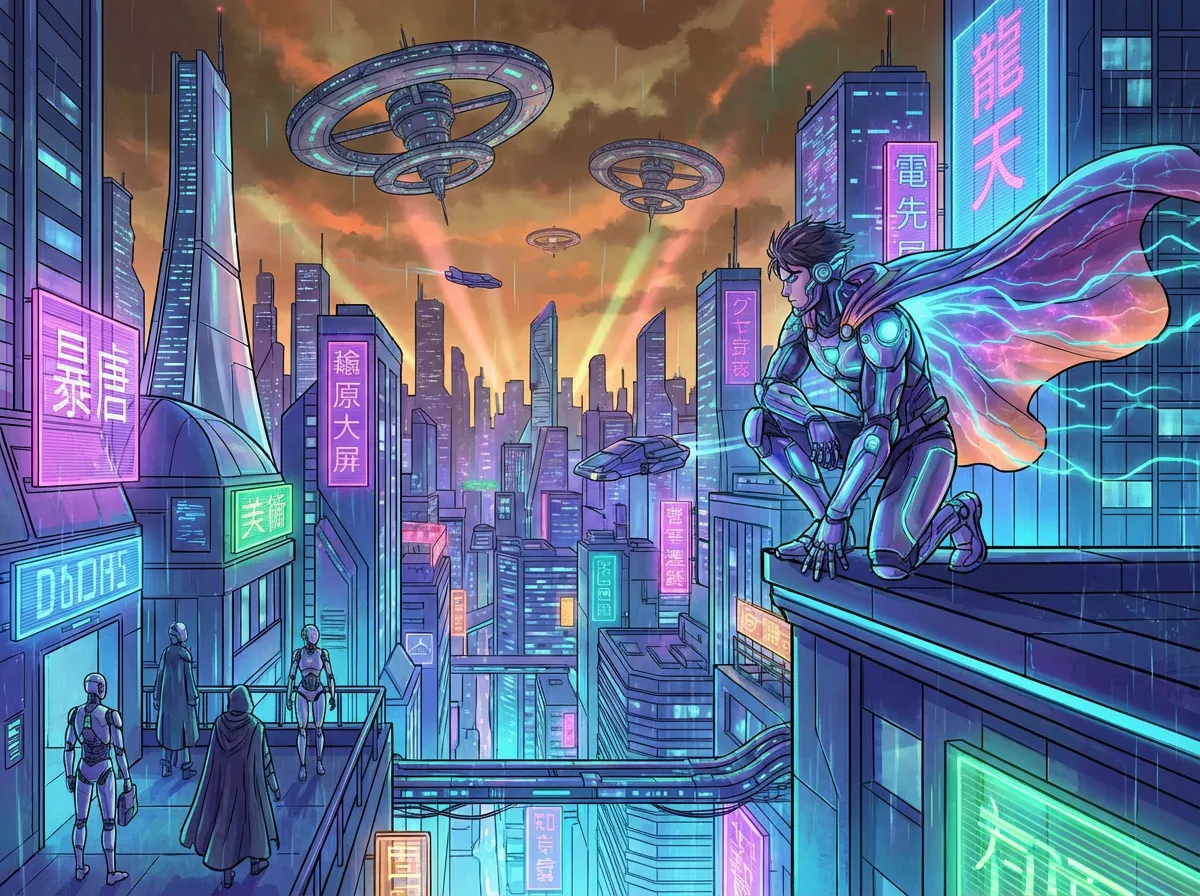
Sci-fi anime style covers near-future and far-future worlds: panel-line mecha detail, anamorphic lens flares across rain-slick streets, neon HUD overlays on cockpit glass, and metallic rim light along android joints. Use it for cyberpunk page art, mecha cover keys, dystopian short-film mood boards, and hard-SF book covers.
Mystery anime style
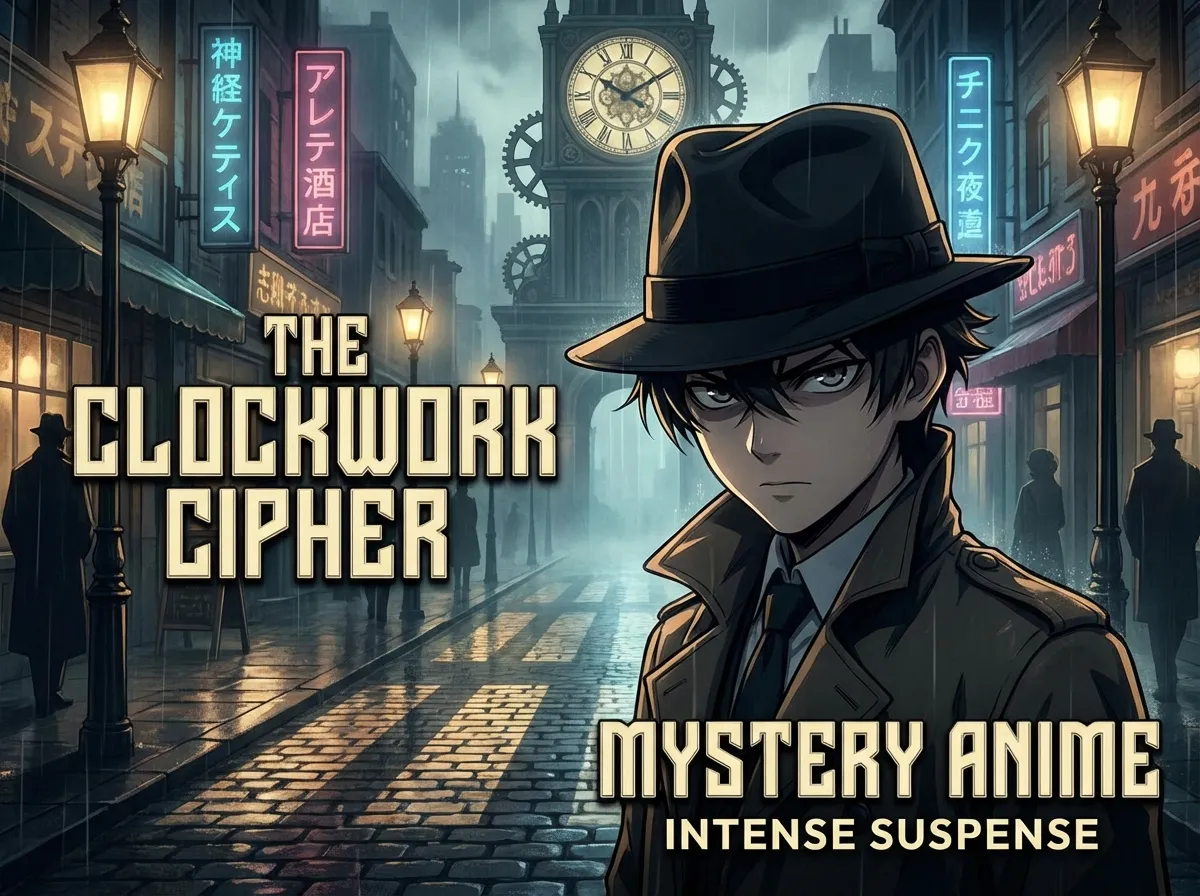
Mystery anime style is built on noir detail: a single bulb over an interrogation table, rain on a windowpane, fingerprint dust under a magnifier, and a silhouette behind venetian blinds. The look reads cool, sharp, and quietly tense before any dialogue.
Psychological anime style
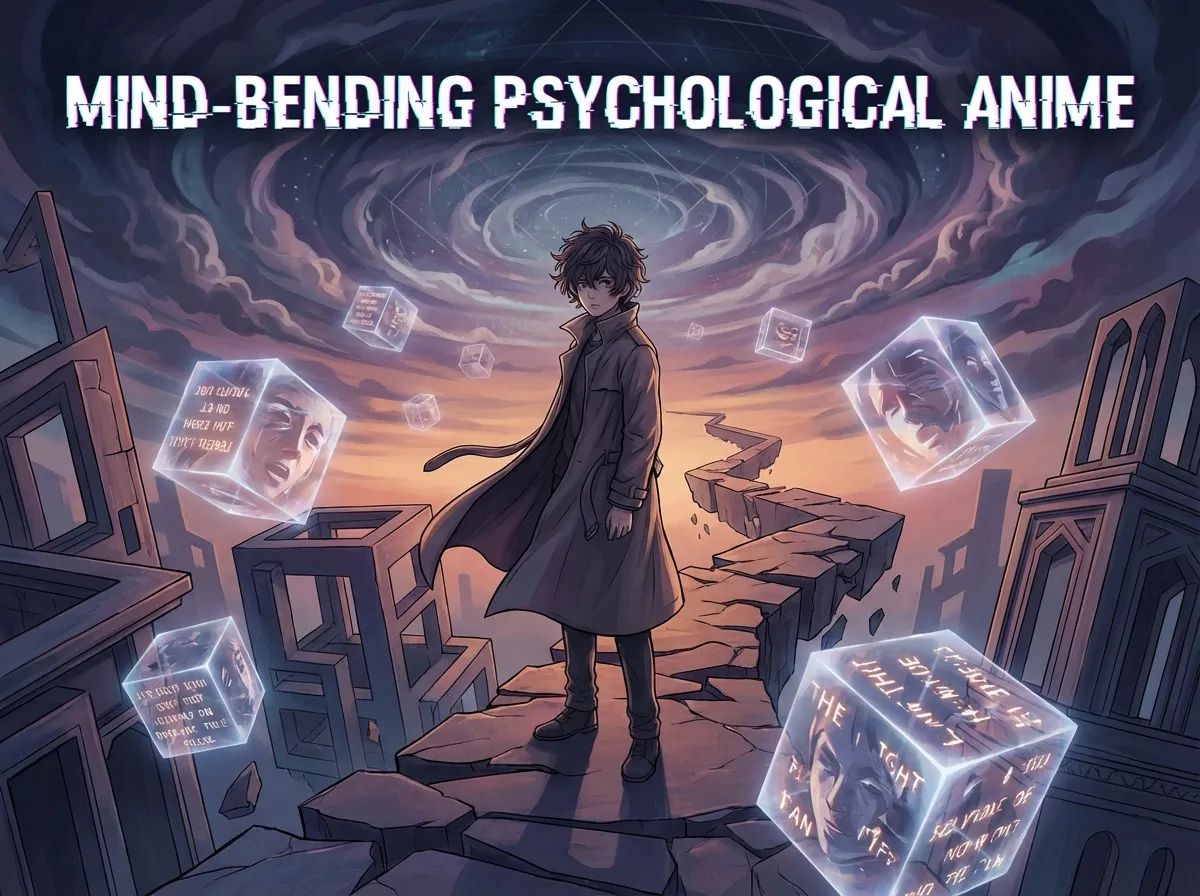
Psychological anime style uses image, not exposition, to show what is going on inside a character. Fragmented mirrors, asymmetric framing, off-color palettes that read uneasy, and double-exposure faces are the core grammar. The look feels arthouse, slightly off, and intentionally hard to settle into.
Romance anime style
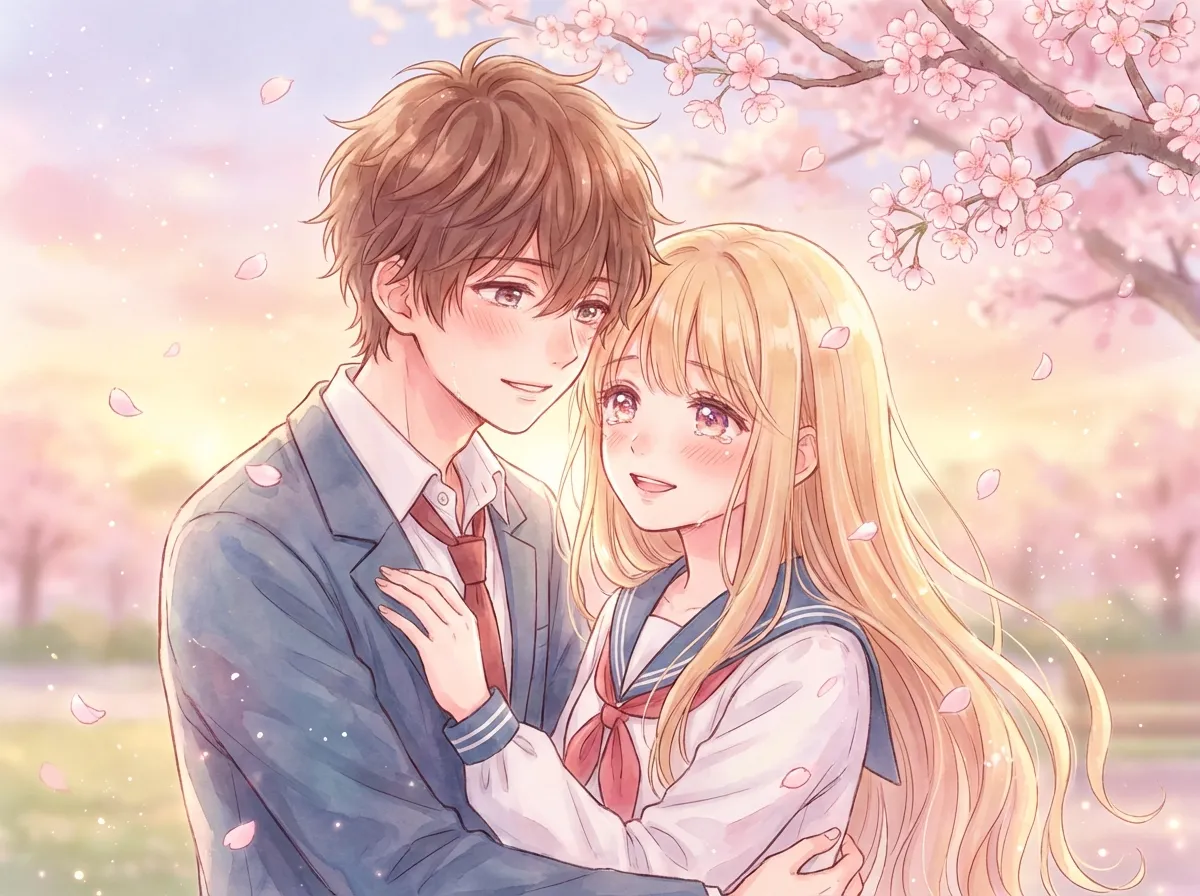
A soft, intimate look built on close two-shots, pastel rim light, and sakura bokeh. Best for shoujo manga, visual novels, confession scenes, and couple key visuals.
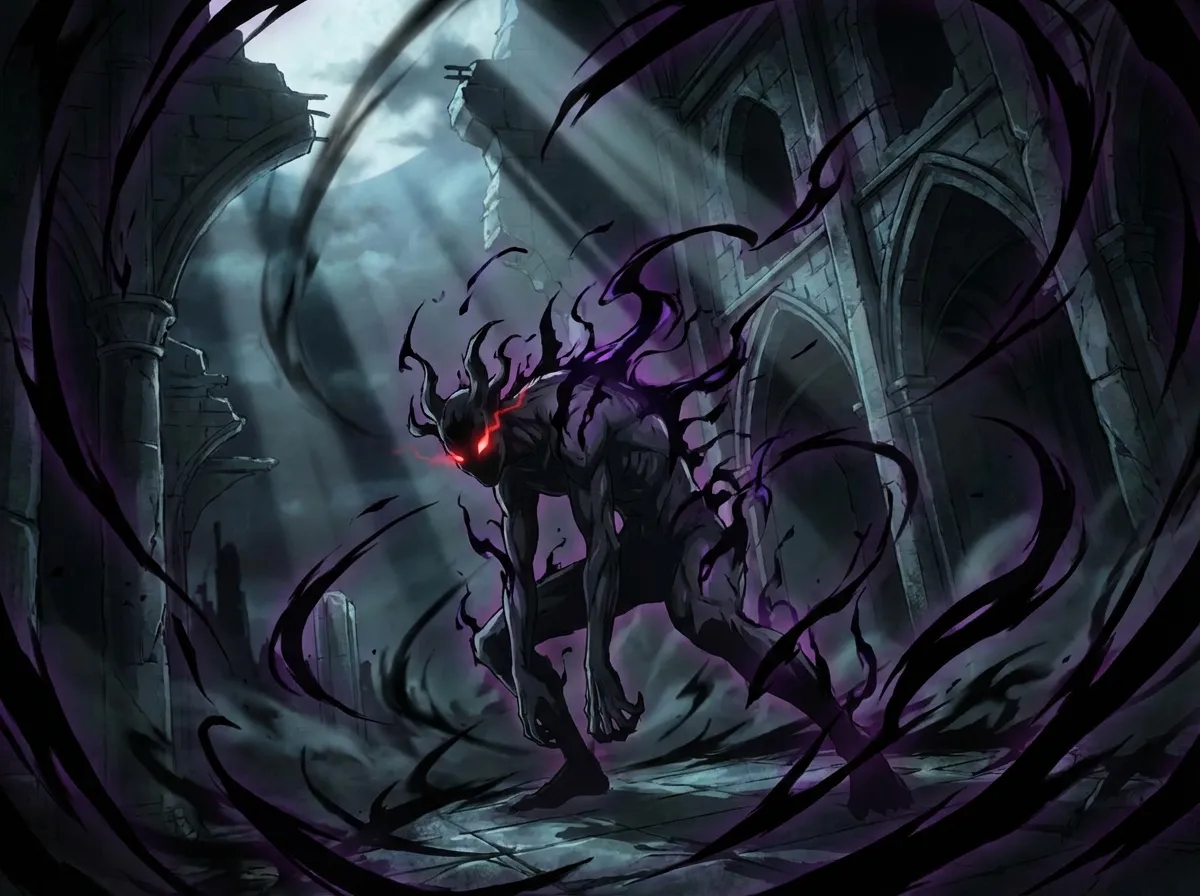
Horror anime style
A dark, ink-heavy aesthetic built on high-contrast hatching, blood-red and sickly green accents, and silhouettes that hide more than they show. Best for horror manga covers, cursed-spirit designs, and quiet supernatural dread.
Found your favorite style?
Start creating now with 100 free credits. No credit card required!