Generate seinen realistic manga art with AI
Kentaro Miura crosshatch, European medieval anatomical accuracy, ink-wash skin tone, and somber dark-fantasy atmosphere for original warriors, samurai, and Viking key art.
Franchise, studio, and character references describe style or mood only, not a license, sponsorship, endorsement, or affiliation. You are responsible for your prompts and outputs. As-is, no warranty of non-infringement (not legal advice). For DMCA, copyright, or trademark issues, use our Contact page.
Generate a Seinen realistic scene
Type a scene below and press Generate.
About Seinen realistic style
Seinen realistic style is a heavily rendered adult-manga look defined by Kentaro Miura crosshatch, European medieval anatomical accuracy, Takehiko Inoue ink-wash skin tone, and somber dark-fantasy atmosphere. It suits original warriors, samurai duels, Viking ship key art, and gekiga character portraits.
Seinen realistic style is the heavily rendered tradition of adult manga, anchored by three landmark titles: Kentaro Miura's Berserk (1989 to 2021), Takehiko Inoue's Vagabond (1998 to 2014), and Makoto Yukimura's Vinland Saga (2005 to today). It is the opposite end of the spectrum from chibi or magical-girl: anatomy is accurate, faces are aged with weight and history, and the page is dense with hatching rather than light with white space. Each of the three landmark works contributes a piece of the shared vocabulary. Berserk supplies the European medieval armor accuracy, the cathedral-and-mountain backdrops, and the famous tight crosshatch (crossed parallel lines stacked at 30 to 60 degrees, building up tonal gradient on plate armor, fur cloak, demonic flesh). Vagabond supplies the ink-wash skin tone (sumi-e brush soaking sword-arm muscle in graded gray instead of clean cel shadow), the bare-line bamboo-grove and rain pages, and the meditative duel composition (one swordsman foregrounded, one backgrounded, weather between them). Vinland Saga supplies the cold-color Viking palette (pale grays, sea blues, blood reds), historical clothing accuracy (woolen tunics, leather wraps, kepi-style helmets), and seafaring weather atmosphere (storms, fog, snow on deck).
Figure work shares a clear set of rules. Faces are drawn at adult proportions with the aged-character vocabulary (creased forehead, shadowed eye sockets, weathered cheeks, broken nose, missing teeth, scarred mouth) and a heavier brow than typical anime. Bodies are 7 to 8 heads, broad-shouldered, with carefully rendered musculature instead of generalized cel shapes; for samurai work specifically, the inside-of-arm tendons and shoulder cap are drawn in detail. Costuming favors materials with weight (chainmail rings drawn one by one in detail panels, oiled leather with stitch shadow, woolen cloak with frayed hem). Atmosphere is the third pillar: smoke, fog, rain, snow, ash, and motes of dust are present in almost every panel, layered with hatching and blank-space negative areas to create the somber gekiga mood.
To prompt for the seinen realistic style on Anifusion, lead with 'seinen realistic manga style', 'kentaro miura crosshatch dark fantasy', 'takehiko inoue ink-wash samurai manga', or 'makoto yukimura vinland viking manga style', then specify the cultural setting and one signature mechanic. Berserk: 'European medieval anatomical accuracy, plate armor with battle-scarred fur cloak, tight crosshatch tonal rendering, cathedral-and-mountain backdrop, demonic enemy silhouette in shadow'. Vagabond: 'ink-wash skin tone with sumi-e graded gray, bare-line bamboo grove background, meditative duel composition with one swordsman foregrounded and one backgrounded, rain or wind between them'. Vinland: 'cold Viking palette pale gray sea blue and blood red, woolen tunic and leather wrap historical accuracy, seafaring weather atmosphere with storm or snow on deck'. Add 'aged-character vocabulary, creased forehead, scarred mouth, weathered cheeks', 'gekiga somber atmosphere with smoke and ash motes', and 'no anime cel two-tone shading, hatching-built tonal gradient' to lock the look. The seinen realistic style generator works for original warriors, samurai duels, Viking ship key art, and adult manga character portraits, not licensed cast.
Try Seinen realistic style generation
Try the look on your own prompt. Start from one of the examples below.
Example prompts
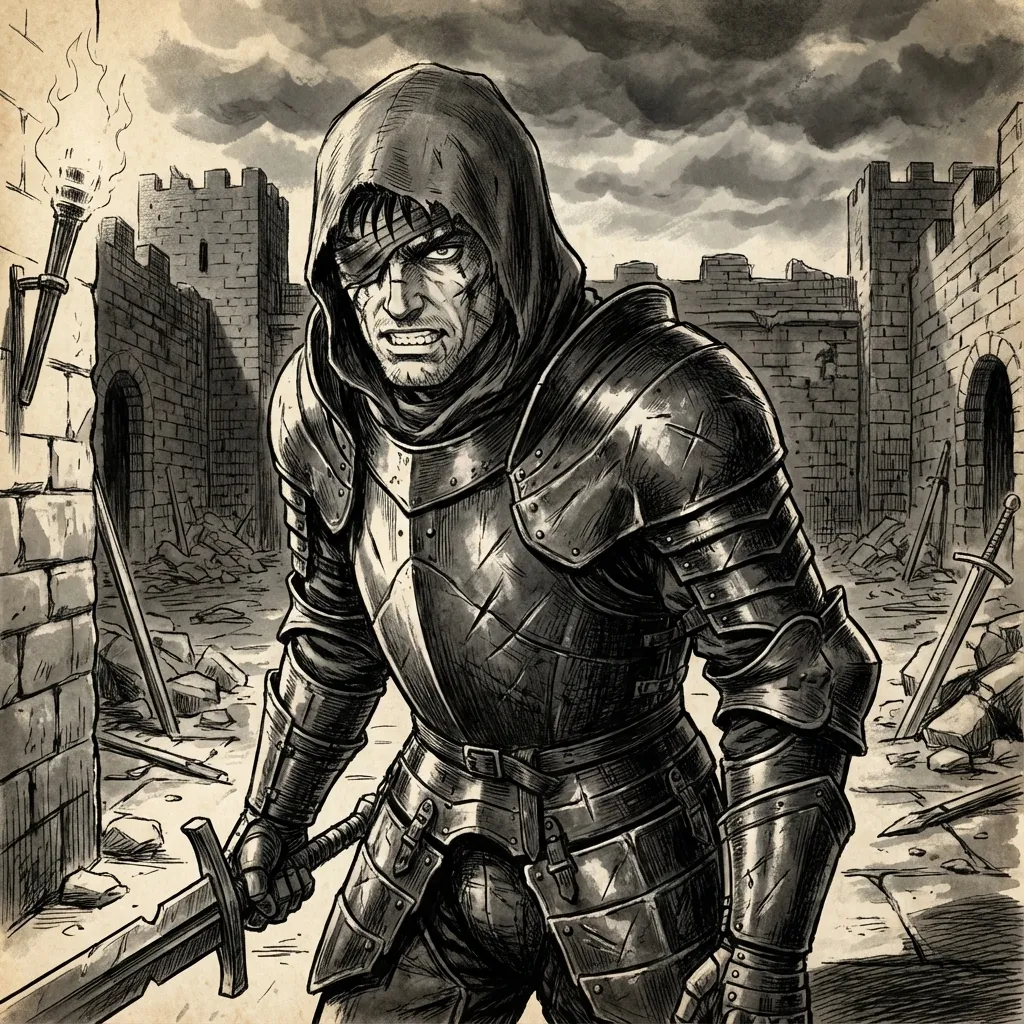
"Seinen realistic style, seinen realistic manga style, kentaro miura crosshatch dark fantasy, original battle-scarred warrior in historically accurate plate armor with battle-scarred fur cloak standing on a cathedral-and-mountain ridge, demonic enemy silhouette in shadow behind him, tight crosshatch tonal rendering on the armor, aged-character vocabulary, gekiga somber atmosphere with ash motes"
Try this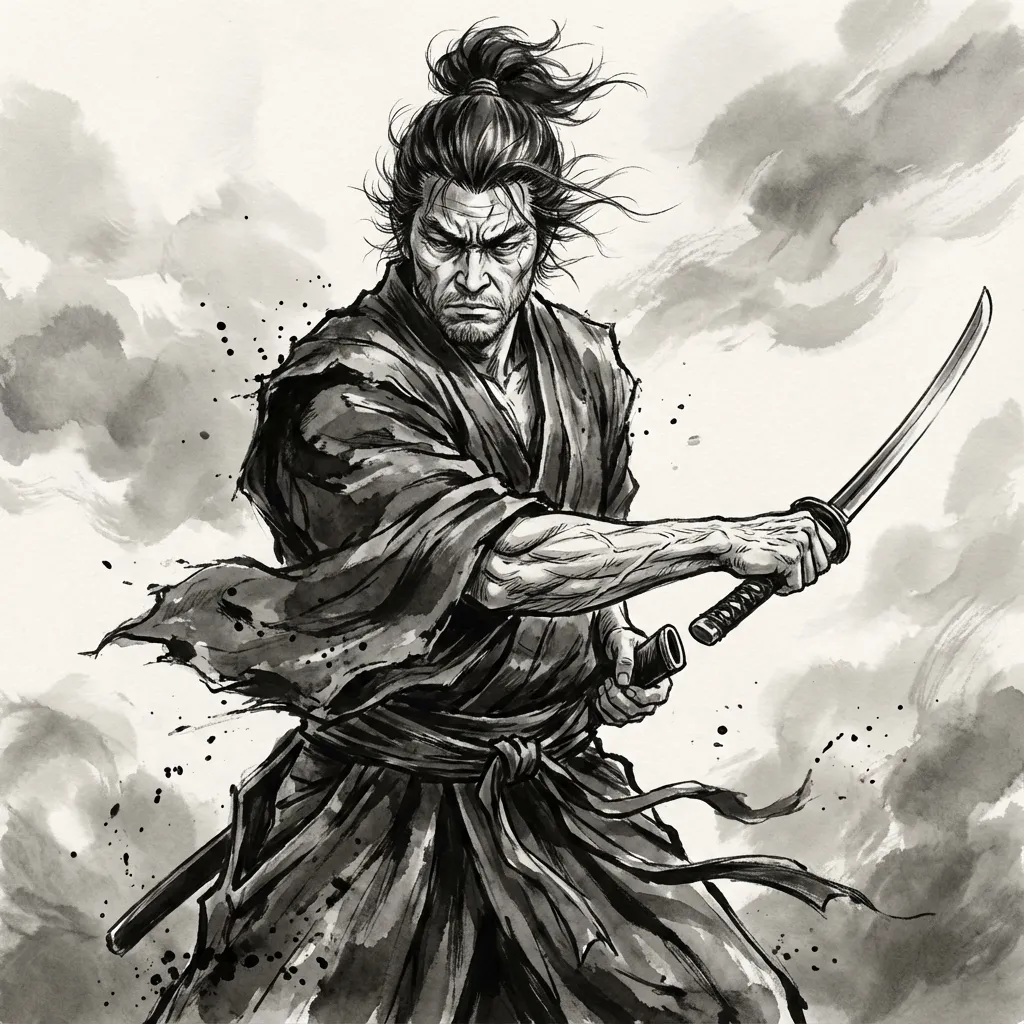
"Seinen realistic style, takehiko inoue ink-wash samurai manga, original ronin in worn kimono drawing a katana, ink-wash skin tone with sumi-e graded gray on the sword arm, bare-line bamboo grove background, meditative duel composition with a second swordsman small in the deep background, drifting rain between them, no cel two-tone shading"
Try this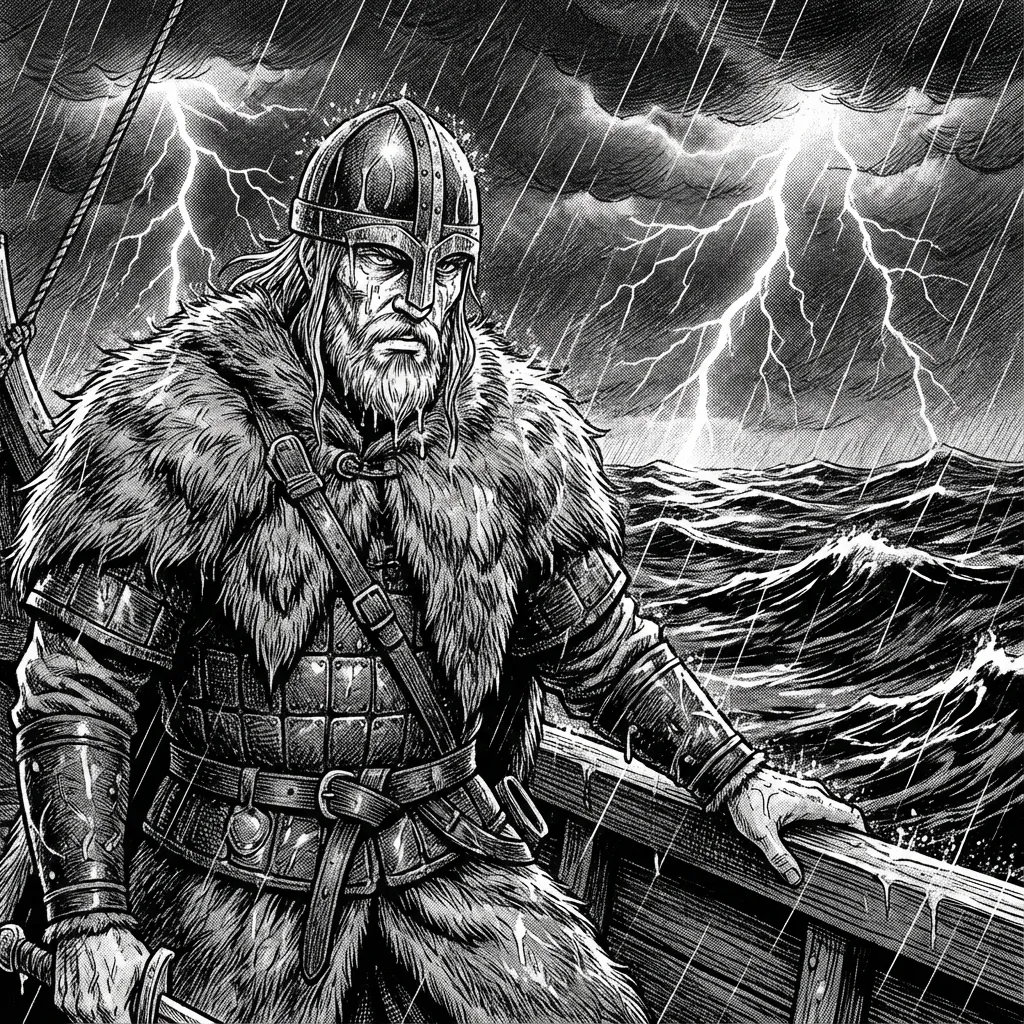
"Seinen realistic style, makoto yukimura vinland viking manga style, original viking warrior on a longship deck in a north sea storm, woolen tunic and leather wrap historical accuracy, kepi-style helmet, weathered face with broken nose and scarred mouth, cold Viking palette of pale gray sea and sea blue sky with a blood red sail accent, snow on the deck"
Try thisMake your own Seinen realistic style art
Type a prompt below, or tap a starter to begin.
Generate a Seinen realistic scene
Type a scene below and press Generate.
Why choose Anifusion?
Kentaro Miura crosshatch
Crossed parallel pen lines stacked at 30 to 60 degrees, building tonal gradient on plate armor, fur cloak, and demonic flesh, no cel shading.
Takehiko Inoue ink-wash skin
Sumi-e brush soaking sword-arm muscle in graded gray instead of clean cel shadow, plus bare-line bamboo grove or rain backgrounds, the Vagabond signature.
European medieval accuracy
Historically correct plate armor, chainmail drawn ring-by-ring, weighted broadsword and halberd, cathedral-and-mountain backdrop, the Berserk world stack.
Cold Viking palette
Pale gray sea, sea blue sky, and a single hot blood red accent, with woolen tunic and leather wrap historical clothing, the Vinland Saga look.
Aged-character vocabulary
Creased forehead, shadowed eye sockets, weathered cheeks, broken nose, scarred mouth, heavier brow than typical anime, faces drawn with weight and history.
Gekiga somber atmosphere
Smoke, fog, rain, snow, ash, and dust motes layered in almost every panel, hatching plus negative space building the heavy adult-manga mood.
Create in 3 easy steps
Write your prompt
Describe your vision for Seinen realistic style in plain language.
Refine settings
Tune the aspect ratio and style strength to your liking.
Generate and enjoy
Click generate and watch your masterpiece come to life in seconds.
Related styles
Discover more artistic directions you might love
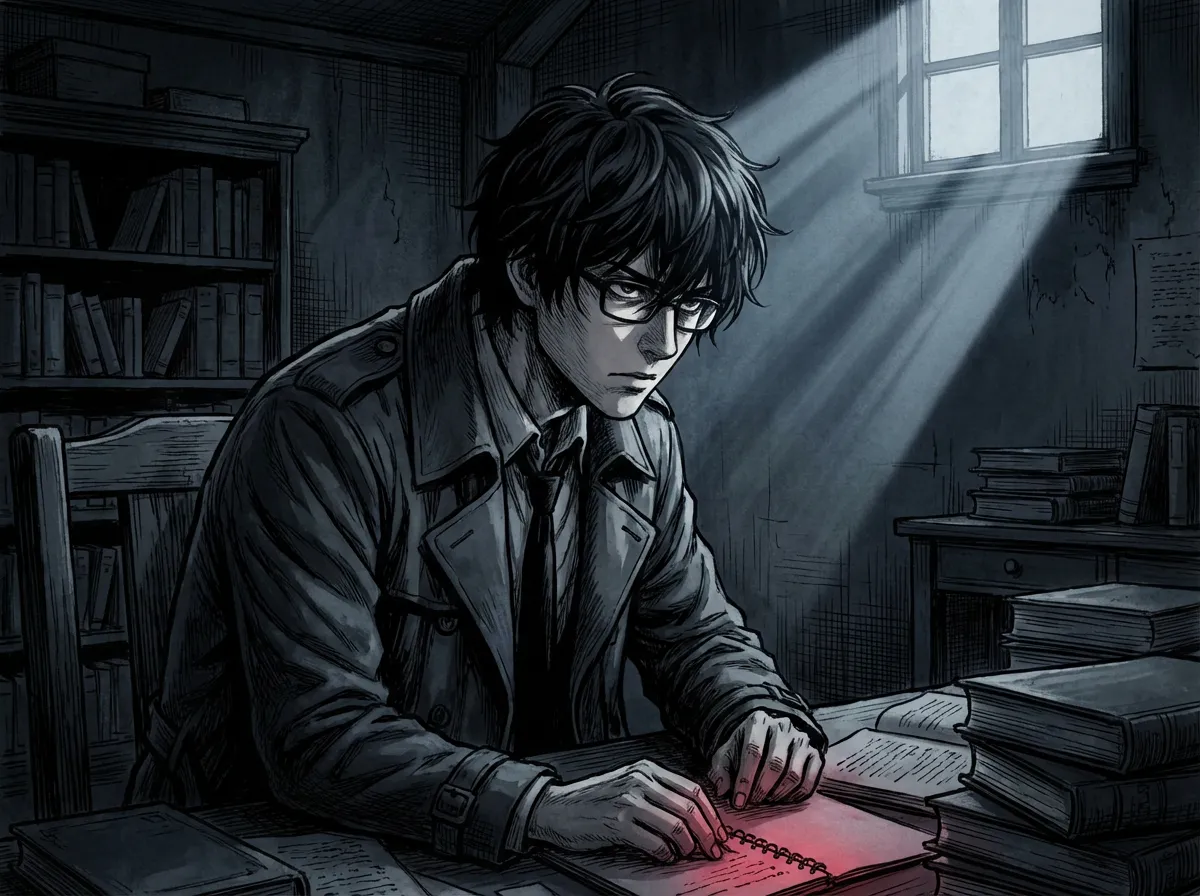
Death Note style
Death Note style is a noir-realist manga look defined by Takeshi Obata's clean precise line, deep-shadow desk-lamp lighting, L-style crouch silhouettes, and shinigami feather backdrops. It suits cat-and-mouse thriller panels, study-room standoffs, and original detective and reaper character art.
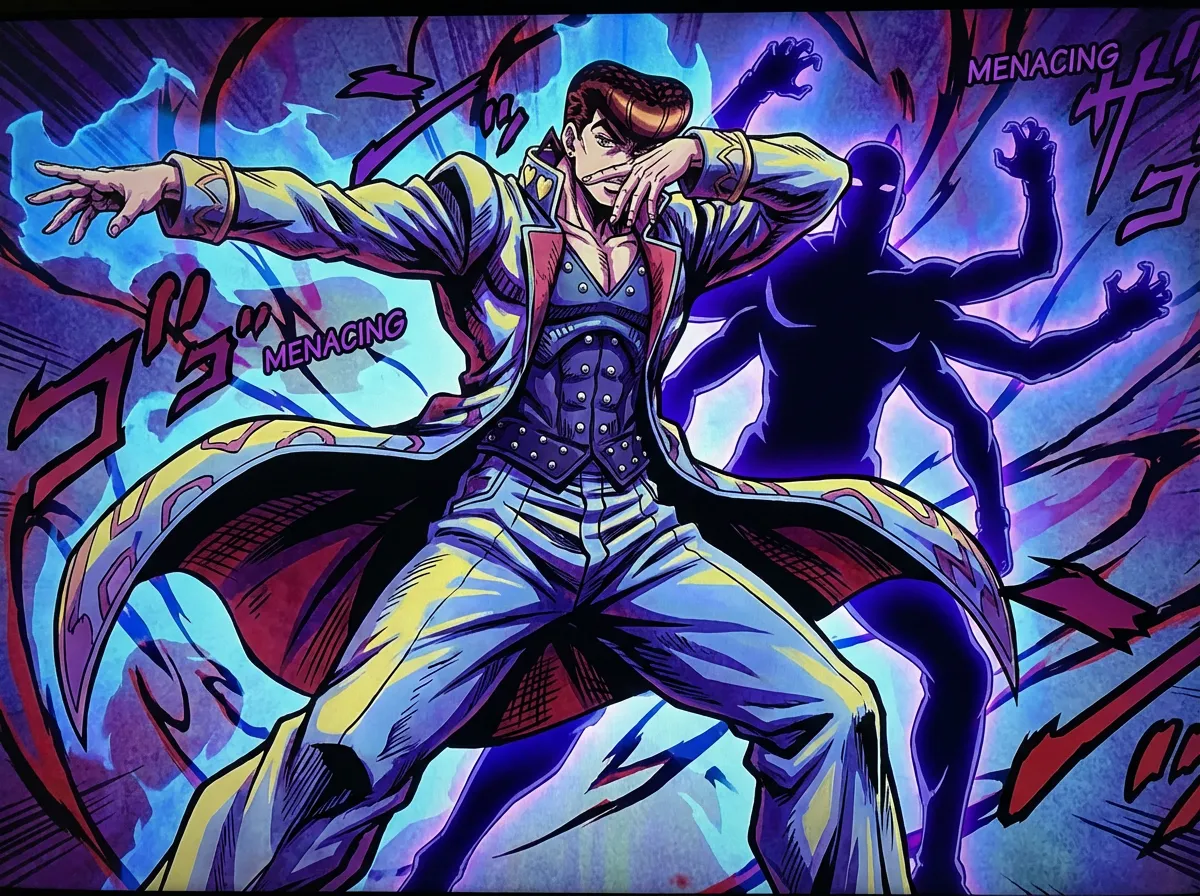
JoJo's Bizarre Adventure style
JoJo's Bizarre Adventure style pairs Hirohiko Araki muscle-pose torque, fashion-photo color grading, and Stand glow halos with high-couture costume detail. It suits original Stand users, contrapposto poster art, and Stand reveal panels.
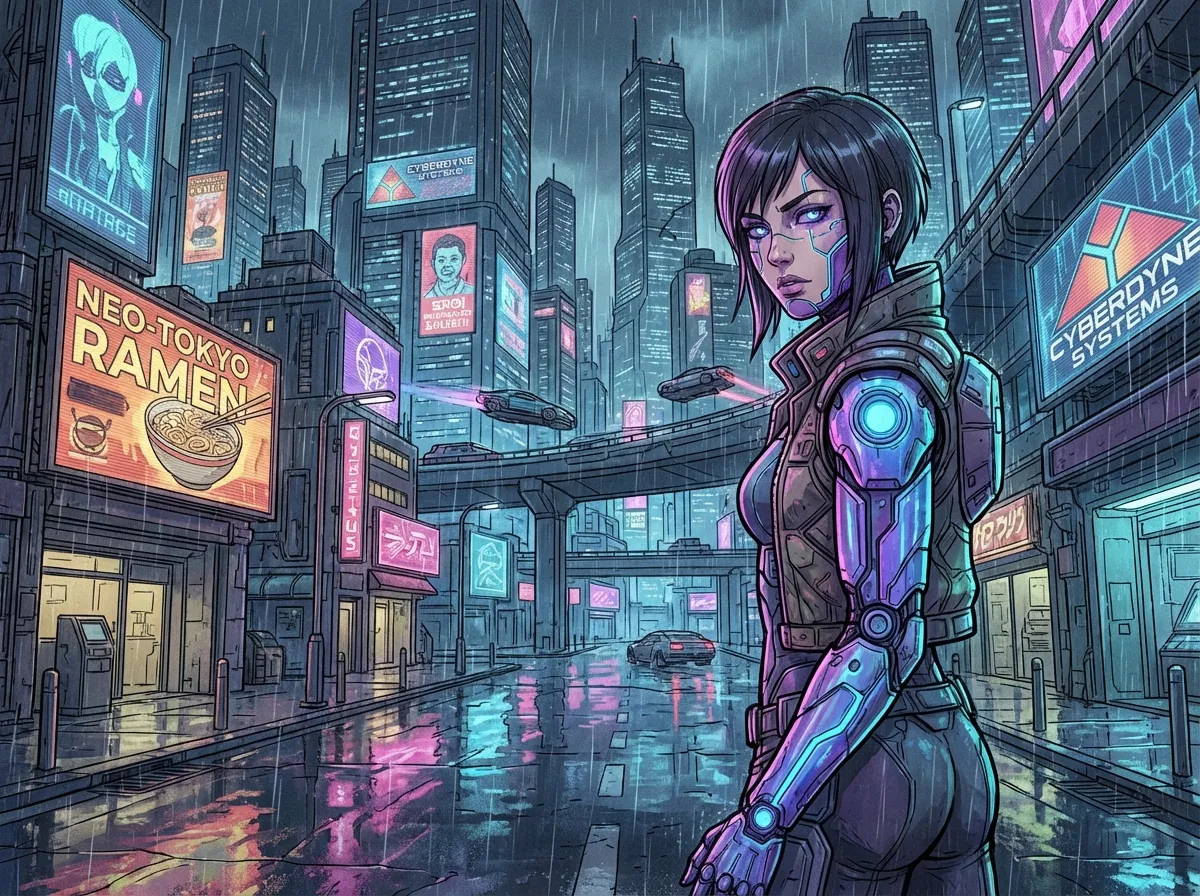
Cyberpunk anime style
Cyberpunk anime style is a Neo Tokyo dystopian look defined by neon Kowloon rooftops, Akira-style motorcycle smear lines, holographic ad billboards, and chrome-and-cable cyberware on characters. It suits original netrunners, dystopian street stills, and bike-action key art.
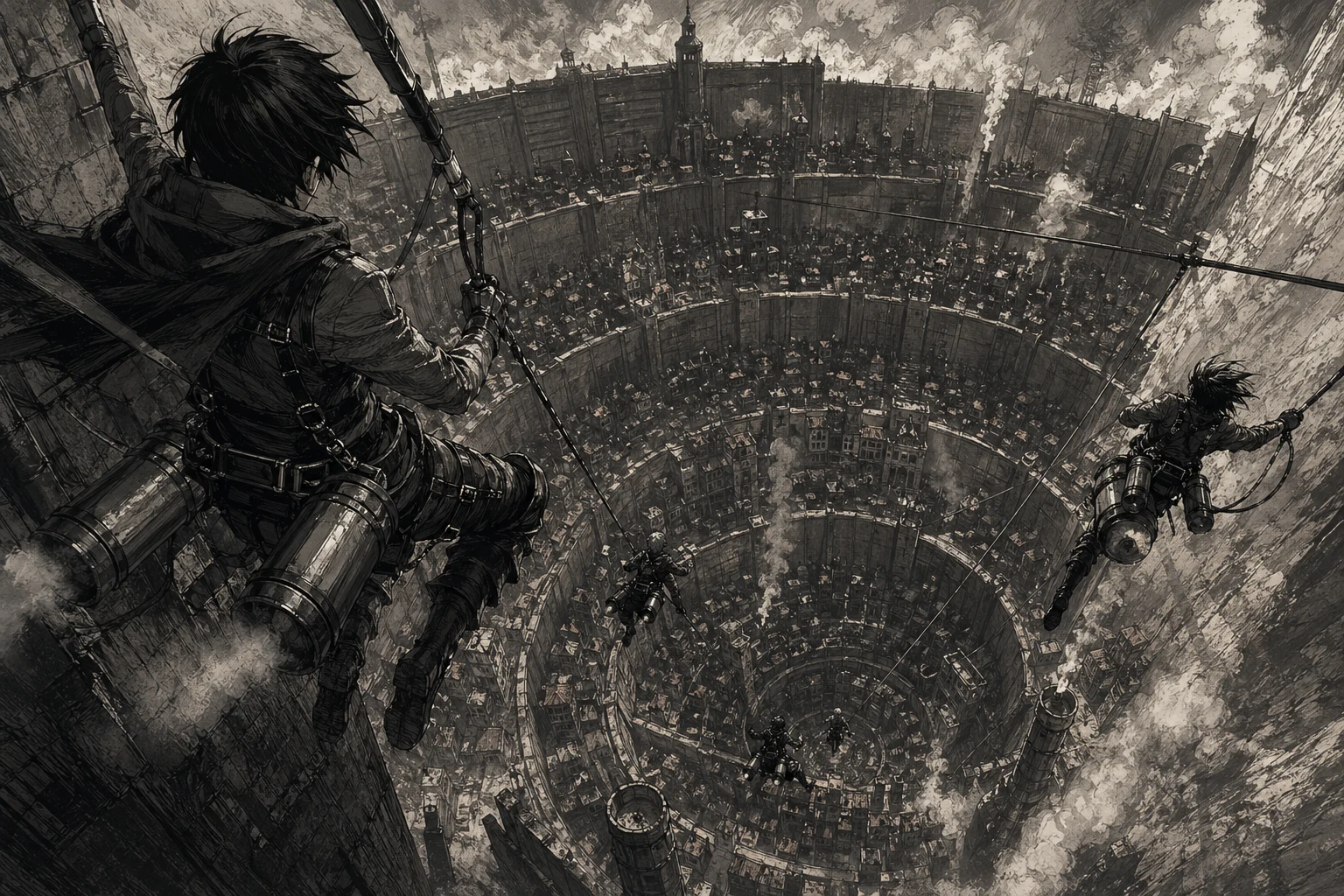
Attack on Titan style
Attack on Titan style pairs Isayama jagged ink lines and dense crosshatch with ODM gear cable trails, ruined Wall Maria perspective, and pure scale dread. It suits Survey Corps OCs, vertical-action chase panels, and walled-city establishing shots.
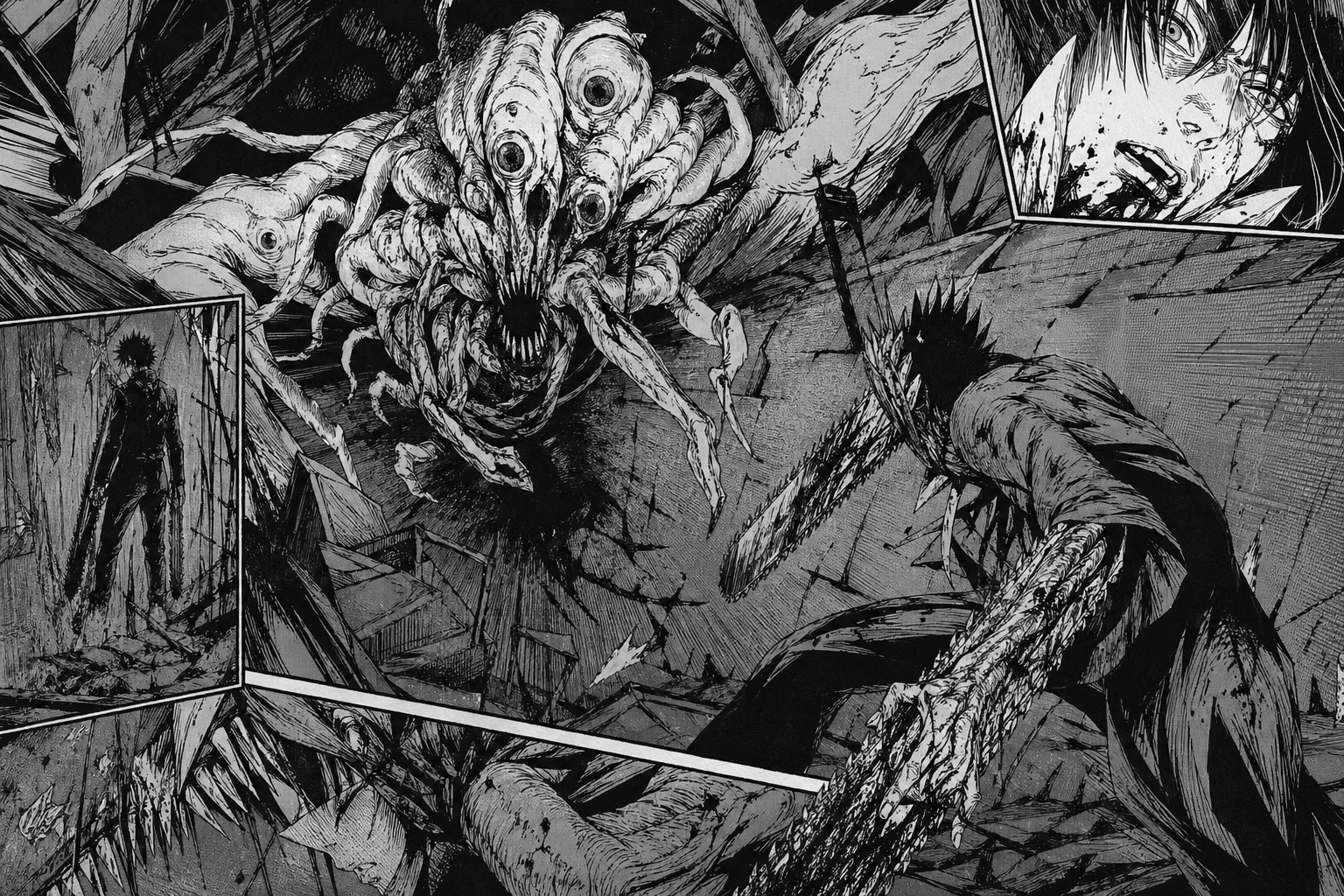
Chainsaw Man style
A manga-forward look: aggressive pen texture, erratic screentone, and page layouts that feel like they might tear.
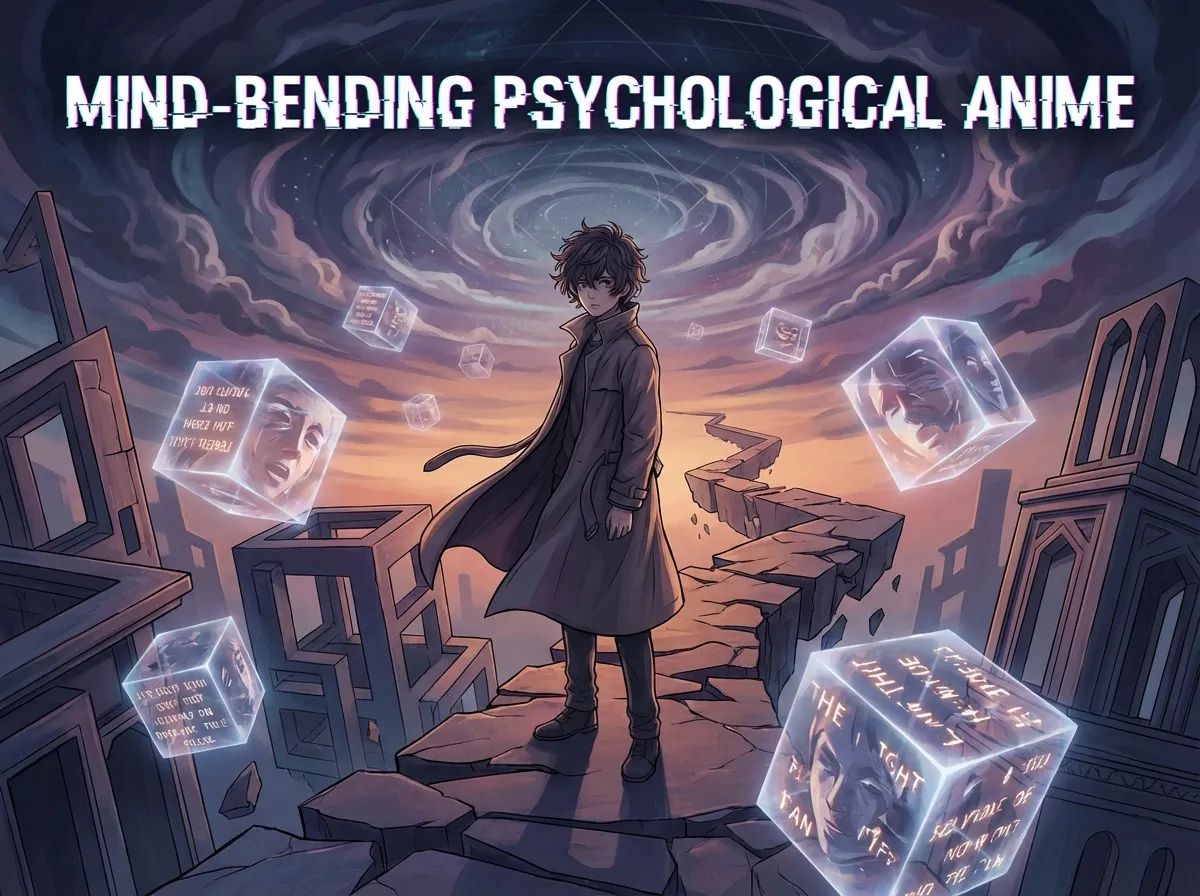
Psychological anime style
Psychological anime style uses image, not exposition, to show what is going on inside a character. Fragmented mirrors, asymmetric framing, off-color palettes that read uneasy, and double-exposure faces are the core grammar. The look feels arthouse, slightly off, and intentionally hard to settle into.
Frequently asked questions
Prompt tips, rights, and workflow. Sign up free to generate in this look today.
Generate a Seinen realistic scene
Type a scene below and press Generate.
What is seinen realistic style and how is it different from regular anime?
Seinen realistic is adult manga rendered with the density and accuracy of a comic-book-illustrator approach: anatomically correct anatomy, aged faces with weight, hatching-built tonal gradients instead of cel two-tone shading, and atmosphere (smoke, fog, rain, snow) on almost every panel. Regular anime favors simplified cel shapes, big eyes, lighter linework, and white space. The two visual systems are nearly opposite, so prompts written for one will not produce the other.
Berserk vs Vagabond vs Vinland Saga: which sub-style should I prompt?
Match the sub-style to the subject. Dark fantasy, plate armor, demonic enemies, European cathedrals: 'kentaro miura crosshatch dark fantasy, tight crosshatch tonal rendering, cathedral-and-mountain backdrop'. Samurai duel, brush feel, meditative composition, bamboo and rain: 'takehiko inoue ink-wash samurai manga, sumi-e graded gray skin tone, bare-line bamboo grove'. Viking history, sea weather, woolen and leather costuming, cold palette: 'makoto yukimura vinland viking manga style, cold viking palette, woolen tunic and leather wrap historical accuracy'. Each one is a distinct rendering recipe.
How do I get the crosshatch shading without it looking like a sketch filter?
The key is to specify direction and density. Try 'tight crosshatch tonal rendering, crossed parallel ink lines stacked at 30 and 60 degrees, denser hatching in shadow areas, lighter in lit areas, no random scribble noise'. Adding 'kentaro miura page rendering, ink pen on bristol board' anchors the medium. Vague terms like 'hatching' or 'shading' alone tend to summon the cheap sketch-filter look; specifying the angle and where the density goes is what makes the rendering read as proper Berserk-era pen work.
How do I render samurai work in the Vagabond ink-wash style?
Throw out cel shadow entirely and lean on three Vagabond moves. First, 'ink-wash skin tone with sumi-e graded gray on the sword arm, no two-tone, no cel'. Second, 'bare-line bamboo grove background, no flat color fill, white paper showing through'. Third, 'meditative duel composition with one swordsman foregrounded near the camera and the second swordsman small and far in the deep background, weather (rain, fog, falling petals, wind) drifting between them'. Adding 'takehiko inoue page rendering' anchors the brush feel.
Why do my faces look too young for seinen?
Because the prompt is asking for an anime face. Seinen faces use an aged-character vocabulary that anime does not: longer chins, narrower eyes set deeper in shadowed sockets, heavier brows, creased foreheads, weathered or scarred cheeks, broken noses, missing teeth on grizzled cast. Add 'aged-character vocabulary, creased forehead, scarred mouth, weathered cheeks, heavier brow than typical anime, no anime big-eye template' to the prompt. For specific archetypes, try 'grizzled veteran in his fifties' or 'middle-aged ronin with grey at the temples'.
Can I use seinen realistic style for non-violent subjects?
Yes. The genre also covers slice-of-life seinen (Solanin, Oishinbo), workplace drama, jazz musicians, food culture, marathon runners, and chess. Pull the same dense rendering toolkit (aged faces, hatching-built tonal gradients, atmospheric particle motes, somber palette) and apply it to a quiet subject: a lone chef closing a small restaurant at night, a runner stretching at dawn under a freeway underpass, an office worker at a desk lit by a single lamp. The 'realistic' part is the rendering, not the violence.
Can I use seinen realistic style art commercially?
Anifusion grants you full commercial rights to images you generate. The seinen realistic visual vocabulary (heavy crosshatch, ink-wash skin, aged faces, gekiga atmosphere) is genre and not protected. But specific characters and works (Guts, Griffith, the Berserk Brand of Sacrifice, Musashi from Vagabond, Thorfinn and Askeladd from Vinland Saga) are owned by their original creators and publishers. For client work, merch, and paid distribution, build with original warriors, original ronin, original vikings in this same rendering grammar.
Start creating Seinen realistic style art today
Join 130,000+ creators and bring your imagination to life with 100 free credits.