Generate sketch anime art with graphite tooth and ink hatching
Pencil construction, kneaded eraser highlights, and a rough underdrawing pass, the look of a working artist's sketchbook page.
Franchise, studio, and character references describe style or mood only, not a license, sponsorship, endorsement, or affiliation. You are responsible for your prompts and outputs. As-is, no warranty of non-infringement (not legal advice). For DMCA, copyright, or trademark issues, use our Contact page.
Generate a Sketch anime scene
Type a scene below and press Generate.
About Sketch anime style
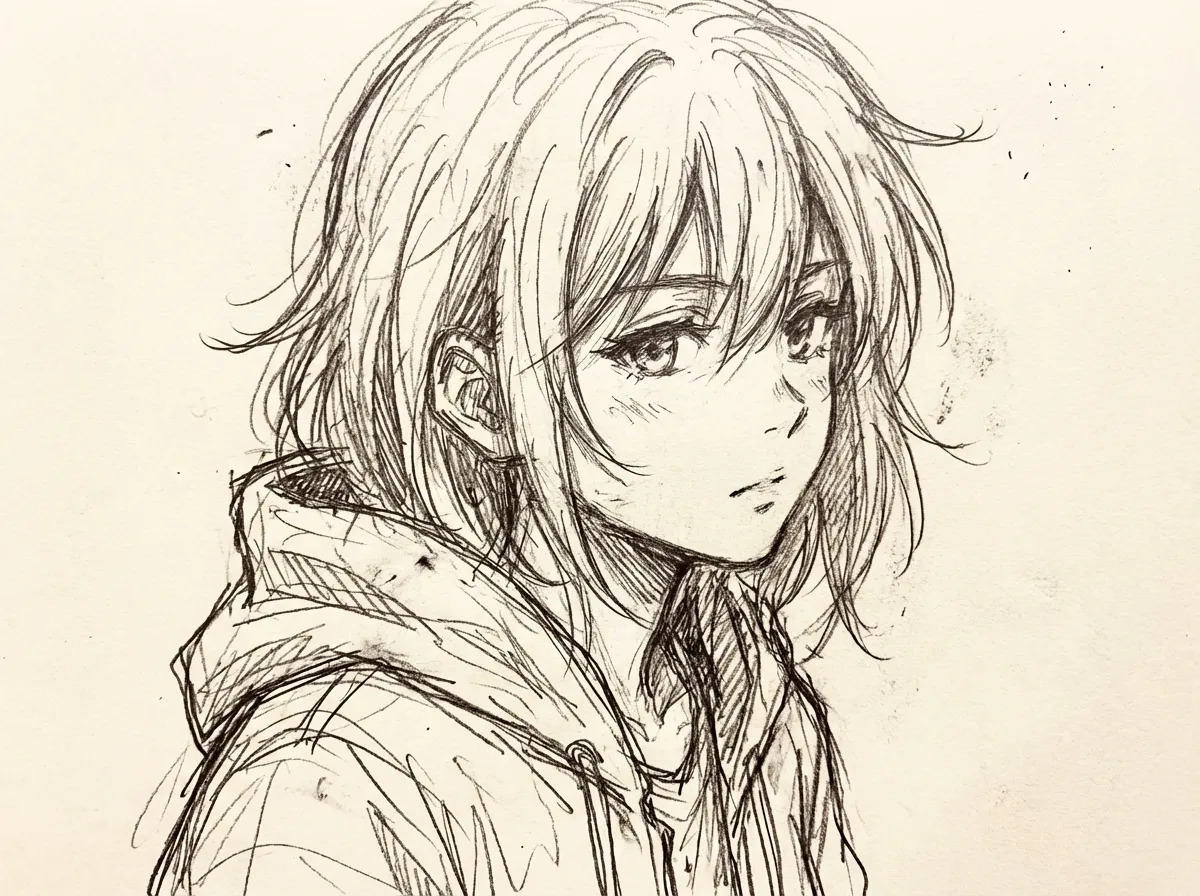
The sketch anime style keeps the working drawing visible: pencil construction lines, ink hatching for shadow, and the soft graphite tooth of a real sketchbook page. It is the look used for character design sheets, storyboard panels, and life-drawing studies, before any clean lineart pass.
Sketch anime style on Anifusion renders the in-between stage that most artists rarely publish: the pencil pass. You see graphite tooth on every line, lighter blue-line construction underneath, kneaded-eraser highlights left in skin and hair, and visible cross-hatching where shadows fall. Lines are not perfectly smooth, the artist's hand is part of the image.
This is the right style for portfolio pieces, character design sheets, storyboard panels, concept art for indie games, and study work like life-drawing or anatomy practice. It is also useful for manga production: roughs, name pages, and reference sheets you would normally hand to a finisher. Because the sketch look celebrates incomplete passes, busy compositions still read clearly, and you can crop a single figure out of a page of studies without it feeling unfinished.
To prompt well, lean on real drawing vocabulary. Use "graphite pencil sketch", "rough underdrawing", "cross-hatching", "kneaded eraser highlight", "visible construction lines", and call out the medium directly: "2B pencil", "ballpoint pen", "ink wash over pencil". For colored pencil work, add "color pencil rough" and a small palette like "two-color pencil, sepia and indigo". The sketch anime generator stays close to those references, so concrete medium words give better results than vague art terms like "detailed" or "realistic".
Try Sketch anime style generation
Try the look on your own prompt. Start from one of the examples below.
Example prompts
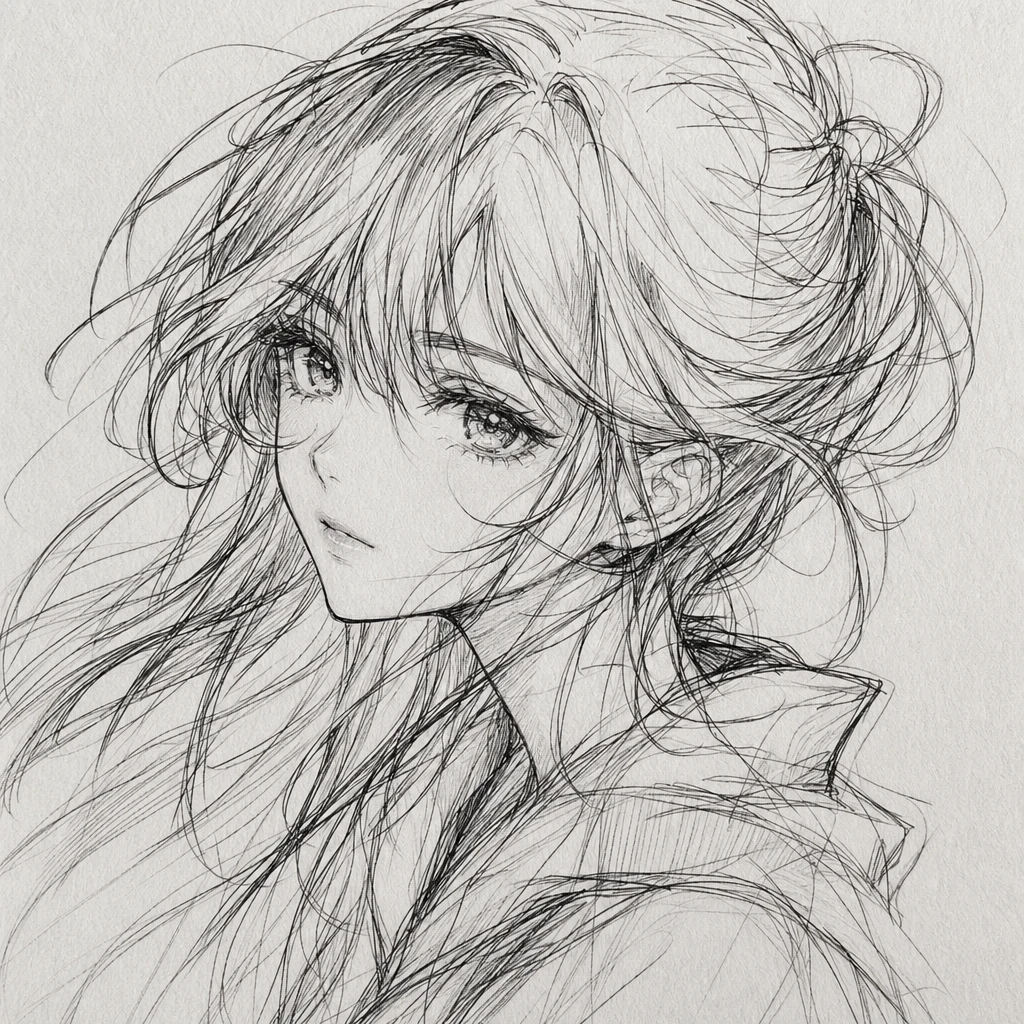
"sketch anime style, female character three-quarter portrait, 2B graphite pencil, rough underdrawing visible, cross-hatching in jaw shadow, kneaded eraser highlight on forehead and hair, soft paper grain, light construction lines, sketchbook page feel"
Try this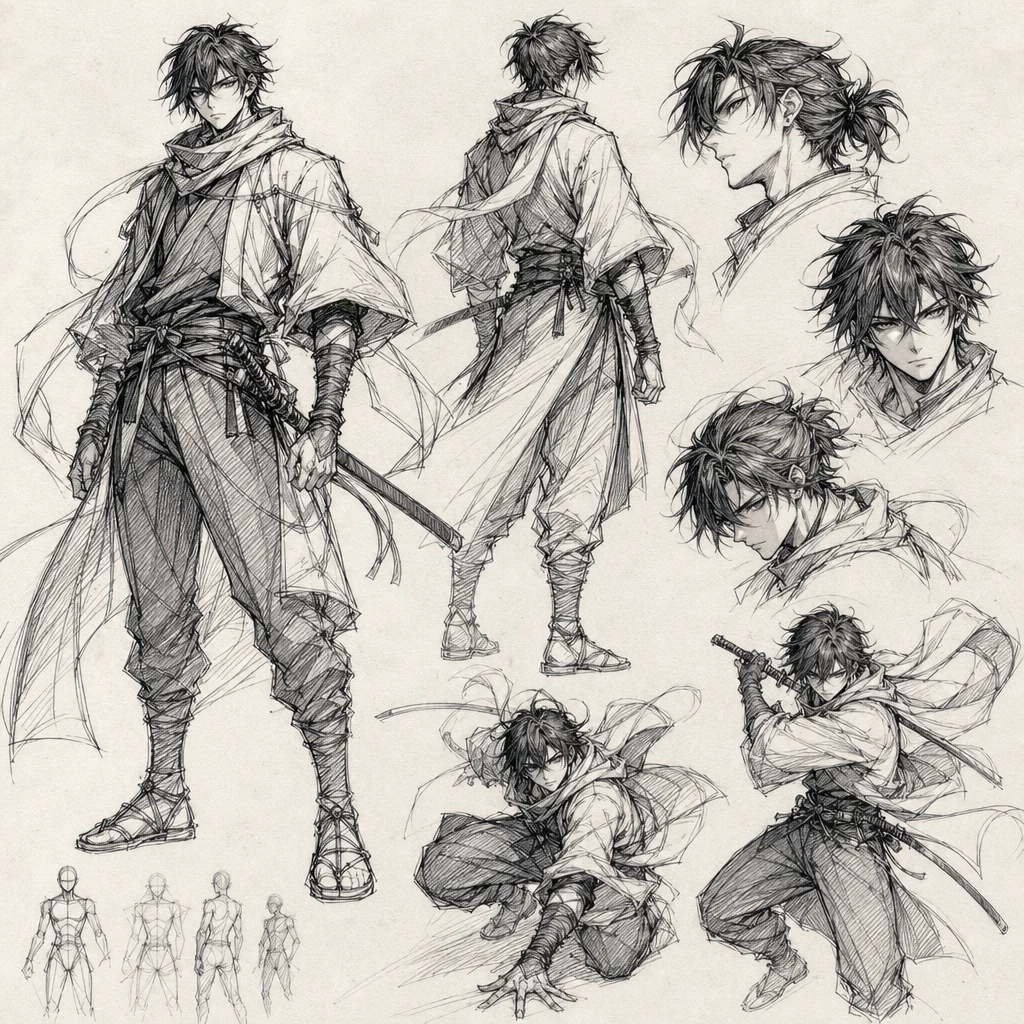
"sketch anime style, character design sheet, three full-body poses with rotation, blue-line construction underneath, ink contour pass over graphite, margin color swatches, cross-hatched shadow side, pencil weight variation, working sketchbook layout"
Try this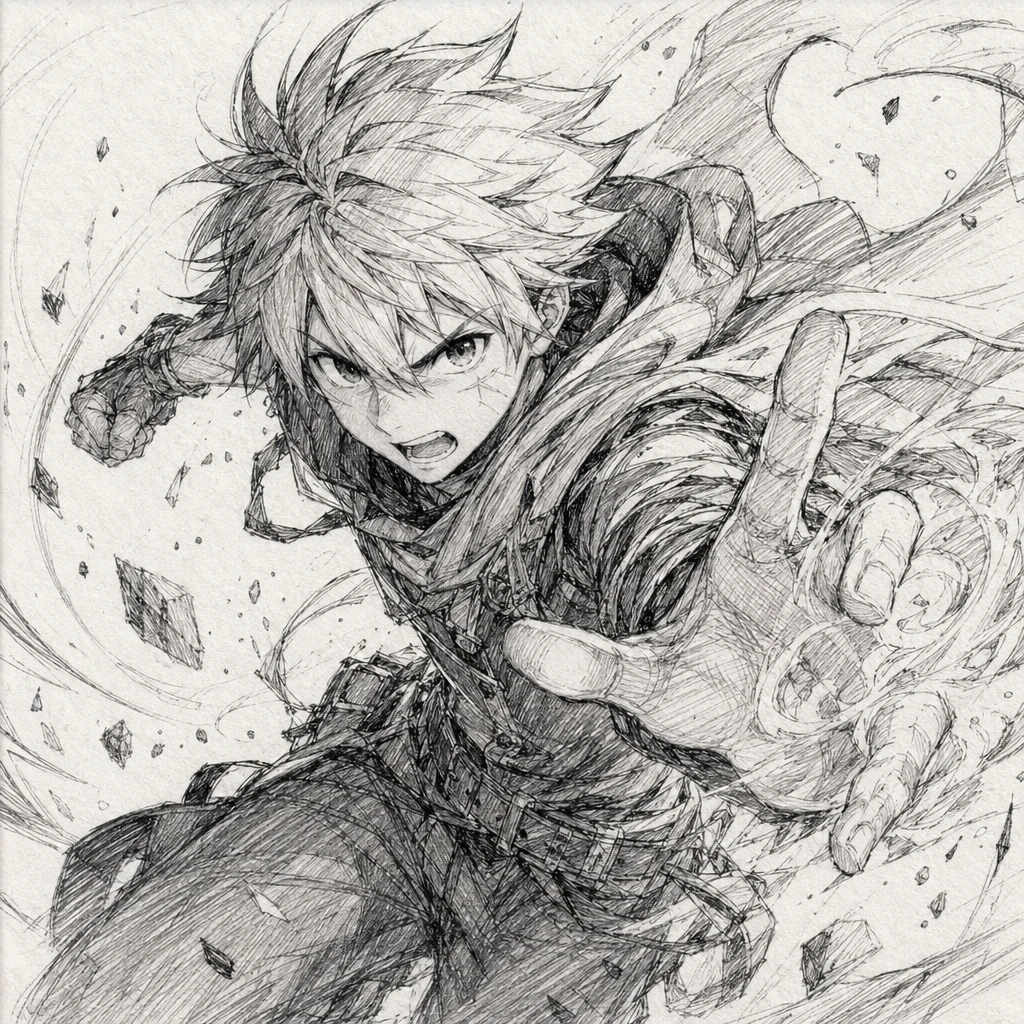
"sketch anime style, dynamic action pose study, 2B pencil rough, motion lines drawn over construction, kneaded eraser pulled highlights on the leading shoulder, hatched ground shadow, paper tooth visible, rough life-drawing energy"
Try thisMake your own Sketch anime style art
Type a prompt below, or tap a starter to begin.
Generate a Sketch anime scene
Type a scene below and press Generate.
Why choose Anifusion?
Graphite tooth and pencil weight
Lines carry visible graphite tooth, the slight grain you get when a 2B pencil drags across paper. Pressure varies inside the same line, so contour lines breathe instead of looking computer-perfect.
Rough underdrawing pass
Lighter construction lines stay visible underneath the cleaner contours, the way a real character sheet shows the artist's thinking. Useful for portfolios that want to show process, not just the final image.
Cross-hatching and stippling
Shadow is built from hatched and stippled marks instead of flat tone. Direction of the strokes follows the form, so a cheek, a sleeve, and a strand of hair each shade differently.
Kneaded eraser highlights
Highlights are pulled out of the graphite with eraser strokes, giving skin and hair a soft, lifted look. The negative-space marks read as light, not as missing pixels.
Ink-and-pencil mixing
Ink contour over pencil rough is supported, the standard manga thumbnailing workflow. The pencil pass stays legible underneath, so the drawing still feels like a working sketch and not a finished cel.
Sketchbook page composition
Multiple views, half-finished poses, margin notes, and color swatches can sit on one page without crowding. Good for character design sheets and concept art spreads.
Create in 3 easy steps
Write your prompt
Describe your vision for Sketch anime style in plain language.
Refine settings
Tune the aspect ratio and style strength to your liking.
Generate and enjoy
Click generate and watch your masterpiece come to life in seconds.
Related styles
Discover more artistic directions you might love
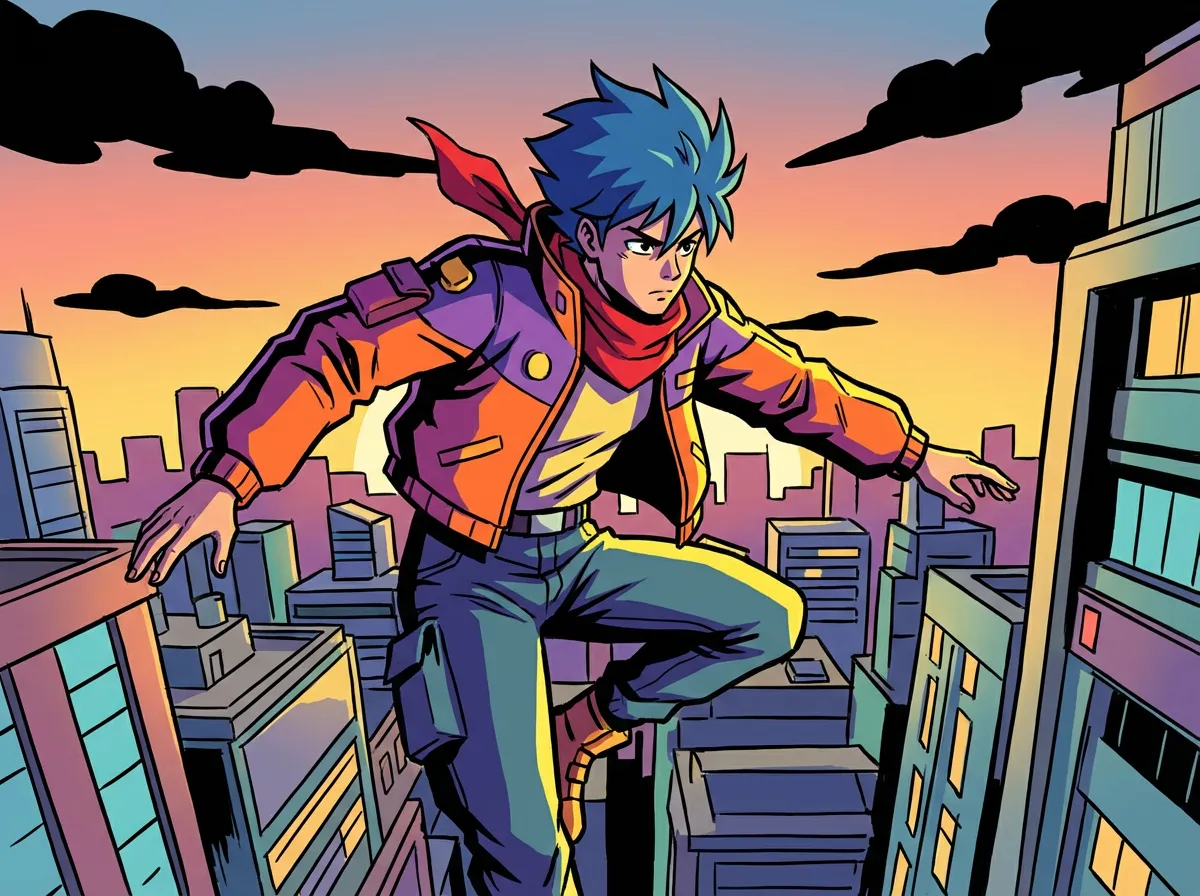
Cel-shading anime style
Cel-shading is a non-photorealistic look that turns 3D-rendered subjects into flat-colored, hand-drawn anime cels. Expect crisp ink contours, two-tone shadow blocks, and saturated color fields with very little gradient, the same approach used in anime opening sequences and modern game cutscenes.
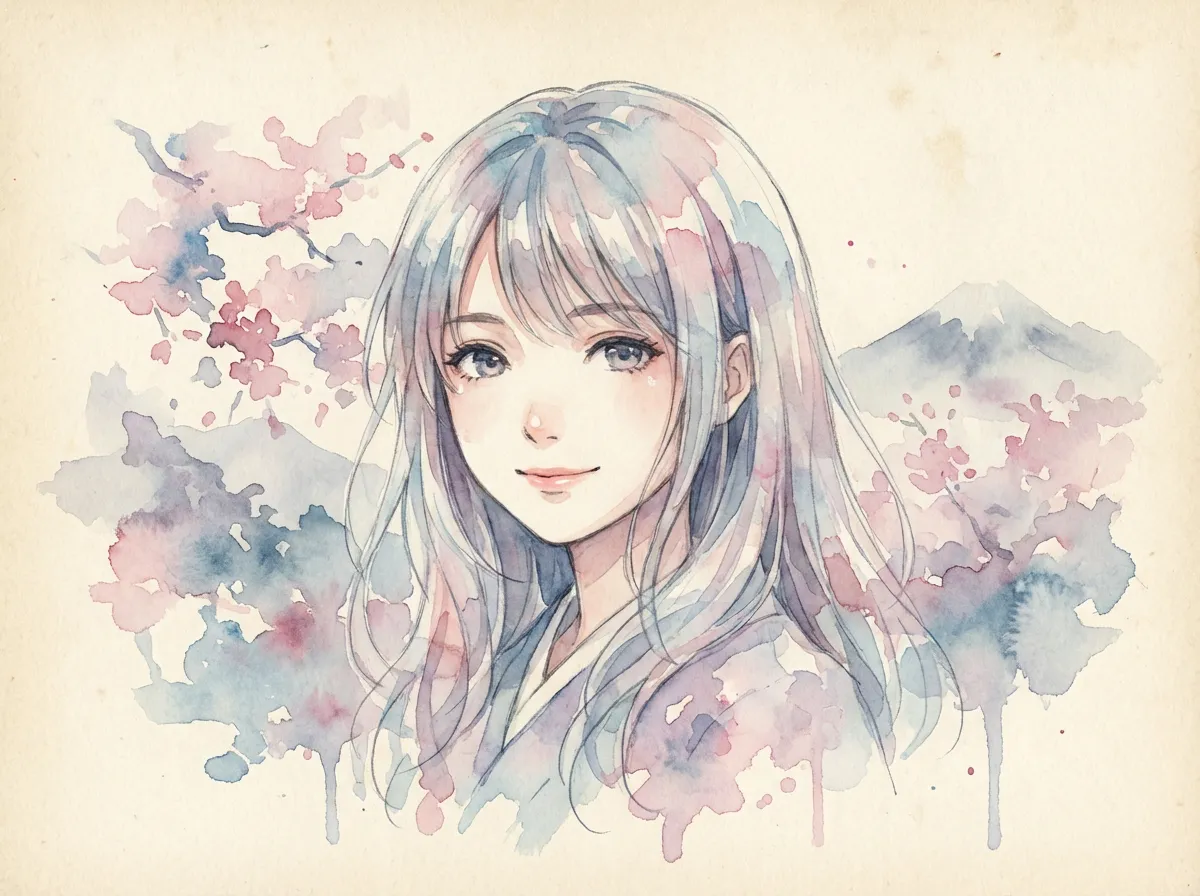
Watercolor anime style
Watercolor anime style is a painted illustration look defined by wet-on-wet color bleed, salt-grain texture, paper tooth showthrough, and a soft ink line laid over the washes. It suits seasonal portraits, quiet character covers, novel jacket art, and atmospheric landscape stills.
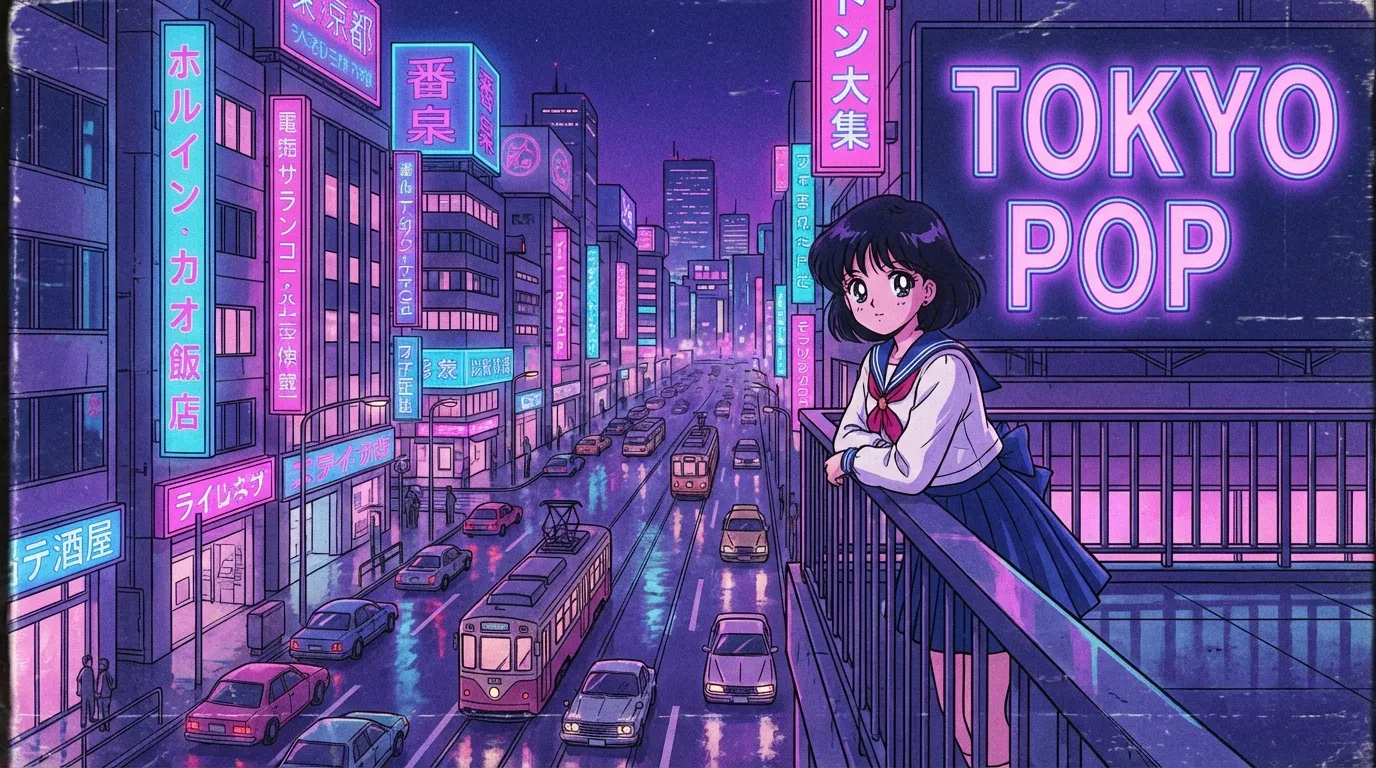
90s anime style
90s anime style pairs cel-painted limited palettes with OAV film grain, chunk highlights on hair, and Akira-era heavy line weight. It suits magical girl key visuals, mecha cockpit shots, and Bebop-style adult action stills.
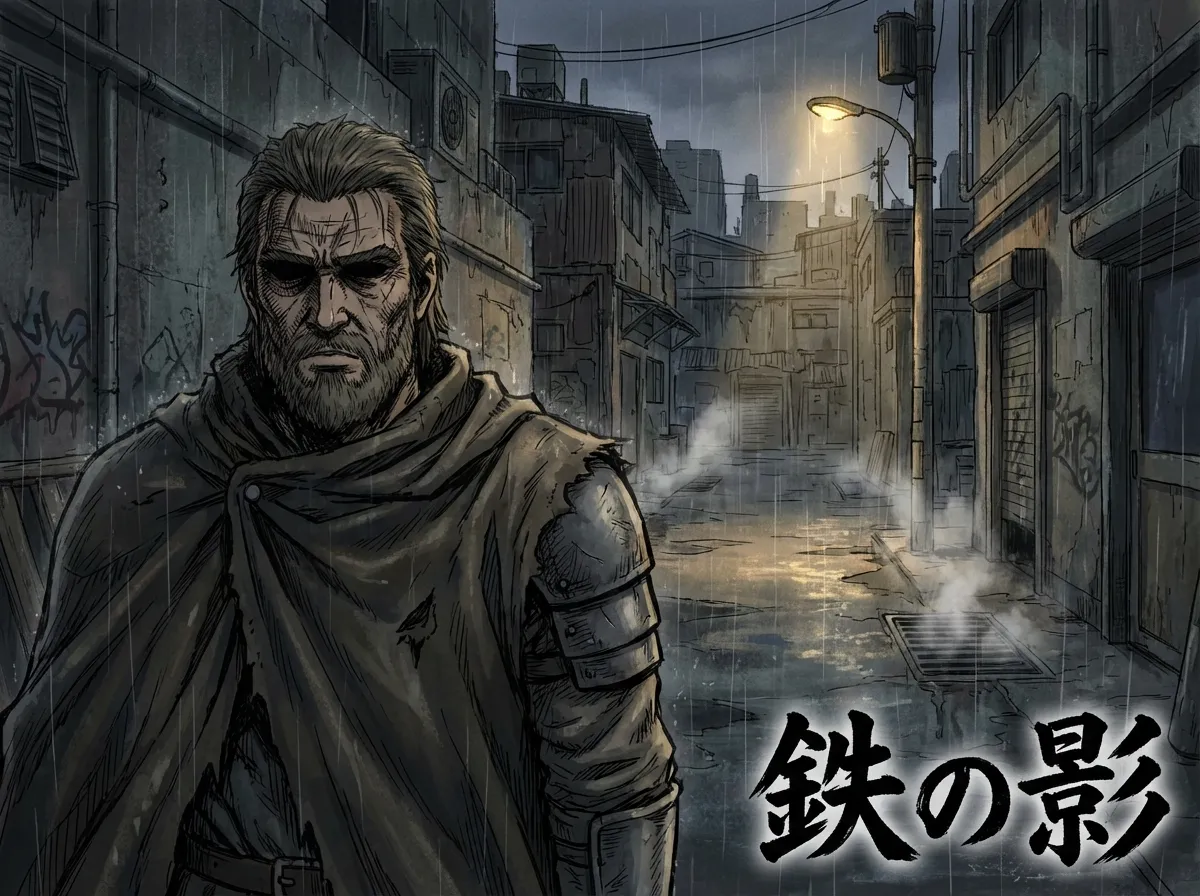
Seinen realistic style
Seinen realistic style is a heavily rendered adult-manga look defined by Kentaro Miura crosshatch, European medieval anatomical accuracy, Takehiko Inoue ink-wash skin tone, and somber dark-fantasy atmosphere. It suits original warriors, samurai duels, Viking ship key art, and gekiga character portraits.
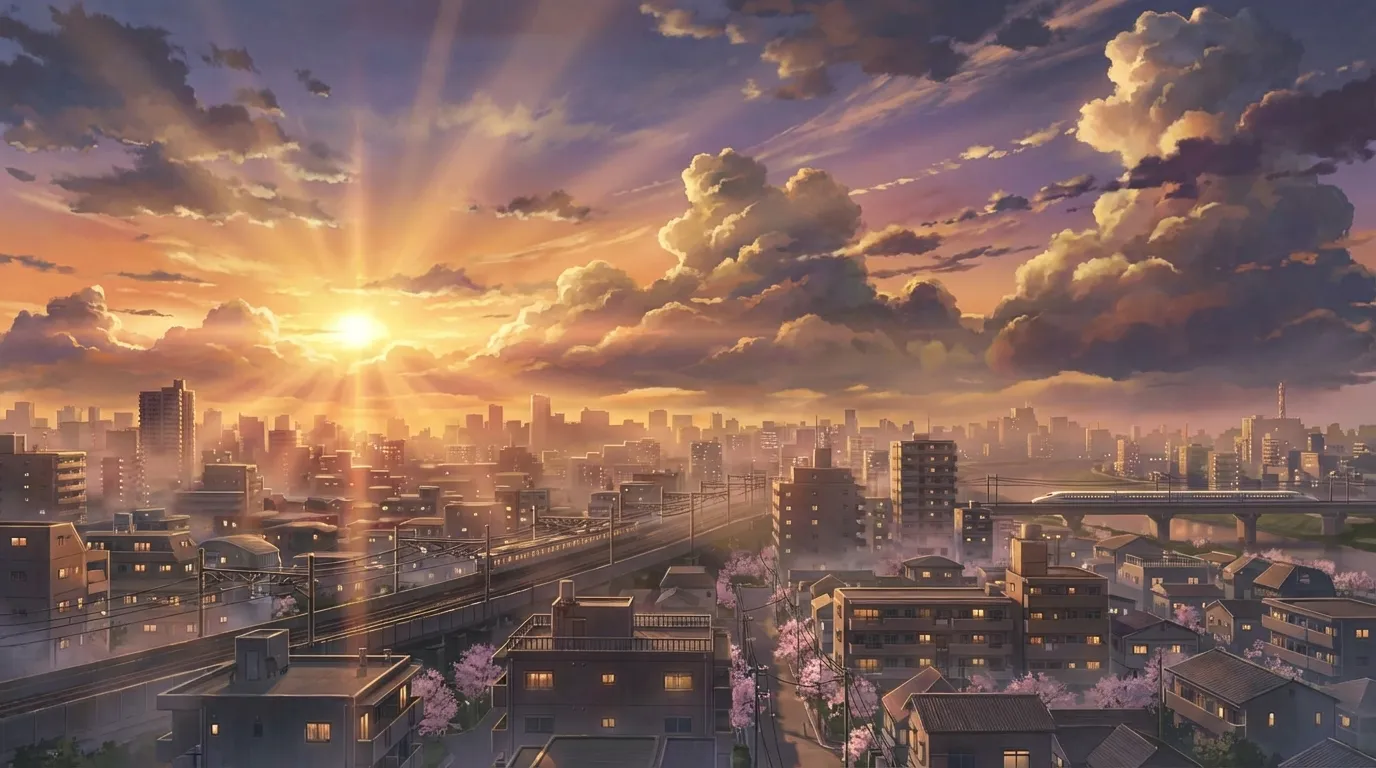
Makoto Shinkai style
Makoto Shinkai style pairs near-photographic urban Japanese backgrounds with stratus-cloud skies, golden hour lens flare, and quiet two-shot character framing. It suits emotional key visuals, train scenes, and rooftop sunset moments.
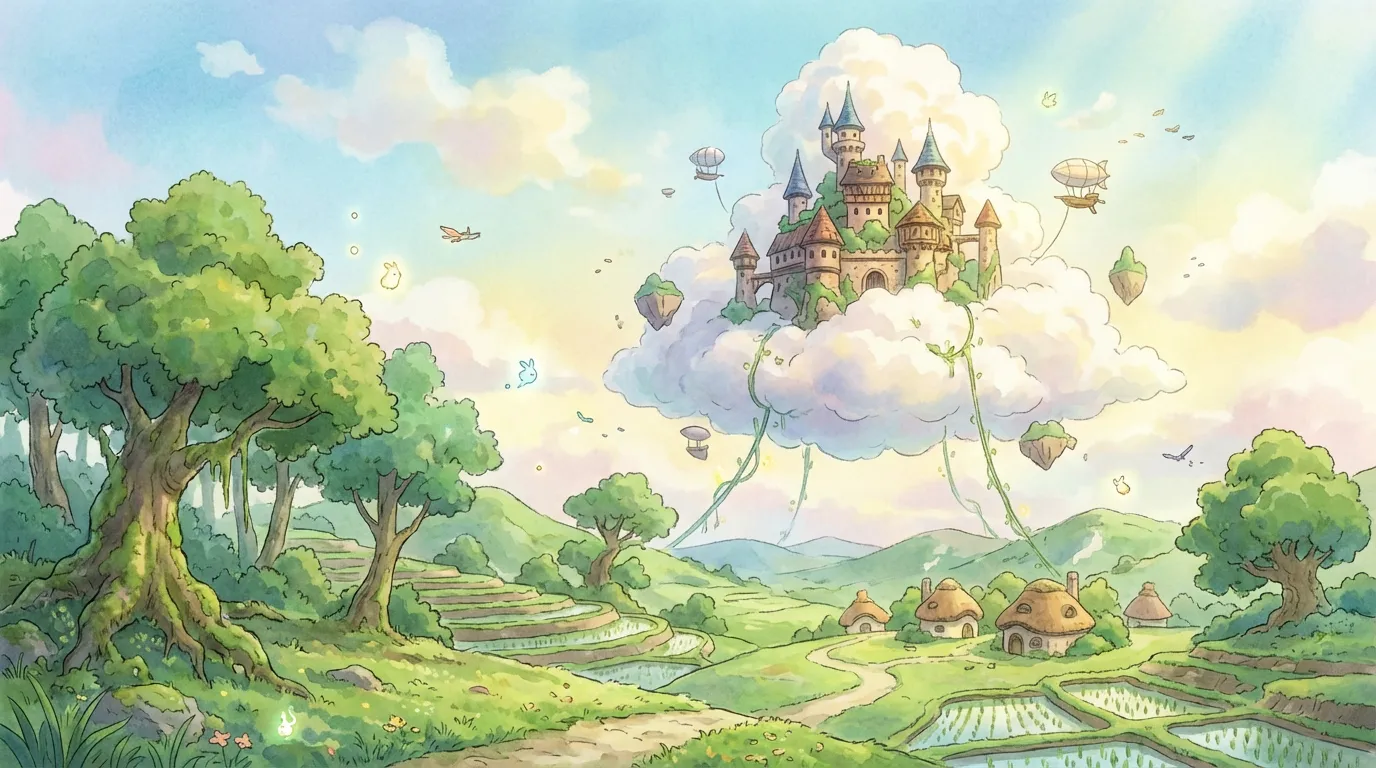
Studio Ghibli style
Studio Ghibli style pairs hand-painted watercolor backgrounds with gentle, expressive characters and a calm pastoral mood. It suits forest scenes, cozy interiors, sky vistas, and quiet character moments inspired by Miyazaki's filmography.
Frequently asked questions
Prompt tips, rights, and workflow. Sign up free to generate in this look today.
Generate a Sketch anime scene
Type a scene below and press Generate.
What does sketch anime style actually include?
Three things tend to be visible: pencil construction lines underneath the cleaner contour, hatched or stippled shading instead of flat tone, and the paper tooth that gives every line a slight grain. The result looks like a sketchbook page, with the drawing process still on display rather than hidden under a clean cel pass.
How do I prompt for a rough pencil look without losing detail?
Anchor the prompt with the medium first: "2B graphite pencil sketch", "rough underdrawing", "visible construction lines". Add specific shading words like "cross-hatching" or "stippling", and a paper word like "sketchbook page" or "cream paper tooth". For more detail, describe the subject in clean nouns (pose, costume, accessory) but avoid "high detail" or "masterpiece", which push the model back toward smooth digital painting.
Can I generate full character design sheets in sketch style?
Yes. Ask for "character design sheet, three poses, rotation view, margin notes", and pair it with sketch vocabulary like "graphite rough, ink contour pass, color swatches in margin". The sketch look handles multiple figures on one page well because the unfinished, working-sketch feel keeps the layout from looking crowded.
What is the difference between pencil sketch and ink sketch?
Pencil sketch leaves graphite grain on the paper, varies line pressure within a single stroke, and supports kneaded-eraser highlights. Ink sketch uses solid black contour lines, stronger hatching, and higher contrast, with less mid-tone. Pencil reads as in-progress, ink reads as committed. You can mix them by asking for "ink contour over pencil rough".
Which subjects work best with sketch anime style?
Anything where the drawing process matters: character design sheets, concept art, studies of unfamiliar poses, expression sheets for animation, manga rough thumbnails, life-drawing references, and portfolio pages. It is less suitable for finished web posters or merch art, which usually want a cleaner, more saturated finish.
Can I keep the sketch look while adding selective color?
Yes. Add a small palette like "two-color pencil, sepia and indigo" or "colored pencil accents on a graphite rough", and the model will keep the line work dominant while introducing limited color. Watercolor-over-pencil also works ("light watercolor wash over graphite sketch") and gives a concept-art feel without losing the drawing underneath.
Start creating Sketch anime style art today
Join 130,000+ creators and bring your imagination to life with 100 free credits.