Generate Evangelion style art with AI
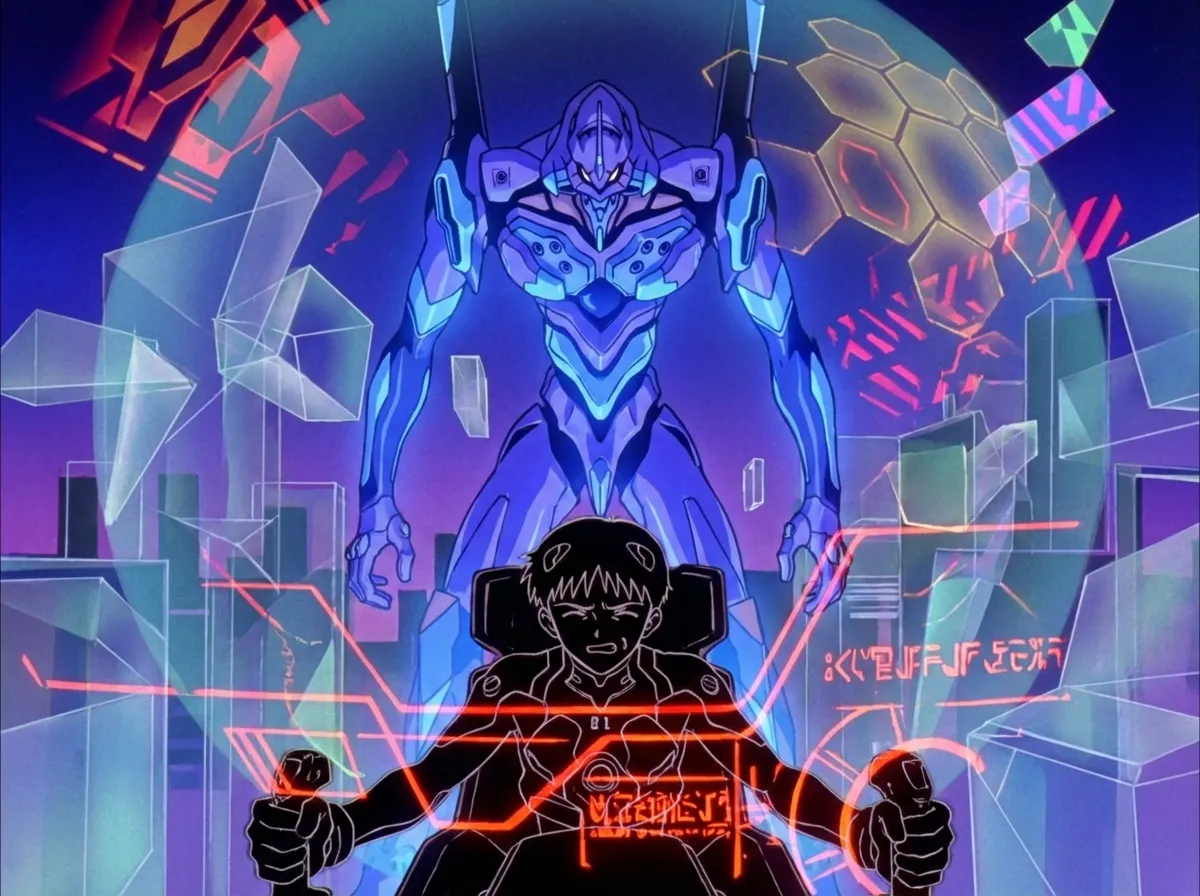
EVA units in red plug suits, AT-field hexagons mid-refraction, Sachiel-style monoliths, and Geofront cathedral lighting in the style of Hideaki Anno.
Franchise, studio, and character references describe style or mood only, not a license, sponsorship, endorsement, or affiliation. You are responsible for your prompts and outputs. As-is, no warranty of non-infringement (not legal advice). For DMCA, copyright, or trademark issues, use our Contact page.
Generate a Neon Genesis Evangelion scene
Type a scene below and press Generate.
About Neon Genesis Evangelion style
Evangelion style combines biomechanical EVA design, hexagonal AT-field effects, and the surreal religious imagery of Hideaki Anno's series. Use it for mecha key art, character pieces of pilots in plug suits, and the heavy, anxious mood that defines the franchise.
Neon Genesis Evangelion is one of the most copied looks in modern anime, and this generator targets the specific visual grammar Hideaki Anno and Ikuto Yamashita built. Expect biomechanical EVA bodies covered in panel-line ribbing, restrained mouths and exposed teeth that read closer to predator skulls than to friendly robots, and red plug suits with a tight 60-line bushing of paneling. AT fields refract through the air as overlapping hexagons rather than as glowing shields, and Sachiel-style monolith bodies with split faces and twin spear arms reappear across the angel scenes.
The style is a strong fit for mecha key art, pilot portraits in plug suits, Geofront establishing shots, and apartment-interior character moments. To push prompts toward this look instead of generic mecha, name the panel-line ribbing on the EVA body, ask for AT-field hexagons in the foreground, request Geofront cathedral lighting or NERV control-room screens, and add Anno-style framing cues like long held shots, telephone-pole symmetry, off-center subjects, and Kurosawa-derived stillness. Color cues like pearl white, deep purple, blood orange, and clinical fluorescent green also help.
What sets Evangelion apart from other mecha series is mood. Where Gundam tracks politics and 0080-era hardware, Evangelion is interior, religious, and anxious. The framing borrows from arthouse cinema, the symbolism leans on Kabbalistic and Christian iconography, and the creatures move with a wrong, dreamlike weight. Use this style when you want intense, psychologically loaded mecha art that reads as both a robot show and a character study.
Try Neon Genesis Evangelion style generation
Try the look on your own prompt. Start from one of the examples below.
Example prompts
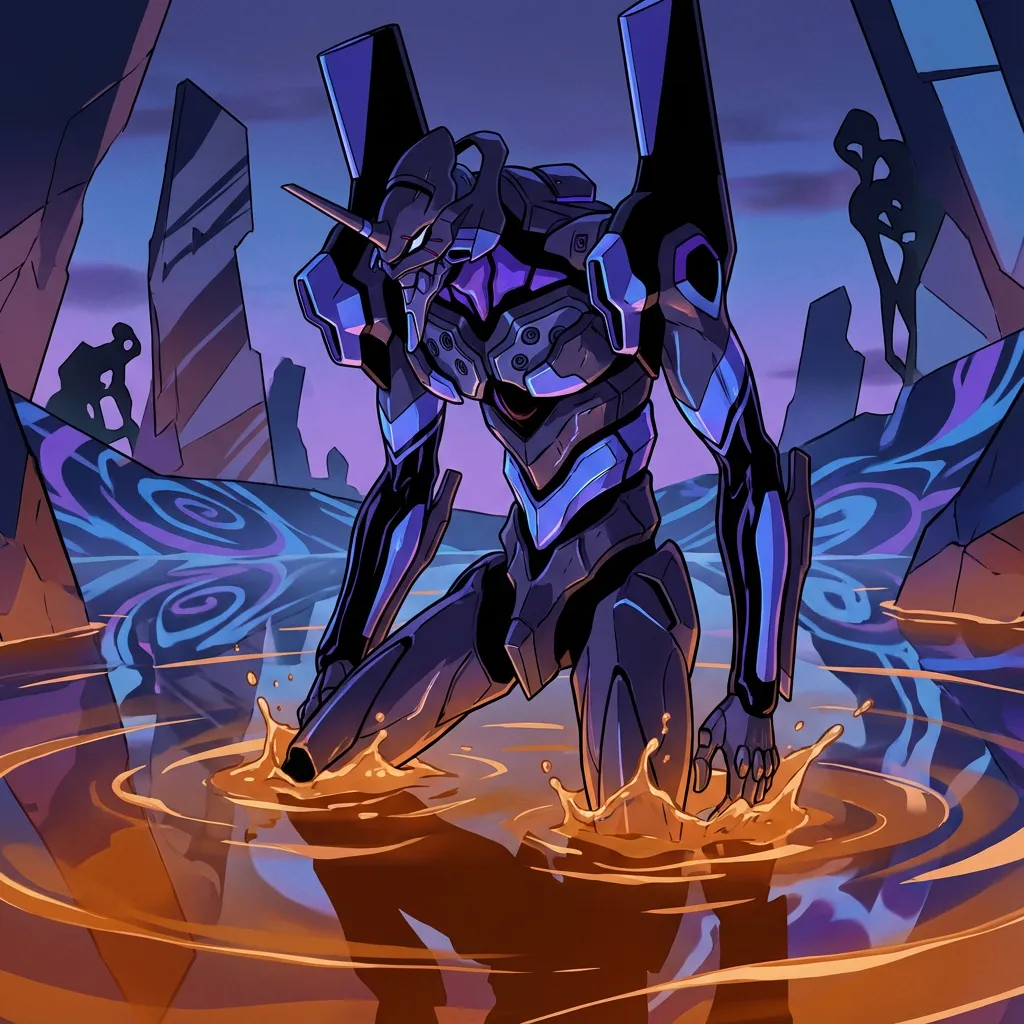
"Neon Genesis Evangelion style, evangelion style, EVA-01 in attack pose against a destroyed Tokyo-3 skyline, dense panel-line ribbing across the armor, exposed jaw with visible teeth, restraint cables snapping, hexagonal AT field refracting in the foreground, sunset gold and deep purple grade, hideaki anno framing"
Try this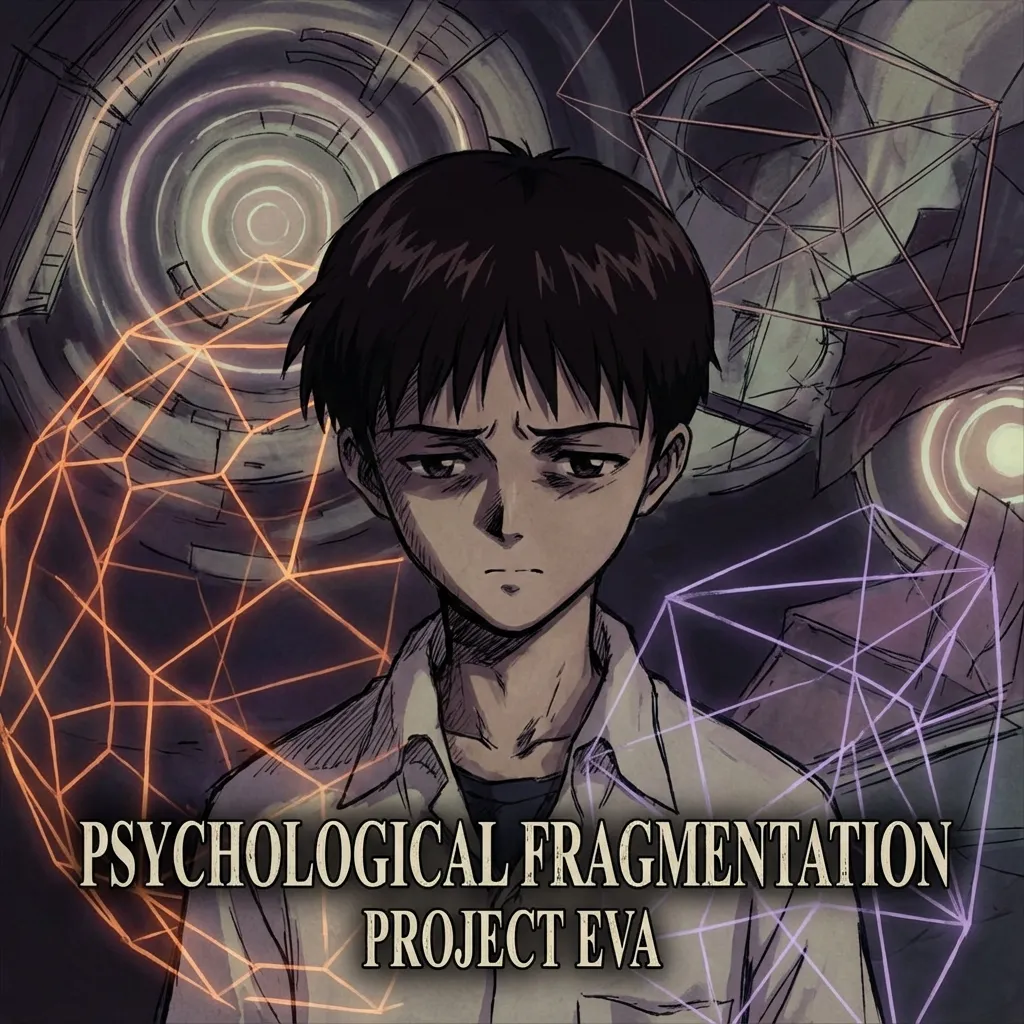
"Neon Genesis Evangelion style, neon genesis evangelion, plug suit pilot portrait, slim teenage figure in red plug suit with white shoulder armor and neck ring, hollow expression, NERV command room behind with rows of monitors, cool fluorescent fill, deep shadow blocks, telephone-pole symmetry, anno-style still composition"
Try this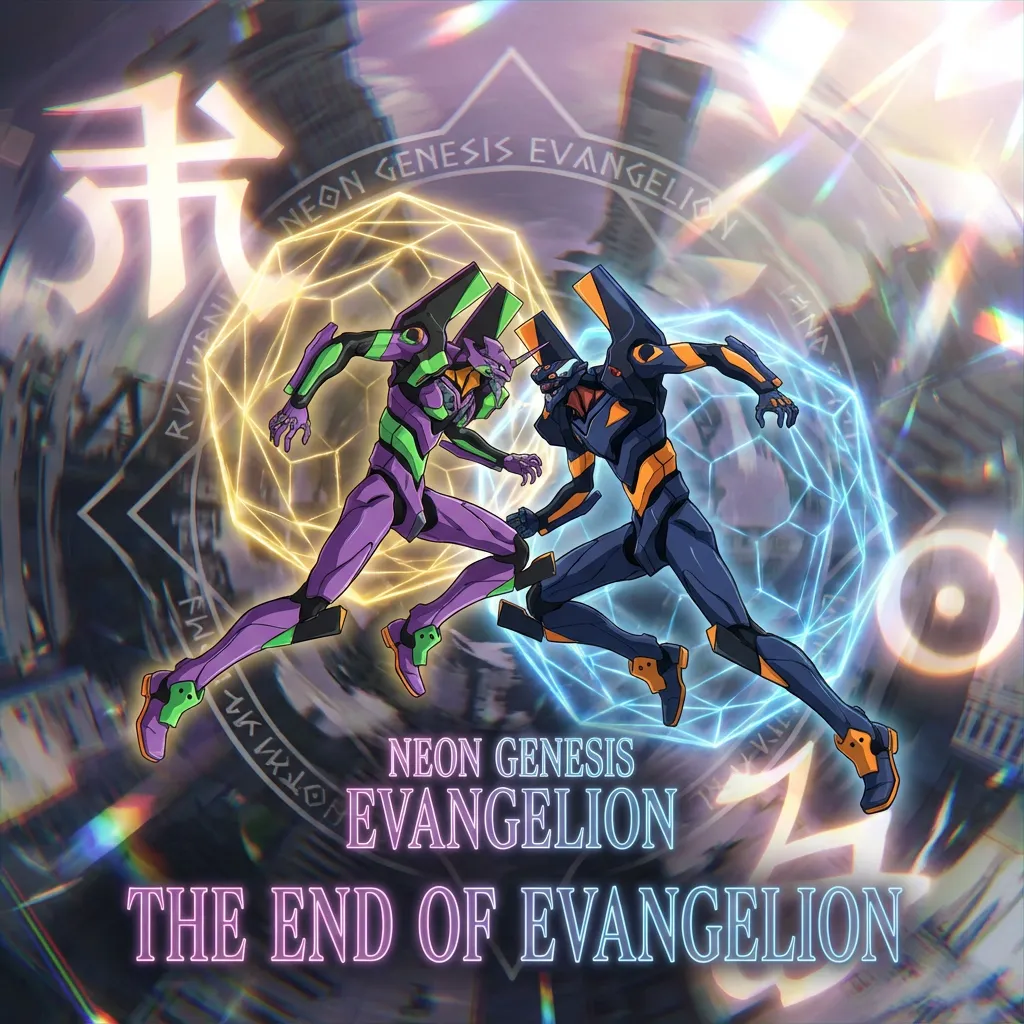
"Neon Genesis Evangelion style, evangelion angel scene, sachiel-style monolith creature standing over a flooded city, masked split face, twin bone-spear arms, red core glowing through chest plating, AT-field hexagons refracting in mid-air, geofront cathedral lighting, biblical scale, surreal silence, hideaki anno style"
Try thisMake your own Neon Genesis Evangelion style art
Type a prompt below, or tap a starter to begin.
Generate a Neon Genesis Evangelion scene
Type a scene below and press Generate.
Why choose Anifusion?
EVA panel-line biomechanics
Layer the body in dense panel-line ribbing, exposed shoulder bushings, and a predator-style jaw with visible teeth. Skeletal proportions read as restrained animals more than friendly robots.
AT-field hexagon refraction
Render AT fields as overlapping hexagons of refracted air, not as glowing energy shields. Edges shimmer faintly, the hexagons stack at offset angles, and the background warps slightly behind them.
Anno-style anxious framing
Use long held shots, telephone-pole symmetry, off-center subjects against negative space, ceiling-fixture geometry, and the kind of stillness that makes the viewer wait. Quiet panic instead of action.
Sachiel-style angel silhouettes
When generating angels, lean on early-show silhouettes: monolithic standing bodies, masked split faces, twin spear arms, and a red core glowing under chest plating. Treat them as architecture more than as creatures.
Lens flares and LCL distortion
Add horizontal lens flares, blooming highlights, and pools of orange LCL fluid that warp underwater silhouettes. Subtle digital glitches and chromatic aberration push scenes into a slightly unreal register.
Geofront cathedral lighting
Backgrounds borrow from cathedral interiors and brutalist megastructures: long verticals, suspended walkways, hard god-rays from a single high source, deep shadow blocks, and clinical fluorescent fill in the foreground.
Create in 3 easy steps
Write your prompt
Describe your vision for Neon Genesis Evangelion style in plain language.
Refine settings
Tune the aspect ratio and style strength to your liking.
Generate and enjoy
Click generate and watch your masterpiece come to life in seconds.
Related styles
Discover more artistic directions you might love
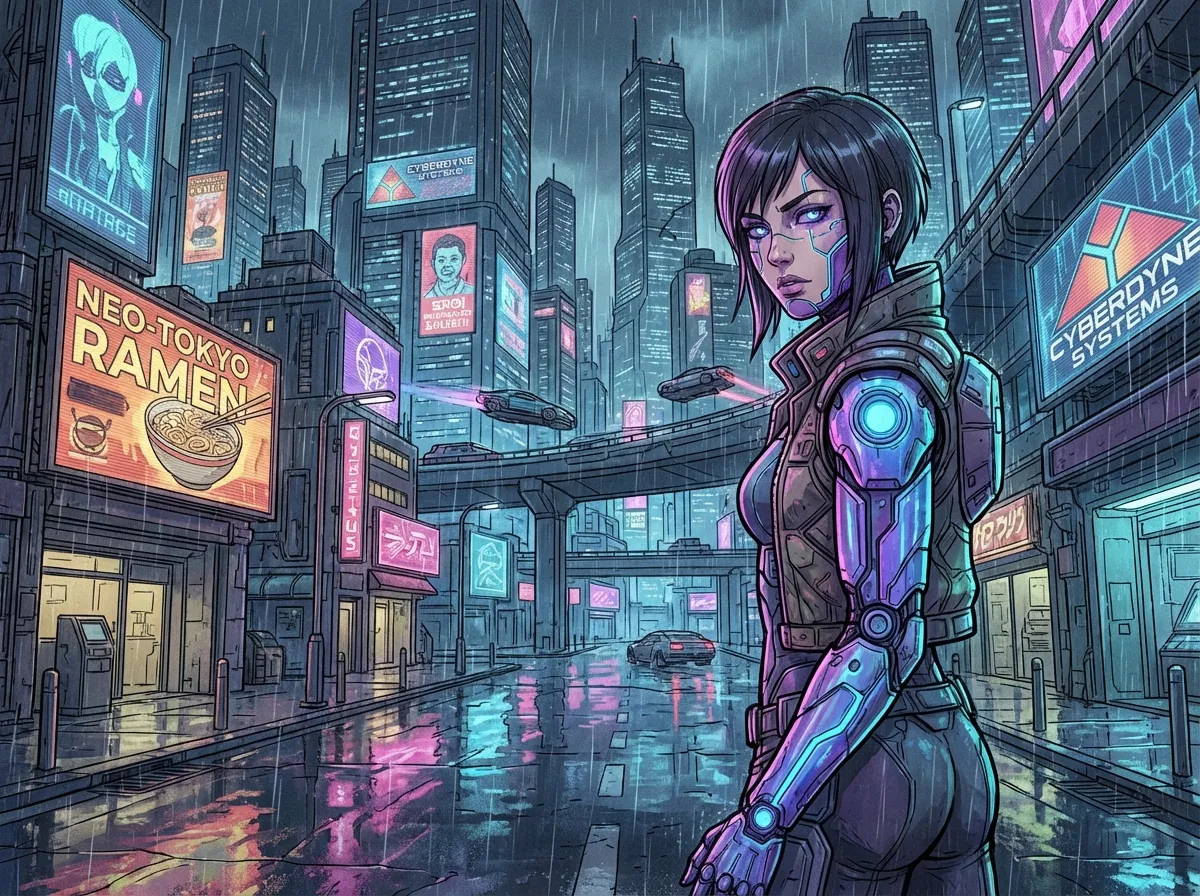
Cyberpunk anime style
Cyberpunk anime style is a Neo Tokyo dystopian look defined by neon Kowloon rooftops, Akira-style motorcycle smear lines, holographic ad billboards, and chrome-and-cable cyberware on characters. It suits original netrunners, dystopian street stills, and bike-action key art.
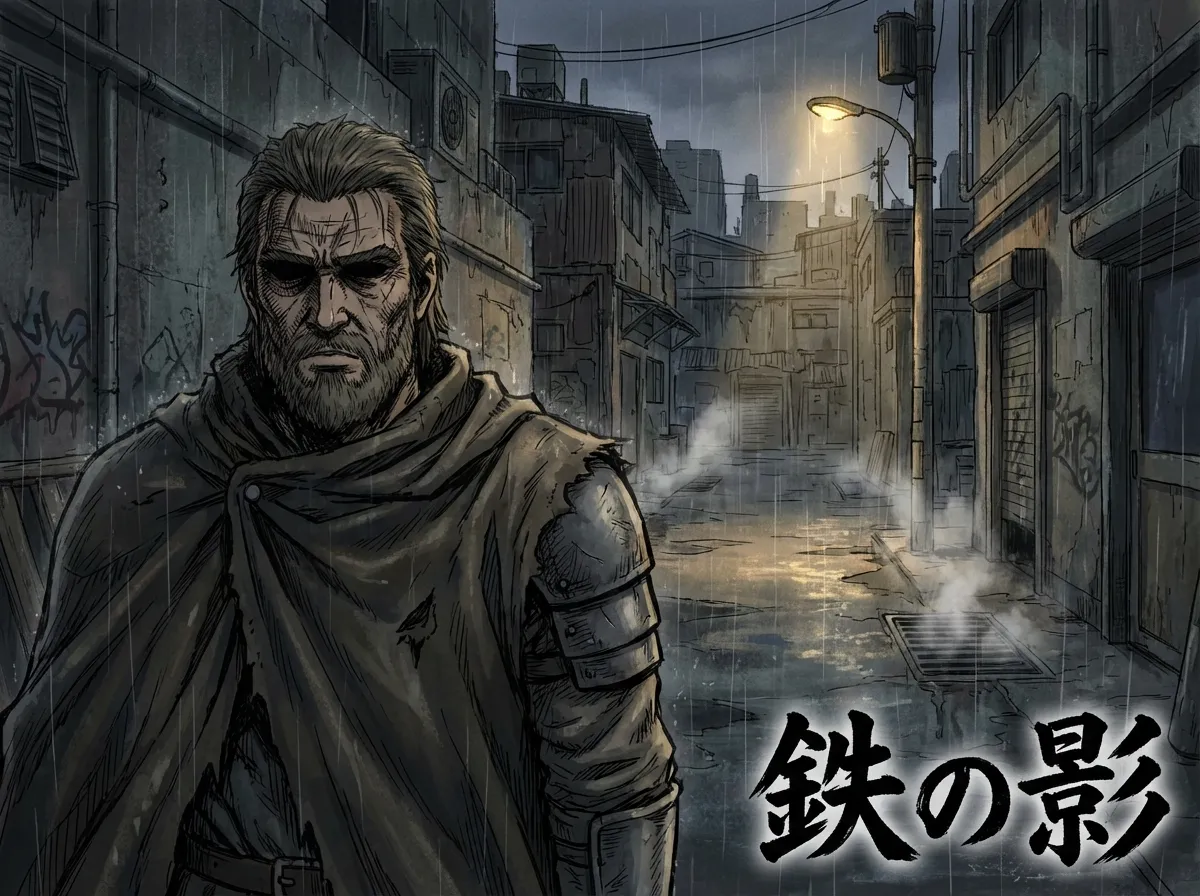
Seinen realistic style
Seinen realistic style is a heavily rendered adult-manga look defined by Kentaro Miura crosshatch, European medieval anatomical accuracy, Takehiko Inoue ink-wash skin tone, and somber dark-fantasy atmosphere. It suits original warriors, samurai duels, Viking ship key art, and gekiga character portraits.
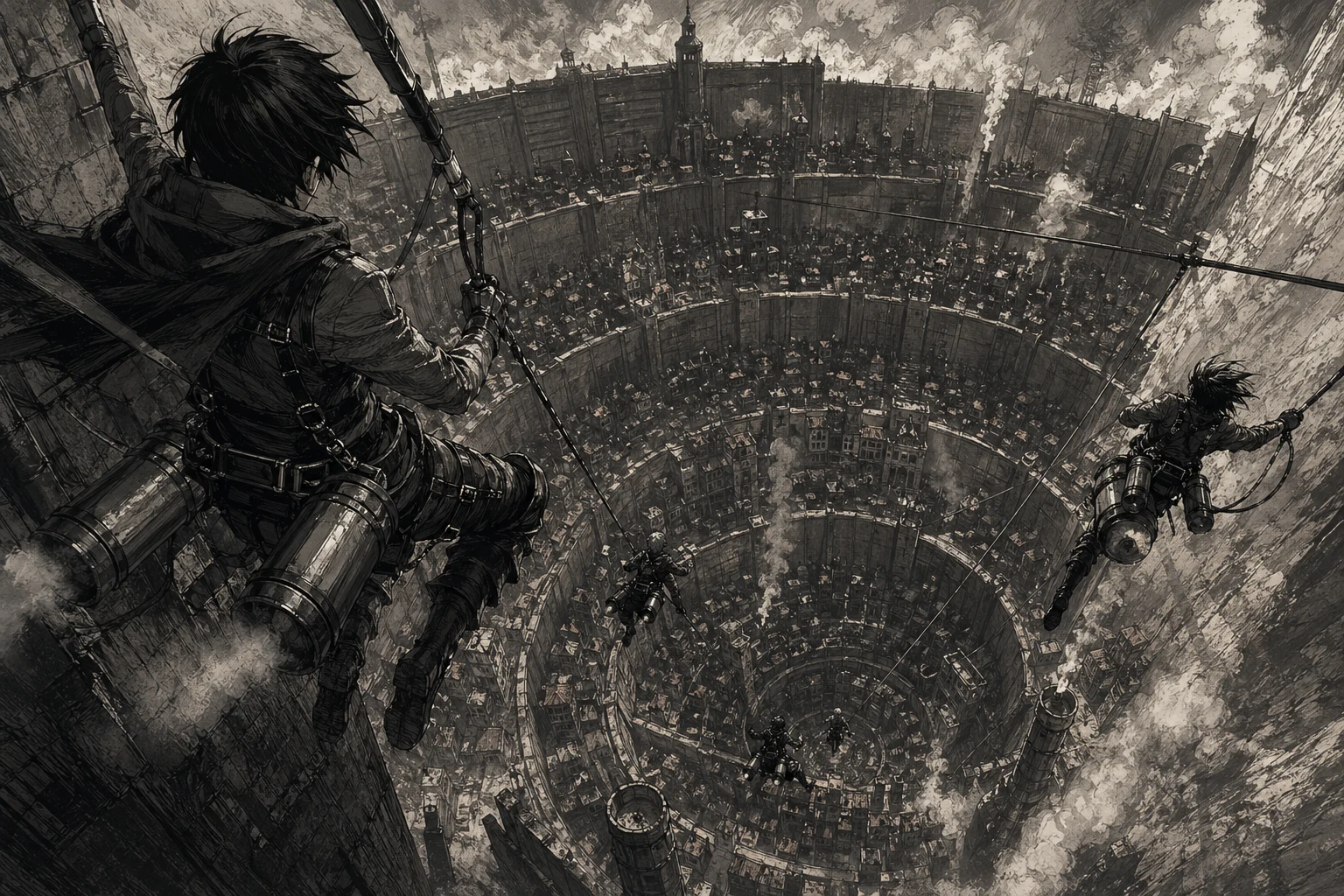
Attack on Titan style
Attack on Titan style pairs Isayama jagged ink lines and dense crosshatch with ODM gear cable trails, ruined Wall Maria perspective, and pure scale dread. It suits Survey Corps OCs, vertical-action chase panels, and walled-city establishing shots.
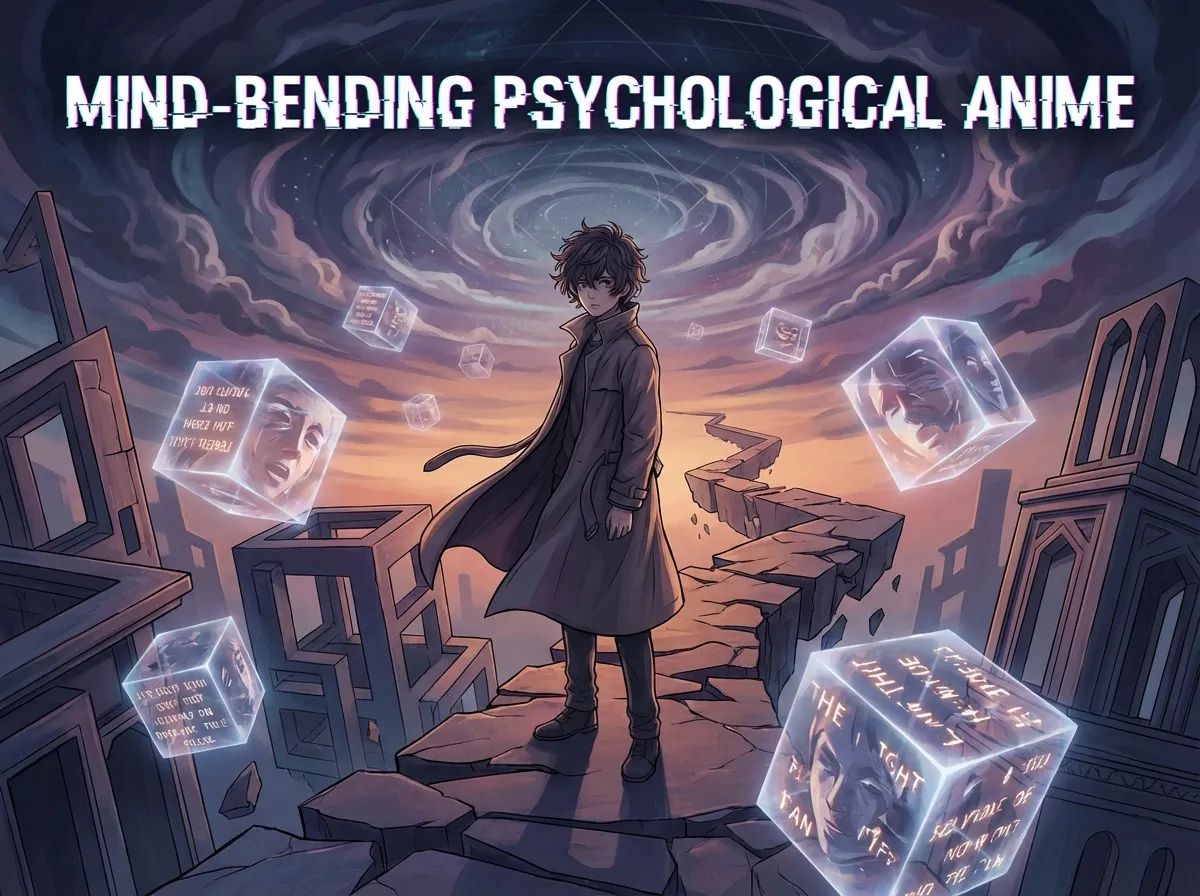
Psychological anime style
Psychological anime style uses image, not exposition, to show what is going on inside a character. Fragmented mirrors, asymmetric framing, off-color palettes that read uneasy, and double-exposure faces are the core grammar. The look feels arthouse, slightly off, and intentionally hard to settle into.
Sci-fi anime style
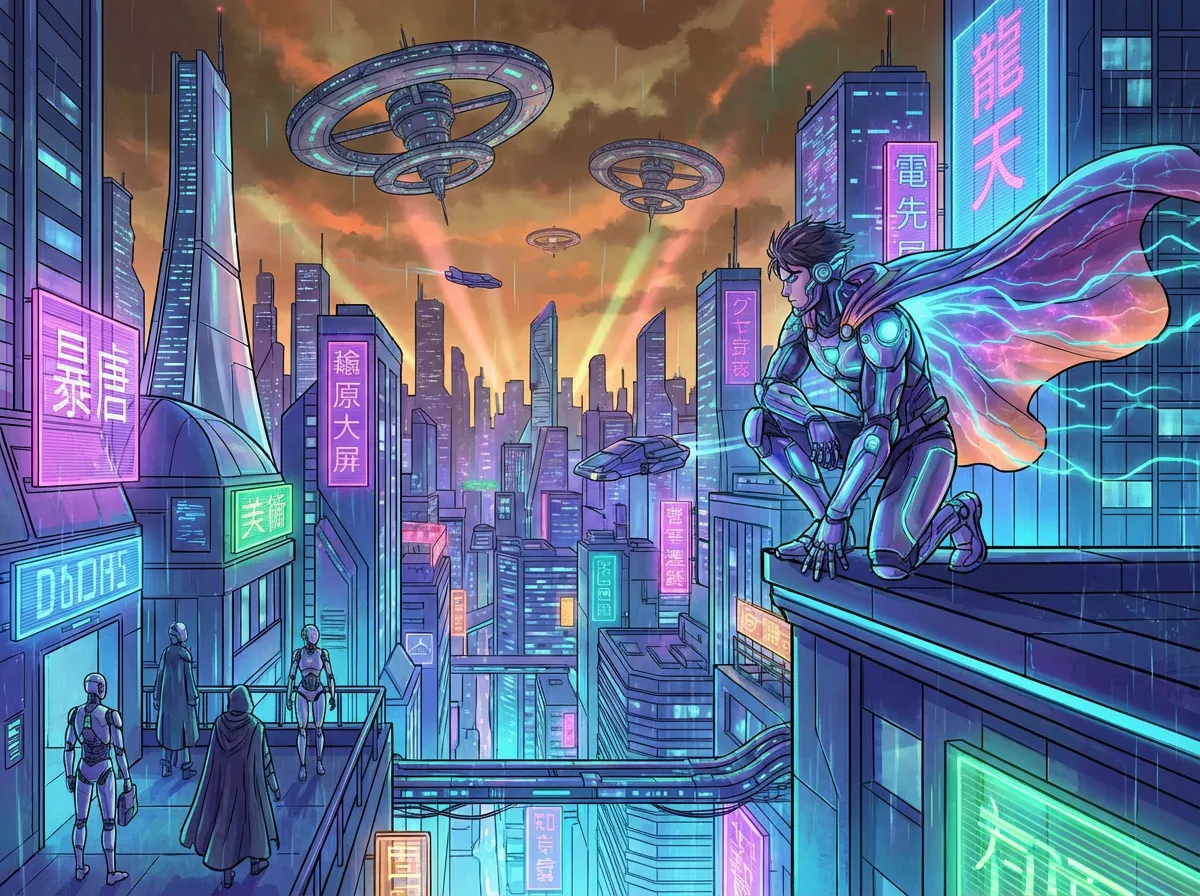
Sci-fi anime style covers near-future and far-future worlds: panel-line mecha detail, anamorphic lens flares across rain-slick streets, neon HUD overlays on cockpit glass, and metallic rim light along android joints. Use it for cyberpunk page art, mecha cover keys, dystopian short-film mood boards, and hard-SF book covers.
Fullmetal Alchemist style
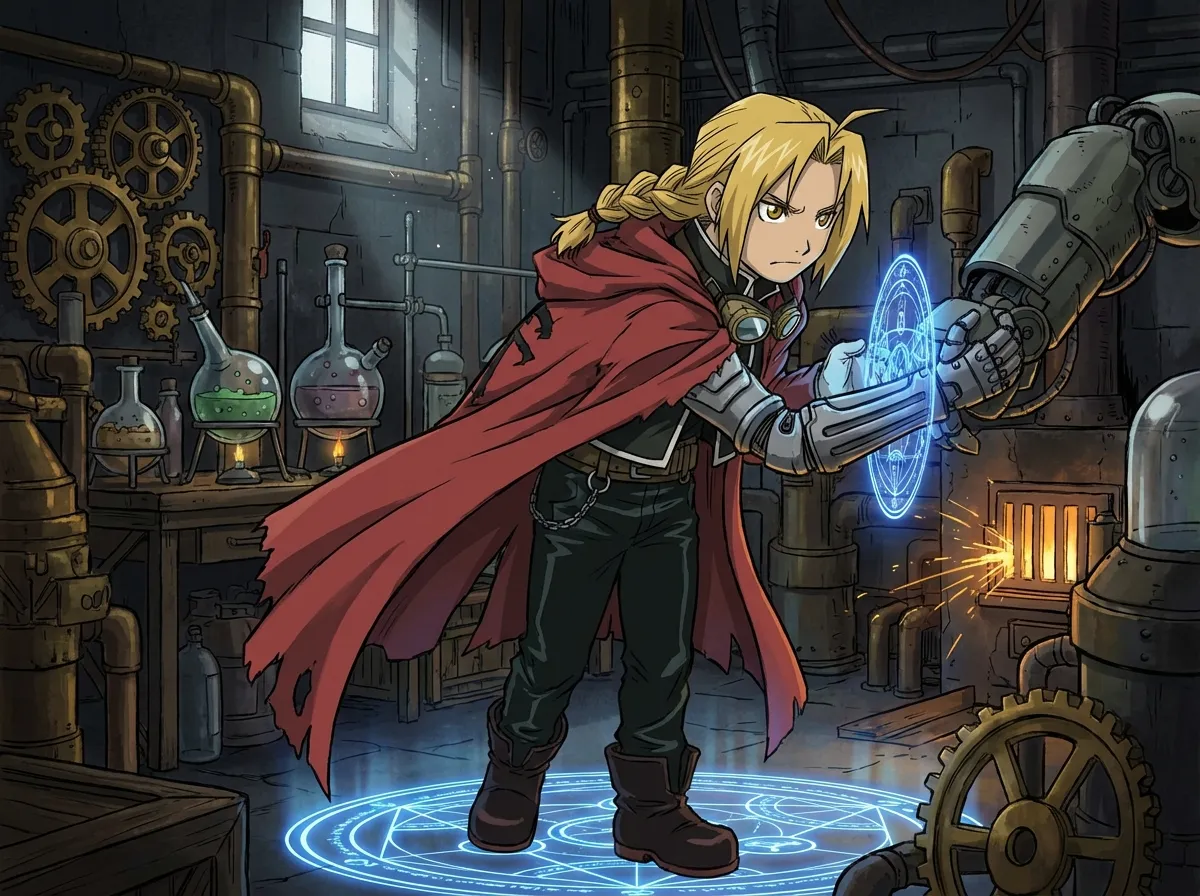
The Fullmetal Alchemist style blends military uniform design with industrial steampunk environments and the geometric language of alchemy. Expect sharp outlines, brass and gunmetal palettes, and characters whose silhouettes carry the weight of automail and Amestrian-coat detailing.
Frequently asked questions
Prompt tips, rights, and workflow. Sign up free to generate in this look today.
Generate a Neon Genesis Evangelion scene
Type a scene below and press Generate.
What makes the Evangelion visual style unique?
It mixes hard mechanical detail with arthouse film grammar. EVAs read like restrained animals in panel-line armor instead of friendly robots, AT fields appear as refracting hexagons rather than glowing shields, and angels carry monolithic, almost architectural silhouettes. The framing borrows from Hideaki Anno's love of long held shots, symmetry, and Christian and Kabbalistic iconography, which gives even calm scenes an anxious, religious weight.
How do I prompt for accurate EVA unit designs?
Anchor the body, then anchor the face. Ask for dense panel-line ribbing across the armor, shoulder pylons, restraint cables, and the predator-style jaw with visible teeth. Add color cues such as deep purple for unit-01, blood orange and white for unit-02, or pearl white for unit-00. Mention the umbilical cable and a slim, almost fragile silhouette so the model does not default to a chunky Gundam shape.
How are AT fields supposed to look?
Think refracted air, not glowing plasma. AT fields read as overlapping hexagons that bend the background slightly, with edges that shimmer faintly and orange or violet rim highlights running across them. They tend to appear in mid-strike, frozen at the moment a fist or weapon hits them, often filling much of the frame. Prompt with phrases like "AT field hexagon refraction", "overlapping hexagons in mid-air", and "background warping behind the field".
Can I generate the angels (Sachiel, Ramiel, etc.)?
Yes, but it helps to describe each angel as a piece of architecture. Sachiel works best as a monolithic standing body with a masked split face and twin spear arms; Ramiel as a perfect floating octahedron of deep blue crystal with hard internal light; Israfel as a paired humanoid set with rigid postures. Always include the red core under the chest plating, and ask for biblical scale, low-angle framing, and a city or sea below.
How do I get that distinct Anno-style atmosphere?
Slow the picture down. Lean on symmetry such as telephone poles, ceiling fixtures, and hospital corridors, negative space around the subject, long held compositions, and harsh single-source light such as overhead fluorescents or a setting sun. Faces stay flat, mouths stay closed, and small details like cicadas, train sounds, or empty cans imply heat and quiet. Pair these with a religious or industrial backdrop and the mood will read instantly.
How does this differ from other mecha anime styles?
Most mecha franchises focus on hardware and politics; Evangelion is about the anxiety and identity inside the cockpit. Visually that means slimmer, more biological EVAs instead of armored knight silhouettes, refraction-based AT fields instead of beam shields, religious symbolism instead of military insignia, and anxious arthouse framing instead of dynamic action splash pages. Pick this style when you want a mecha image that also functions as a character study.
Start creating Neon Genesis Evangelion style art today
Join 130,000+ creators and bring your imagination to life with 100 free credits.