Generate Death Note style art with AI
Takeshi Obata clean noir line, L pose silhouettes, shinigami feather backdrops, and deep-shadow desk-lamp lighting for psychological thriller panels.
Franchise, studio, and character references describe style or mood only, not a license, sponsorship, endorsement, or affiliation. You are responsible for your prompts and outputs. As-is, no warranty of non-infringement (not legal advice). For DMCA, copyright, or trademark issues, use our Contact page.
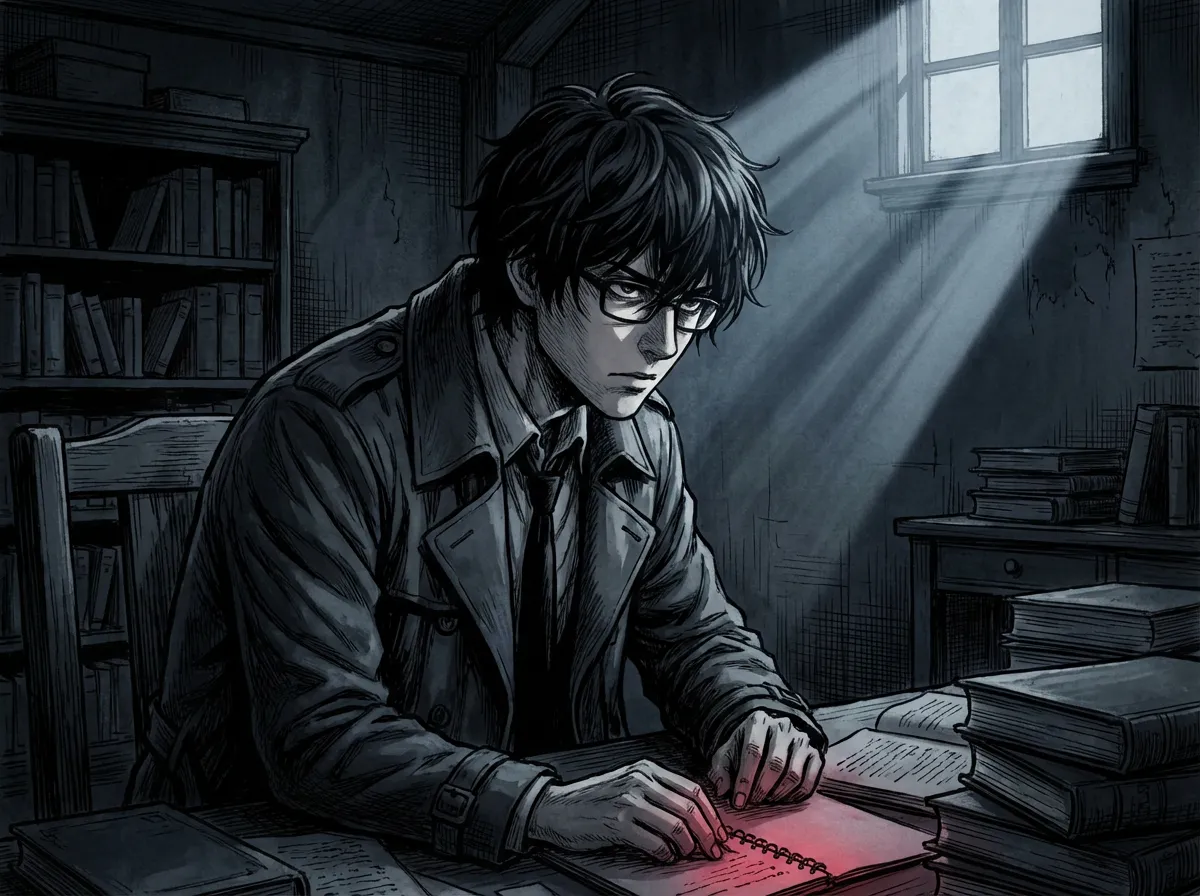
Generate a Death Note scene
Type a scene below and press Generate.
About Death Note style
Death Note style is a noir-realist manga look defined by Takeshi Obata's clean precise line, deep-shadow desk-lamp lighting, L-style crouch silhouettes, and shinigami feather backdrops. It suits cat-and-mouse thriller panels, study-room standoffs, and original detective and reaper character art.
The Death Note style is the look Takeshi Obata built across the 12-volume Death Note manga (2003 to 2006), and it is one of the cleanest 'realist seinen' visual languages in modern manga. The line is precise and reserved, much closer to architectural draftsmanship than to typical shonen brushwork: thin uniform contours, very few hatching marks on skin, and almost no speed lines. Faces use realistic adult proportions (longer chins, narrower eyes, anatomically correct foreheads) instead of the round-eye anime template, and characters are styled like cast in a 2000s suspense drama (suit-and-tie protagonists, monogram polo shirts, business-casual silhouettes).
Lighting and composition do most of the storytelling. Scenes are lit by single hard sources (a desk lamp, a window slat, a CRT monitor glow) that throw deep shadows across half a face, the classic noir half-light. Backgrounds are quiet (offices, hotel suites, university libraries, concrete city rooftops at night) and saturation is held very low, so a single colored object (a red apple, a black notebook, blue police tape) reads as a focal hit. Shinigami characters break the realism: they are gothic, asymmetric, oversized in frame, with feather and bone motifs, and Obata draws them with thicker outlines so they pop against the human-realist background. Recurring composition tricks include the L-style crouch (knees up, bare feet on the seat, hand at the lip), the desk-lamp face split, and the high-angle look-down on a notebook with a hand entering frame.
To prompt for the Death Note style on Anifusion, lead with 'death note style', 'takeshi obata noir manga style', or 'obata clean line realist seinen', then specify the noir lighting setup ('deep-shadow desk-lamp lighting', 'half-face split shadow', 'window-slat noir light'), the character archetype ('young detective in business shirt', 'analyst in suit', 'crouch silhouette on chair'), and one supernatural element if you want it ('shinigami feather backdrop', 'gothic asymmetric reaper'). Add 'desaturated palette with single red accent' and 'thin uniform line, minimal hatching' to lock the look. The Death Note style generator is built for original detectives, original reapers, study-room standoffs, and noir thriller cover art, not named cast portraits.
Try Death Note style generation
Try the look on your own prompt. Start from one of the examples below.
Example prompts
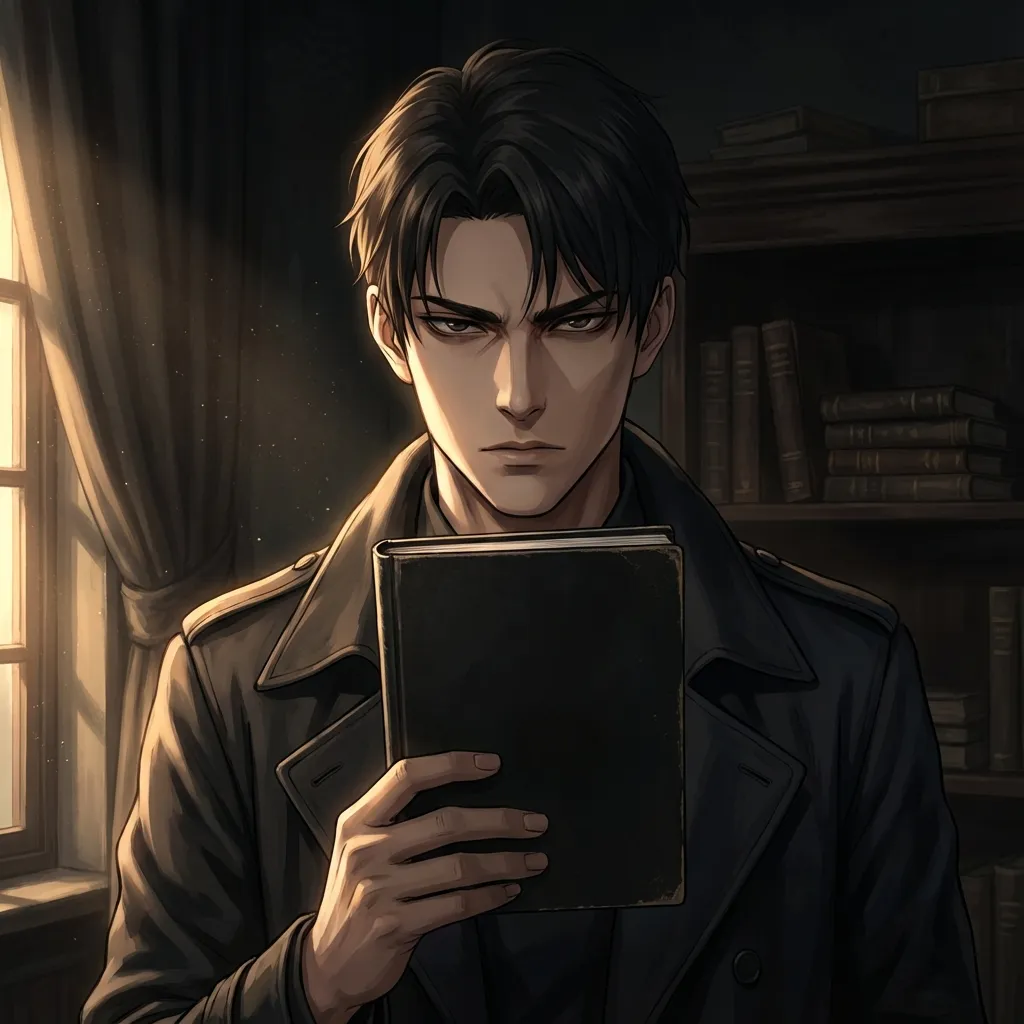
"death note style, young detective in white business shirt and loose tie writing in a black notebook on a wooden desk, deep-shadow desk-lamp lighting splitting his face, single red apple on the desk, desaturated beige and charcoal palette, takeshi obata clean noir line"
Try this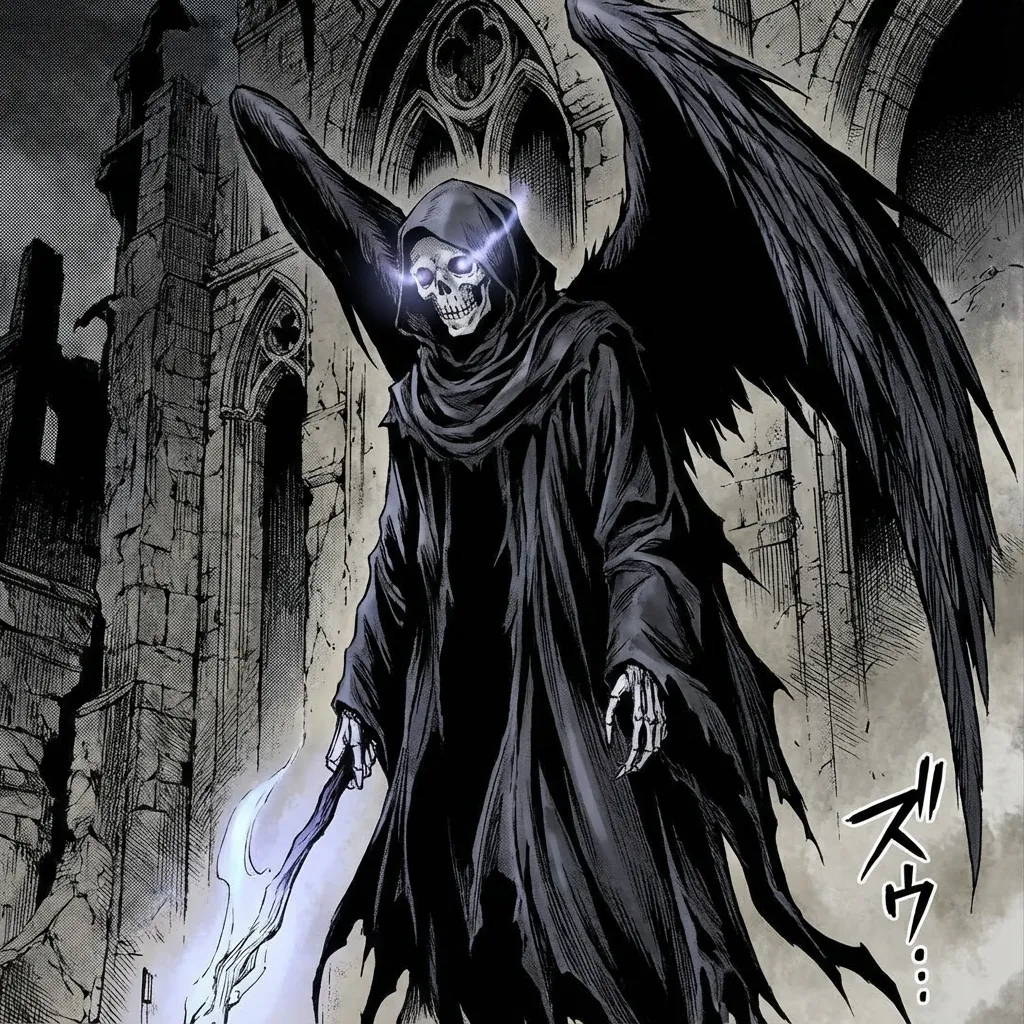
"Death Note style, obata noir manga style, gothic asymmetric shinigami with bone armor and torn black feather wings looming over a sleeping student in a dim bedroom, oversized in frame, thicker outline on the reaper, window-slat noir light across the floor"
Try this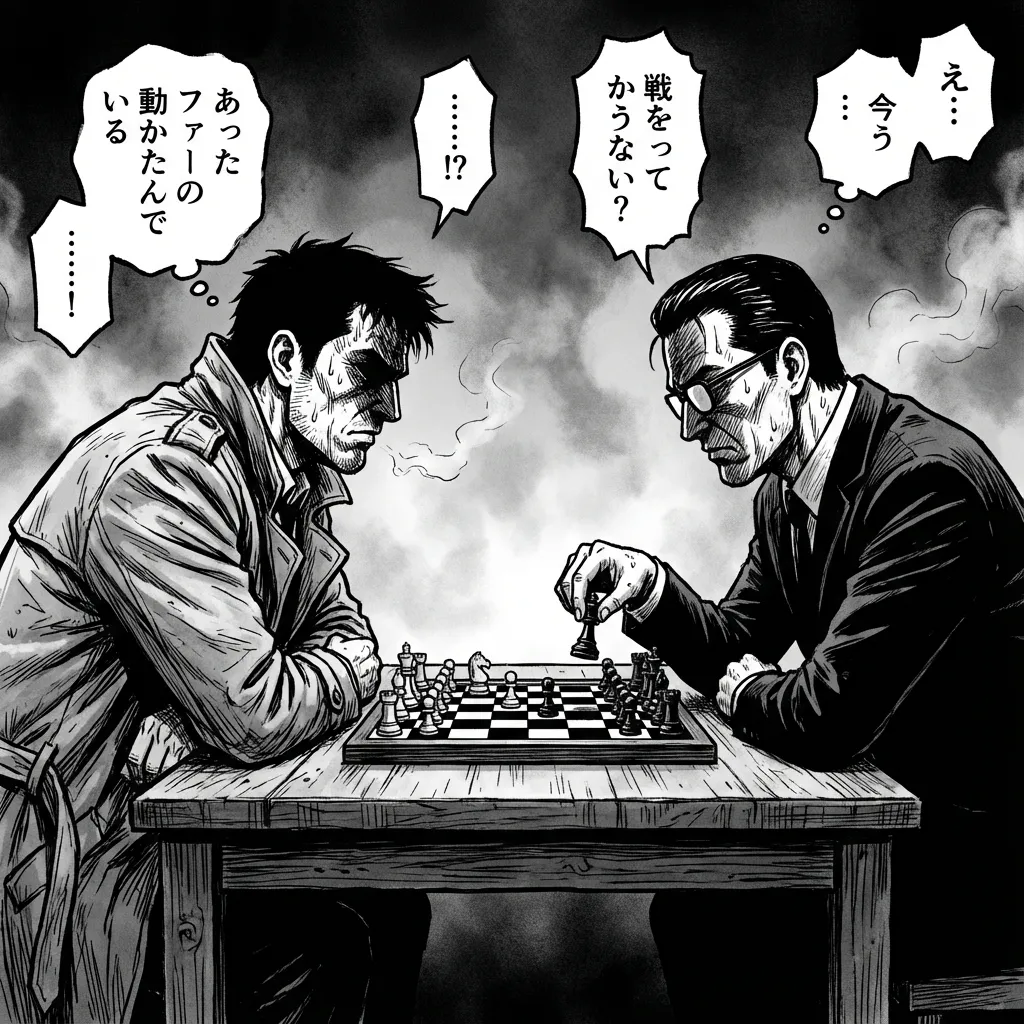
"death note style standoff panel, two analysts in suits across a glass table in a dim hotel suite, one in an L crouch silhouette on the chair with knees up and bare feet, half-face split shadow on both, blue police tape in the background, thin uniform line, minimal hatching"
Try thisMake your own Death Note style art
Type a prompt below, or tap a starter to begin.
Generate a Death Note scene
Type a scene below and press Generate.
Why choose Anifusion?
Obata clean noir line
Thin uniform contours, minimal hatching on skin, no speed lines, and architectural-draftsman precision in faces and hands.
Desk-lamp deep-shadow lighting
Single hard sources (desk lamp, window slat, monitor glow) carving half-face shadow, the classic Death Note noir lighting setup.
L pose crouch silhouette
Knees-up crouch on a chair, bare feet on the seat, hand at the lip, slumped shoulders: the Obata seated silhouette that reads instantly as Death Note.
Shinigami feather backdrop
Gothic asymmetric reaper with bone and feather motifs, oversized in frame, drawn with a thicker outline so they pop against the realist human cast.
Desaturated single-accent palette
Quiet beige, charcoal, and gray ground with one saturated focal hit (red apple, black notebook, blue tape), 2000s suspense-drama color logic.
Realist seinen proportions
Adult facial geometry (longer chin, narrower eyes, correct forehead), business-casual outfits, and a body language closer to live-action drama than shonen.
Create in 3 easy steps
Write your prompt
Describe your vision for Death Note style in plain language.
Refine settings
Tune the aspect ratio and style strength to your liking.
Generate and enjoy
Click generate and watch your masterpiece come to life in seconds.
Related styles
Discover more artistic directions you might love
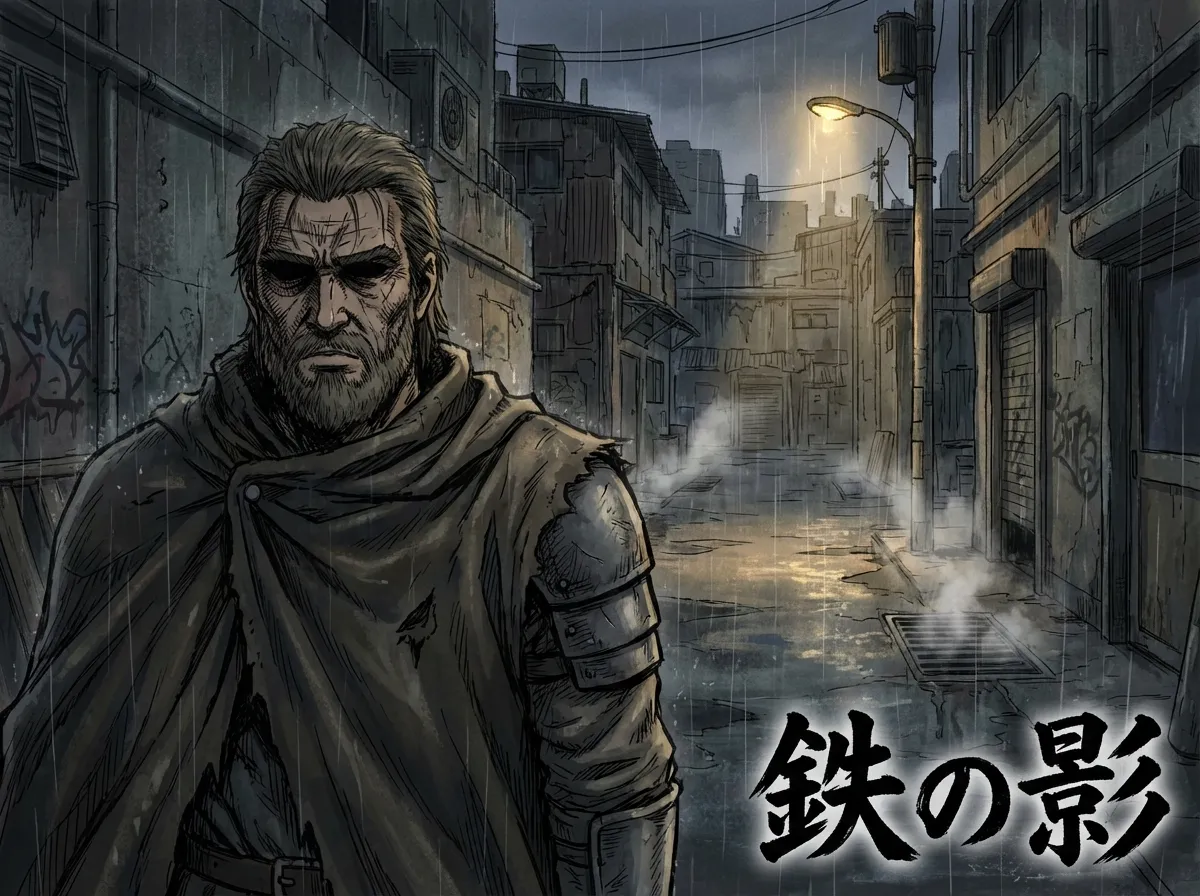
Seinen realistic style
Seinen realistic style is a heavily rendered adult-manga look defined by Kentaro Miura crosshatch, European medieval anatomical accuracy, Takehiko Inoue ink-wash skin tone, and somber dark-fantasy atmosphere. It suits original warriors, samurai duels, Viking ship key art, and gekiga character portraits.
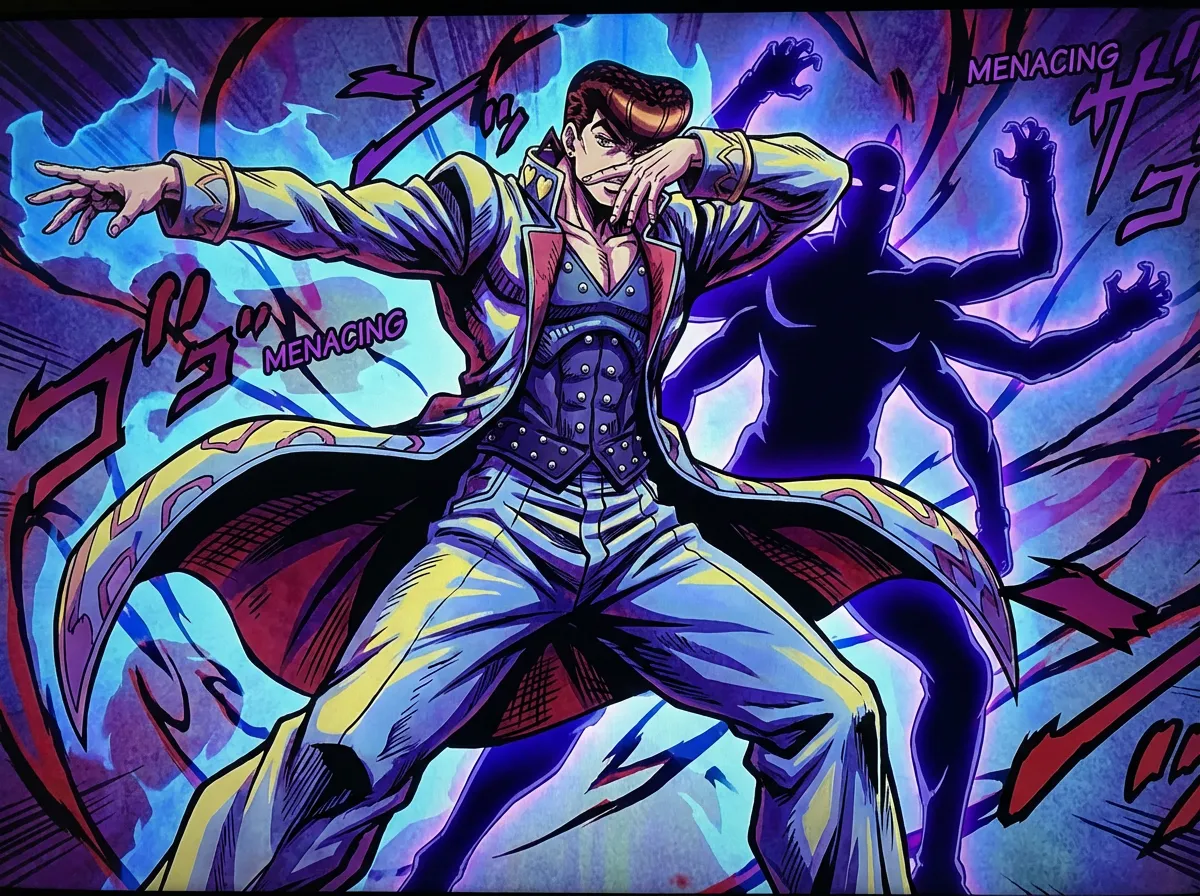
JoJo's Bizarre Adventure style
JoJo's Bizarre Adventure style pairs Hirohiko Araki muscle-pose torque, fashion-photo color grading, and Stand glow halos with high-couture costume detail. It suits original Stand users, contrapposto poster art, and Stand reveal panels.
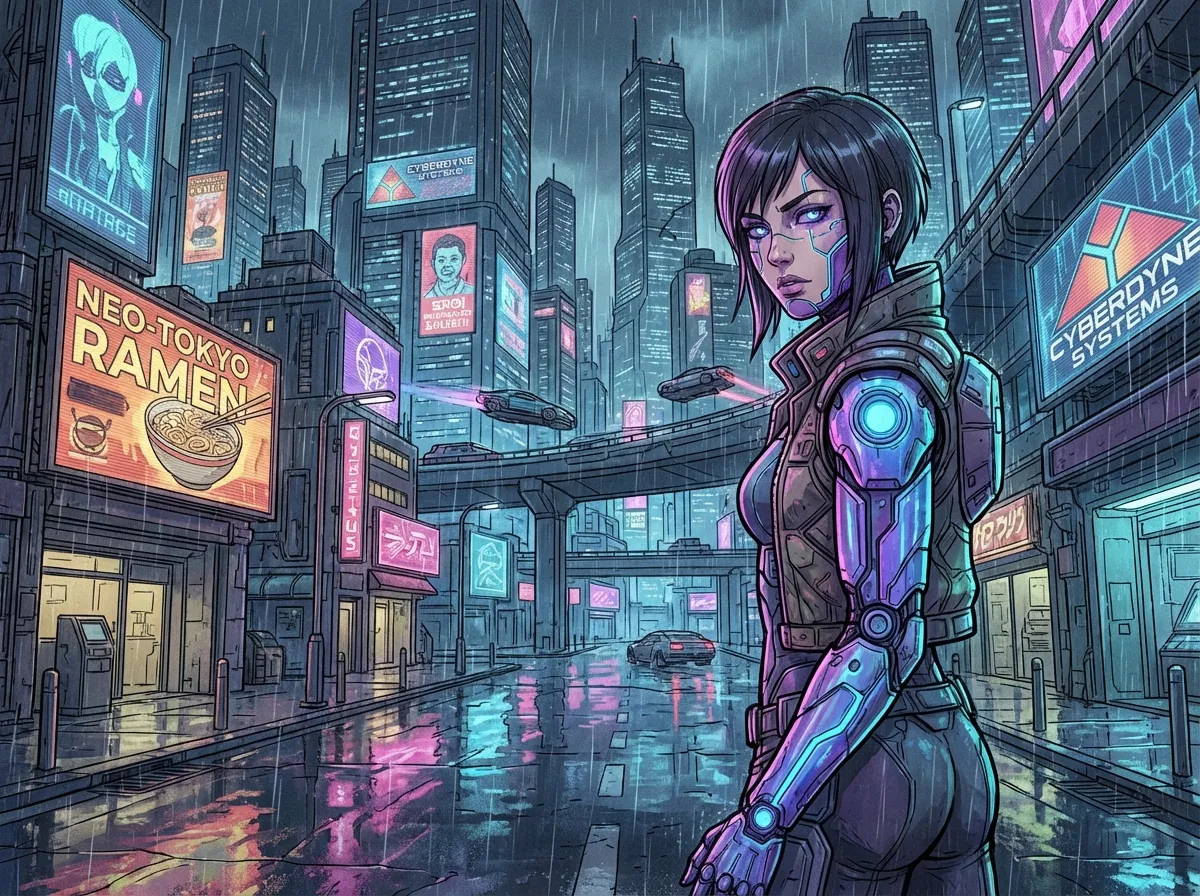
Cyberpunk anime style
Cyberpunk anime style is a Neo Tokyo dystopian look defined by neon Kowloon rooftops, Akira-style motorcycle smear lines, holographic ad billboards, and chrome-and-cable cyberware on characters. It suits original netrunners, dystopian street stills, and bike-action key art.
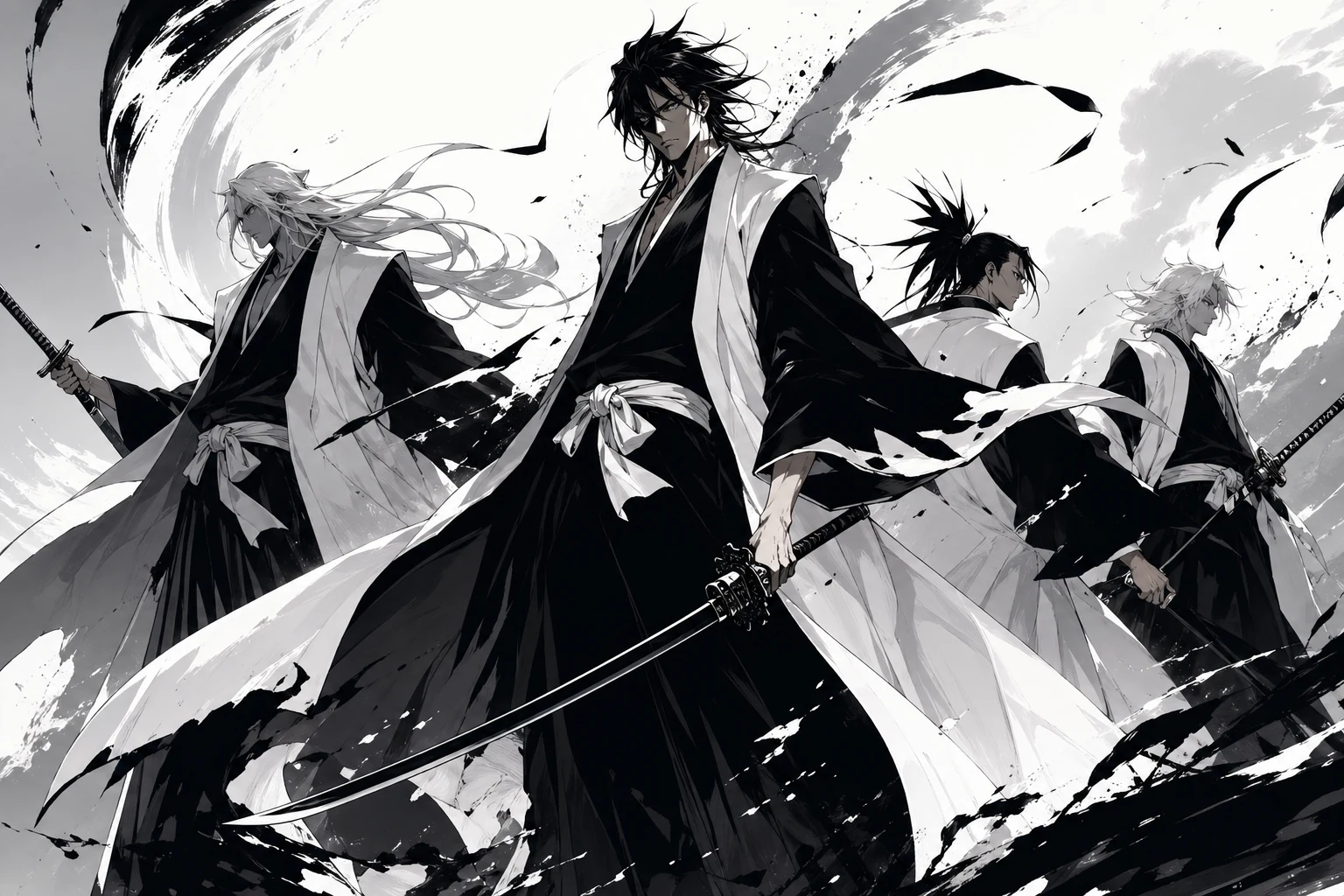
Bleach style
Bleach style is a high-fashion shonen look defined by Tite Kubo's high-contrast ink, the Hueco Mundo desaturated white-gray-black palette, Zanpakuto release glows, and 9-head runway-tall shihakusho silhouettes. It suits original captains, hollows, Quincy, and bankai release key art.
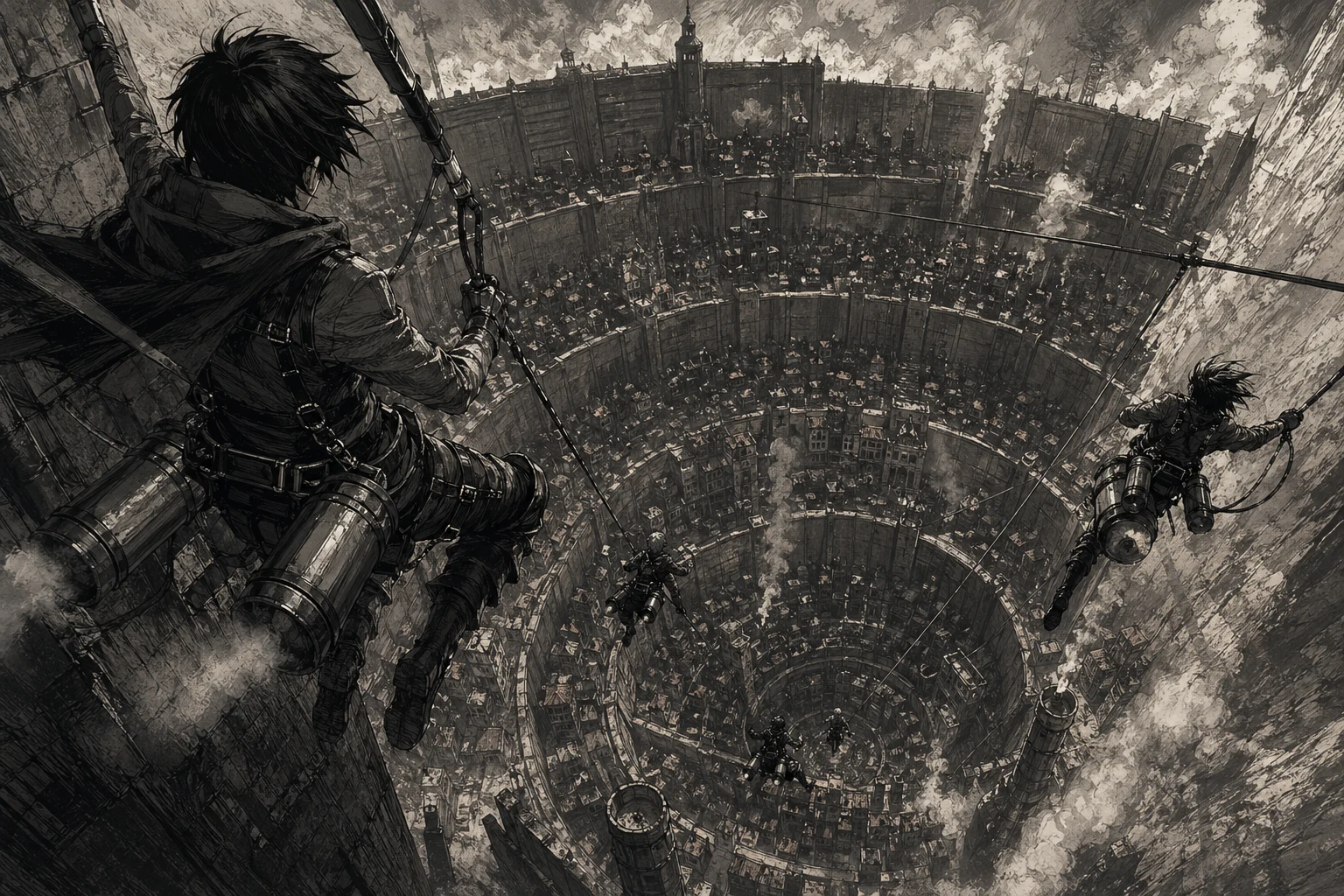
Attack on Titan style
Attack on Titan style pairs Isayama jagged ink lines and dense crosshatch with ODM gear cable trails, ruined Wall Maria perspective, and pure scale dread. It suits Survey Corps OCs, vertical-action chase panels, and walled-city establishing shots.
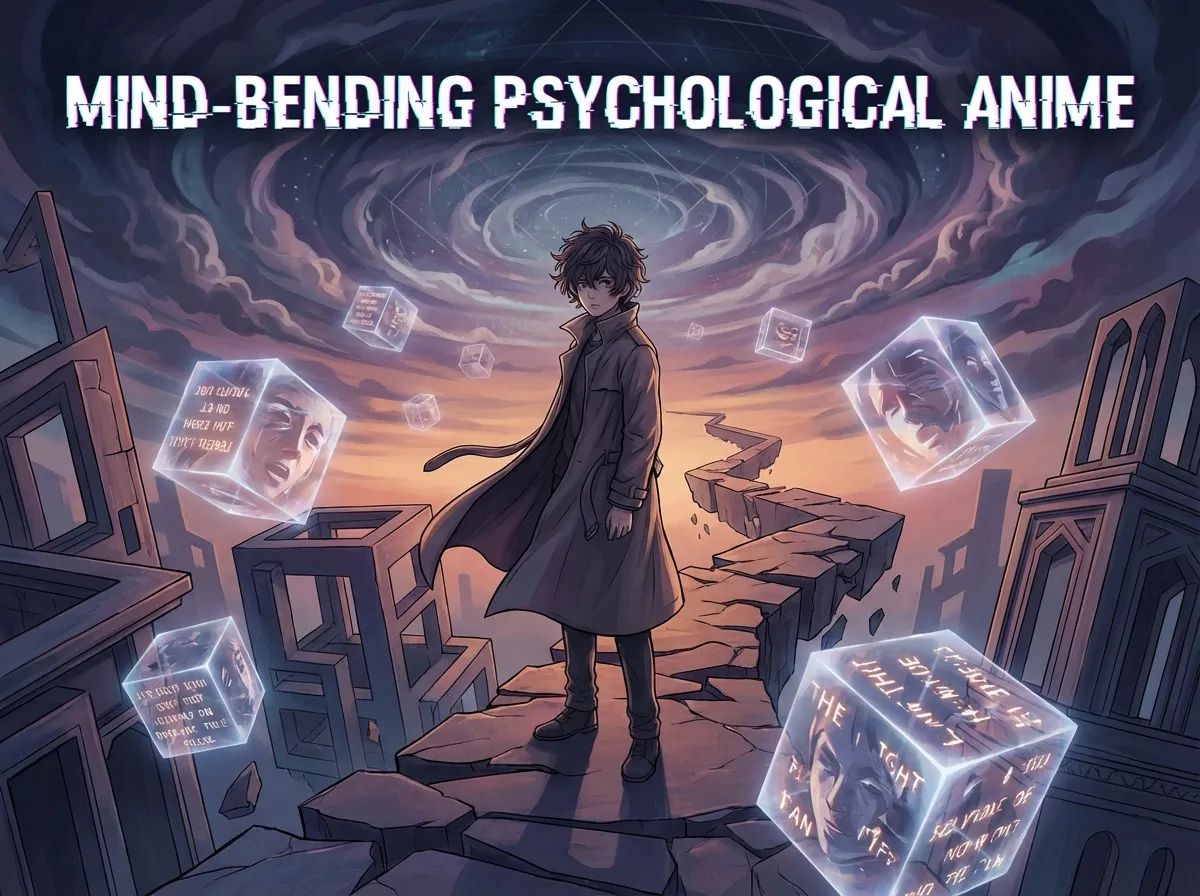
Psychological anime style
Psychological anime style uses image, not exposition, to show what is going on inside a character. Fragmented mirrors, asymmetric framing, off-color palettes that read uneasy, and double-exposure faces are the core grammar. The look feels arthouse, slightly off, and intentionally hard to settle into.
Frequently asked questions
Prompt tips, rights, and workflow. Sign up free to generate in this look today.
Generate a Death Note scene
Type a scene below and press Generate.
What defines the Death Note art style?
Three things define it. First, Takeshi Obata's thin uniform line with almost no hatching, closer to architectural draftsmanship than to shonen brushwork. Second, hard single-source noir lighting (desk lamps, window slats) that splits faces in half with deep shadow. Third, a desaturated 2000s suspense-drama palette where a single red apple or black notebook does all the color work. Add a gothic asymmetric reaper and the look snaps into place.
How is Death Note different from typical shonen manga?
Death Note is realist seinen, not shonen. There are no speed lines, no exaggerated muscle anatomy, no big shouting eye reflections. Faces use real adult proportions, costumes are business-casual, and the action is psychological (writing in a notebook, sliding chess pieces, watching a monitor) instead of physical. If you have been prompting for shonen and getting big eyes and motion lines, that is the wrong tradition for this style.
How do I get the noir lighting right?
Choose one hard light source per scene and name it explicitly. Try 'desk-lamp lighting from camera right with deep cast shadow', 'window-slat noir light across the face', or 'CRT monitor glow lighting from below'. Then add 'half-face split shadow', 'low key lighting', and 'desaturated palette'. Avoid soft global illumination and HDR phrases; they wash out the noir contrast that makes Death Note look like Death Note.
How do I design an original shinigami?
Pick three rules and stay inside them. A clear silhouette family (oversized humanoid, skeletal monkish, gargoyle hunch), a recurring motif (bones, feathers, chains, smoke), and a single off-color (sickly yellow eyes, oxidized green skin, ash gray). Then have the model draw the reaper with a slightly thicker outline than the human cast, and place them oversized in frame with the human looking up. That contrast is exactly how Obata makes shinigami sit alongside realist humans.
Why does my Death Note prompt come out too cartoony?
Usually because the prompt is asking for an anime face with shonen vocabulary. Drop words like 'big eyes', 'cute', 'chibi', 'bright colors', and 'speed lines'. Replace with 'realistic adult facial proportions', 'narrow eyes', 'longer chin', 'thin uniform line', 'minimal hatching', and 'low key noir lighting'. Death Note lives at the realist end of manga, so the prompt has to sound more like a noir film direction than an anime style request.
Can I generate cat-and-mouse standoff scenes?
Yes, and they are a strong fit. Frame the panel as a duel of stillness: two characters at a glass table or across a window, one in the L crouch on a chair, both lit by the same hard source so the half-face split shadows mirror each other, and a single colored prop (apple, notebook, file folder) sitting between them. The drama comes from posture, lighting symmetry, and the colored prop, not from motion.
Can I use Death Note style art commercially?
Anifusion grants you full commercial rights to images you generate. The realist seinen noir style is not protected, but Light Yagami, L, Misa, and Ryuk specifically (along with the named Death Note book design) are owned by Tsugumi Ohba, Takeshi Obata, and Shueisha. For client work, merch, and paid distribution, build with original detectives, original analysts, and original shinigami designs in this same visual vocabulary.
Start creating Death Note style art today
Join 130,000+ creators and bring your imagination to life with 100 free credits.