Generate Fullmetal Alchemist style art with AI
Render automail limbs, transmutation circles, and Amestrian military coats in the gritty, weighty look of Hiromu Arakawa's series.
Franchise, studio, and character references describe style or mood only, not a license, sponsorship, endorsement, or affiliation. You are responsible for your prompts and outputs. As-is, no warranty of non-infringement (not legal advice). For DMCA, copyright, or trademark issues, use our Contact page.
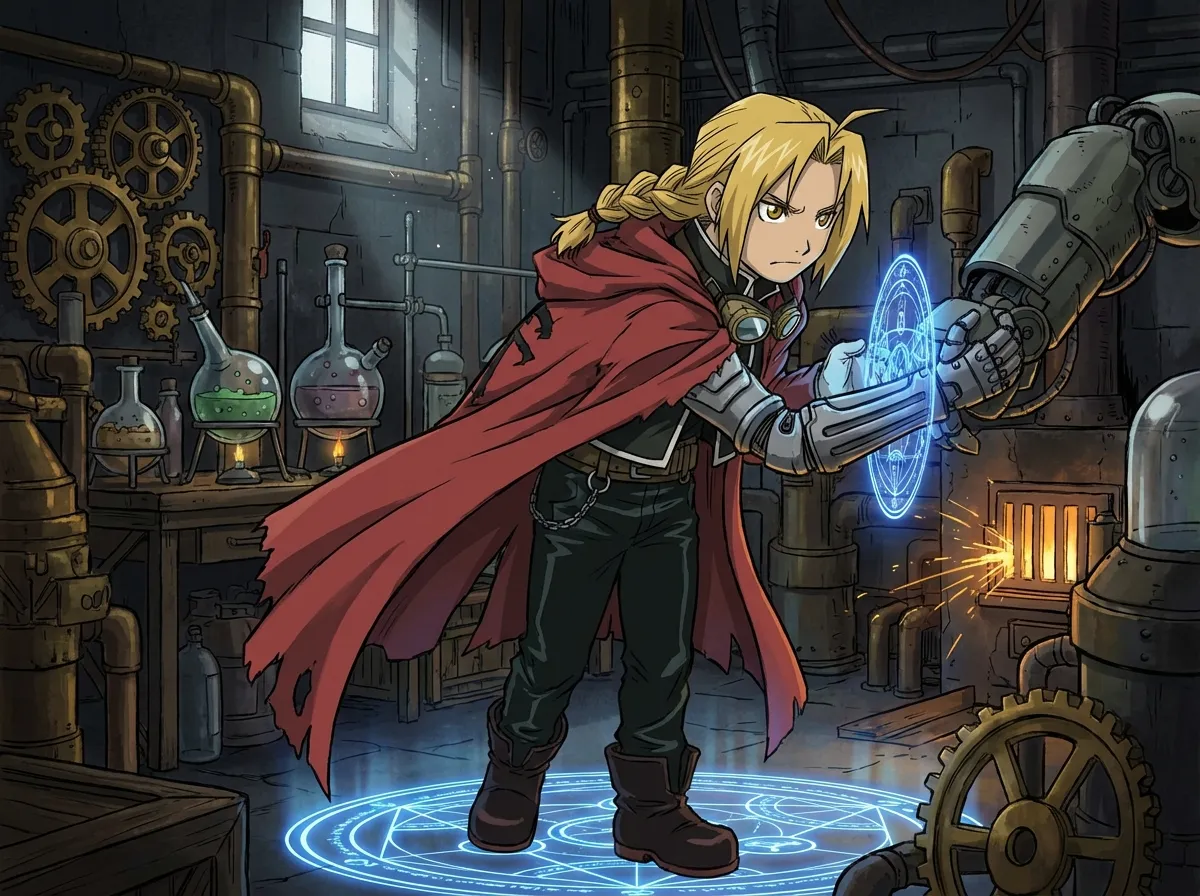
Generate a Fullmetal Alchemist scene
Type a scene below and press Generate.
About Fullmetal Alchemist style
The Fullmetal Alchemist style blends military uniform design with industrial steampunk environments and the geometric language of alchemy. Expect sharp outlines, brass and gunmetal palettes, and characters whose silhouettes carry the weight of automail and Amestrian-coat detailing.
The Fullmetal Alchemist style takes its visual cues from Hiromu Arakawa's manga and the two anime adaptations, fusing early-20th-century European military uniform design with industrial steampunk machinery and the geometric vocabulary of alchemy. Characters typically wear long Amestrian state-military coats over fitted shirts and trousers, with rank markings and high collars that anchor a sharp, professional silhouette. Bodies are drawn with clear musculature and confident outlines, and prosthetic automail (segmented steel plating, exposed wiring, brass jointing on shoulders and knees) reads as both armor and a story beat. Color leans on muted earth tones, brass, gunmetal, and faded reds, with warm rim lighting reserved for moments of transmutation or combat.
This Fullmetal Alchemist style suits creators making dark fantasy, alt-history wartime drama, alchemist or scientist protagonists, and anyone chasing a serious tone over a candy-bright shōnen palette. To prompt the style well, lead with the style tag, then name a subject (state alchemist, automail mechanic, Ishvalan refugee), specify wardrobe (long coat, gloves, military insignia), and add at least one alchemical signal (transmutation circle, drawn array, blue-white alchemy spark). Backgrounds work best when they have purpose: a workshop bench with brass tools, a Central City rooftop, a Resembool farmhouse at dusk.
Compared to the Code Geass style, the Fullmetal Alchemist style generator skews older, less neon, and more textural. Compared to Attack on Titan, it leans into cleaner linework and brighter daylight rather than charcoal grit. Reach for it when you want characters that feel like they have weight, history, and a price already paid.
Try Fullmetal Alchemist style generation
Try the look on your own prompt. Start from one of the examples below.
Example prompts
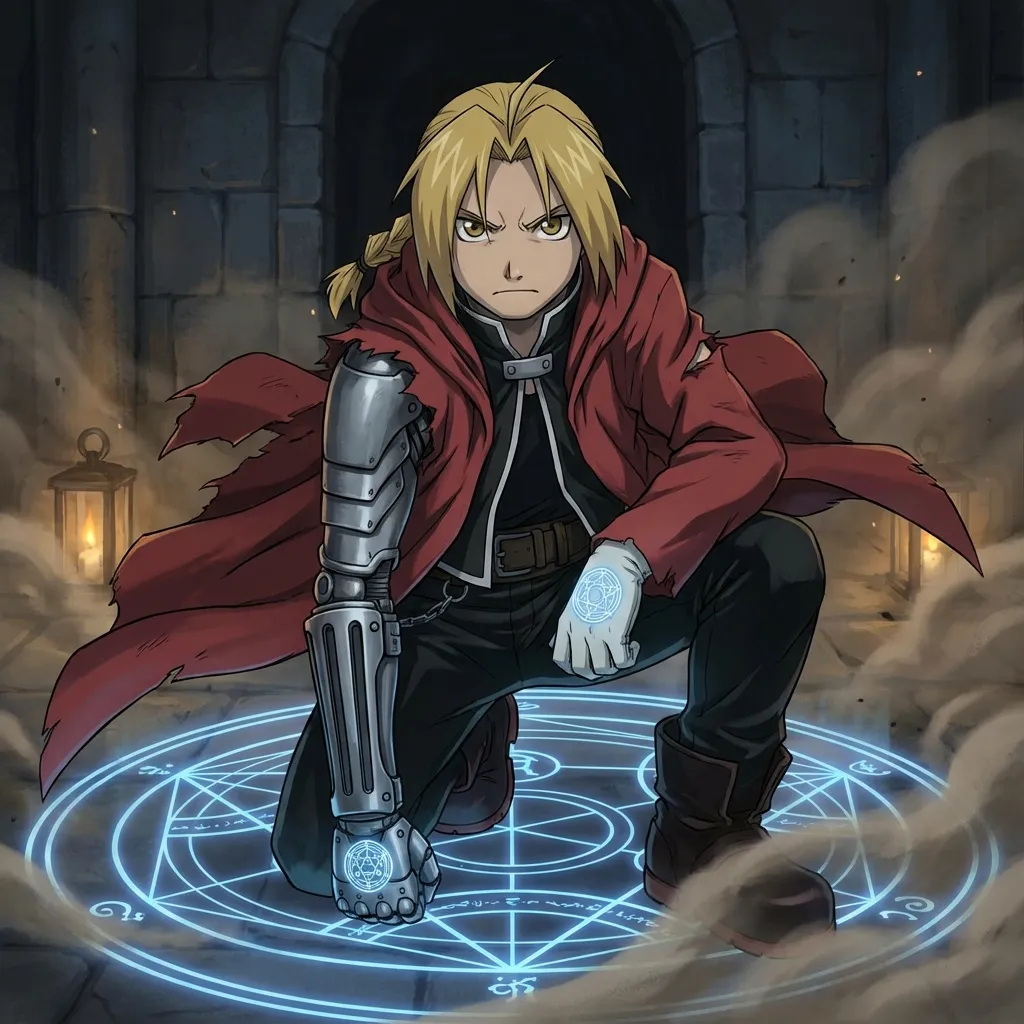
"fullmetal alchemist style, edward elric portrait, automail right arm with brass jointing, red Amestrian state-military coat over black undershirt, wind-tossed blond braid, transmutation circle glow at his palm, late-afternoon backlight, Resembool fields softly out of focus, muted earth palette, clean line work"
Try this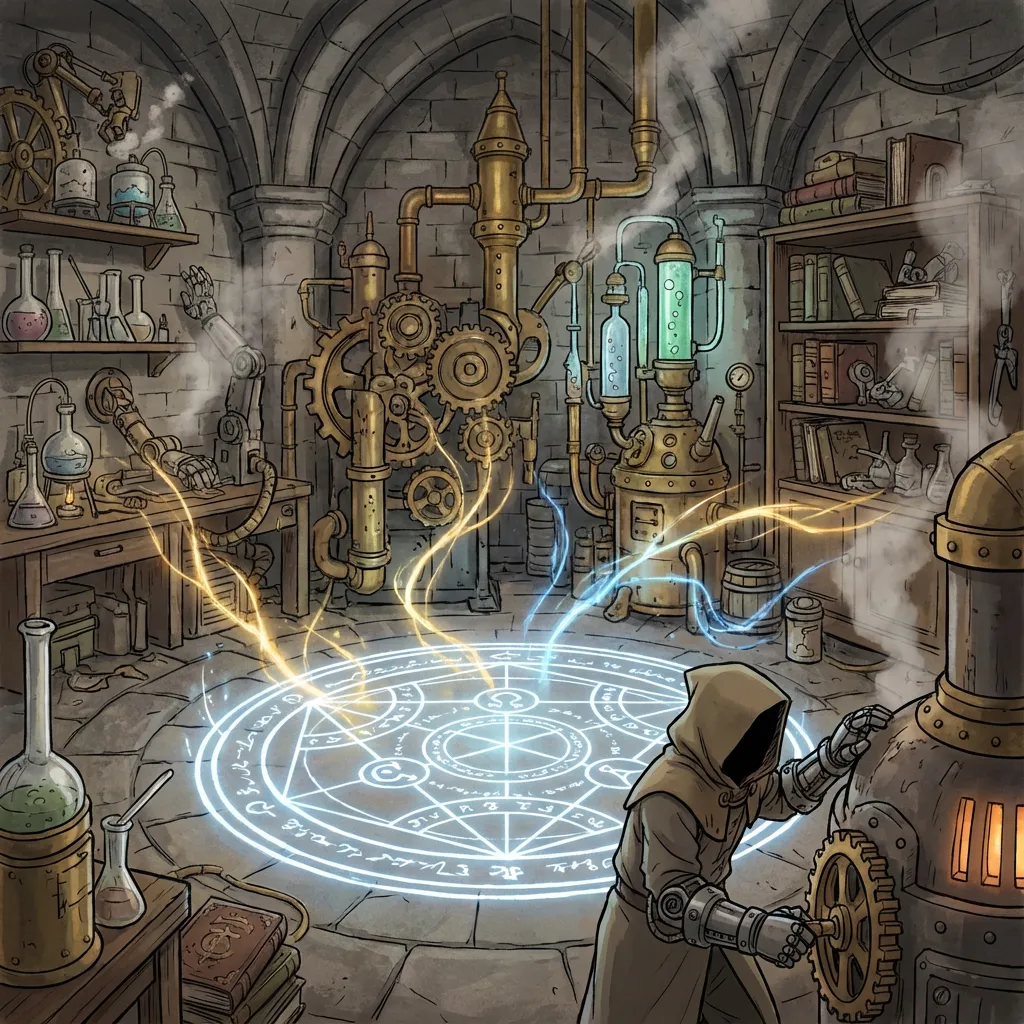
"fullmetal alchemist style, abandoned alchemy laboratory at night, half-circle transmutation array chalked on stone floor, glass beakers and brass instruments on a wooden bench, oil lamp warm key light, candle wax pooled on a leather-bound notebook, soot stains on plaster walls, cinematic composition"
Try this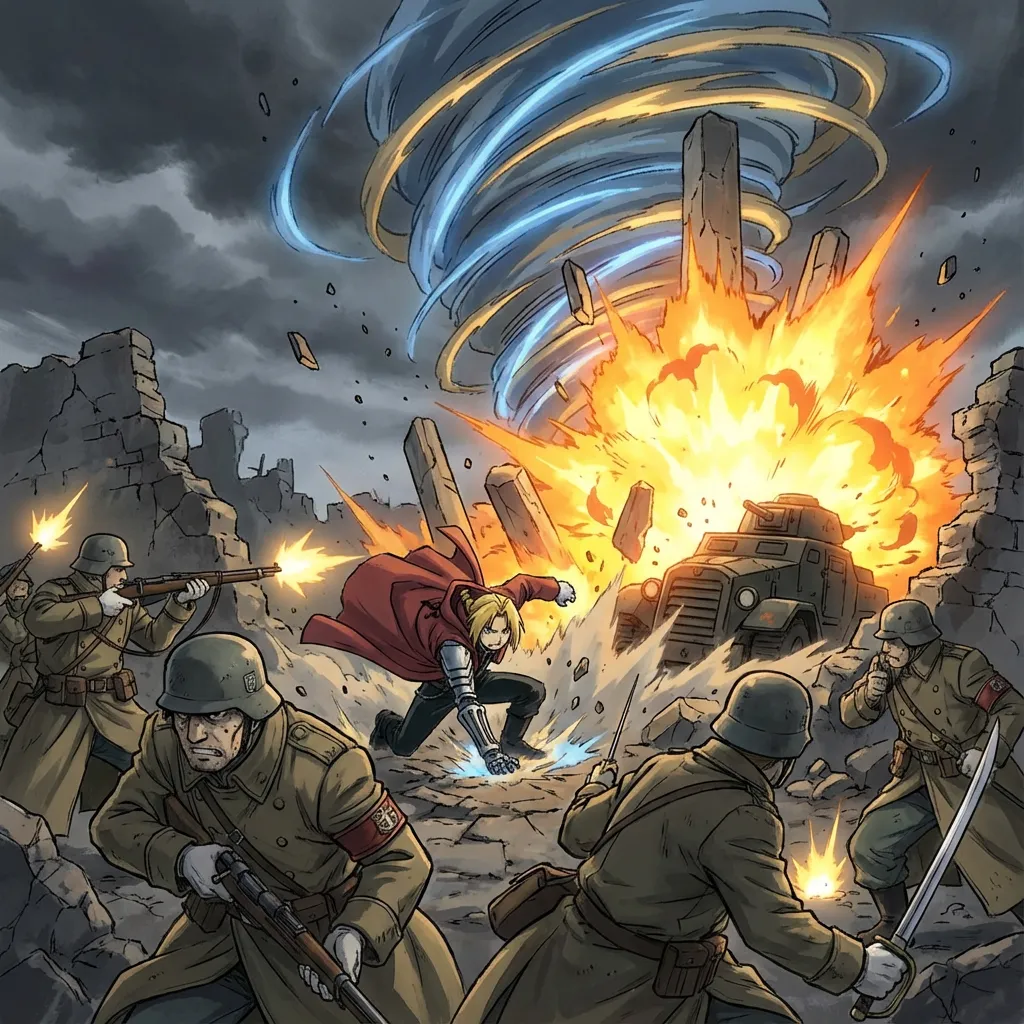
"fullmetal alchemist style, twilight skirmish on a Central City avenue, two state alchemists mid-transmutation, blue-white alchemy spark rising from a circle on the cobblestones, Amestrian military coats whipping in the wind, debris suspended in the air, low warm rim light, gunmetal and brass color palette"
Try thisMake your own Fullmetal Alchemist style art
Type a prompt below, or tap a starter to begin.
Generate a Fullmetal Alchemist scene
Type a scene below and press Generate.
Why choose Anifusion?
Industrial steampunk environments
Render brass piping, soot-stained workshops, and turn-of-the-century Amestrian factories. The style favors working machinery over decorative gears, so prompts that name pistons, lathes, and exposed riveting tend to land cleanly.
Transmutation circle geometry
Generate clean concentric rings, pentagrams, and human-transmutation arrays drawn with proper symmetry. Tags like 'chalk-drawn array' or 'glowing alchemy circle on stone floor' control whether the circle reads as ritual or live energy.
Amestrian military coat silhouette
Capture the long-coat-over-uniform silhouette with rank markings, high collars, and the state alchemist pocket watch. Useful for protagonist portraits, cohort shots, and parade-ground scenes that need believable rank dynamics.
Lived-in alchemy lab interiors
Build laboratory scenes that feel inhabited: handwritten notes pinned to walls, half-melted candles, beakers with iron filings, and the residue of a recent transmutation. Strong for moody character backdrops and wide environment shots alike.
Transmutation flash lighting
Add the signature blue-white alchemy spark and warm rim light during combat. Naming a clear light source ('alchemy circle glow from below', 'flame alchemy backlight') gives the AI room to compose dramatic frames without losing the muted base palette.
Mature, weighty atmosphere
Lean into earthy, faded palettes and considered facial expressions instead of bright cartoon energy. Useful when a scene needs to read as a moral choice or aftermath rather than a setpiece.
Create in 3 easy steps
Write your prompt
Describe your vision for Fullmetal Alchemist style in plain language.
Refine settings
Tune the aspect ratio and style strength to your liking.
Generate and enjoy
Click generate and watch your masterpiece come to life in seconds.
Related styles
Discover more artistic directions you might love
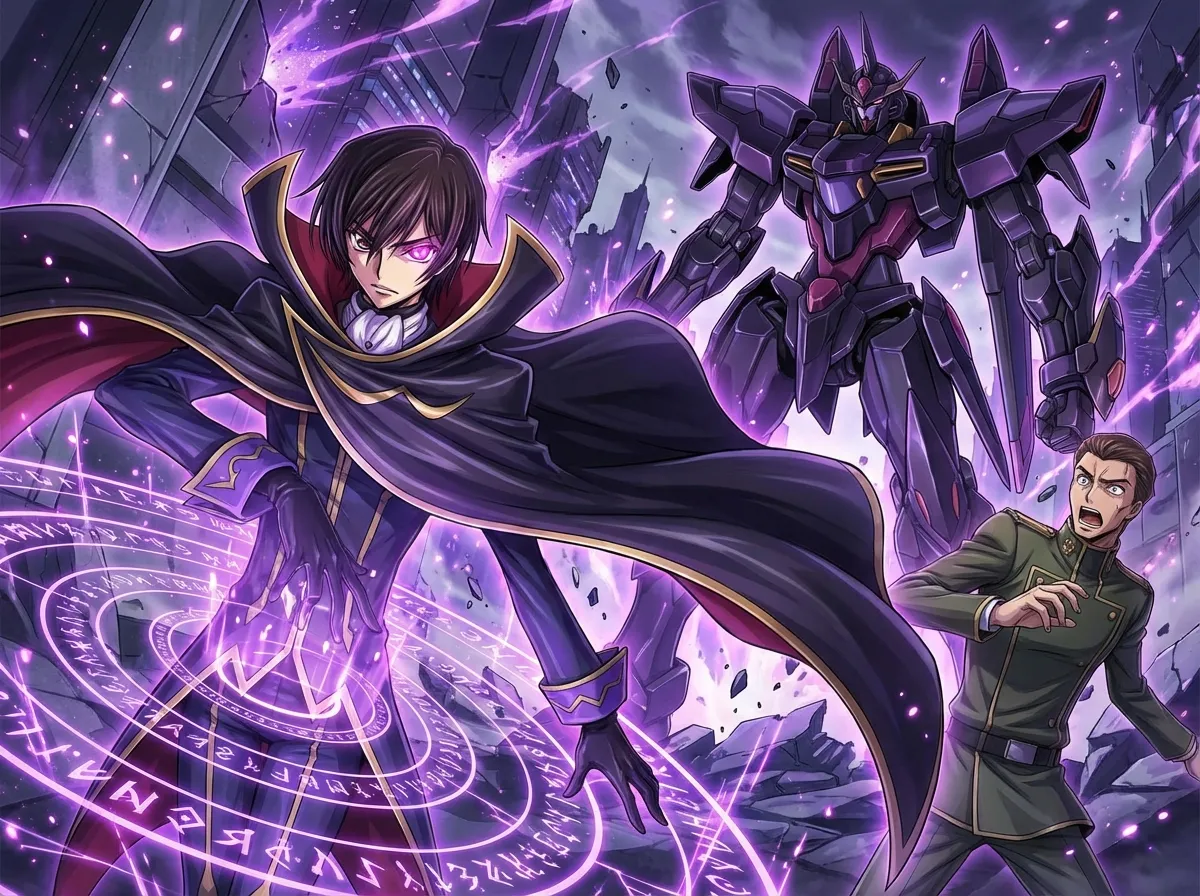
Code Geass style
The Code Geass style pairs slender CLAMP-influenced character designs with hard-edged Britannian uniforms, gothic-modern architecture, and Knightmare Frame mecha silhouettes. Geass eye effects (red sigil over violet iris) and high-contrast purple-and-gold accents anchor a dramatic, conspiratorial mood.
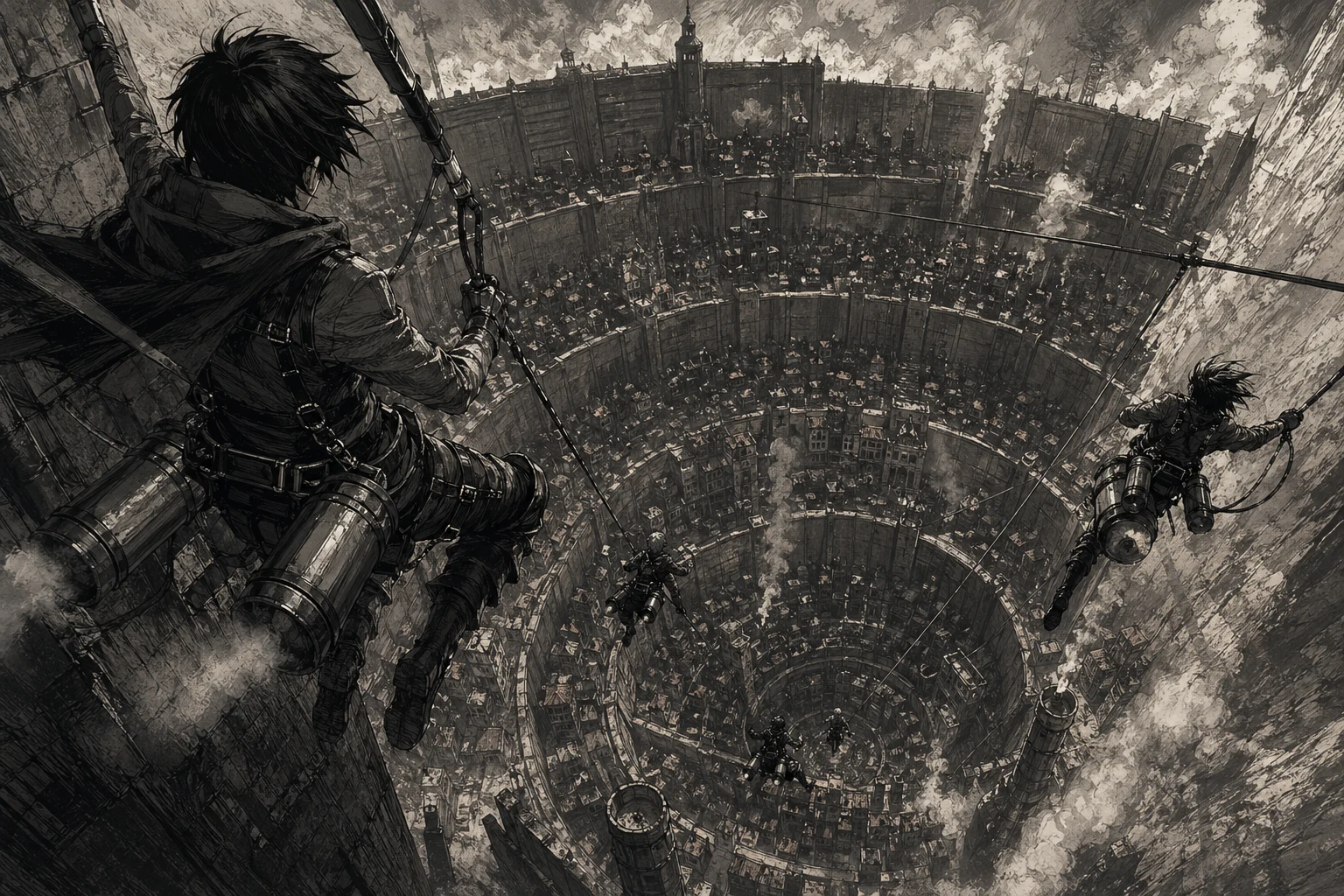
Attack on Titan style
Attack on Titan style pairs Isayama jagged ink lines and dense crosshatch with ODM gear cable trails, ruined Wall Maria perspective, and pure scale dread. It suits Survey Corps OCs, vertical-action chase panels, and walled-city establishing shots.
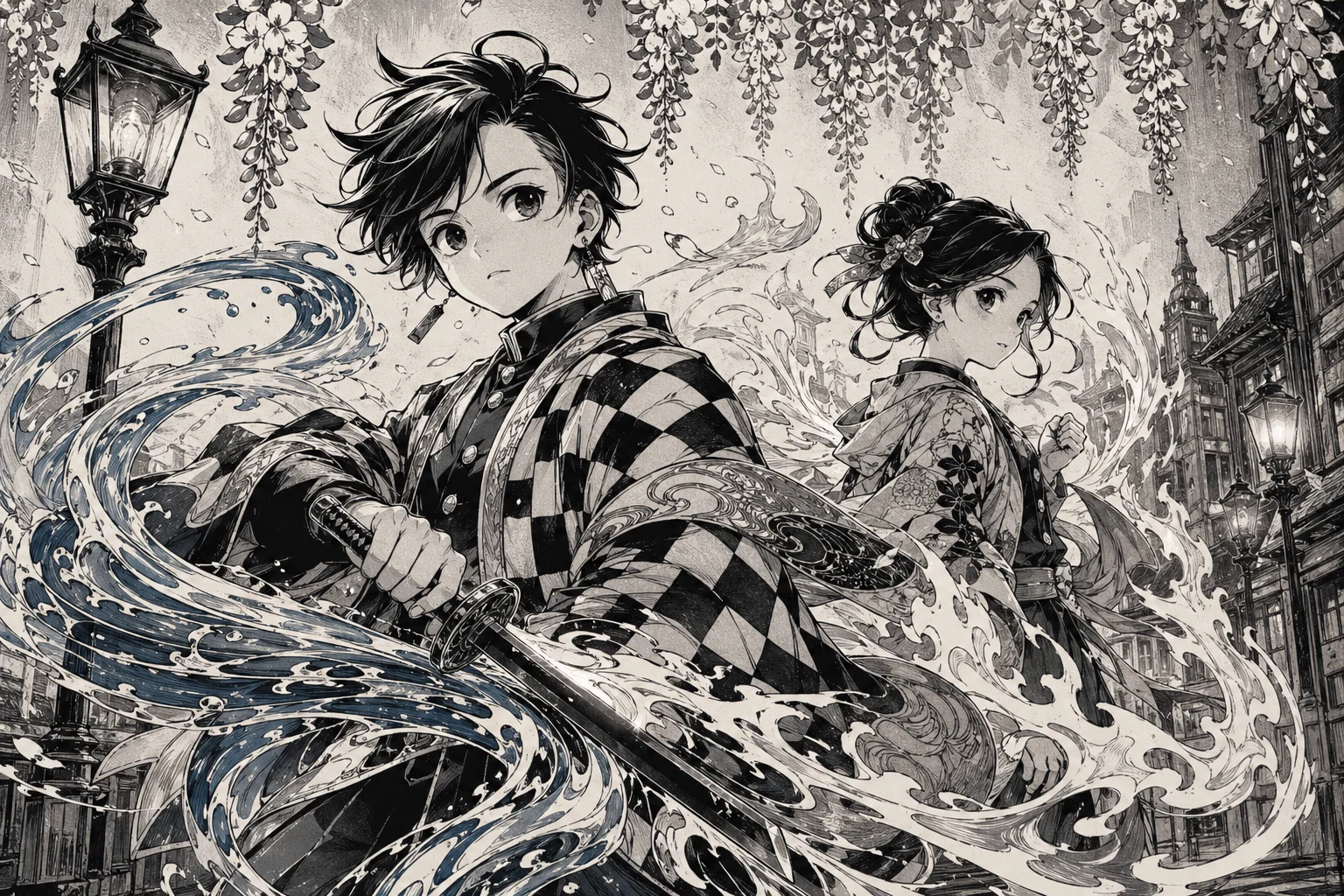
Demon Slayer style
Demon Slayer style pairs Koyoharu Gotouge's soft Taisho-era character design with ufotable particle effects, ink-wash breathing forms, and Hashira haori patterns. It suits original Demon Slayer Corps OCs, moonlit forest battles, and pattern-rich character key visuals.
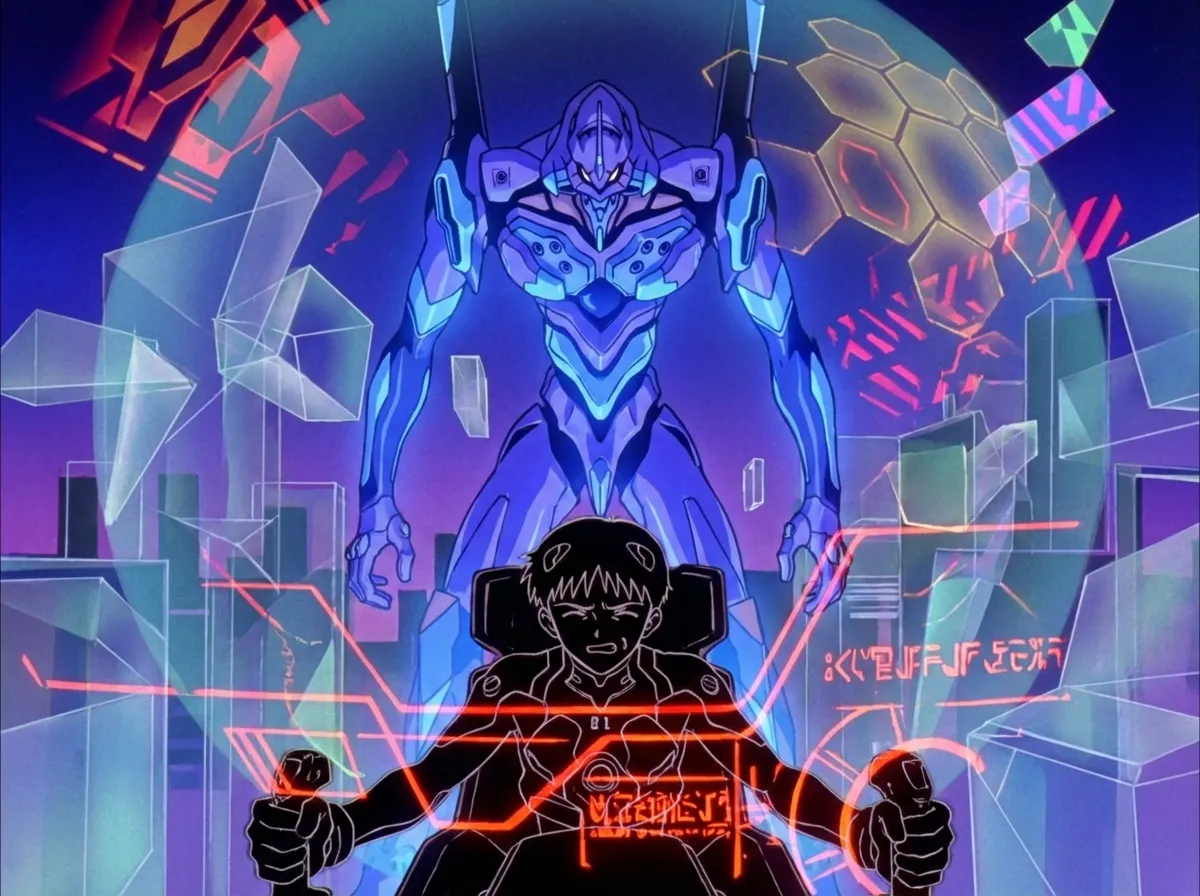
Neon Genesis Evangelion style
Evangelion style combines biomechanical EVA design, hexagonal AT-field effects, and the surreal religious imagery of Hideaki Anno's series. Use it for mecha key art, character pieces of pilots in plug suits, and the heavy, anxious mood that defines the franchise.
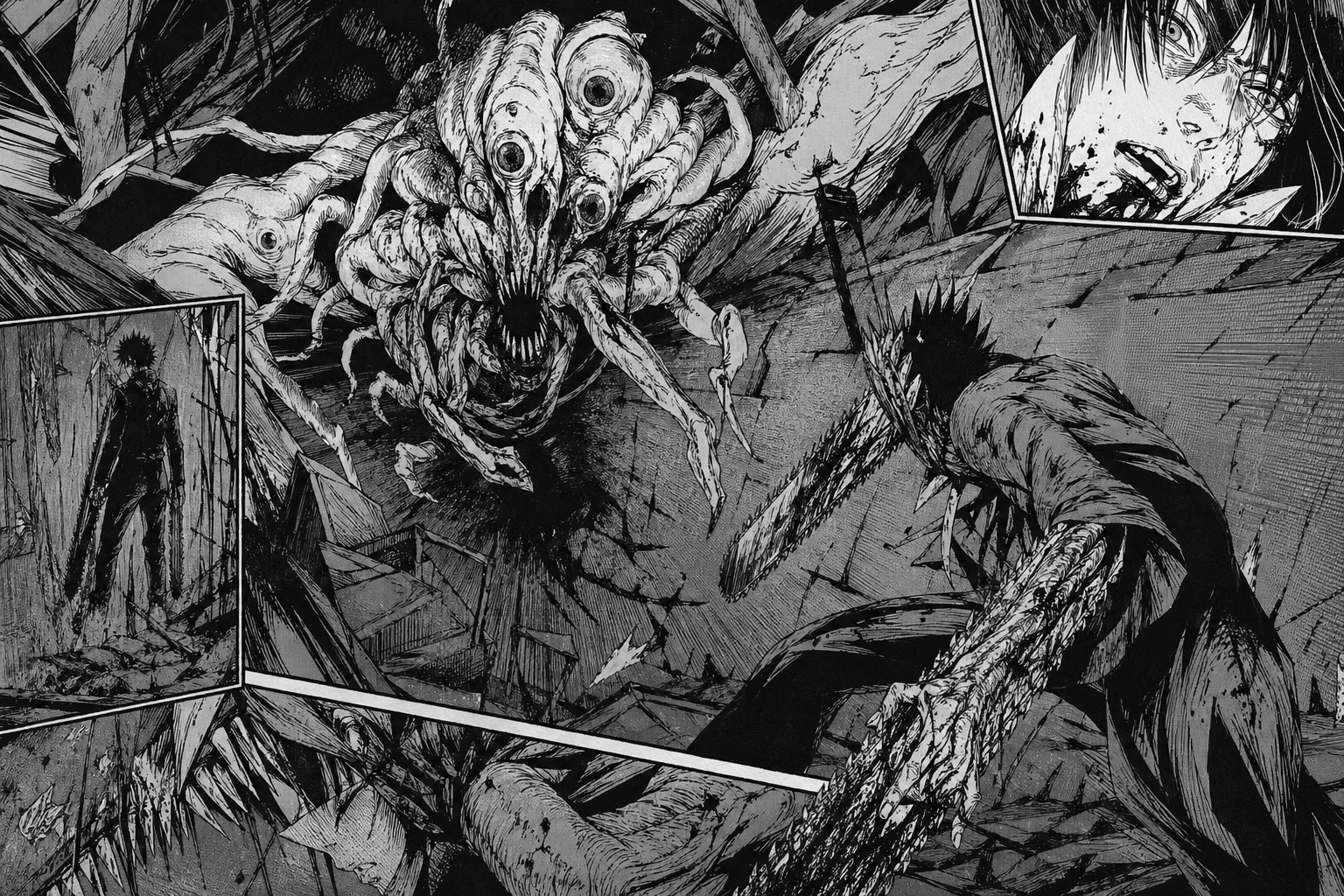
Chainsaw Man style
A manga-forward look: aggressive pen texture, erratic screentone, and page layouts that feel like they might tear.
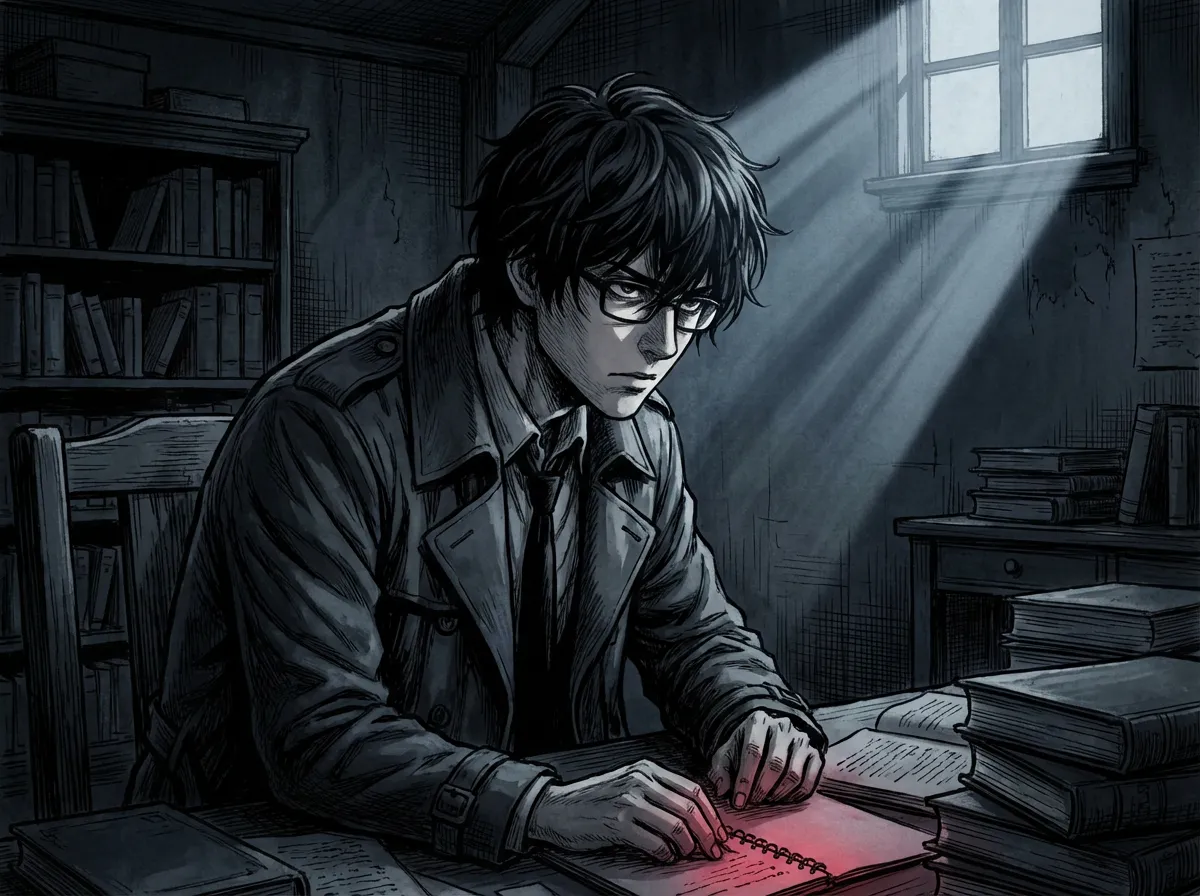
Death Note style
Death Note style is a noir-realist manga look defined by Takeshi Obata's clean precise line, deep-shadow desk-lamp lighting, L-style crouch silhouettes, and shinigami feather backdrops. It suits cat-and-mouse thriller panels, study-room standoffs, and original detective and reaper character art.
Frequently asked questions
Prompt tips, rights, and workflow. Sign up free to generate in this look today.
Generate a Fullmetal Alchemist scene
Type a scene below and press Generate.
What defines the Fullmetal Alchemist style?
At its core, the style fuses early-20th-century European military uniform design, industrial steampunk machinery, and the geometric vocabulary of alchemy. Outlines are clean and confident, the palette leans on muted earth tones with brass and gunmetal accents, and characters carry weight through wardrobe details like long Amestrian coats, rank markings, and articulated automail. The mood is serious and consequential rather than candy-bright.
How do I prompt for an automail prosthetic?
Name the limb, the materials, and at least one mechanical detail. A line like 'right-arm automail, segmented steel plating, exposed wiring at the elbow, brass jointing at the shoulder' tends to read clearly. Adding a verb of motion ('clenching fist', 'mid-transmutation') helps the AI commit to a confident pose rather than hiding the limb behind the body or behind a coat sleeve.
How does this differ from the Attack on Titan style?
Both lean serious, but Attack on Titan goes for grit, charcoal shading, and a tighter contrast range, while the Fullmetal Alchemist style keeps cleaner outlines and more daylight in the frame. The wardrobe languages also diverge: Survey Corps gear is harnesses, jackets, and capes, where Amestrian state-military uniforms are long coats with rank insignia. Choose Fullmetal Alchemist when you want a polished period feel rather than a survival-horror palette.
What is the Fullmetal Alchemist style best for?
It shines for character-driven dark fantasy, alt-history wartime drama, alchemist or scientist protagonists, and any project that benefits from a serious, lived-in tone. Workshop interiors, military formations, brotherly portraits, and transmutation set-pieces all sit naturally in the style, which is why it works well for fanart, original manga concepts, and book or campaign cover art alike.
How do I depict a transmutation circle correctly?
Treat it as geometry first and effect second. Specify the surface (chalk-drawn on stone, etched into metal, painted in blood), then the symmetry (concentric rings, inner pentagram, runes around the rim), and only then the lighting state (dormant, glowing blue-white, mid-detonation). Saying where the circle sits in the frame ('floor below the subject', 'on his palm') keeps the AI from floating it awkwardly.
What palette and lighting work best?
Stay with muted earth tones, brass, gunmetal, and faded military reds for the base. Reserve saturated color for narrative beats: blue-white alchemy sparks, warm rim light during combat, the orange of an oil lamp in a workshop. Daylight scenes can stay overcast or late-afternoon to keep the period feel; pure noon sun and neon both pull the look toward something else.
Start creating Fullmetal Alchemist style art today
Join 130,000+ creators and bring your imagination to life with 100 free credits.