Generate 90s anime style art with AI
OAV grain, cel paint chunk highlights, Akira-era line weight, and limited CRT palettes for the Cowboy Bebop, Sailor Moon, and Evangelion era look.
Franchise, studio, and character references describe style or mood only, not a license, sponsorship, endorsement, or affiliation. You are responsible for your prompts and outputs. As-is, no warranty of non-infringement (not legal advice). For DMCA, copyright, or trademark issues, use our Contact page.
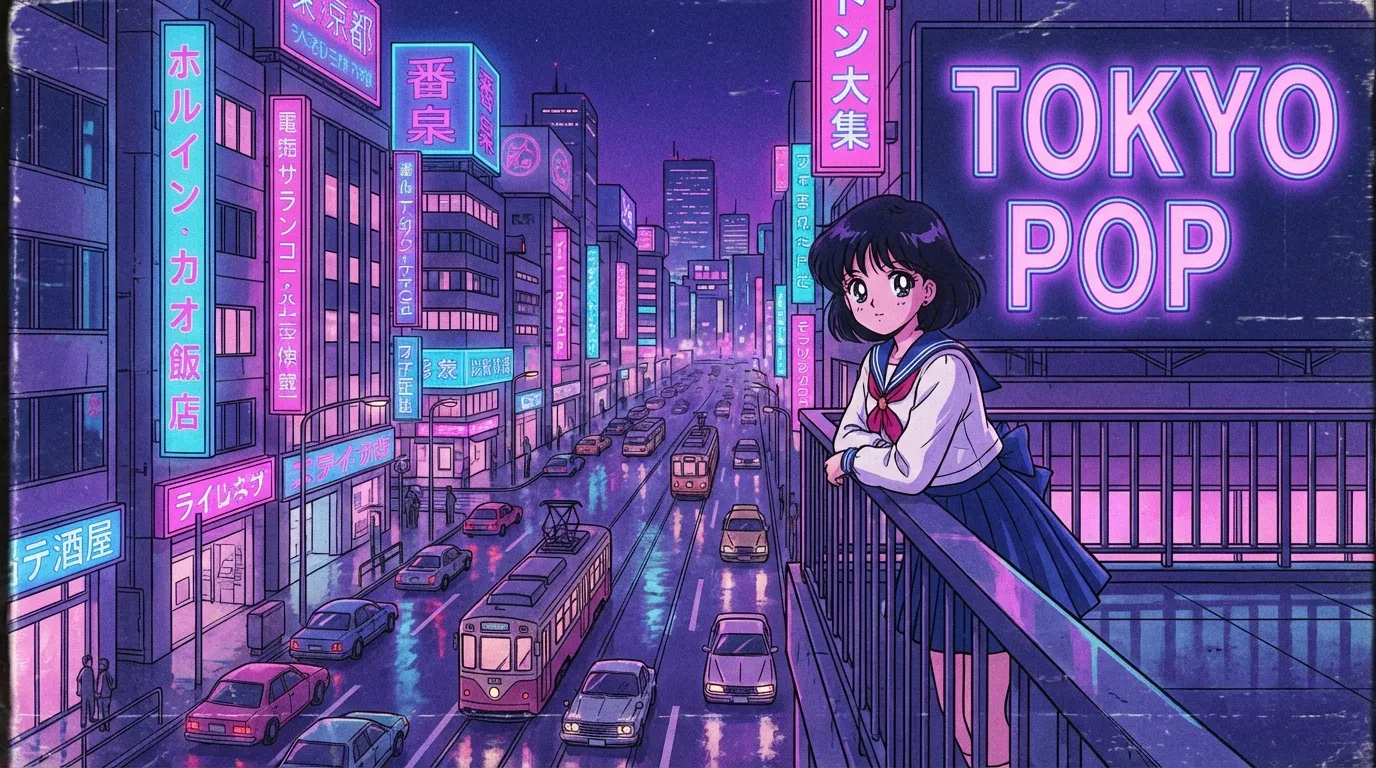
Generate a 90s anime scene
Type a scene below and press Generate.
About 90s anime style
90s anime style pairs cel-painted limited palettes with OAV film grain, chunk highlights on hair, and Akira-era heavy line weight. It suits magical girl key visuals, mecha cockpit shots, and Bebop-style adult action stills.
The 90s anime style refers to the cel-painted look that ran from roughly 1988 to 2002, before digital ink-and-paint took over. Lines were drawn on paper, traced onto cels, and painted by hand in a small set of named acrylic colors, which is why 90s frames have a flat color sit, hard color edges, and chunk highlights on hair instead of soft gradient gloss. Composite was filmed onto 16mm or 35mm and broadcast through CRT television, so OAV grain, slight gate weave, color bleed into the chroma channel, and a noticeably warmer-than-modern white point all read as period-correct.
Character design follows decade-specific shapes: pointier chins, taller foreheads, sharper noses, and a smaller mouth than modern anime. Eyes are tall ovals with three-tier highlights (catchlight, mid-tone bounce, deep iris). Hairstyles get bigger and more sculptural, especially in 90s OAV (Akira-era line weight, layered Tenchi-Muyo silhouette, magical-girl asymmetric bangs). Backgrounds are painted, not rendered: gouache skies for Cowboy Bebop urban dusk, watercolor mecha hangars for early Evangelion, soft pastel bedrooms for Sailor Moon and Marmalade Boy.
To prompt for the 90s anime style on Anifusion, lead with '90s anime style' or 'cel-painted OAV anime, 1995', then describe the subject (magical girl, jet pilot, cyberpunk teen, schoolgirl in late summer uniform), the genre cue (mecha cockpit, neo-Tokyo rooftop, after-school classroom), and at least one period rendering tag like 'cel paint chunk highlights', 'OAV film grain', or 'Akira-era line weight'. Add a CRT-warm palette note (muted reds, smoky teals, faded mustard) instead of high-saturation modern digital. The 90s anime style generator works for retro magical girl art, mecha promo posters, and lo-fi anime mood pieces aimed at Bebop and Evangelion-era nostalgia.
Try 90s anime style generation
Try the look on your own prompt. Start from one of the examples below.
Example prompts
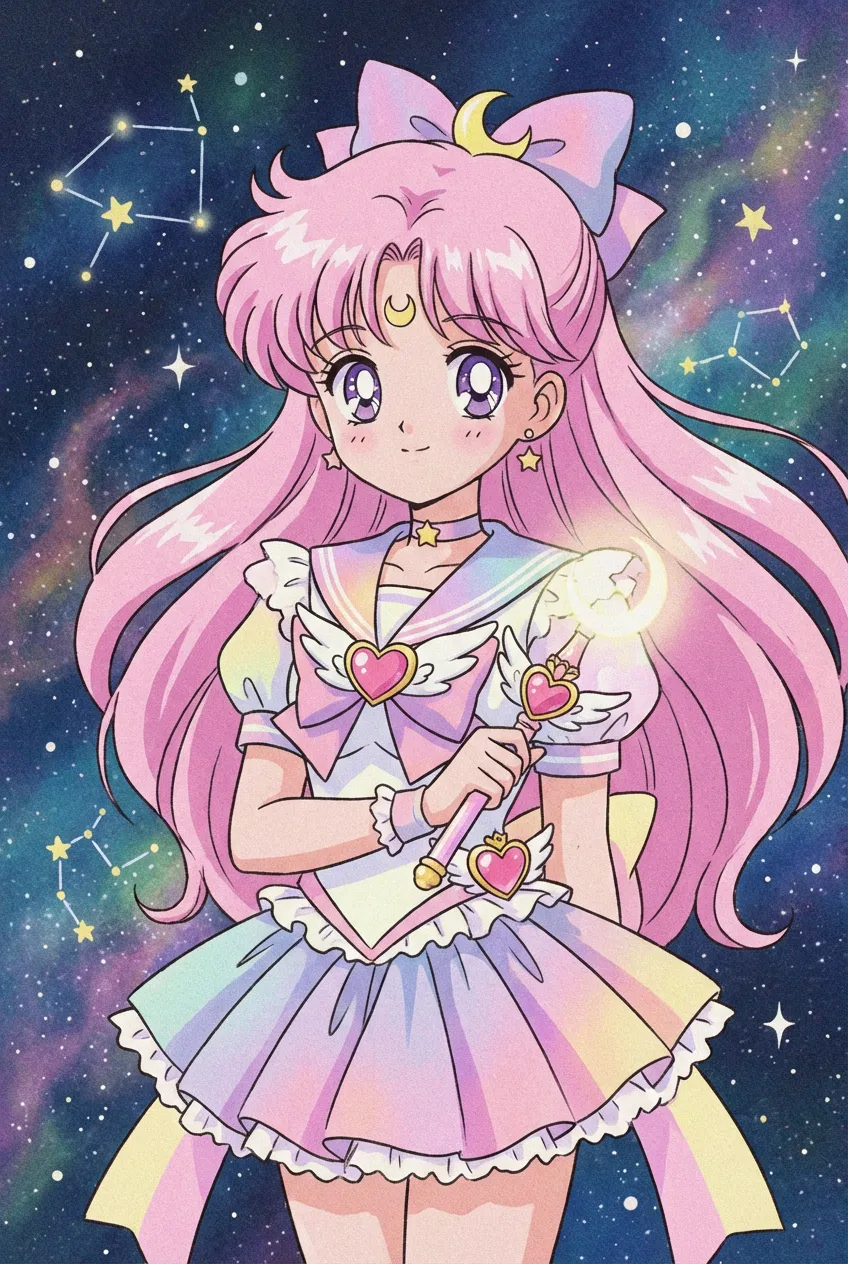
"90s anime style, magical girl in late-summer school uniform on a Tokyo rooftop at dusk, three-tier highlight stack in tall oval eyes, cel paint chunk highlights on hair, painted gouache sky, OAV film grain, CRT-warm muted palette"
Try this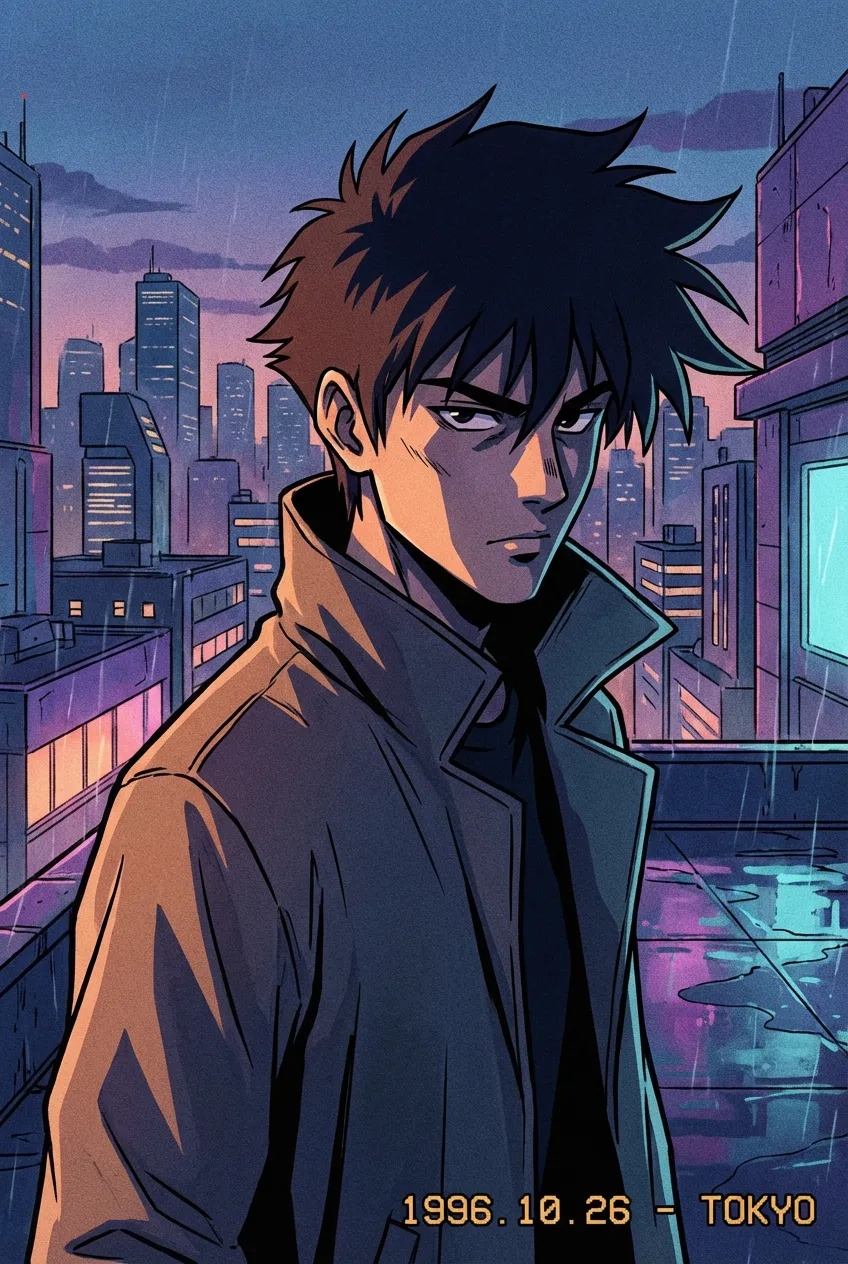
"90s anime style, cel-painted OAV anime, 1995, jet pilot in a mecha cockpit, blinking CRT readouts, hard-edge cel shadow on the helmet, Akira-era line weight, scanline sheen on the canopy, smoky teal and faded mustard palette"
Try this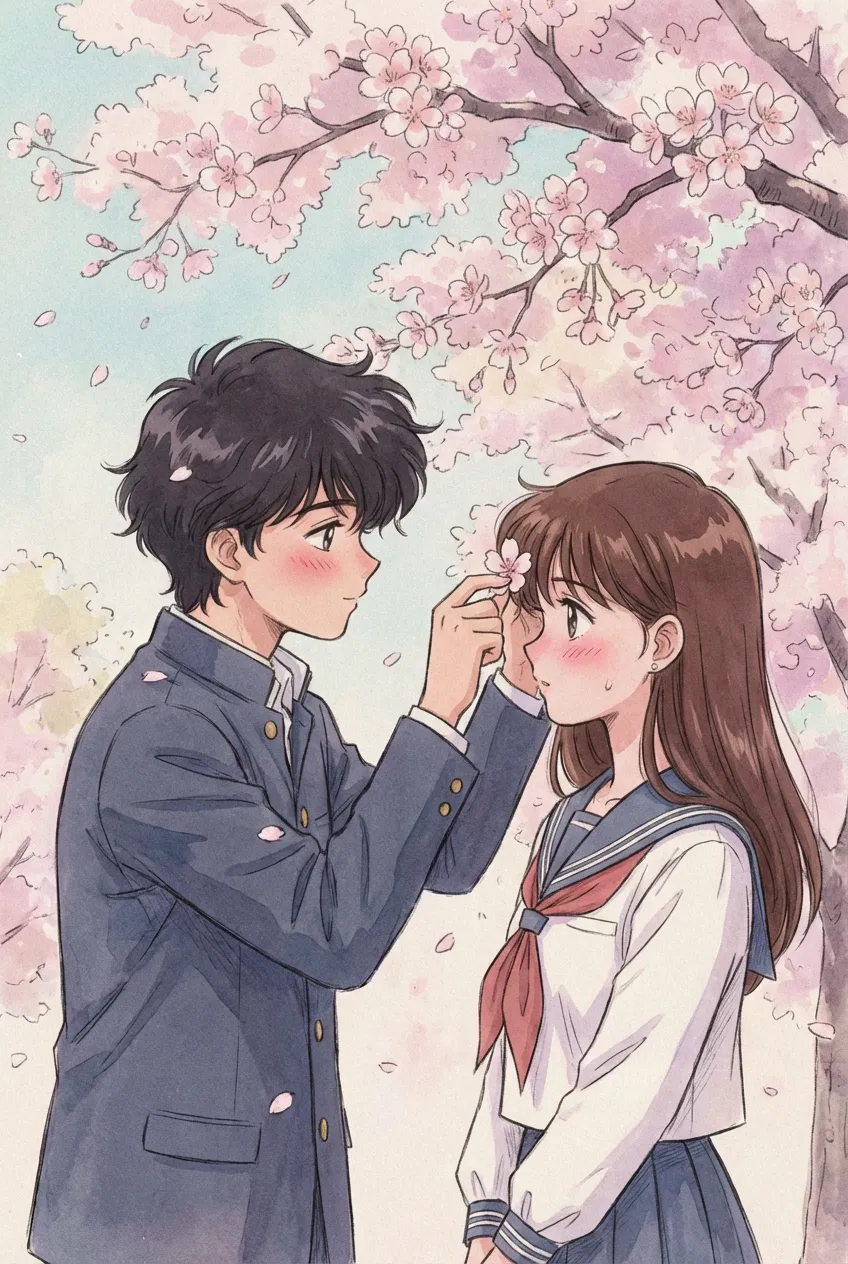
"90s anime style, 90s anime aesthetic, melancholy schoolgirl in an after-school classroom, late afternoon light, painted pastel bedroom poster on the wall, cel paint chunk highlights, slight CRT chroma bleed, OAV grain, Marmalade Boy era mood"
Try thisMake your own 90s anime style art
Type a prompt below, or tap a starter to begin.
Generate a 90s anime scene
Type a scene below and press Generate.
Why choose Anifusion?
Cel paint chunk highlights
Hard-edged hair and skin highlights painted in a small named palette, with no soft modern gradient gloss to give that authentic cel-painted look.
OAV grain and CRT bleed
16mm OAV film grain, slight gate weave, color bleed into the chroma channel, and a CRT-warm white point for true period output.
Akira-era line weight
Heavy 90s OAV outline weight, hand-traced cel feel, and slight wobble between key and inbetween frames for that 'drawn on paper' look.
Tall-oval anime eyes
Tall vertical eye ovals with three-tier highlight stack: pinpoint catchlight, mid-tone bounce, and deep iris darkening for shoujo and mecha alike.
Painted gouache backgrounds
Hand-painted skies, neo-Tokyo rooftops, mecha hangars, and pastel after-school bedrooms instead of rendered or photo-bashed environments.
CRT-warm limited palette
Muted reds, smoky teals, faded mustard, and warm neutrals tuned for CRT broadcast instead of saturated modern digital color.
Create in 3 easy steps
Write your prompt
Describe your vision for 90s anime style in plain language.
Refine settings
Tune the aspect ratio and style strength to your liking.
Generate and enjoy
Click generate and watch your masterpiece come to life in seconds.
Related styles
Discover more artistic directions you might love
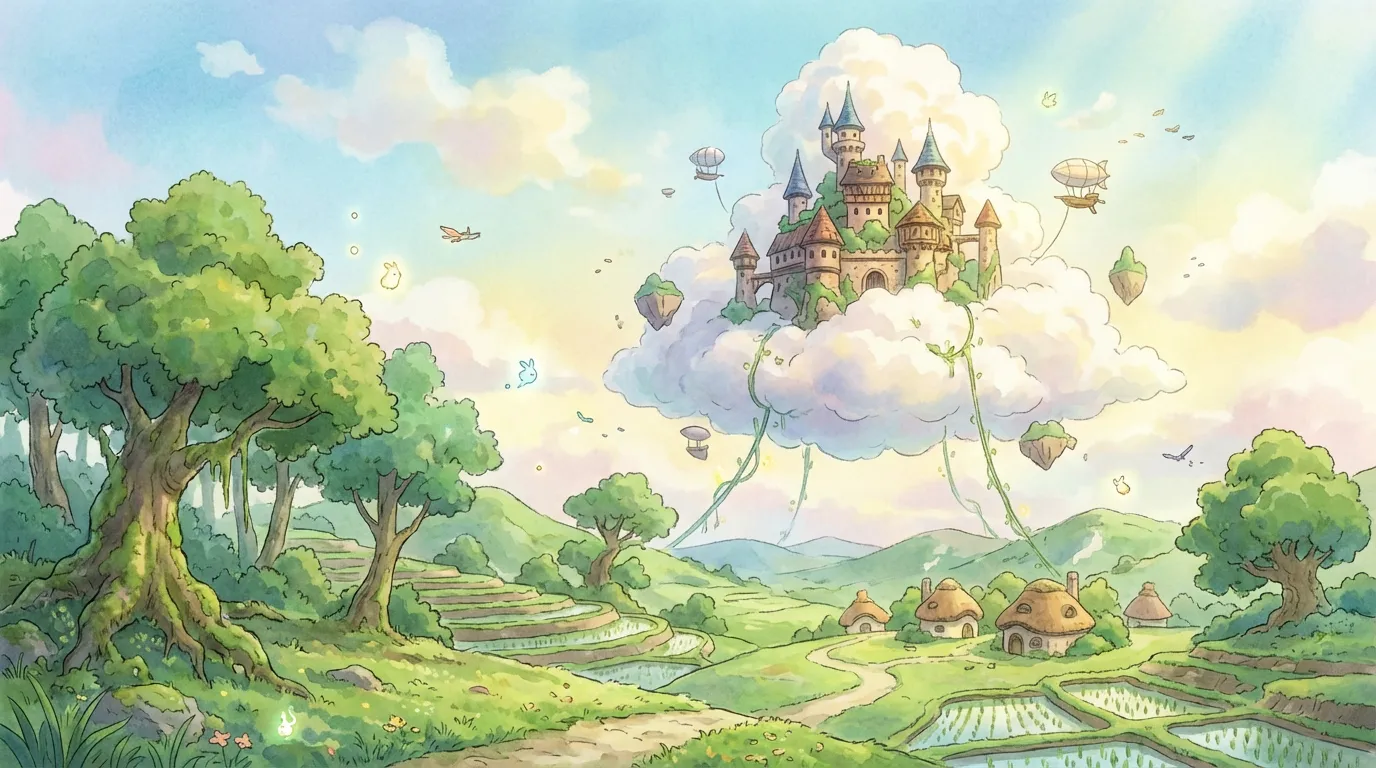
Studio Ghibli style
Studio Ghibli style pairs hand-painted watercolor backgrounds with gentle, expressive characters and a calm pastoral mood. It suits forest scenes, cozy interiors, sky vistas, and quiet character moments inspired by Miyazaki's filmography.
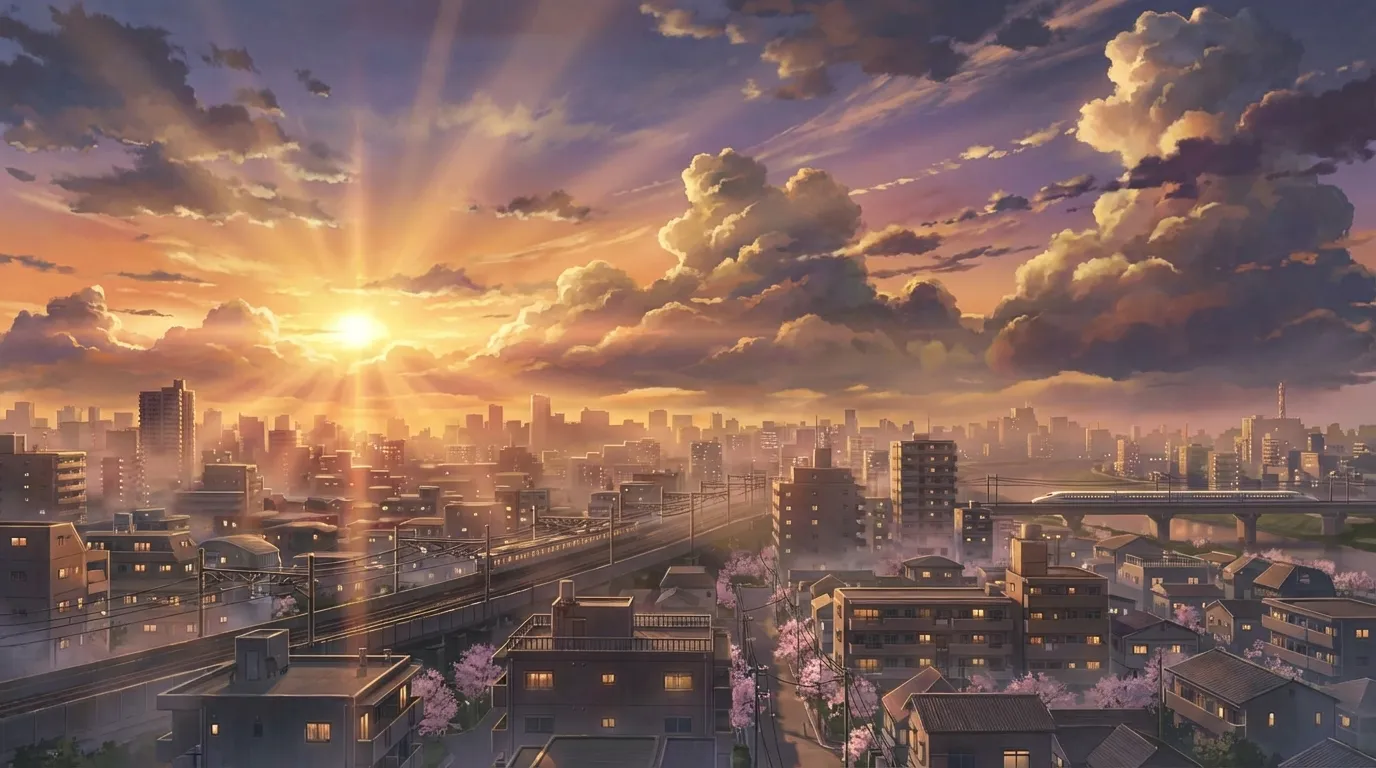
Makoto Shinkai style
Makoto Shinkai style pairs near-photographic urban Japanese backgrounds with stratus-cloud skies, golden hour lens flare, and quiet two-shot character framing. It suits emotional key visuals, train scenes, and rooftop sunset moments.
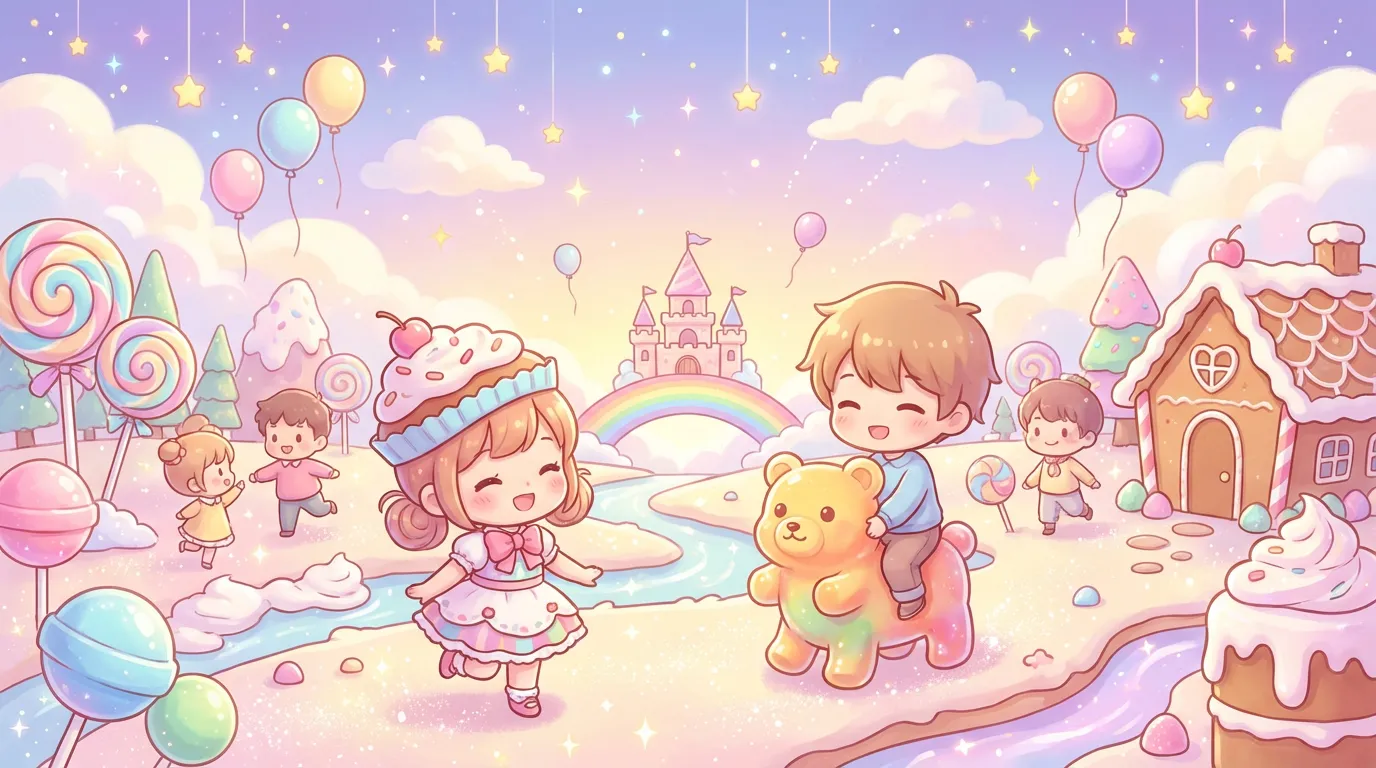
Chibi style
Chibi style takes a normal character and renders them with 2-head proportions, blob feet, oversized eye sparkle, and Q-version simplification. It suits stickers, emotes, shop mascots, line art keychains, and reaction icons.
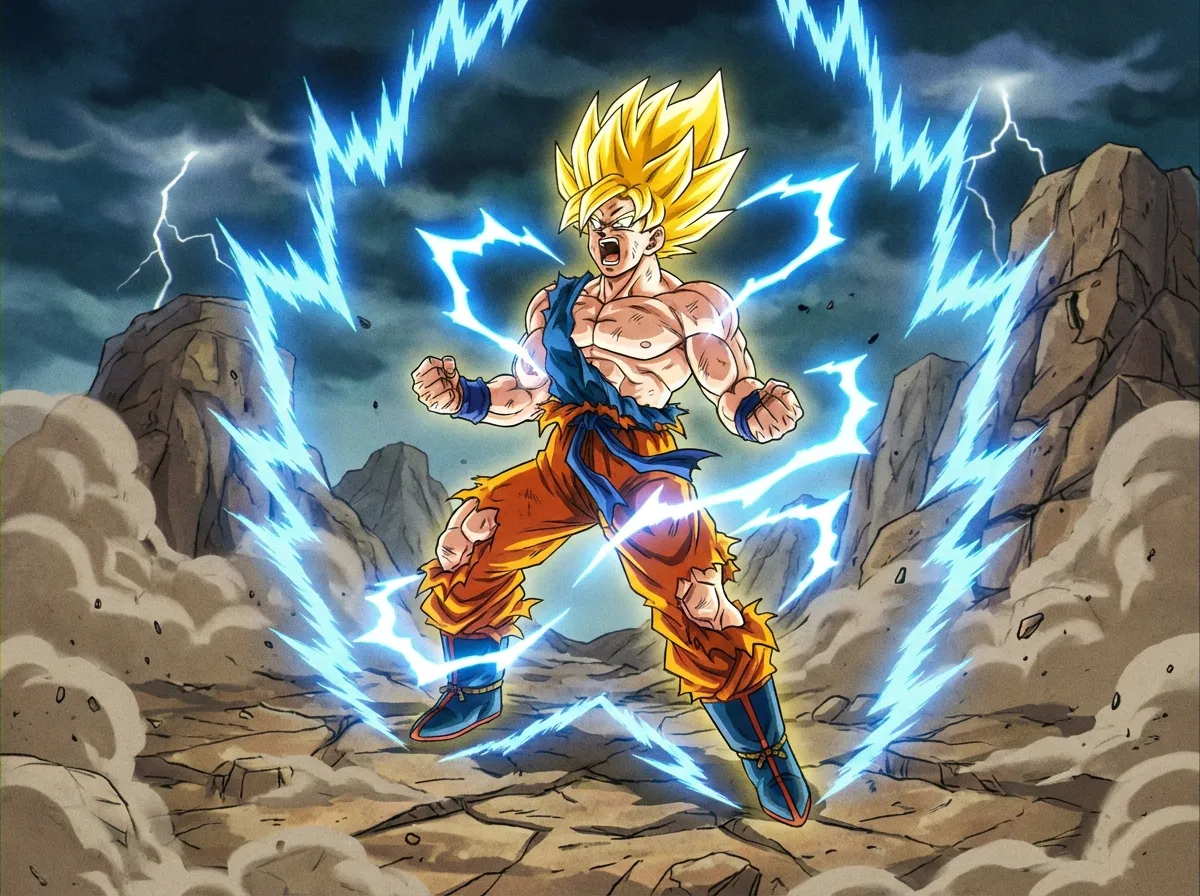
Dragon Ball style
Dragon Ball style pairs Akira Toriyama's clean spike line and rounded martial-arts proportions with Super Saiyan aura backdrops, ki blast charge frames, and Capsule Corp 80s tech design. It suits original Saiyan OCs, charge-pose key visuals, and Toriyama-style sci-fi gear.
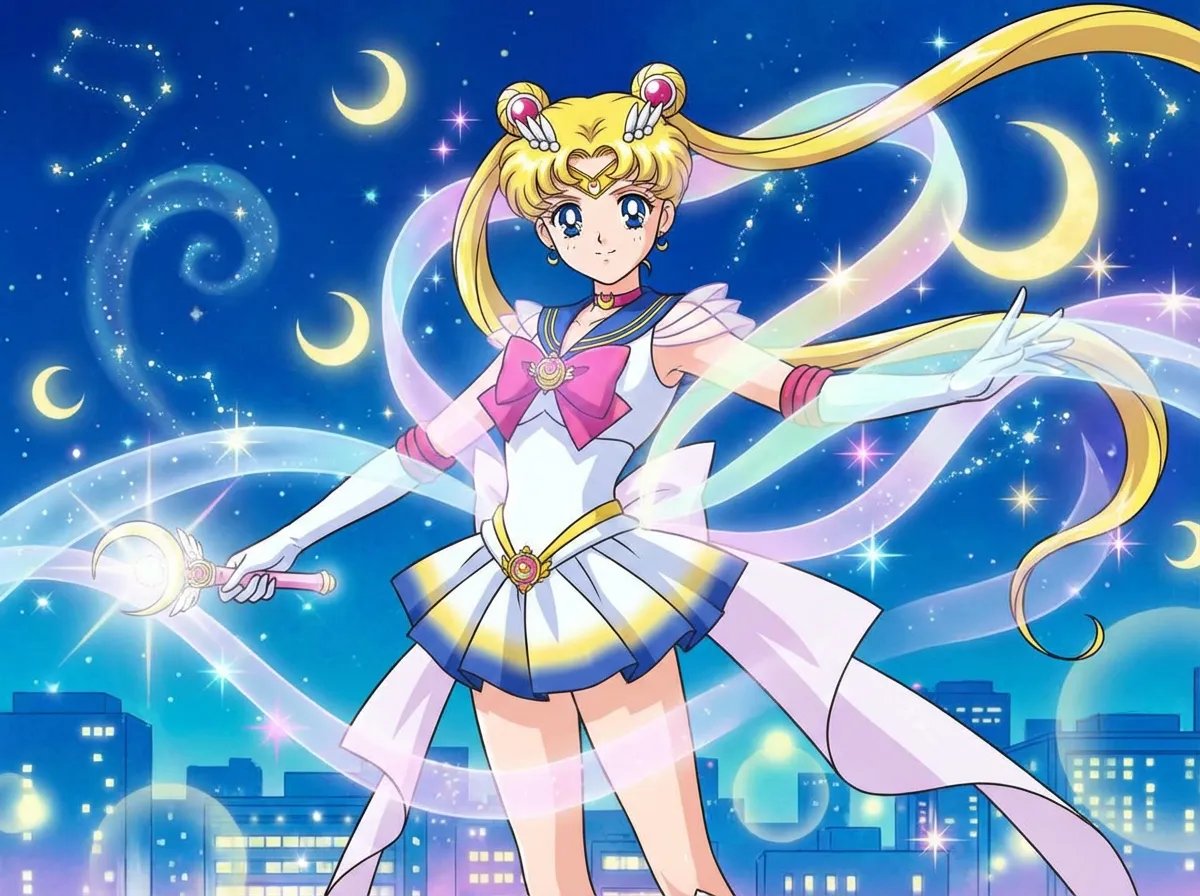
Sailor Moon style
Sailor Moon style is a 90s shoujo magical-girl look defined by Naoko Takeuchi planar shading, transformation ribbon overlays, sailor fuku silhouettes, and Crystal Tokyo skylines. It suits original sailor senshi designs, transformation pose key art, and shoujo cover panels.
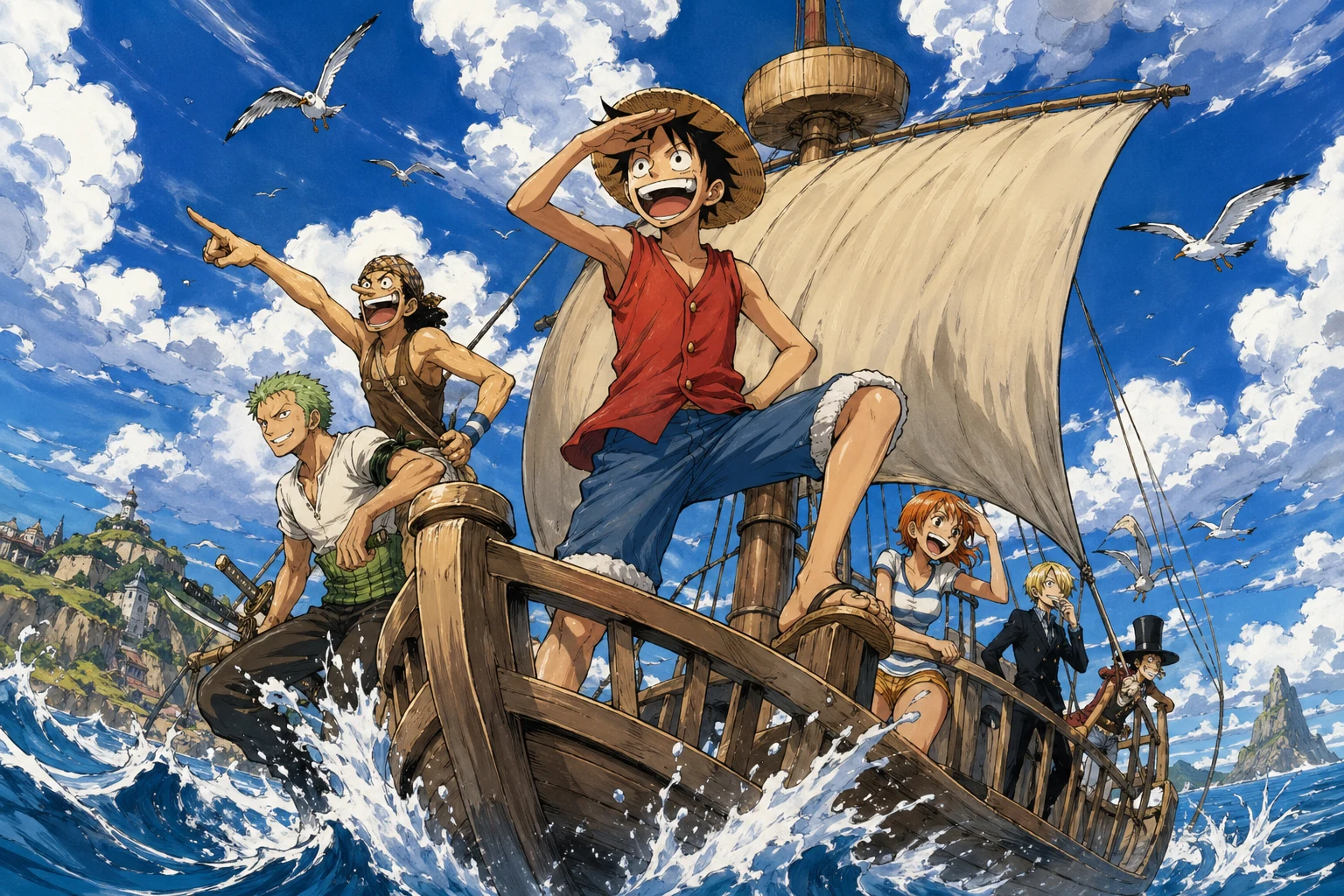
One Piece style
One Piece style combines Eiichiro Oda exaggerated limb proportions, expressive crowd faces, and tropical island color with the rubbery, motion-line-heavy action of a long-running shonen adventure. It suits pirate OCs, comedic brawl panels, and wanted-poster art.
Frequently asked questions
Prompt tips, rights, and workflow. Sign up free to generate in this look today.
Generate a 90s anime scene
Type a scene below and press Generate.
What separates 90s anime from modern digital anime?
It comes down to production. 90s frames were drawn on paper, traced onto cels, painted by hand in a small fixed palette, then filmed onto 16mm or 35mm and broadcast through CRT. The visible results are flat color sit, hard-edge cel shadows, chunk highlights on hair, OAV grain, slight gate weave, and a warmer white point. Modern digital ink-and-paint is too clean, too saturated, and too gradient-heavy to read as period 90s.
How do I prompt for that authentic cel-painted look?
Include at least one rendering tag from the production stack: 'cel paint chunk highlights', 'hard-edge cel shadow', 'OAV film grain', or 'Akira-era line weight'. Specify a CRT-warm limited palette like 'muted red, smoky teal, faded mustard'. Avoid words like 'photorealistic', 'octane render', or 'highly detailed', which push the model back toward modern digital. A short prompt with three or four firm period tags reads more 90s than a long, lush description.
Which 90s sub-styles can I target?
The four most consistent are: magical girl shoujo (Sailor Moon, Magic Knight Rayearth), mecha sci-fi (early Evangelion, Macross Plus), neo-noir adult action (Cowboy Bebop, Trigun), and OAV cyberpunk (Akira and Ghost in the Shell-era visual language). Each gets a different palette and background painting style, but they all share the underlying cel-paint and OAV-grain production stack.
Should I add VHS effects on top?
Optional and easy to overdo. Light scanlines and a touch of chroma bleed sell the era; heavy tracking distortion and noisy snow read as 'meme VHS filter' instead of true broadcast 90s. Treat VHS effects as a finishing layer, not the main visual idea. The cel-paint and OAV-grain layer underneath should already do most of the period work.
What backgrounds match the 90s look?
Hand-painted gouache and watercolor backgrounds dominate the era. For shoujo, lean pastel bedroom or classroom interiors with sun bouncing off a desk. For mecha, push hangar interiors with painted hard-edge metallic shadow. For neo-noir, use dusk neo-Tokyo rooftops or smoky bars. Avoid CGI hangars, modern voxel backgrounds, and clean photo plates; the painted-versus-rendered split is the biggest single tell.
Which Anifusion model should I use for 90s anime?
SDXL anime models tend to be too clean and modern by default. Flux Dev with cel-paint and OAV-grain tags often gets closer to true period output, especially when paired with a low CFG (around 4 to 5) so the model does not push contrast too hard. If you have a custom 90s LoRA available, layer it lightly on top of either base for the most consistent retro feel.
Is the 90s anime style fading or coming back?
Strongly coming back. Music videos, fashion campaigns, anime-coded indie games, and major streaming series have all leaned into the 90s OAV palette over the last few years. Audiences read the cel-paint chunk highlights, OAV grain, and Akira-era line weight as a deliberate aesthetic choice, not a limitation, which is why the style works well for modern editorial and brand work, not just nostalgia pieces.
Start creating 90s anime style art today
Join 130,000+ creators and bring your imagination to life with 100 free credits.