Generate One Piece style manga art with AI
Eiichiro Oda exaggerated limb proportions, tropical island palettes, rubber stretch motion lines, and the wanted-poster aesthetic of a Grand Line adventure.
Franchise, studio, and character references describe style or mood only, not a license, sponsorship, endorsement, or affiliation. You are responsible for your prompts and outputs. As-is, no warranty of non-infringement (not legal advice). For DMCA, copyright, or trademark issues, use our Contact page.
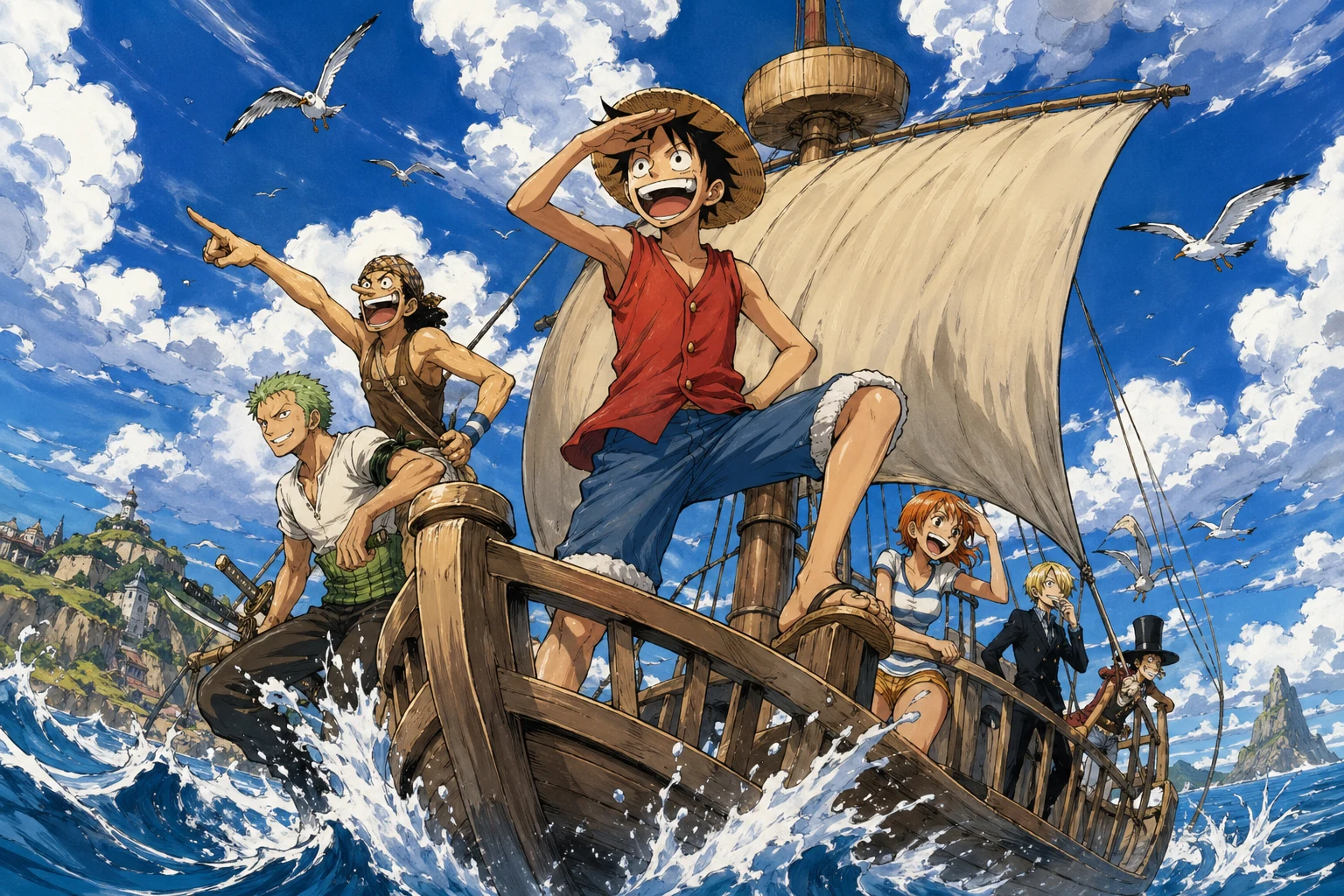
Generate a One Piece scene
Type a scene below and press Generate.
About One Piece style
One Piece style combines Eiichiro Oda exaggerated limb proportions, expressive crowd faces, and tropical island color with the rubbery, motion-line-heavy action of a long-running shonen adventure. It suits pirate OCs, comedic brawl panels, and wanted-poster art.
The One Piece style refers to the manga look that Eiichiro Oda has built across more than a thousand chapters of Shueisha's Weekly Shonen Jump. Body design pushes silhouettes to extremes: tall and lanky (Brook), short and round (Chopper), barrel-chested giants (Whitebeard), and bouncy rubber limbs (Luffy). Faces are confident pen drawings with wide grins, distinctive nose shapes, and the famous omake-style crowd reactions sitting in the back of busy panels. Backgrounds use tropical island vocabulary, pirate ships, sky islands, and Marineford-style fortresses, all rendered with thick contour lines and dense crosshatch shadow.
Action work in this style relies on big motion lines, rubber stretch, and panels that pack tens of characters into a single frame. Color, when applied, leans into a saturated tropical palette: ocean blue, sail white, sand yellow, and a single warm accent like a red captain's coat. Black and white pages emphasize bold contour, screen tone for sky and water, and crowd faces drawn small but readable. The wanted-poster aesthetic (rough paper texture, hand-stamped bounty, weathered border) is part of the visual vocabulary too and works as a strong standalone composition.
To prompt for the One Piece style on Anifusion, lead with 'one piece style manga' or 'eiichiro oda shonen manga style', then describe a pirate-flavored subject (rookie crew on the deck of a clipper, a Marine officer at sunset, a brawl on a Skypiea-style island), the action verb (rubber stretch punch, broadside cannon fire, comedic chase), and one location keyword (tropical island, sky island, Grand Line storm). Add 'thick contour lines' and 'omake crowd reaction faces' to push the manga feel. The One Piece style generator is well suited to pirate OC concept art, comedic battle panels, and wanted-poster pieces for original characters.
Try One Piece style generation
Try the look on your own prompt. Start from one of the examples below.
Example prompts
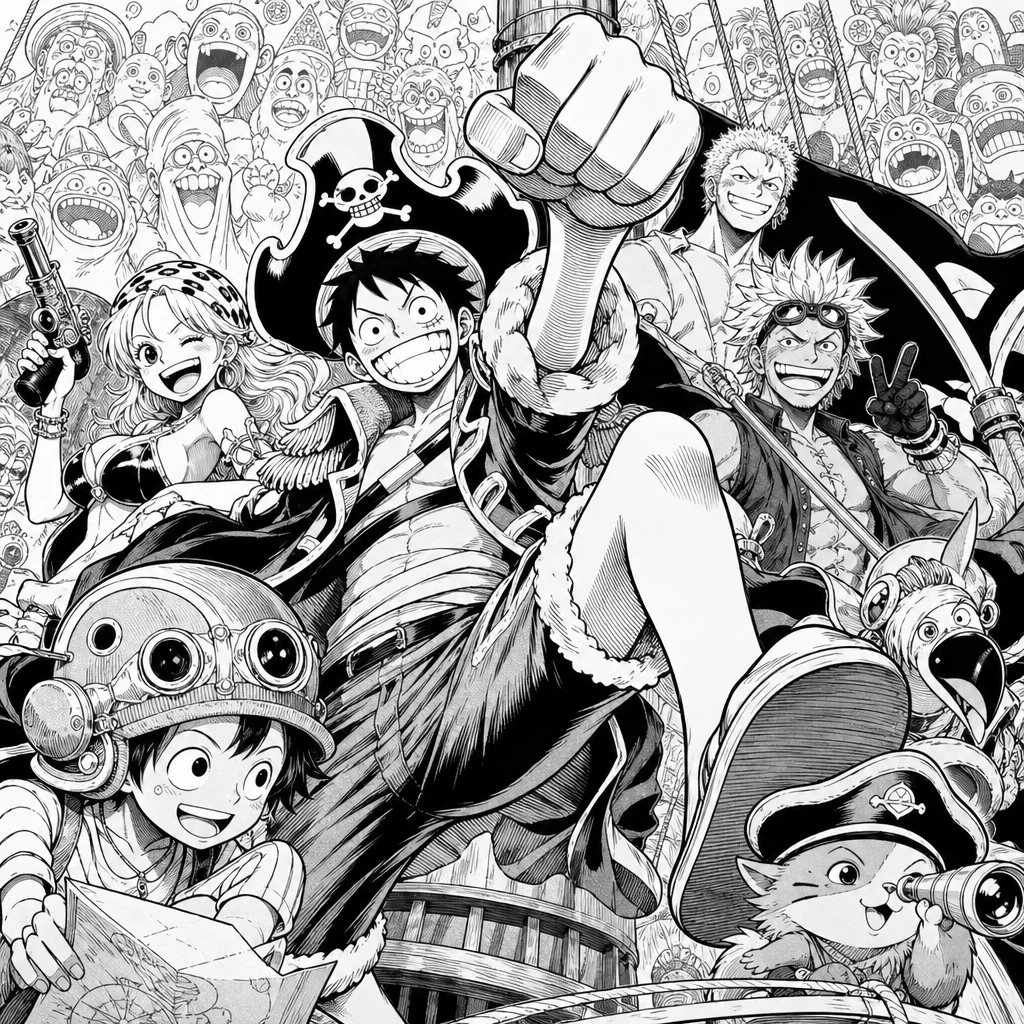
"one piece style manga, rookie pirate captain in a long red coat standing on the deck of a clipper, rubber stretch arms mid-pose, tropical island and Marine warship on the horizon, omake crowd reaction faces in the background, thick contour ink lines, black and white shonen manga page"
Try this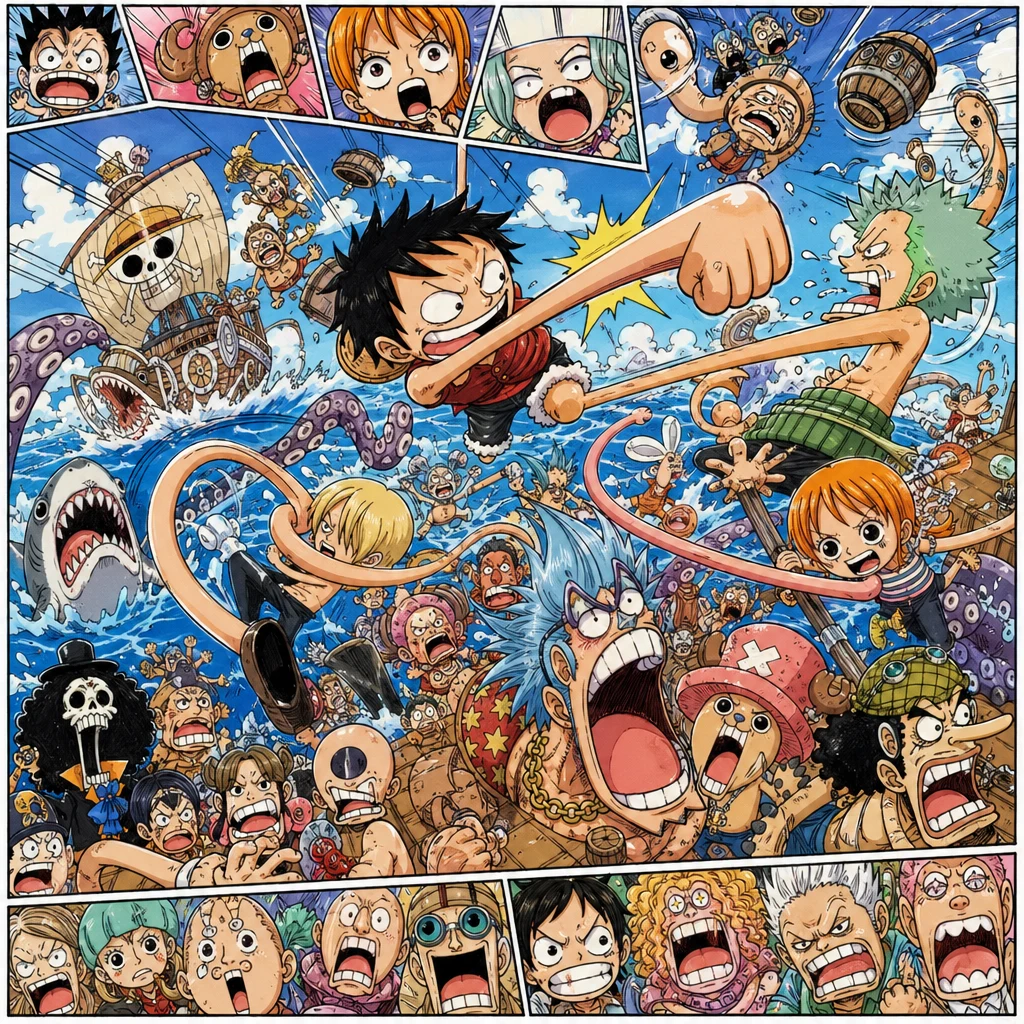
"one piece style brawl panel, three pirate crewmates in mid-air rubber stretch kicks against a Marine officer, motion lines bursting outward, tropical island palette of ocean blue and sail white, comedic shock faces in the corner, dense Jump-style page composition"
Try this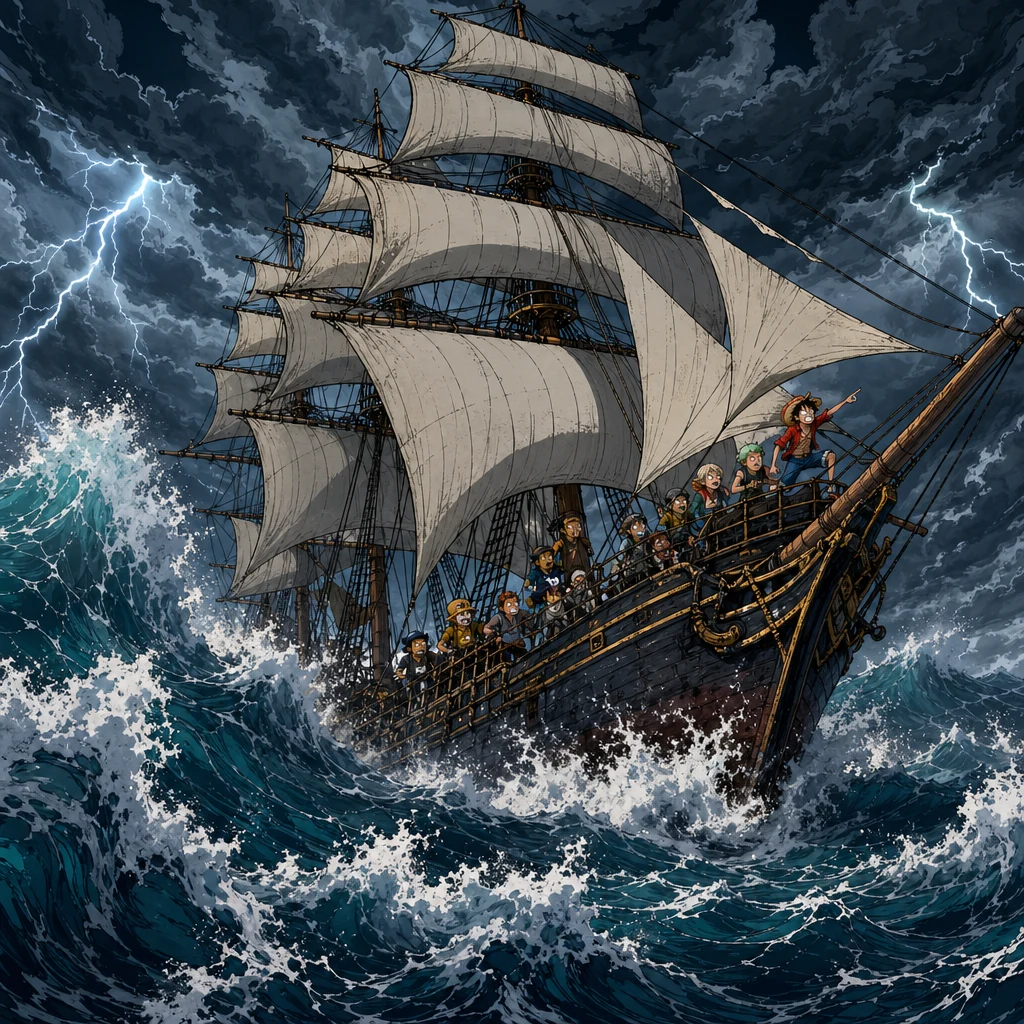
"one piece style wanted poster, weathered paper texture and torn edges, confident bust portrait of an original female swordfighter pirate, hand-stamped bounty value beneath the photo, Marine seal in the corner, eiichiro oda shonen manga style"
Try thisMake your own One Piece style art
Type a prompt below, or tap a starter to begin.
Generate a One Piece scene
Type a scene below and press Generate.
Why choose Anifusion?
Oda exaggerated proportions
Pushes silhouettes to extremes: lanky giants, barrel torsos, rubber limbs, and tiny round designs that read instantly even in dense crowd panels.
Rubber stretch motion lines
Big arcing motion lines, rubber-stretch limbs, and impact stars that telegraph action without losing the comedic Jump tempo.
Tropical island palette
Saturated ocean blue, sail white, sand yellow, and a single warm captain-coat red instead of an evenly busy color scheme.
Omake crowd reaction faces
Background characters drawn small but readable, packed with comedic shocked, hyped, or weeping reactions behind the lead pose.
Wanted poster aesthetic
Weathered paper texture, hand-stamped bounty value, torn edges, and a single confident bust portrait. Strong as a standalone piece.
Thick contour ink lines
Heavy outer contour, dense crosshatch shadow, and screen tone for water and sky: the classic Weekly Shonen Jump page recipe.
Create in 3 easy steps
Write your prompt
Describe your vision for One Piece style in plain language.
Refine settings
Tune the aspect ratio and style strength to your liking.
Generate and enjoy
Click generate and watch your masterpiece come to life in seconds.
Related styles
Discover more artistic directions you might love
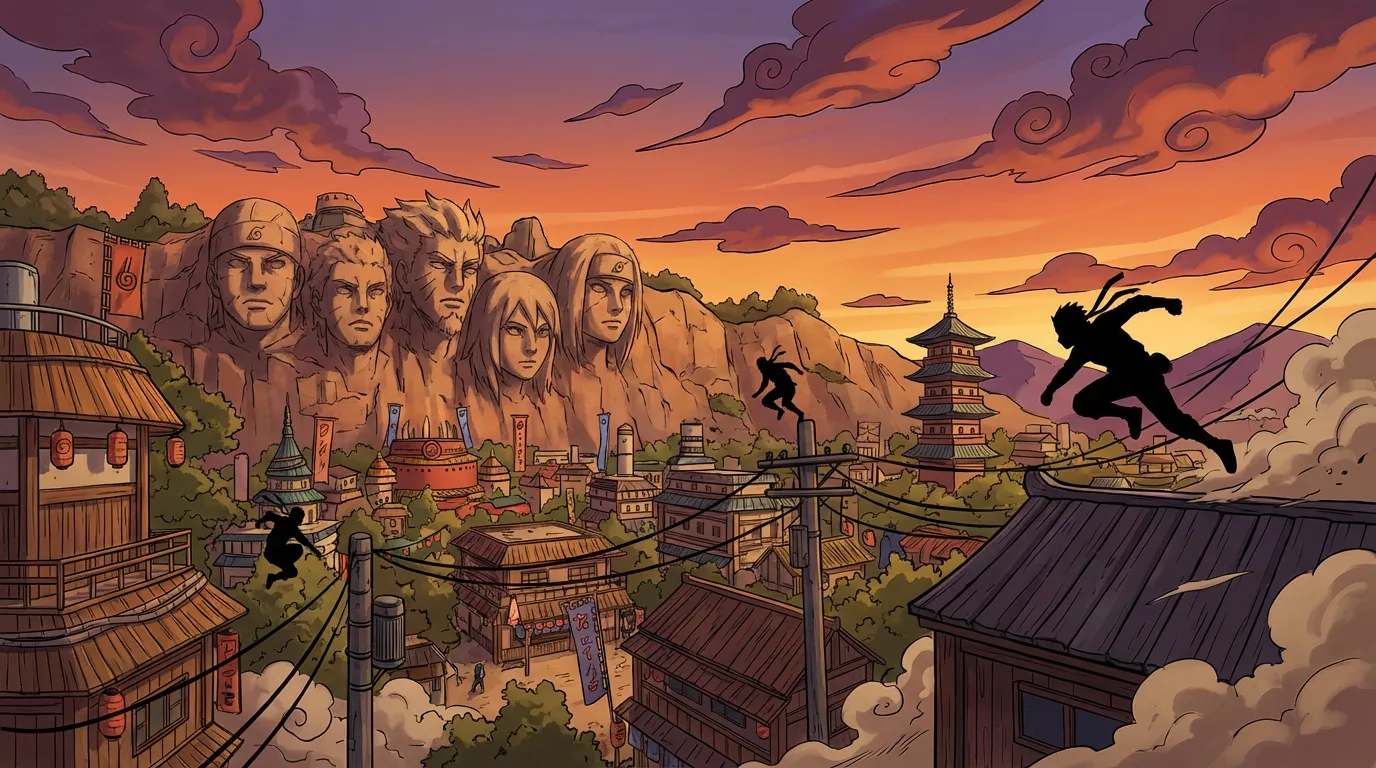
Naruto style
Naruto style pairs Masashi Kishimoto detailed ninja design with fan-pattern smoke trails, ninjutsu glow rims, and dense crosshatch ink. It suits ninja OCs, Hidden Village rooftop fights, and chakra-driven jutsu panels.
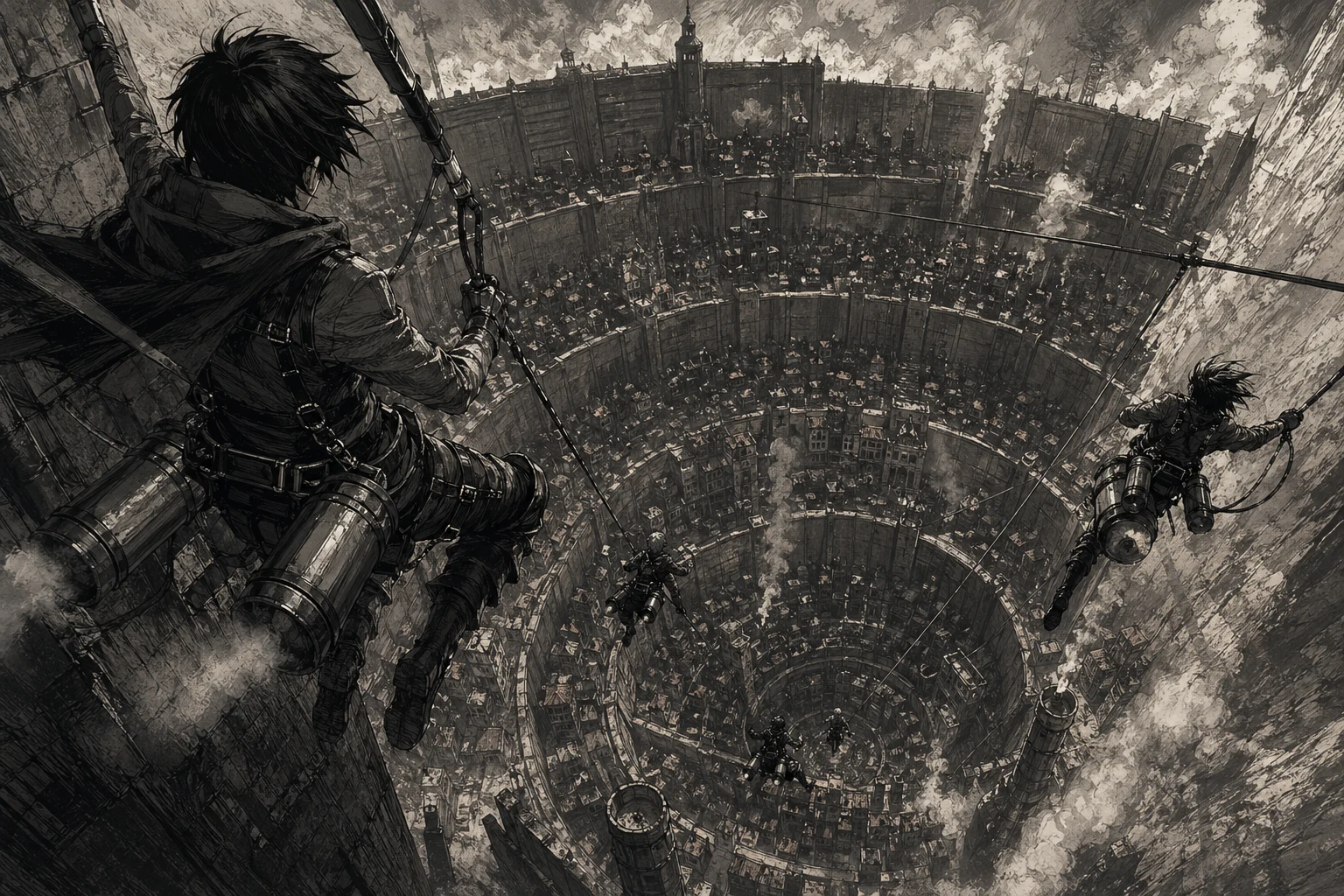
Attack on Titan style
Attack on Titan style pairs Isayama jagged ink lines and dense crosshatch with ODM gear cable trails, ruined Wall Maria perspective, and pure scale dread. It suits Survey Corps OCs, vertical-action chase panels, and walled-city establishing shots.
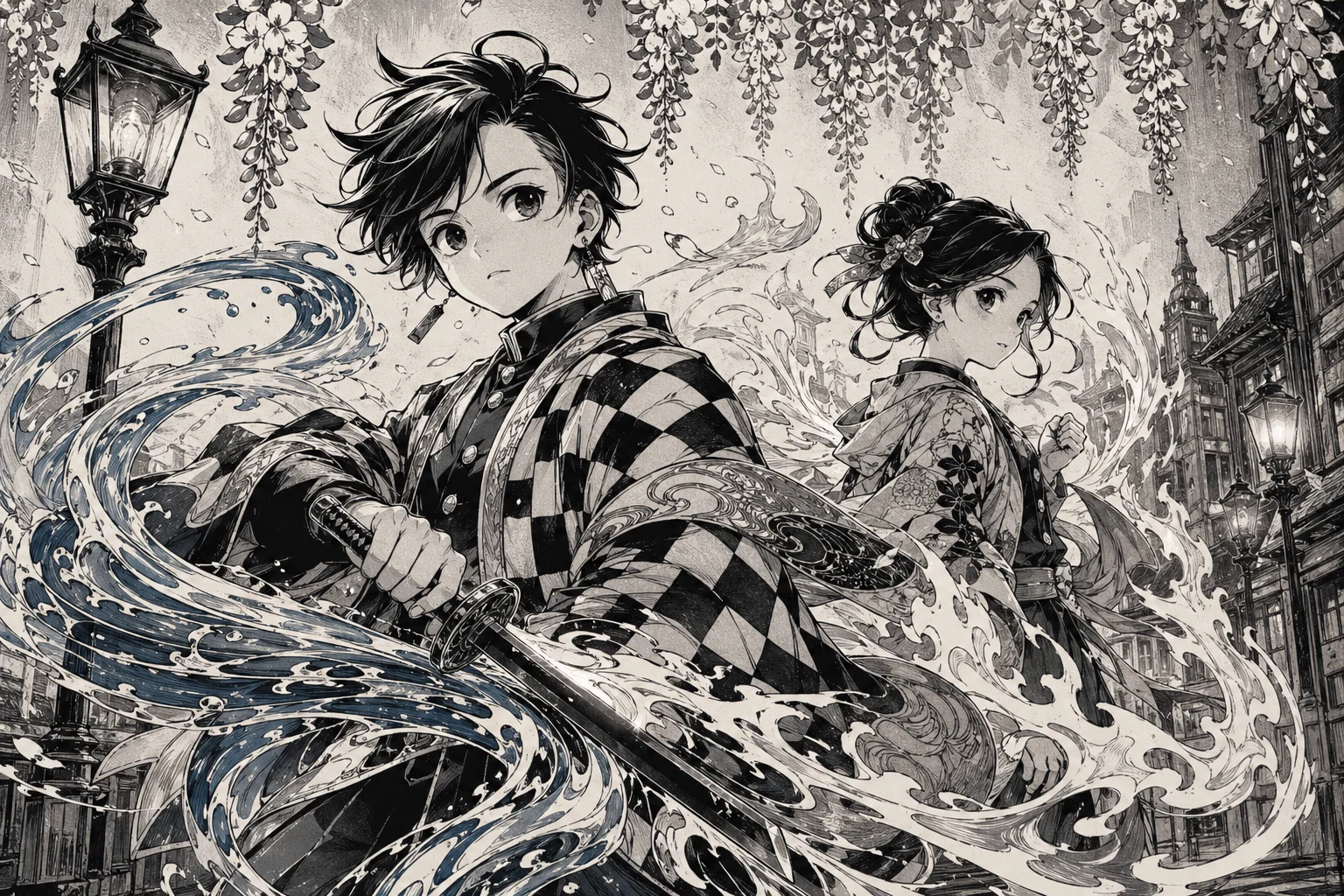
Demon Slayer style
Demon Slayer style pairs Koyoharu Gotouge's soft Taisho-era character design with ufotable particle effects, ink-wash breathing forms, and Hashira haori patterns. It suits original Demon Slayer Corps OCs, moonlit forest battles, and pattern-rich character key visuals.
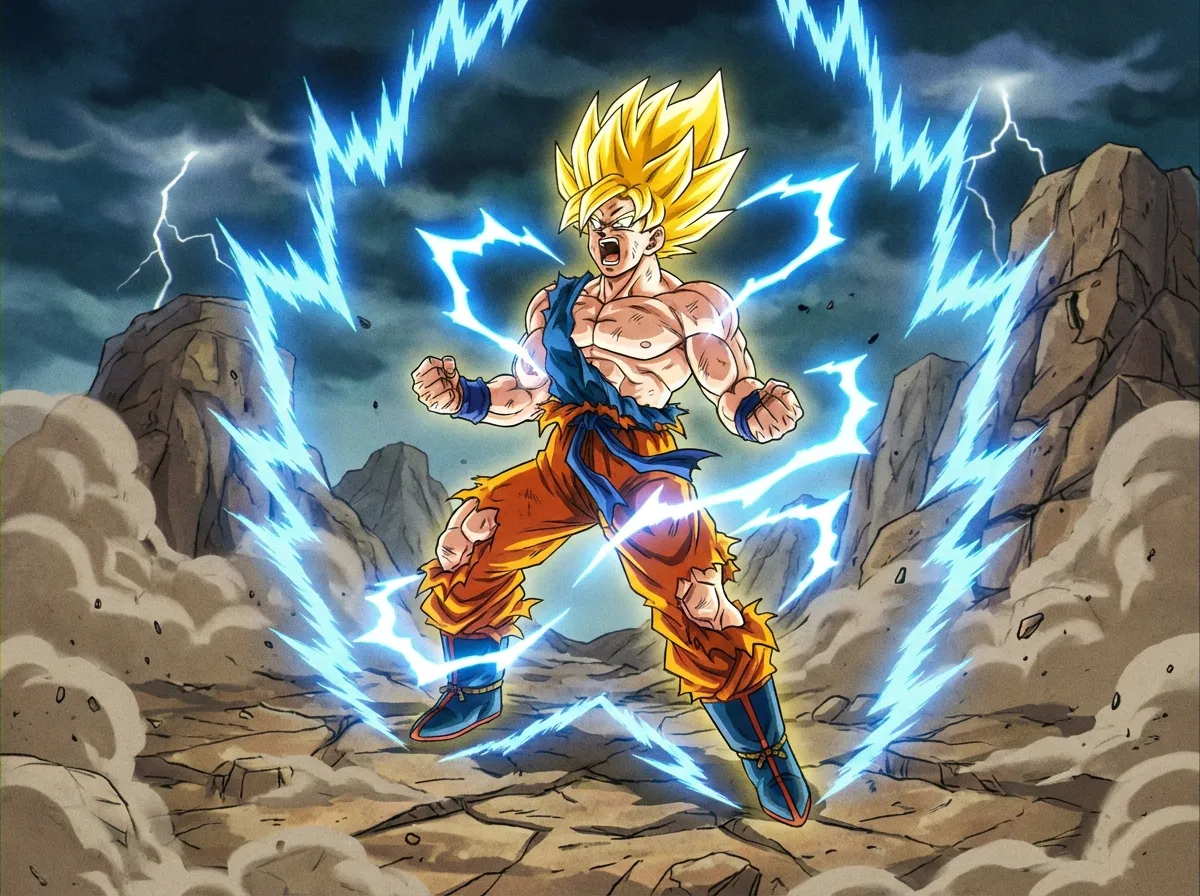
Dragon Ball style
Dragon Ball style pairs Akira Toriyama's clean spike line and rounded martial-arts proportions with Super Saiyan aura backdrops, ki blast charge frames, and Capsule Corp 80s tech design. It suits original Saiyan OCs, charge-pose key visuals, and Toriyama-style sci-fi gear.
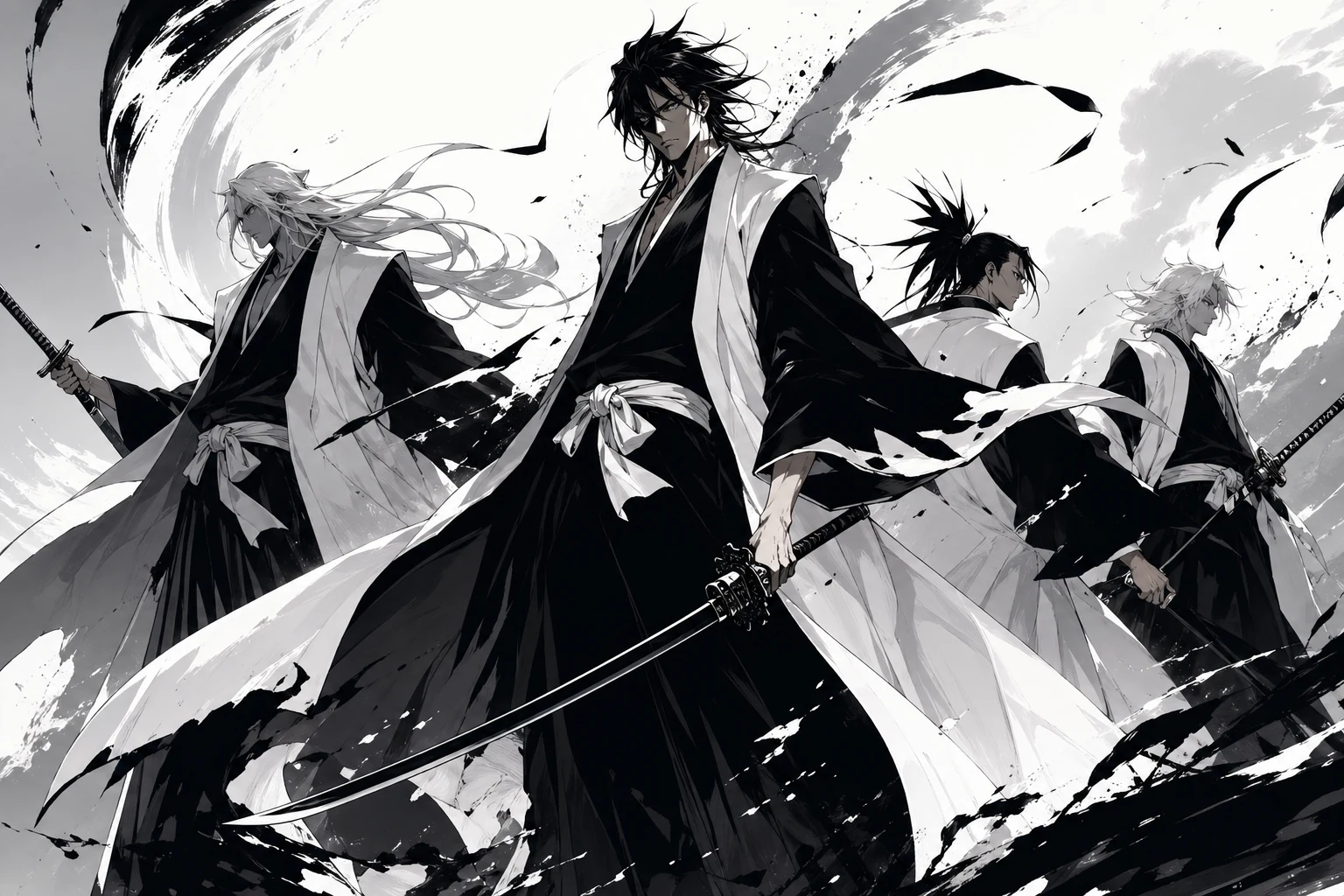
Bleach style
Bleach style is a high-fashion shonen look defined by Tite Kubo's high-contrast ink, the Hueco Mundo desaturated white-gray-black palette, Zanpakuto release glows, and 9-head runway-tall shihakusho silhouettes. It suits original captains, hollows, Quincy, and bankai release key art.
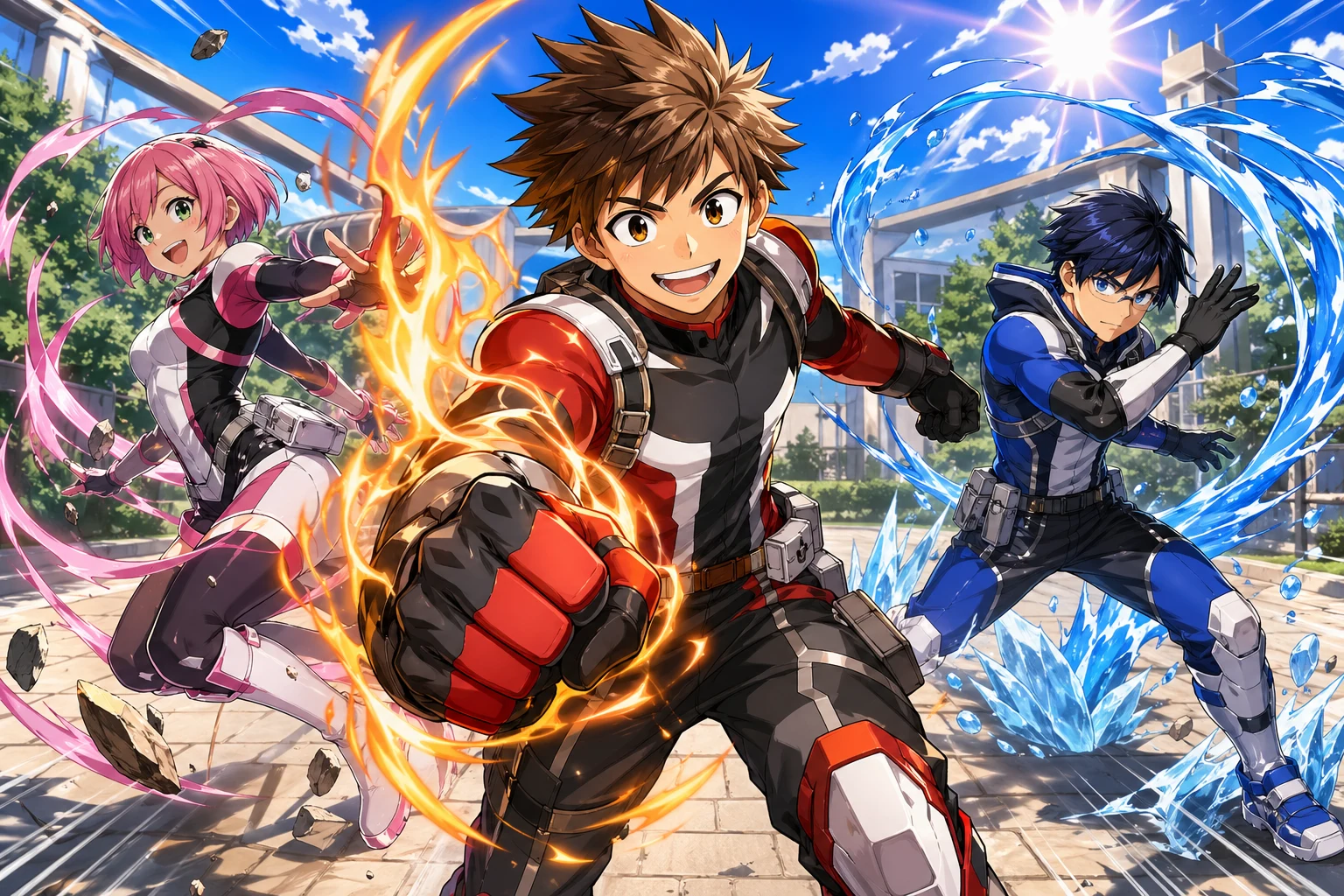
My Hero Academia style
My Hero Academia style pairs Kohei Horikoshi's grit ink and Western-comic-influenced posing with quirk effect overlays, school uniform tactical detail, and city-brawl key visuals. It suits original pro hero OCs, U.A.-style student art, and quirk reveal panels.
Frequently asked questions
Prompt tips, rights, and workflow. Sign up free to generate in this look today.
Generate a One Piece scene
Type a scene below and press Generate.
What defines the One Piece manga style?
It is the silhouette-first design philosophy Eiichiro Oda has refined over a thousand chapters: extreme height and width variation between characters, rubber-stretch action, omake crowd faces packed into busy panels, and a tropical island color world. Pen line is thick and confident, screen tone carries the water and sky, and the famous wanted-poster format works as a standalone composition.
How do I prompt for an Oda-style original character?
Lead with 'one piece style' or 'eiichiro oda shonen manga style', then commit to a clear silhouette in one phrase (lanky and tall, short and round, barrel-chested, rubber limbs). Describe one defining accessory (a long red coat, an oversized straw hat, a pirate-flag tattoo) and one expressive default face (wide grin, comedic shock, hardened glare). Skip realistic anatomy notes; the style depends on cartoon exaggeration.
Can I generate Luffy or other Straw Hat Pirates?
Anifusion does not produce official Shueisha characters, and using their names tends to give weak, mismatched results. The better approach is to design your own crew in the same visual vocabulary: silhouette-first body design, rubber stretch action, tropical palette, and a wanted poster headshot. The One Piece look transfers well to original characters precisely because the silhouette logic is so clear.
How do I draw the famous battle and crowd panels?
For battle panels, request 'big motion lines', 'rubber stretch limbs', 'impact stars', and a single primary character framed against a wider crew. For crowd panels, ask for 'omake crowd reaction faces in the background', and let the model spread small reaction expressions behind the lead pose. Keep the foreground composition simple so the densely drawn background reads cleanly.
Does One Piece style need to be black and white?
Both work. Weekly Shonen Jump pages are black and white with screen tone, while the cover art and color spreads use a saturated tropical palette: ocean blue, sail white, sand yellow, and one warm accent like a captain's red coat. Color outputs sit closer to the anime adaptation, while black and white outputs read closer to the original Oda manga page.
Is this style only for pirate stories?
The visual vocabulary skews pirate, but the underlying logic (silhouette-first design, rubber action, omake crowds, wanted-poster headshots) ports cleanly to other shonen genres. It works for tournament arcs, bounty-hunter sci-fi, fantasy mercenary crews, and any large-cast adventure where you need each character to read instantly in a crowded frame.
Can I use One Piece style art commercially?
Anifusion grants you full commercial rights to images you generate. The general shonen manga aesthetic is not protected, but specific characters, names, and logos owned by Shueisha and Eiichiro Oda are. Stick to original pirate crews, original ships, and original wanted posters if you plan to use the art for client work, merchandise, or paid distribution.
Start creating One Piece style art today
Join 130,000+ creators and bring your imagination to life with 100 free credits.