Generate isekai anime art with AI
Summoning circle compositions, RPG-stat HUD overlays, fantasy guild interiors, and adventurer party group shots in the modern light novel cover style.
Franchise, studio, and character references describe style or mood only, not a license, sponsorship, endorsement, or affiliation. You are responsible for your prompts and outputs. As-is, no warranty of non-infringement (not legal advice). For DMCA, copyright, or trademark issues, use our Contact page.
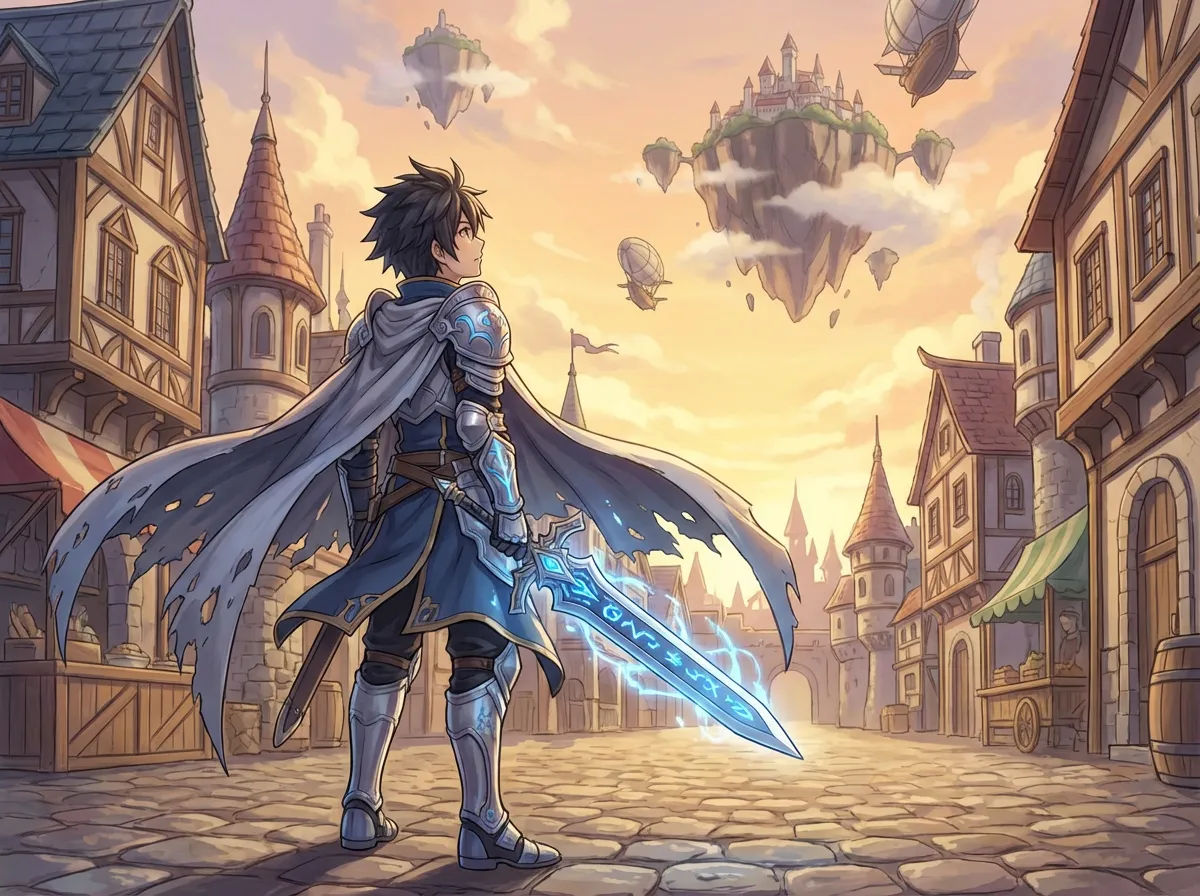
Generate a Isekai anime scene
Type a scene below and press Generate.
About Isekai anime style
Isekai anime style is the modern light novel adaptation look defined by summoning circle compositions, RPG-stat HUD overlays, fantasy guild interiors, and adventurer party group shots. It suits original isekai protagonists, party covers, and dungeon-and-tavern key art.
Isekai (literally 'another world') is the dominant fantasy template in modern anime, running from Sword Art Online (2012), Re:Zero, KonoSuba, Overlord, and That Time I Got Reincarnated as a Slime through to recent hits like Mushoku Tensei and Frieren-adjacent titles. The visual style is consistent across studios because most isekai are light novel adaptations sharing the same cover-art language: a hero foregrounded with party members fanning out behind, an over-painted fantasy backdrop (forest path, guild tavern, ancient ruin, dragon-on-ridgeline silhouette), and brand-saturated UI color (sky blue, gold, magenta) lifted from JRPG menus.
The character vocabulary is drawn from JRPG class archetypes: a hooded battle-mage with staff and rune-stitched robe, a warrior in plate-and-leather hybrid armor with a buckler, a healer in white-and-gold cleric robes with a hand mirror or wand, a beast-girl thief with tail and pouches, an elf archer with shoulder cape and longbow, an adventurer-protagonist in plain shirt and travel cloak (intentionally unflashy so the reader can self-insert). Costume design favors a 'light novel detail budget': lots of belts, side pouches, asymmetric armor pieces, embroidery on cloth, and one signature accessory per character (eye patch, necklace charm, embroidered cape clasp, weapon with named gem). Magic is rendered as colored particle bloom (orange fireball with sparks, blue ice shard rain, green wind whirl) plus a glowing rune-stitched summoning circle on the ground.
The genre also uses two recurring composition tricks. The summoning circle composition: hero standing inside a glowing magic circle with floating runes and shafts of light streaming up, used for the 'transported to another world' opening cut. The RPG-stat HUD overlay: translucent menu boxes at the corner of the frame showing HP, MP, level, and skill names in a clean sans-serif, anchoring the JRPG game-feel. Backgrounds favor staged fantasy locations: cobblestone plaza of a guild town, tavern interior with hanging lanterns and quest-board wall, mossy dungeon hall lit by torches, and the dragon-on-ridgeline horizon used for arc-finale wide shots.
To prompt for the isekai anime style on Anifusion, lead with 'isekai anime style', 'light novel cover art style', or 'modern fantasy adventurer anime style', then specify a class archetype ('hooded battle-mage with rune-stitched robe', 'plate-and-leather hybrid warrior with buckler', 'cleric healer in white-and-gold robes', 'beast-girl thief with tail and side pouches'), one composition trick ('summoning circle composition with glowing runes on the ground', 'RPG-stat HUD overlay in the corner showing HP MP level', 'guild tavern interior with quest-board wall'), and one magic effect ('orange fireball particle bloom', 'blue ice shard rain', 'green wind whirl'). Add 'light novel cover art saturation, sky blue and gold accents' and 'over-painted fantasy backdrop' to lock the look. The isekai anime style generator works for original adventurer protagonists, original party group covers, and dungeon-and-tavern key art.
Try Isekai anime style generation
Try the look on your own prompt. Start from one of the examples below.
Example prompts
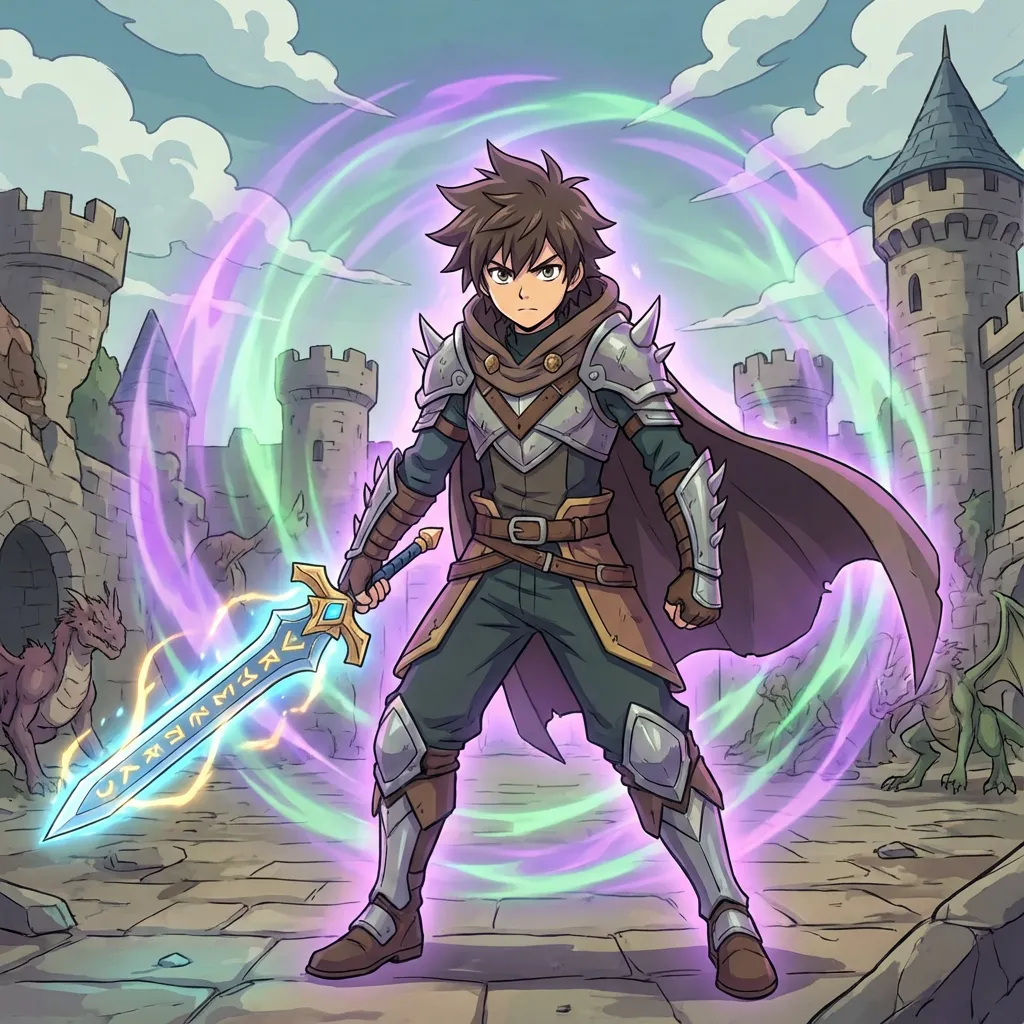
"isekai anime style, original protagonist in plain shirt and travel cloak standing inside a summoning circle composition with glowing rune-stitched magic circle on the floor and shafts of golden light streaming up, modern light novel cover art saturation, sky blue and gold accents, over-painted fantasy backdrop"
Try this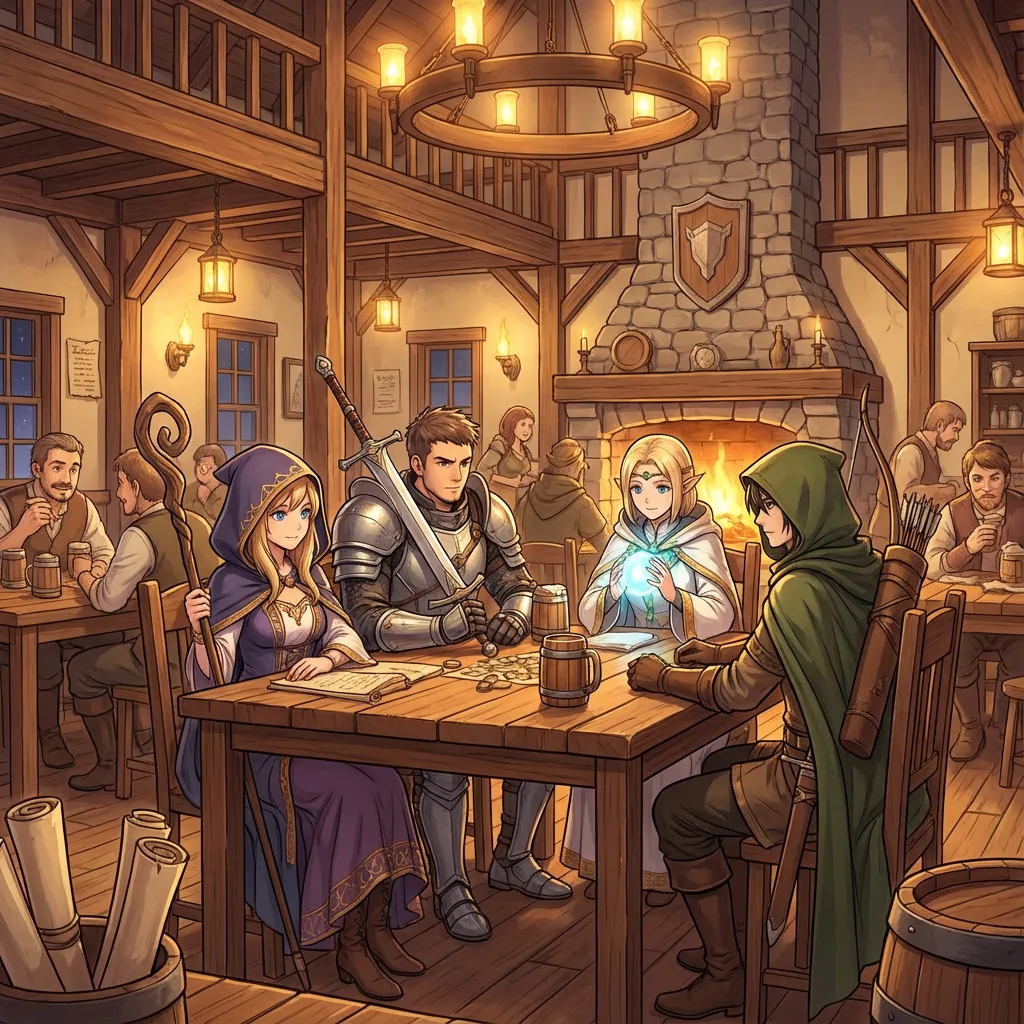
"Isekai anime style, light novel cover art style adventurer party group shot, hooded battle-mage with rune-stitched robe, plate-and-leather hybrid warrior with buckler, cleric healer in white-and-gold robes, beast-girl thief with tail and side pouches, fanned out around the protagonist, fantasy guild tavern interior with hanging lanterns and quest-board wall behind them"
Try this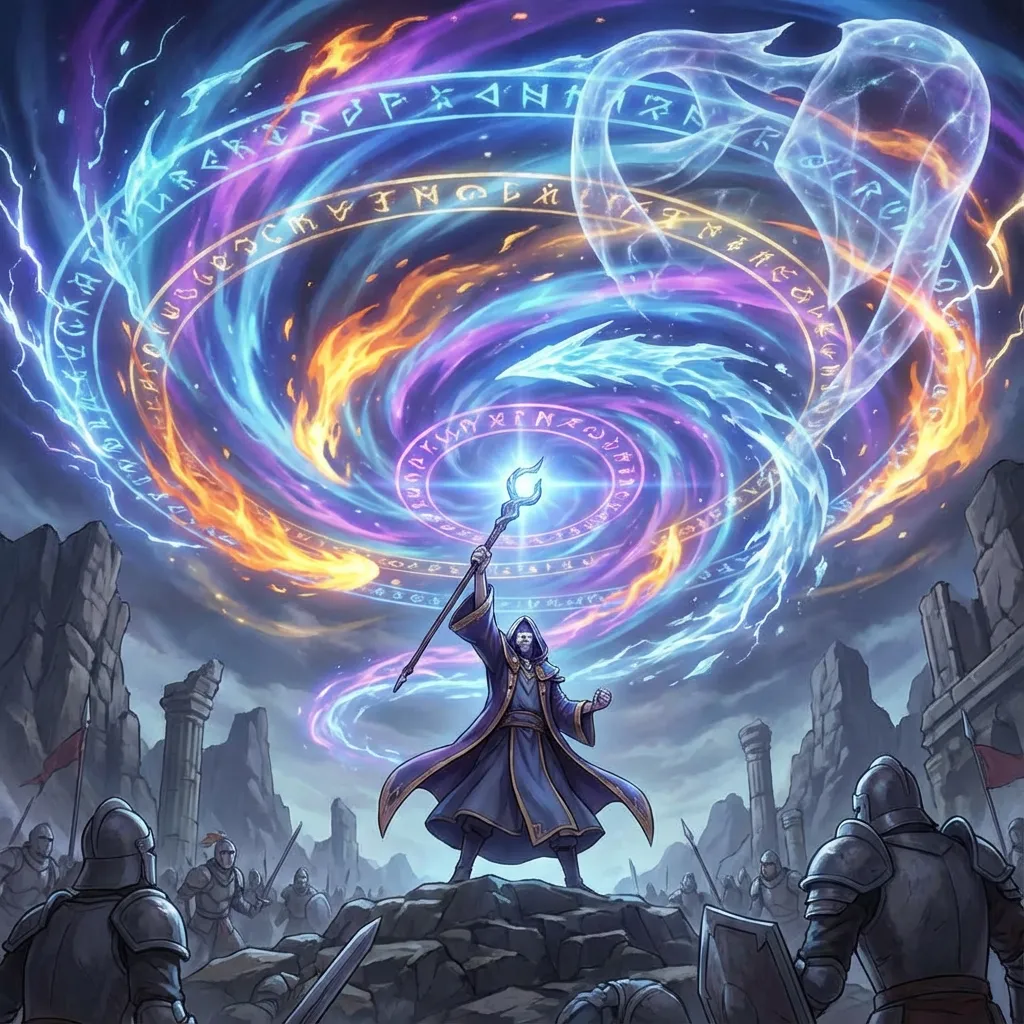
"Isekai anime style, modern fantasy adventurer anime style, lone elf archer on a mossy dungeon hall lit by torches, longbow drawn, glowing rune circle on the floor at her feet, RPG-stat HUD overlay in the corner showing HP MP level and a skill name in clean sans-serif, blue ice shard rain in the air, light novel cover art saturation"
Try thisMake your own Isekai anime style art
Type a prompt below, or tap a starter to begin.
Generate a Isekai anime scene
Type a scene below and press Generate.
Why choose Anifusion?
Summoning circle composition
Hero standing inside a glowing rune-stitched magic circle with floating runes and shafts of light streaming up, the genre's 'transported to another world' opening cut.
RPG-stat HUD overlay
Translucent menu boxes at the corner of the frame showing HP, MP, level, and skill names in clean sans-serif, the JRPG game-feel anchor.
Fantasy guild interior
Guild tavern with hanging lanterns, quest-board wall, long wooden tables, beer mugs, and a counter clerk in matched uniform, the recurring isekai social hub.
JRPG class archetypes
Battle-mage, plate-and-leather warrior, cleric healer, beast-girl thief, elf archer, plain-cloak protagonist, the ready-made adventurer party vocabulary.
Colored particle magic
Orange fireball with spark bloom, blue ice shard rain, green wind whirl, white healing chime, and rune circles glowing on the ground beneath the caster.
Light novel cover saturation
Sky blue, gold, and magenta brand-saturated palette, over-painted fantasy backdrop, soft glow on the hero's hair, and 'glanceable from a bookstore shelf' clarity.
Create in 3 easy steps
Write your prompt
Describe your vision for Isekai anime style in plain language.
Refine settings
Tune the aspect ratio and style strength to your liking.
Generate and enjoy
Click generate and watch your masterpiece come to life in seconds.
Related styles
Discover more artistic directions you might love
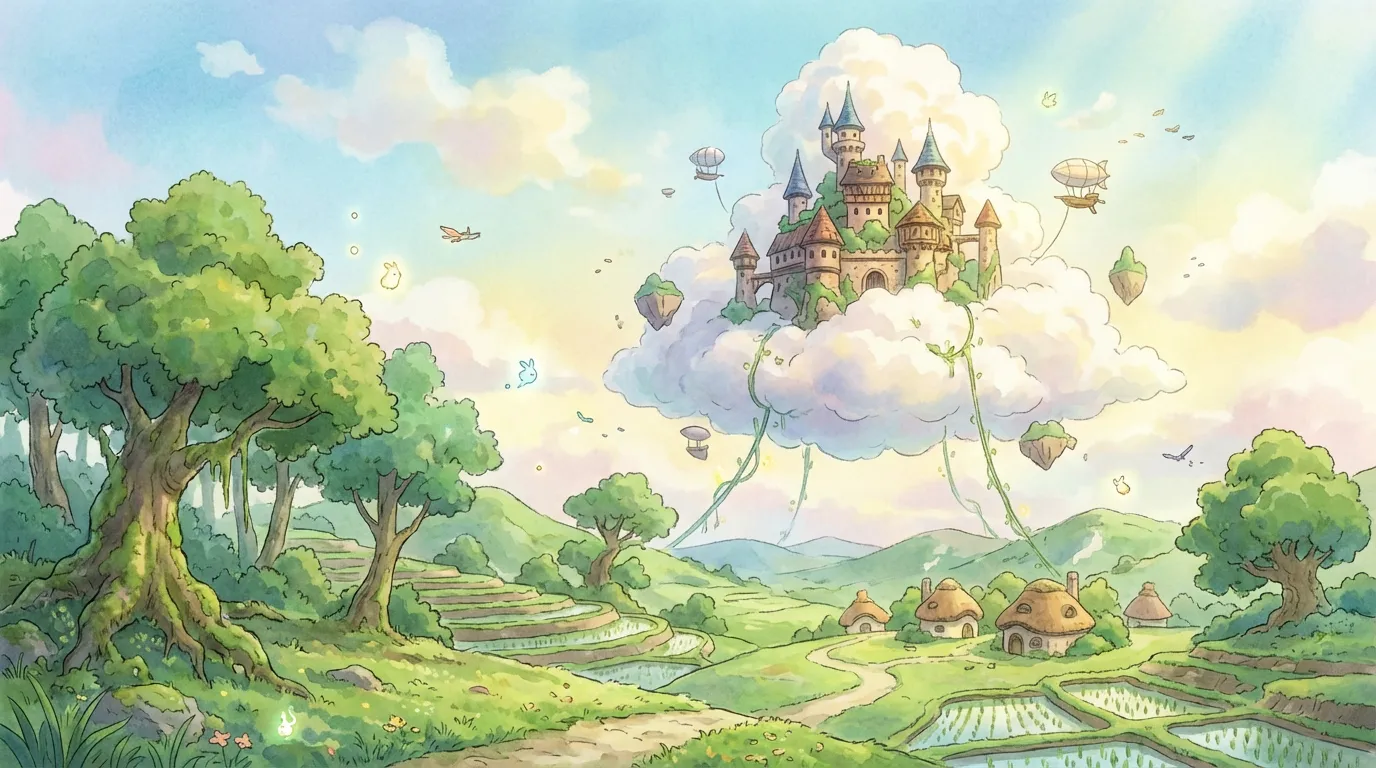
Studio Ghibli style
Studio Ghibli style pairs hand-painted watercolor backgrounds with gentle, expressive characters and a calm pastoral mood. It suits forest scenes, cozy interiors, sky vistas, and quiet character moments inspired by Miyazaki's filmography.
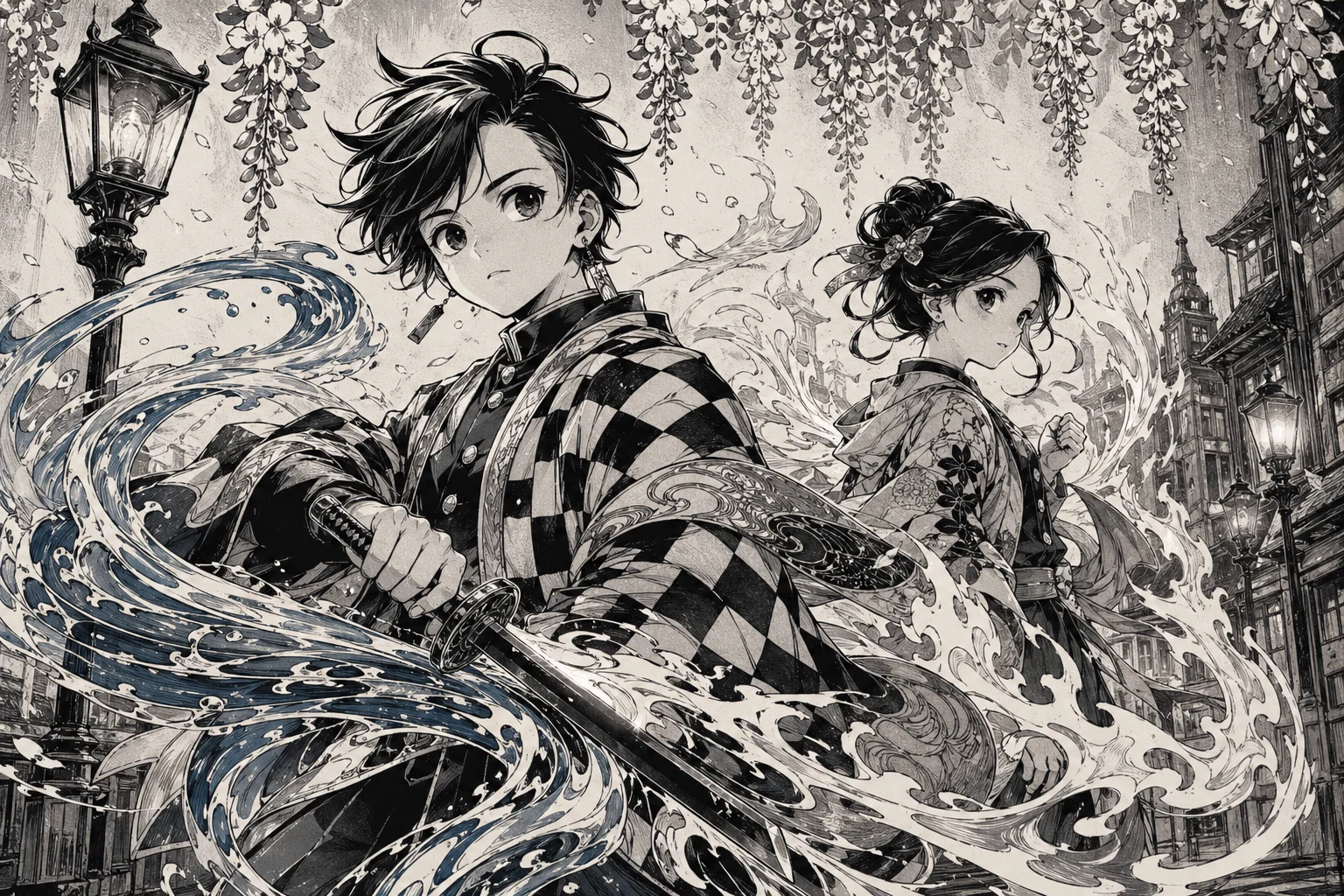
Demon Slayer style
Demon Slayer style pairs Koyoharu Gotouge's soft Taisho-era character design with ufotable particle effects, ink-wash breathing forms, and Hashira haori patterns. It suits original Demon Slayer Corps OCs, moonlit forest battles, and pattern-rich character key visuals.
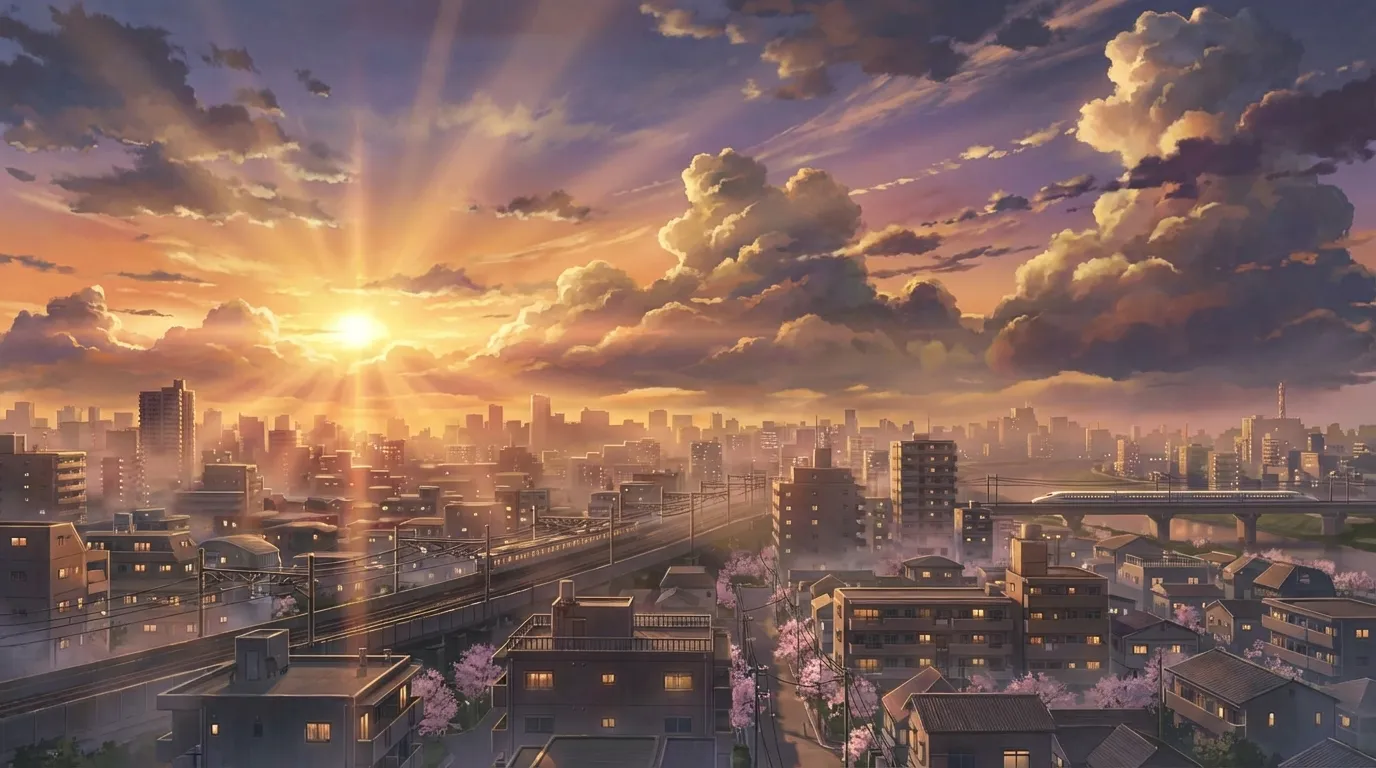
Makoto Shinkai style
Makoto Shinkai style pairs near-photographic urban Japanese backgrounds with stratus-cloud skies, golden hour lens flare, and quiet two-shot character framing. It suits emotional key visuals, train scenes, and rooftop sunset moments.
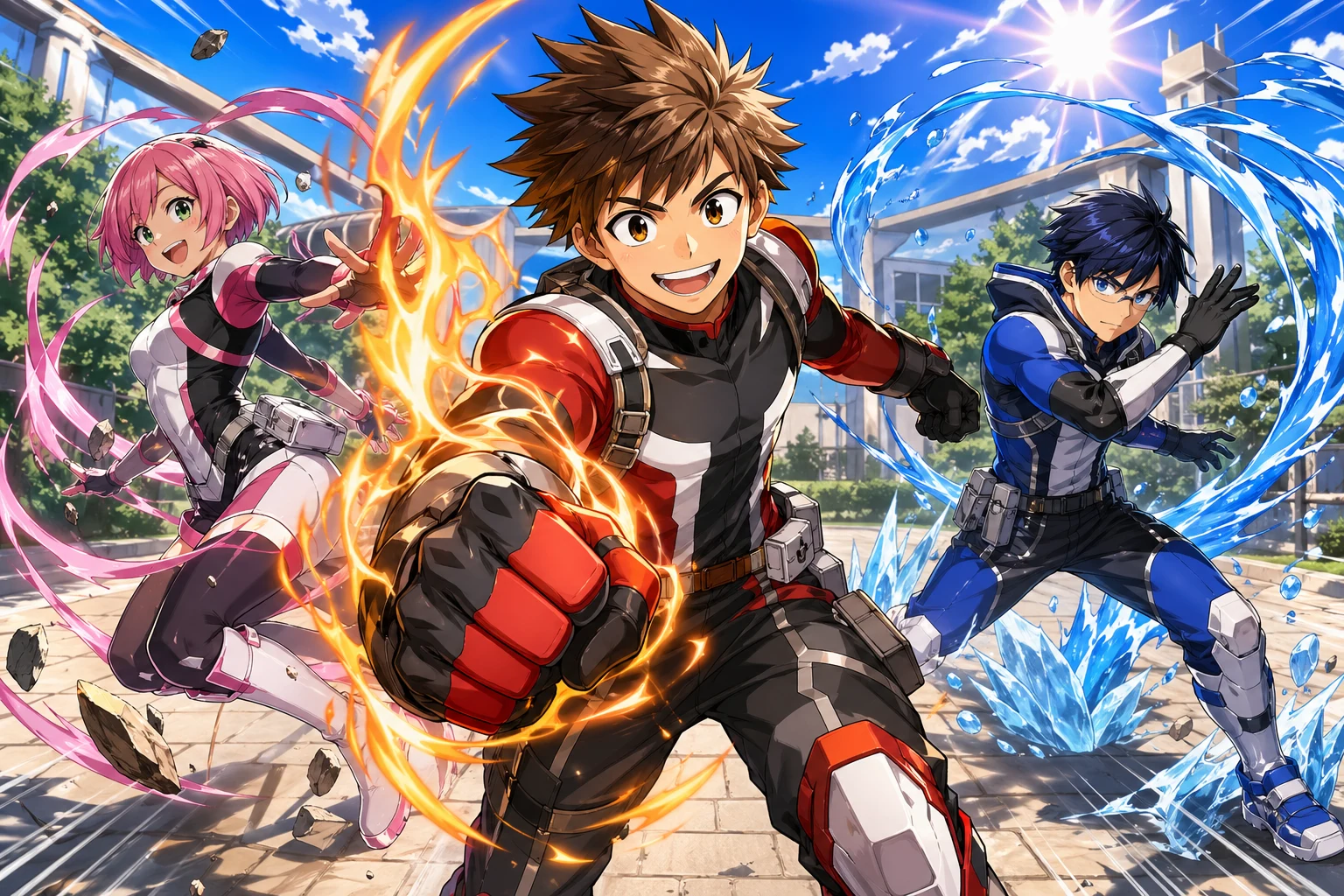
My Hero Academia style
My Hero Academia style pairs Kohei Horikoshi's grit ink and Western-comic-influenced posing with quirk effect overlays, school uniform tactical detail, and city-brawl key visuals. It suits original pro hero OCs, U.A.-style student art, and quirk reveal panels.
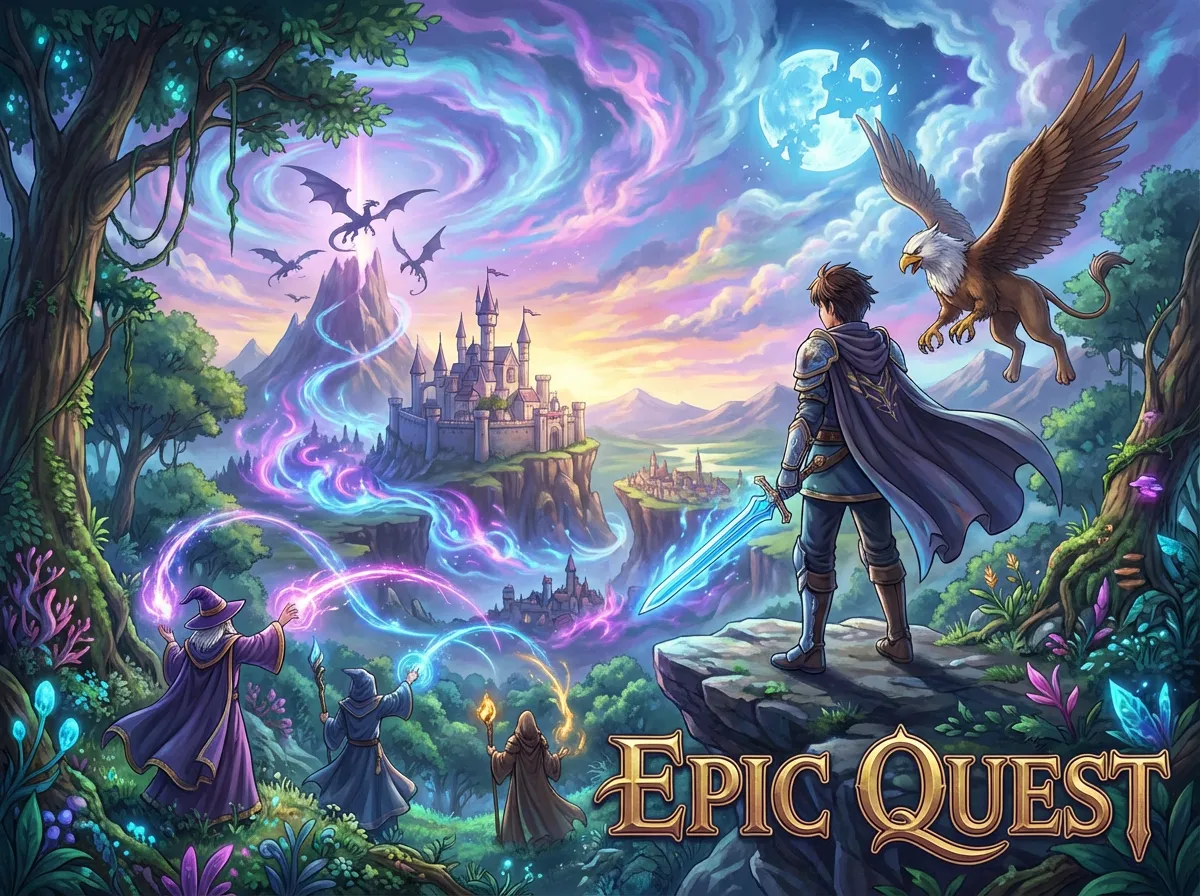
Fantasy anime style
Fantasy anime style covers high-fantasy worlds: elven silhouettes, torchlit dungeon palettes, dragon scale highlights, and crumbling spire architecture above forest canopies. Use it for isekai key visuals, RPG character sheets, party-portrait covers, and quest scene art that reads cinematic and grounded.
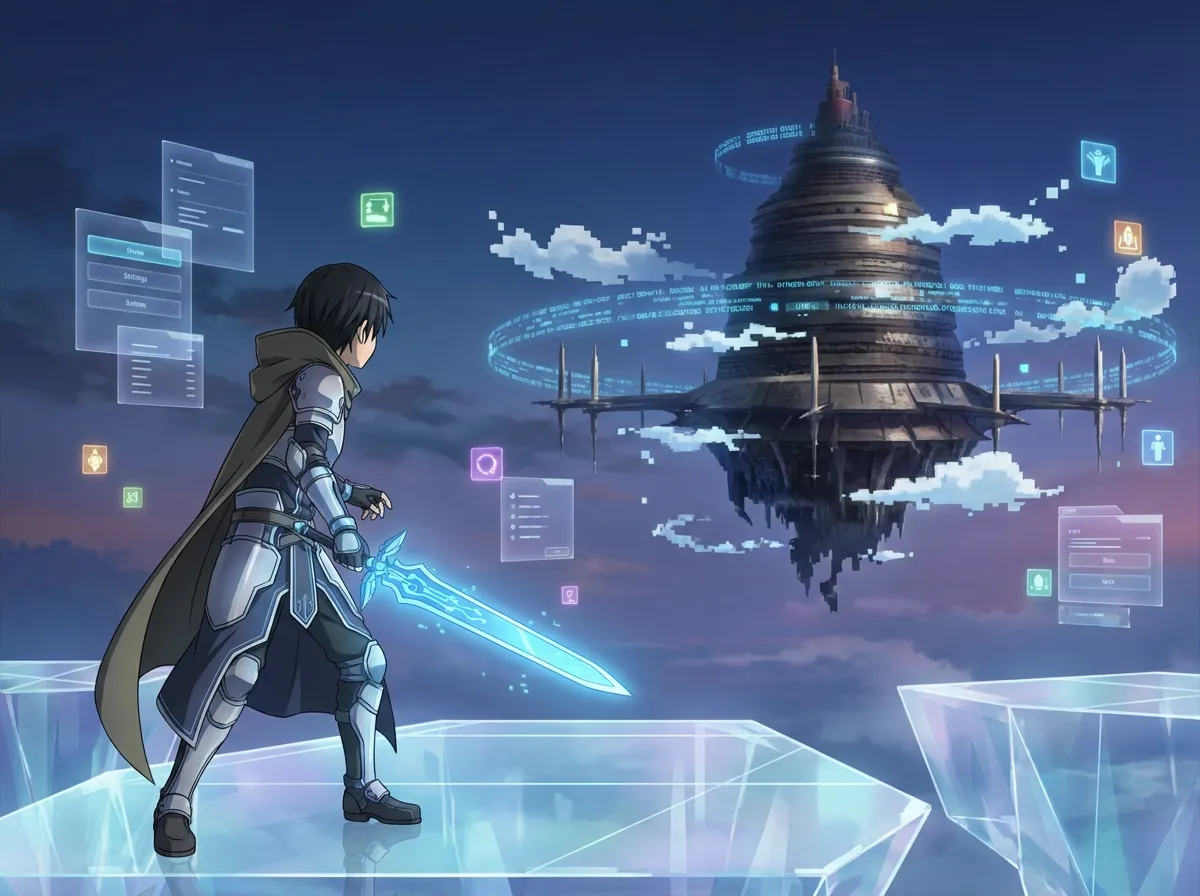
Sword Art Online style
Sword Art Online style is the VRMMO action-anime look defined by Aincrad floating castle layouts, VR HUD inventory overlays, neon avatar trails, and skill-name overlay tags. It suits original player-avatar portraits, dual-wielding fight key art, and Aincrad-floor guild scenes.
Frequently asked questions
Prompt tips, rights, and workflow. Sign up free to generate in this look today.
Generate a Isekai anime scene
Type a scene below and press Generate.
What defines the isekai anime style?
Three things define it. A light novel cover-art layout with a hero foregrounded and party fanning out behind on an over-painted fantasy backdrop. JRPG class archetype costuming (battle-mage with rune robe, plate-and-leather warrior, cleric healer, beast-girl thief). And one of two recurring composition tricks: the summoning circle composition or the RPG-stat HUD overlay. Add a colored particle magic effect and the look snaps into place.
How do I design an original isekai protagonist?
Keep the protagonist intentionally less flashy than the party. The light novel template puts a 'reader-self-insert' character in plain travel clothes (cotton shirt, travel cloak, basic boots, simple buckle belt) and lets a single signature accessory carry their identity (a small pendant, an oddly shaped tome, a gauntlet on one hand, a familiar beast on the shoulder). The supporting party members get the elaborate armor, the named gem on the weapon, and the colorful hair. Restraint on the protagonist is what makes the rest of the cover read.
How do I render the RPG-stat HUD overlay?
Treat it as a UI plate, not a vague description. Try 'RPG-stat HUD overlay in the upper-left corner, translucent dark blue rectangle with white border, white sans-serif text reading HP 240 / 300, MP 80 / 120, Level 17, plus one named skill like Fire Bolt below'. Naming the corner, the box color, the text color, the readout, and one skill name gives the model concrete UI instead of generic 'game-like elements'.
What kinds of locations should I prompt for?
The isekai canon recycles a small set of locations on purpose. Guild town cobblestone plaza with overhead awnings and a fountain, tavern interior with hanging lanterns and quest-board wall, mossy dungeon hall lit by torches, alpine ridge with a dragon silhouette on the horizon, ruined temple courtyard with collapsed pillars and ivy, royal throne room with banners and tiered steps. Naming one of these specifically gives a much stronger result than 'fantasy world'.
How do I get the magic effects to look isekai instead of generic?
Pick a single element and a single color, then describe the particle behavior. 'Orange fireball particle bloom with spark trail and rising smoke wisp', 'blue ice shard rain falling at a 30 degree angle', 'green wind whirl spiraling counterclockwise around the caster', 'white healing chime with petal motes drifting upward'. Add 'rune circle glowing on the ground beneath the caster, sky blue runes' to anchor the cast. Combining four elements at once turns into mush; one element done specifically reads as proper isekai magic.
Can I generate adventurer party group covers?
Yes, and they are the genre's signature shot. Stage them rather than just listing roles. Put the protagonist front-center, fan four party members behind in a shallow V (warrior and cleric flanking the protagonist, mage and thief or archer on the outside), match each character to a single hero color (warrior in red, cleric in white-gold, mage in blue, thief in green) so the group reads by color block, and put a guild tavern or ridgeline behind. Three to five party members works best; more turns into face soup.
Can I use isekai anime style art commercially?
Anifusion grants you full commercial rights to images you generate. The light-novel-cover isekai vocabulary (summoning circles, JRPG class archetypes, RPG-stat HUD overlays, guild taverns) is genre and not protected. But specific characters and titles (Subaru, Rem, Megumin, Ainz, Rimuru, Frieren) and the named worlds (Aincrad, the Demon Lord's castle from Overlord) are owned by their original light novel publishers and studios. For client work, merch, and paid distribution, build with original protagonists, original party compositions, and original world names.
Start creating Isekai anime style art today
Join 130,000+ creators and bring your imagination to life with 100 free credits.