Generate Cowboy Bebop style art with AI
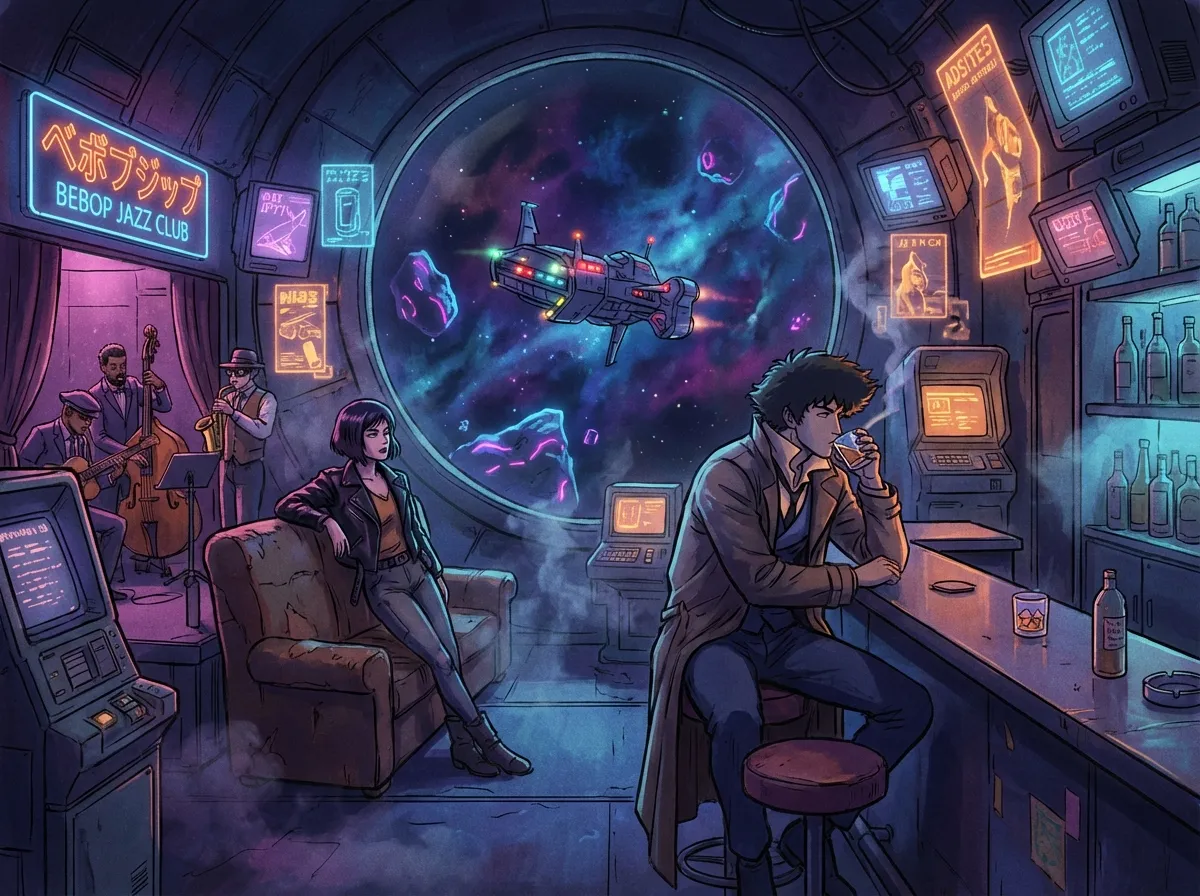
Neo-noir bounty hunters, swordfish-II silhouettes, and jazz-lit space ports rendered with Watanabe-style cool color grading.
Franchise, studio, and character references describe style or mood only, not a license, sponsorship, endorsement, or affiliation. You are responsible for your prompts and outputs. As-is, no warranty of non-infringement (not legal advice). For DMCA, copyright, or trademark issues, use our Contact page.
Generate a Cowboy Bebop scene
Type a scene below and press Generate.
About Cowboy Bebop style
Cowboy Bebop style is a sophisticated mix of film-noir lighting, retro-futuristic spacecraft, and jazz-bar atmosphere. Use it for space-western bounty hunters, lived-in star ports, and the cool, understated mood that defined Watanabe's series.
Cowboy Bebop is one of the most recognizable looks in late-90s anime, and that visual signature is what this generator targets. Director Shinichiro Watanabe combined film-noir cinematography with a space-western premise: anamorphic lens flares, hard tungsten interiors playing against neon exteriors, deep blues and warm amber accents, and characters with realistic adult proportions instead of stylized chibi shapes. Backgrounds carry a lived-in weight, with dented bulkheads, worn leather, and the kind of 70s yacht-rock space-port architecture that makes every frame feel like a Hopper painting in motion.
Use this style when you want bounty hunters, lounge singers, drifters, and street cyberpunks rendered with the same cool grade as the original series. It works well for swordfish-II inspired ship silhouettes, retro star-ports, jazz clubs, and quiet character moments. Pair the style tag with concrete prompt cues like "tungsten interior", "cool teal grade", "jazz bar lighting", or "anamorphic lens flare" to push the model toward the specific Bebop look rather than generic cyberpunk.
What sets the Bebop look apart from other sci-fi anime is restraint. The faces are still, the camera holds, and color does the emotional work. Compared to busier mecha series, characters wear practical clothing such as leather jackets, suits, or work shirts, the technology is greasy and analog rather than glowing-glass futurism, and the mood lands closer to noir cinema than to Saturday-morning anime. It is anime and cinema at the same time, which is why this style is a strong choice for adult sci-fi storyboards, character sheets, and key art.
Try Cowboy Bebop style generation
Try the look on your own prompt. Start from one of the examples below.
Example prompts
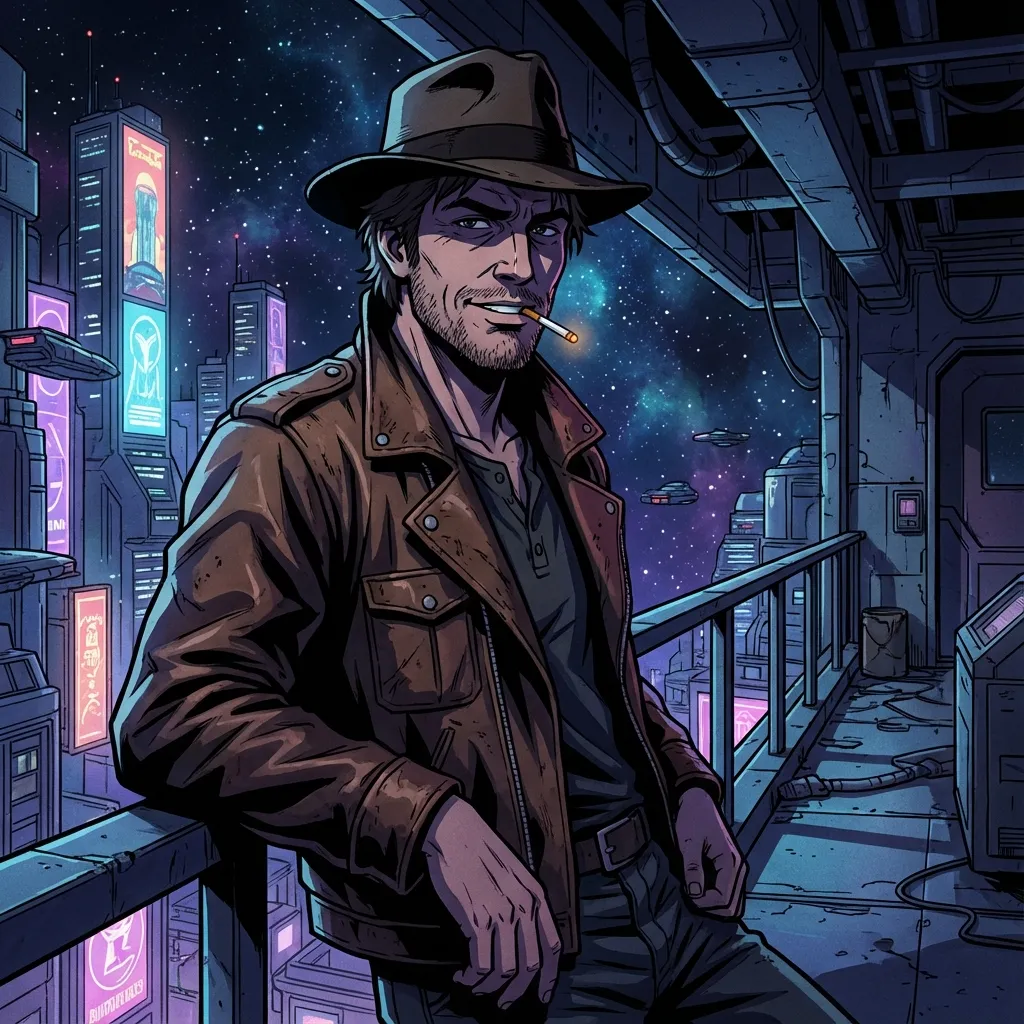
"cowboy bebop style, lone bounty hunter in a worn leather jacket leaning against a rusted swordfish-II style ship, jazz bar exterior at night, anamorphic lens flare, cool teal and amber color grade, watanabe-style composition, 35mm film grain"
Try this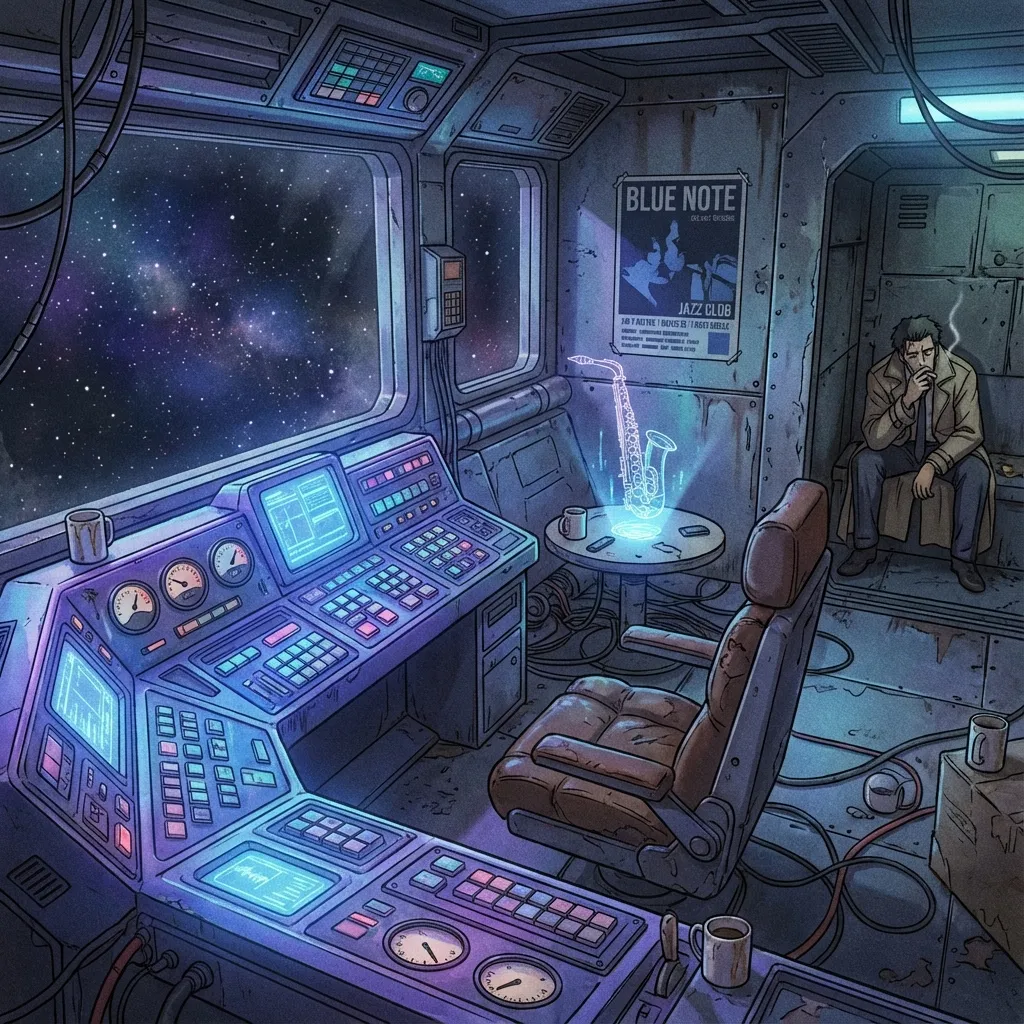
"Cowboy Bebop style, spacecraft cockpit interior, cowboy bebop anime, CRT monitors and toggle switches, taped-up wiring, hot tungsten interior light, cold blue starfield through the canopy, smoke from a cigarette, lived-in textures, anamorphic 2.35:1 framing"
Try this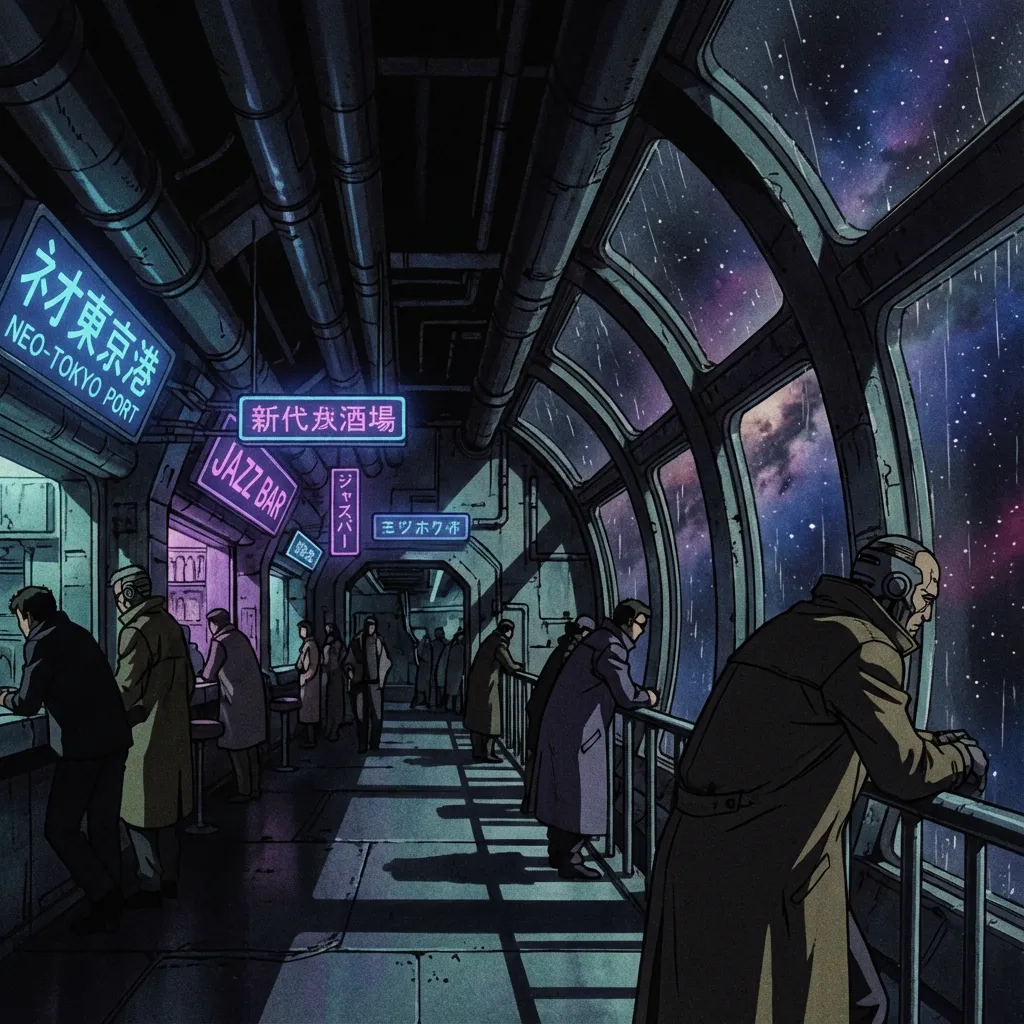
"Cowboy Bebop style, neon-soaked mars colony backstreet, cowboy bebop style, retro-futuristic 1970s yacht-rock architecture, signage in mixed kanji and english, rain on asphalt, distant saxophone vibe, watanabe-style cool color grade, atmospheric haze, low-angle wide shot"
Try thisMake your own Cowboy Bebop style art
Type a prompt below, or tap a starter to begin.
Generate a Cowboy Bebop scene
Type a scene below and press Generate.
Why choose Anifusion?
Retro-futuristic spacecraft
Render swordfish-II inspired cockpits, bulky cargo haulers, and chunky maintenance shuttles with worn paint, exposed paneling, and analog instruments. Functional shapes, not glossy concept art.
Jazz-bar lighting and color
Cool teal and indigo bases with warm amber lamp pools and pink neon kickers. Smoky air, soft falloff, and the kind of color grade that always feels like 2 a.m. somewhere.
Anamorphic noir cinematography
Wide-frame compositions, horizontal lens flares, low-angle hero shots, and venetian-blind shadows. Borrows from 70s noir thrillers more than from typical TV anime.
Cool, understated characters
Adult proportions, lived-in faces, leather and tailoring instead of school uniforms. Expressions stay quiet so the lighting and posture do the heavy lifting.
Greasy, analog technology
CRT monitors, switchboards, real wires, and labels written in mixed Japanese and English. Tech feels touched, repaired, and used rather than holographic or pristine.
Lived-in space-port worlds
70s yacht-rock architecture, dusty asteroid bars, vending-machine alleys on Mars, and freighter docks. Backgrounds prioritize texture and clutter over clean futurism.
Create in 3 easy steps
Write your prompt
Describe your vision for Cowboy Bebop style in plain language.
Refine settings
Tune the aspect ratio and style strength to your liking.
Generate and enjoy
Click generate and watch your masterpiece come to life in seconds.
Related styles
Discover more artistic directions you might love
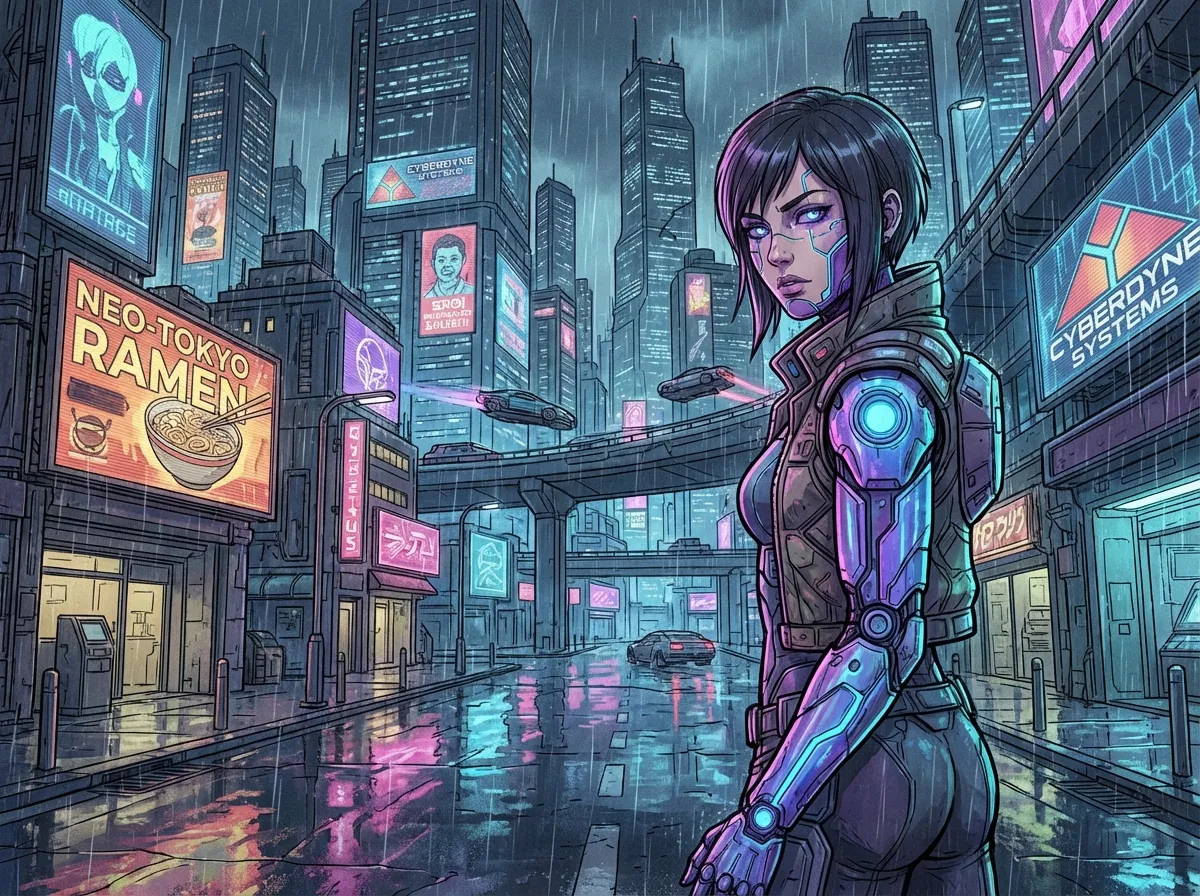
Cyberpunk anime style
Cyberpunk anime style is a Neo Tokyo dystopian look defined by neon Kowloon rooftops, Akira-style motorcycle smear lines, holographic ad billboards, and chrome-and-cable cyberware on characters. It suits original netrunners, dystopian street stills, and bike-action key art.
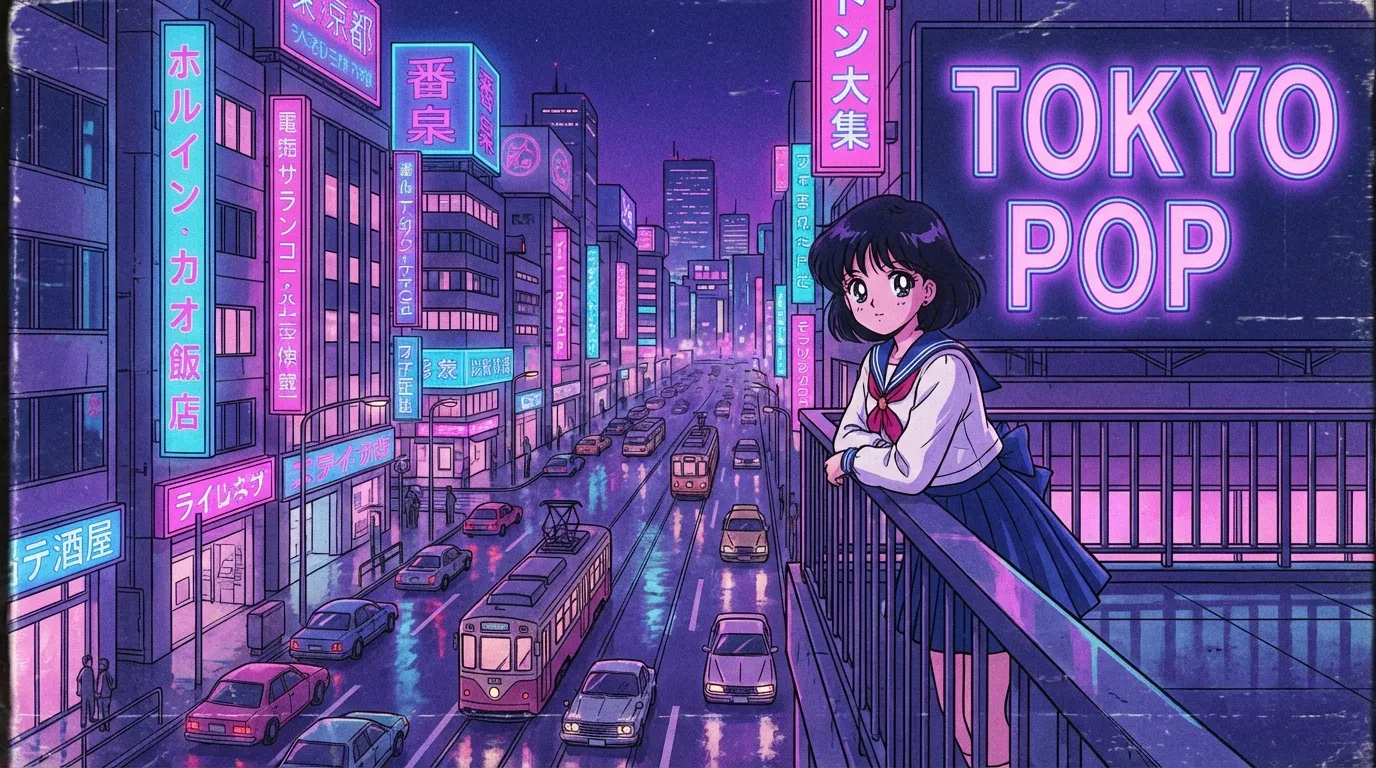
90s anime style
90s anime style pairs cel-painted limited palettes with OAV film grain, chunk highlights on hair, and Akira-era heavy line weight. It suits magical girl key visuals, mecha cockpit shots, and Bebop-style adult action stills.
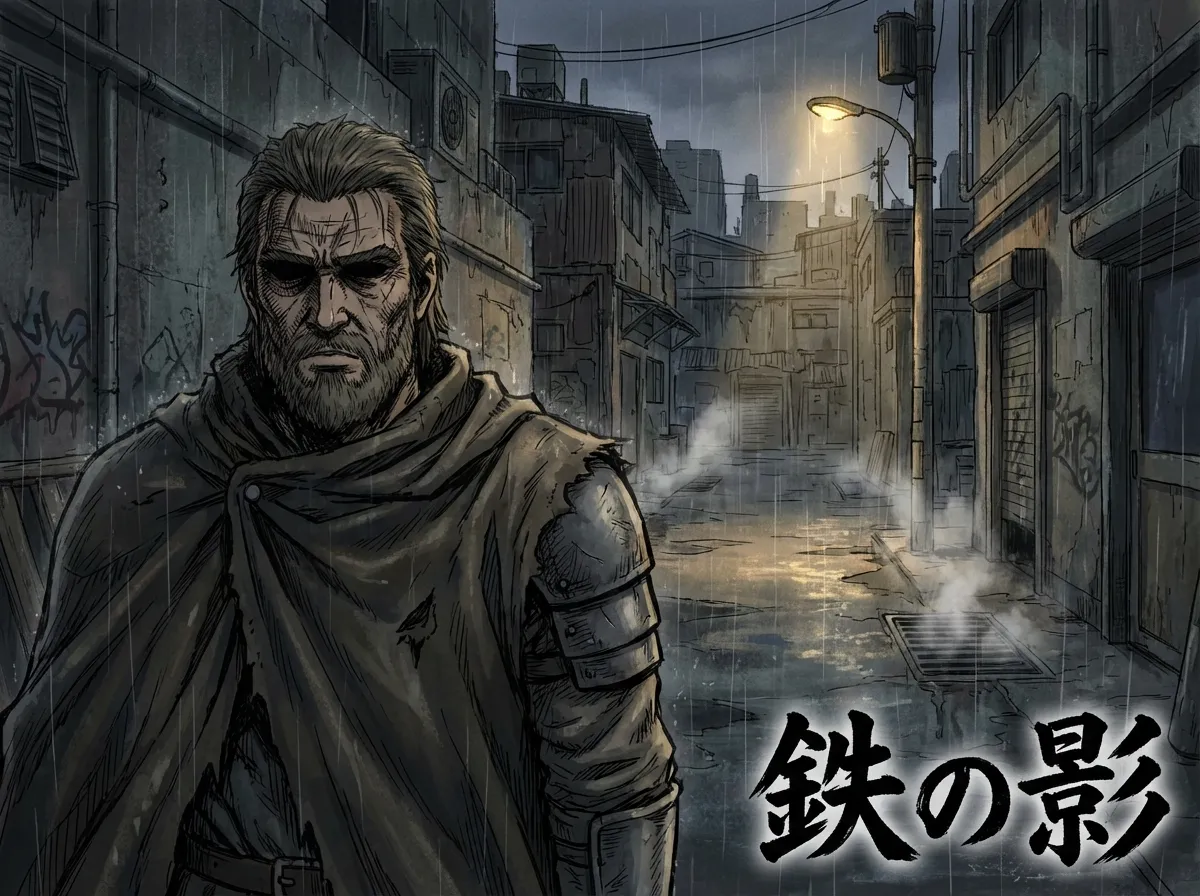
Seinen realistic style
Seinen realistic style is a heavily rendered adult-manga look defined by Kentaro Miura crosshatch, European medieval anatomical accuracy, Takehiko Inoue ink-wash skin tone, and somber dark-fantasy atmosphere. It suits original warriors, samurai duels, Viking ship key art, and gekiga character portraits.
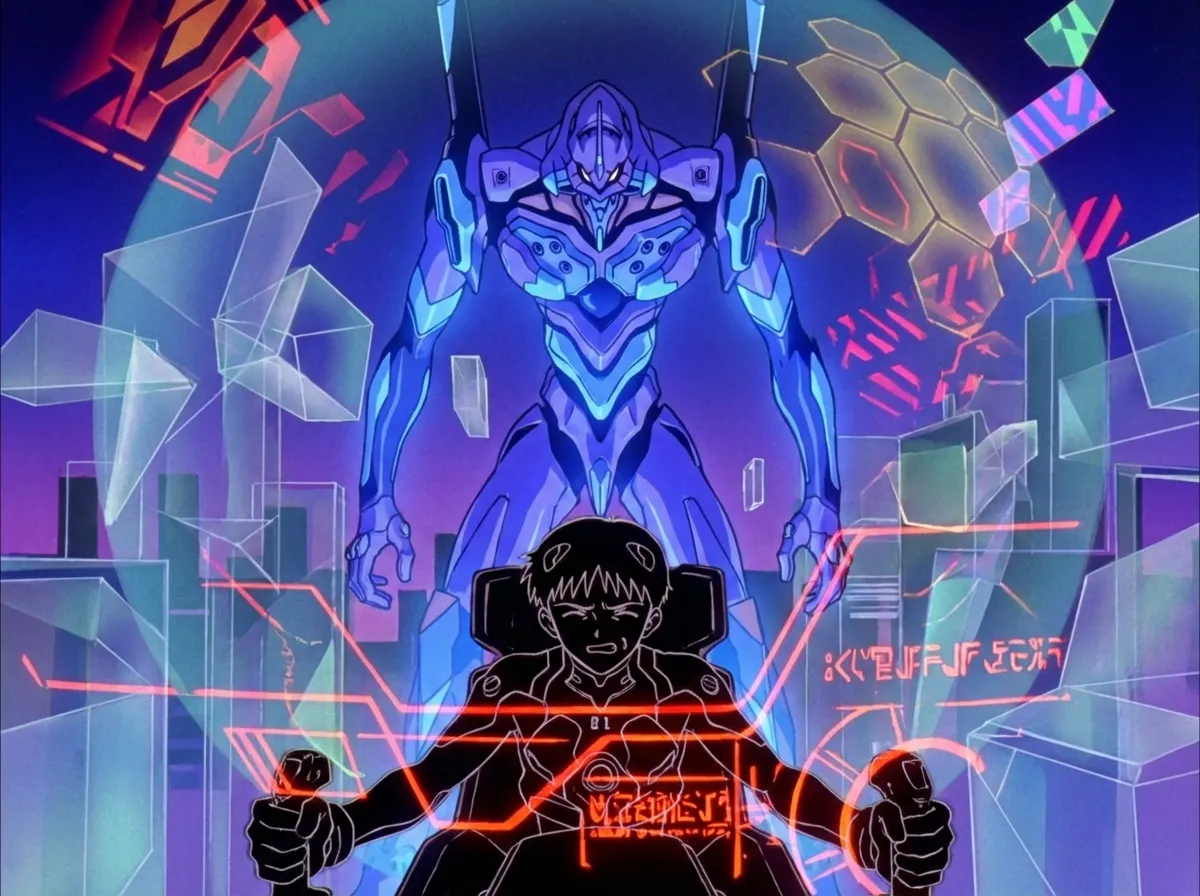
Neon Genesis Evangelion style
Evangelion style combines biomechanical EVA design, hexagonal AT-field effects, and the surreal religious imagery of Hideaki Anno's series. Use it for mecha key art, character pieces of pilots in plug suits, and the heavy, anxious mood that defines the franchise.
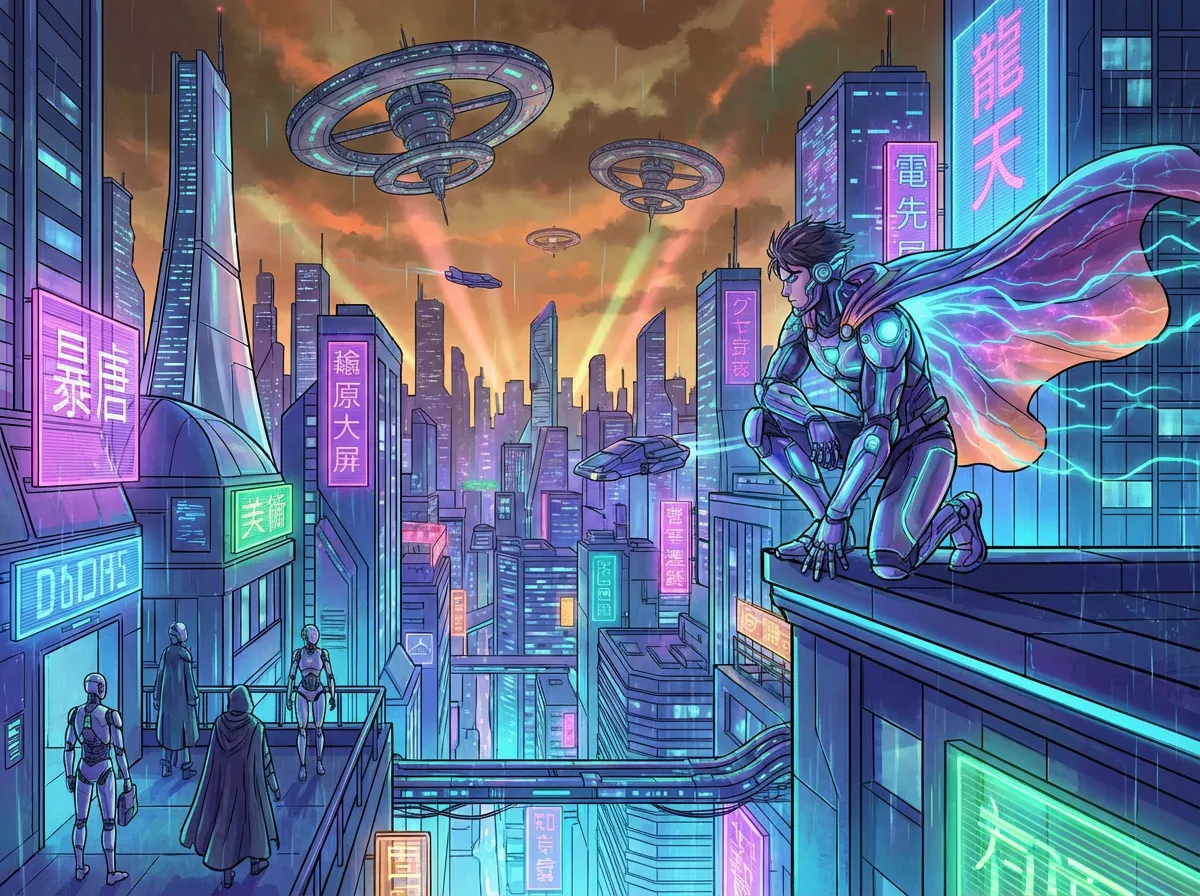
Sci-fi anime style
Sci-fi anime style covers near-future and far-future worlds: panel-line mecha detail, anamorphic lens flares across rain-slick streets, neon HUD overlays on cockpit glass, and metallic rim light along android joints. Use it for cyberpunk page art, mecha cover keys, dystopian short-film mood boards, and hard-SF book covers.
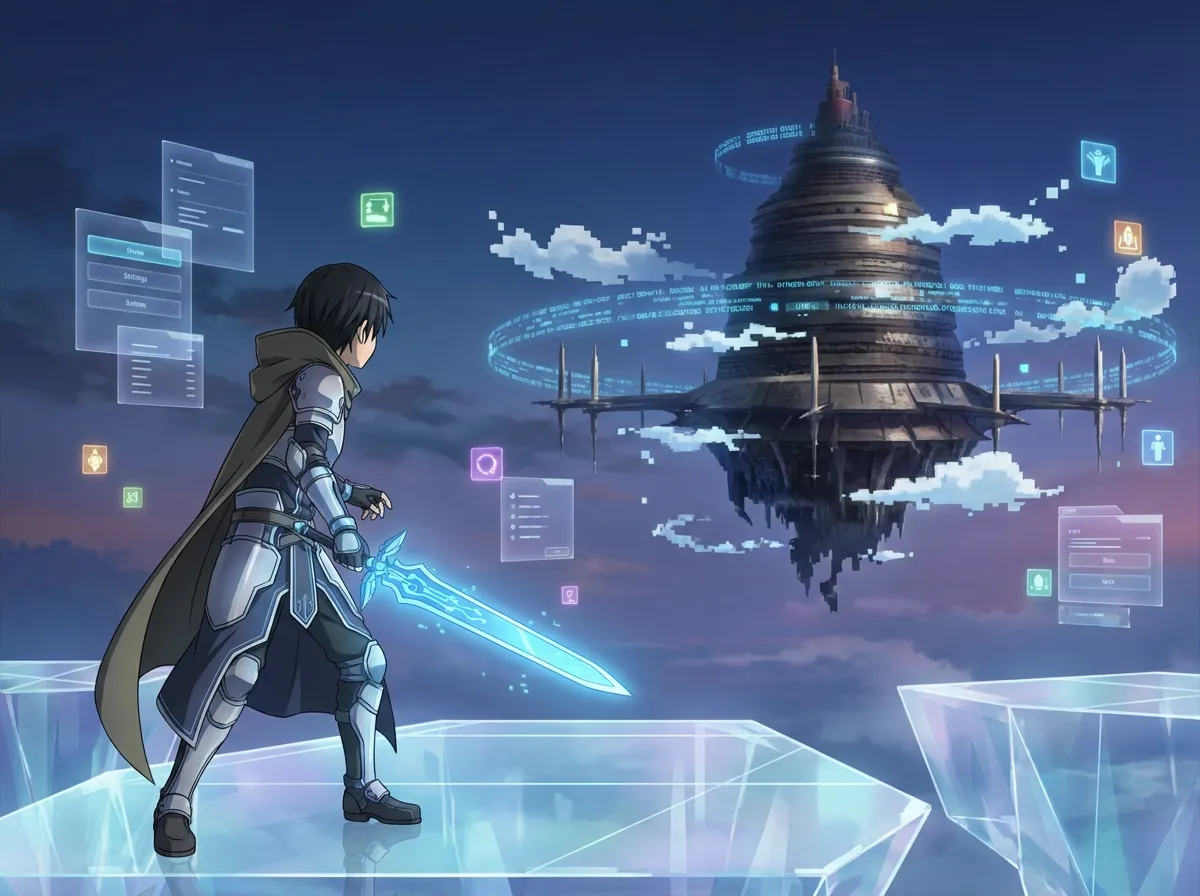
Sword Art Online style
Sword Art Online style is the VRMMO action-anime look defined by Aincrad floating castle layouts, VR HUD inventory overlays, neon avatar trails, and skill-name overlay tags. It suits original player-avatar portraits, dual-wielding fight key art, and Aincrad-floor guild scenes.
Frequently asked questions
Prompt tips, rights, and workflow. Sign up free to generate in this look today.
Generate a Cowboy Bebop scene
Type a scene below and press Generate.
What actually defines the Cowboy Bebop look?
The look comes from a few specific choices. Watanabe shoots scenes like a film noir, with anamorphic-feeling lens flares, deep teal and indigo bases, and warm amber kickers from practical lights. Characters get adult proportions and quiet faces. Backgrounds carry weight: scuffed metal, neon signage, jazz-bar interiors, and 70s yacht-rock architecture that all feel lived-in rather than polished or futuristic.
How should I prompt characters in this style?
Keep them adult, keep them still. Pair the style tag with concrete clothing like leather jackets, three-piece suits, work shirts, or kimono jackets, and add posture words like "leaning", "smoking", or "looking off-frame". Avoid moe shorthand and sparkly eyes. Lighting words do most of the mood work, so add cues like "tungsten interior light", "jazz bar shadows", or "anamorphic lens flare" alongside the character description.
Can I generate spaceships and space-port environments?
Yes, this style is at its strongest with ships and ports. Try swordfish-II inspired silhouettes for fighter craft, blocky freighters for backgrounds, and 70s yacht-rock architecture for stations. Add prompt cues like "rusted hull plating", "analog cockpit", "CRT monitors", "practical neon signage", or "wide anamorphic exterior shot". Backgrounds work best when they imply that mechanics, dock workers, and bartenders all live there.
What color palette should I aim for?
Cool base, warm punctuation. Lean on deep teals, indigos, slate blues, and near-blacks for the dominant grade, then drop in warm amber from interior lamps, the orange of cigarettes and sunsets, and saturated pink, magenta, or cyan from neon signage. Saturation stays modest overall so that any one warm light feels meaningful instead of decorative.
Why does the lighting feel so cinematic?
Because the show borrows from live-action grammar more than from typical TV anime. Light sources are placed like a DP would place them: hard tungsten from a single overhead bulb, blue moonlight from a window, neon spill from outside the frame. Shadows get to be deep and inky, lens flares smear horizontally, and atmospheric haze softens everything. Naming those real-world fixtures in the prompt usually pushes the model into that mood.
How is this different from generic cyberpunk anime?
Cyberpunk leans bright, glassy, and tech-forward. Cowboy Bebop is the opposite: analog, dusty, and quiet. Tech is taped together rather than holographic, the future is decades old instead of brand new, and the soundtrack feels like jazz instead of synthwave. Use this style when you want noir cinema in space rather than rain-soaked Tokyo skylines covered in animated billboards.
Start creating Cowboy Bebop style art today
Join 130,000+ creators and bring your imagination to life with 100 free credits.