Generate Sailor Moon style art with AI
Naoko Takeuchi planar shading, transformation ribbon overlays, Crystal Tokyo skylines, and 90s shoujo elongated proportions for original sailor senshi and magical girl key art.
Franchise, studio, and character references describe style or mood only, not a license, sponsorship, endorsement, or affiliation. You are responsible for your prompts and outputs. As-is, no warranty of non-infringement (not legal advice). For DMCA, copyright, or trademark issues, use our Contact page.
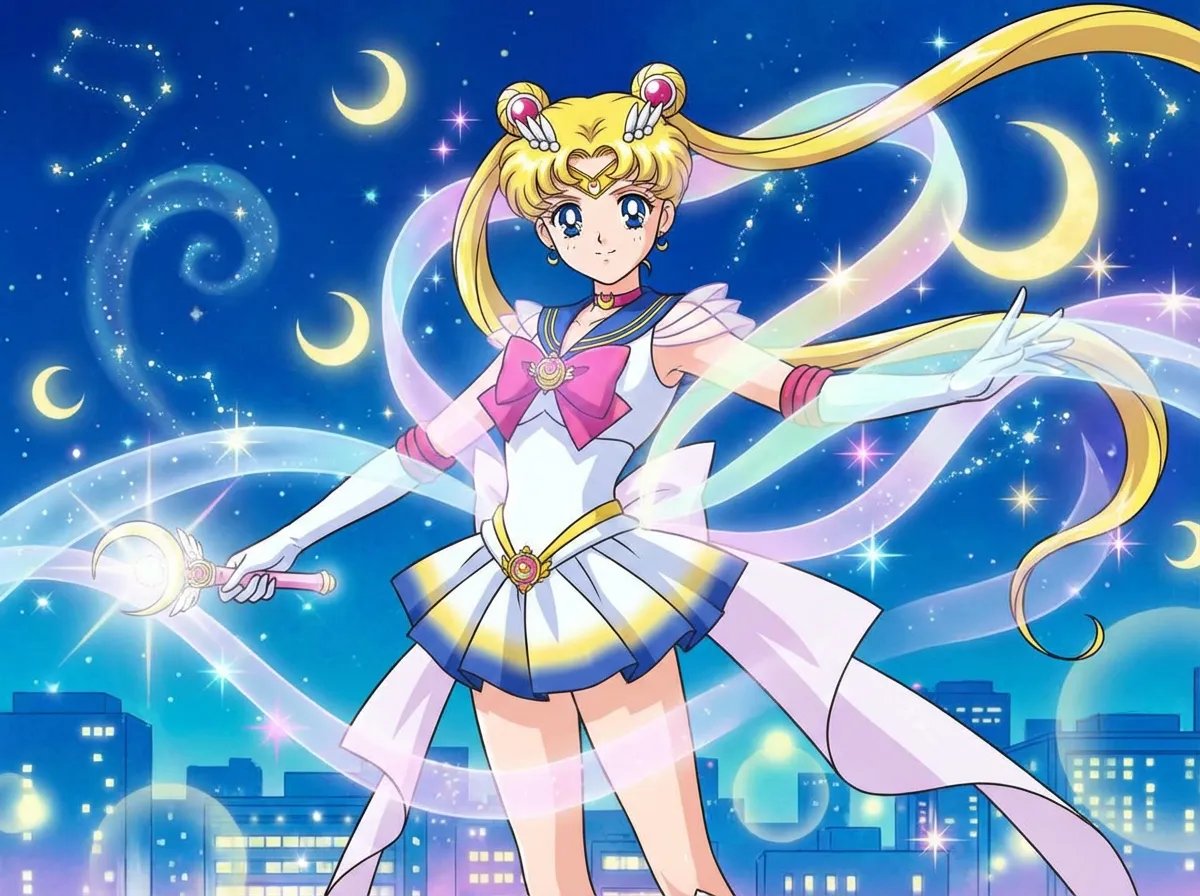
Generate a Sailor Moon scene
Type a scene below and press Generate.
About Sailor Moon style
Sailor Moon style is a 90s shoujo magical-girl look defined by Naoko Takeuchi planar shading, transformation ribbon overlays, sailor fuku silhouettes, and Crystal Tokyo skylines. It suits original sailor senshi designs, transformation pose key art, and shoujo cover panels.
Sailor Moon style is the 90s shoujo magical-girl look that Naoko Takeuchi locked in across the original Bishoujo Senshi Sailor Moon manga (1991 to 1997) and the Toei TV adaptation. It is the most copied template in the magical-girl genre, and its grammar is extremely specific. Figures are drawn at exaggerated 8-to-9-head proportions with elongated legs, slim torsos, narrow shoulders, and tiny chins under huge round eyes; lashes are heavy and detailed and the iris carries two or three stacked highlights. Hair is the second hero element, drawn long, segmented, often back-lit, and styled into named silhouettes (twin odangos with streaming twin tails, princess waterfall waves, page-boy bob with side curls).
Costume language anchors the look. The sailor fuku silhouette (chest bow, mid-thigh pleated skirt, elbow-length gloves, knee-high boots, choker with center gem, tiara) is shared across the Senshi, with each character recolored to her planet (cool blues for Mercury, blood red and tartan greens for Mars, sun gold and flame for Sun, deep cosmic for Saturn). Color tech is planar Toei cel: large flat color shapes, two-tone shading (a saturated highlight plus one darker mid-tone), no rendering noise, and saturated jewel-tone palettes (rose, royal blue, lemon yellow, lavender). Backgrounds are kept simple or replaced with effect plates: the transformation ribbon overlay (silk ribbons spiraling around the figure, foil sparkle dust, lens-flare crescent moons), starfield night sky, rose-petal scatter, and the Crystal Tokyo skyline of slim crystalline spires used for finale and dream sequences.
To prompt for the Sailor Moon style on Anifusion, lead with 'sailor moon style', 'naoko takeuchi 90s shoujo style', or 'mahou shoujo magical girl style', then specify the character archetype ('original sailor senshi with star motif', 'magical girl mid-transformation', 'princess in flowing white gown'), the costume detail ('sailor fuku with chest bow and pleated skirt', 'choker with center gem and tiara'), and one effect plate ('transformation ribbon overlay with silk ribbons and foil sparkles', 'starfield night sky background', 'crystal tokyo skyline backdrop'). Add 'planar Toei cel shading, two-tone, no rendering noise', '8-head shoujo proportions', and 'huge round eyes with stacked highlights' to lock the look. The Sailor Moon style generator works for original senshi designs, group team poses, and shoujo magazine cover art, not licensed character portraits.
Try Sailor Moon style generation
Try the look on your own prompt. Start from one of the examples below.
Example prompts
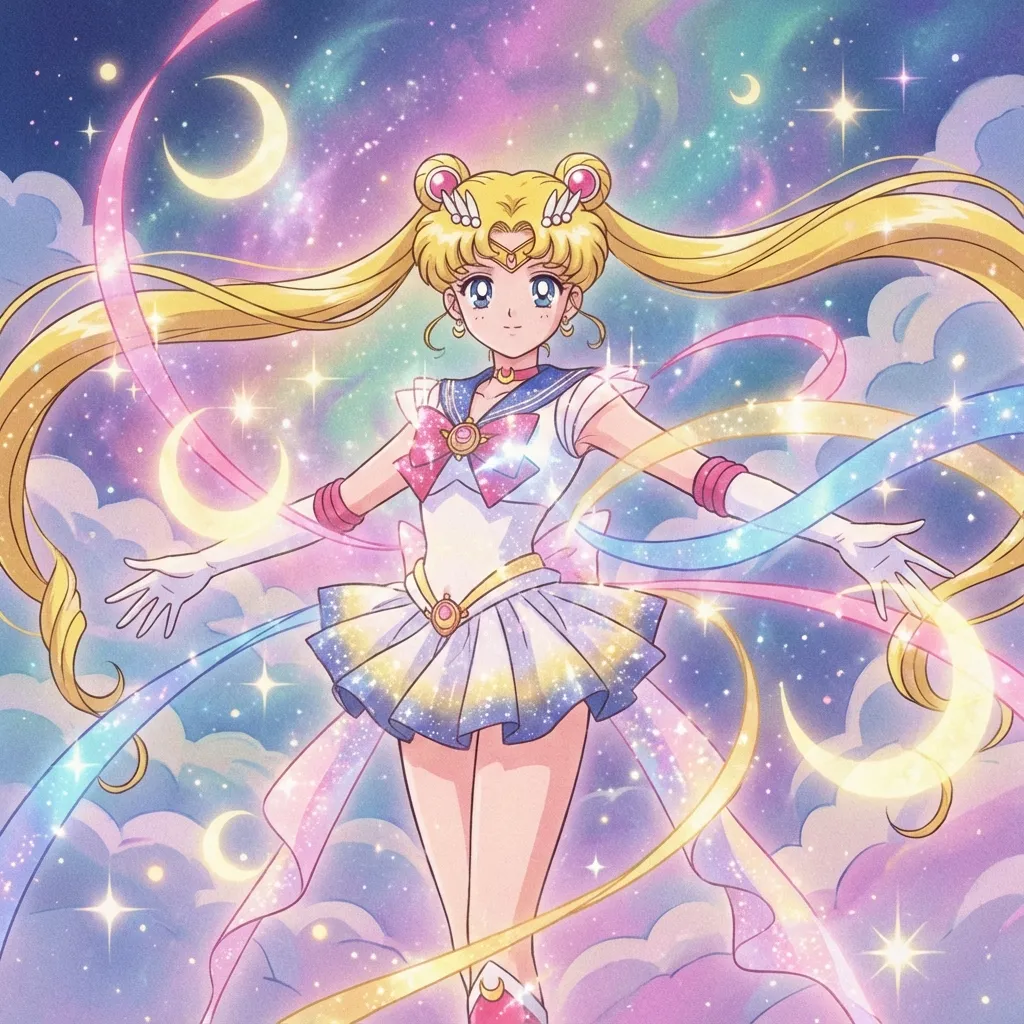
"sailor moon style, original sailor senshi mid-transformation with streaming twin tails, sailor fuku silhouette with star motif chest bow and pleated skirt, choker with center gem and tiara, transformation ribbon overlay of silk ribbons and foil sparkles, starfield night sky, planar Toei cel shading, two-tone, 8-head shoujo proportions"
Try this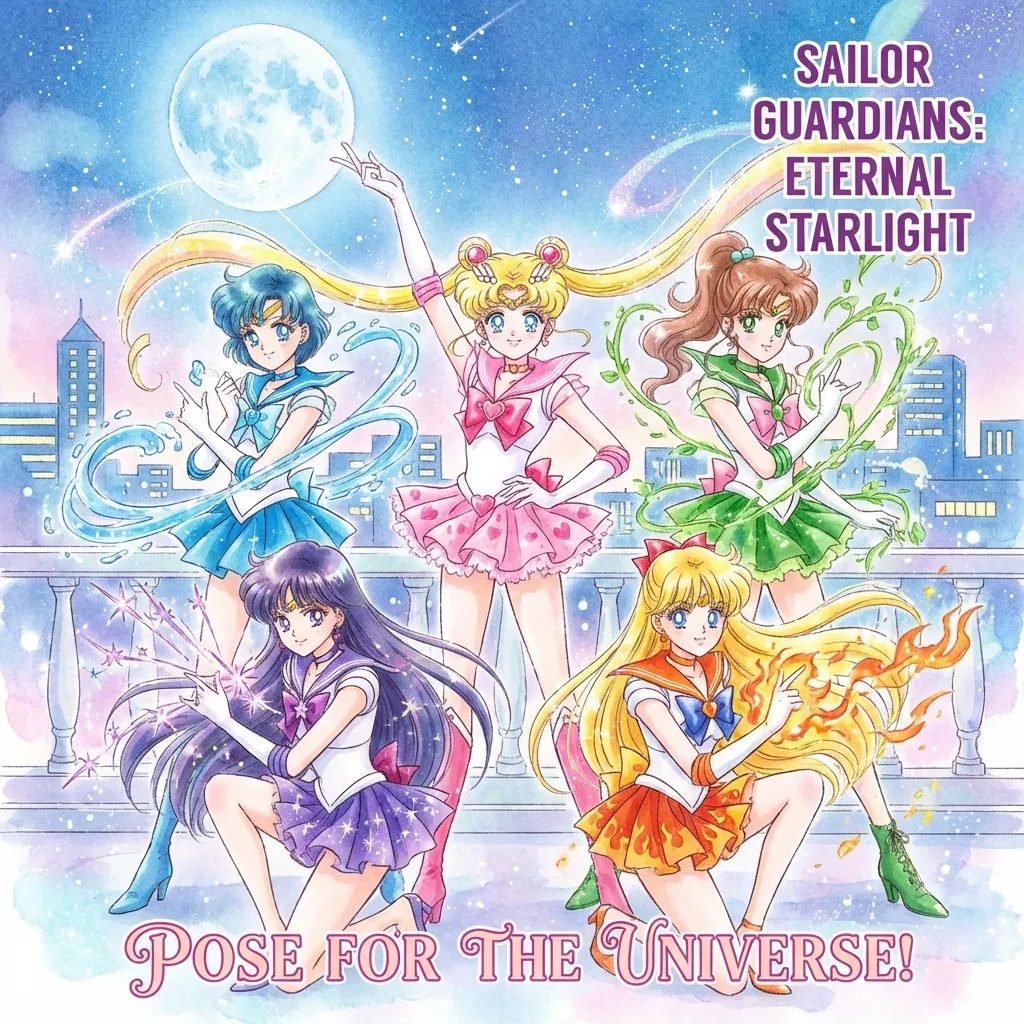
"Sailor Moon style, naoko takeuchi 90s shoujo style group team pose, five original sailor senshi standing in a fan formation, each recolored to her own planet (cool blue, blood red, sun gold, ocean teal, deep cosmic violet), sailor fuku silhouettes, huge round eyes with stacked highlights, rose-petal scatter foreground, planar Toei cel shading"
Try this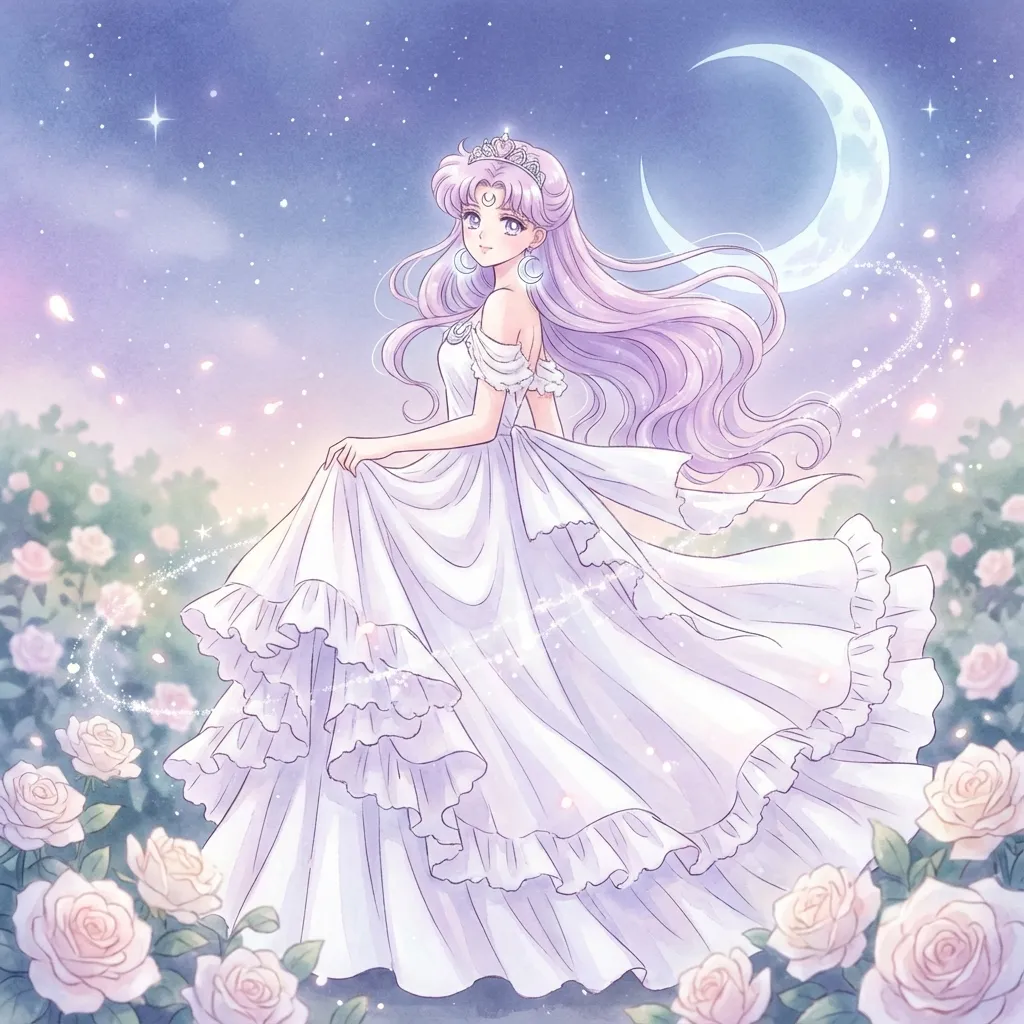
"Sailor Moon style, mahou shoujo magical girl style, original moon princess in flowing white gown with crescent diadem, long page-boy waves with side curls, crystal tokyo skyline of slim crystalline spires under a full moon in the background, foil sparkle dust around the figure, planar cel shading, jewel-tone palette"
Try thisMake your own Sailor Moon style art
Type a prompt below, or tap a starter to begin.
Generate a Sailor Moon scene
Type a scene below and press Generate.
Why choose Anifusion?
Transformation ribbon overlay
Silk ribbons spiraling around the figure, foil sparkle dust, lens-flare crescent moons, the named effect plate that signals 'mid-transformation' instantly.
Sailor fuku silhouette
Chest bow, mid-thigh pleated skirt, elbow-length gloves, knee-high boots, choker with center gem and tiara, the shared senshi uniform.
Planar Toei cel shading
Large flat color shapes, two-tone shading (saturated highlight plus one darker mid-tone), no rendering noise, the 90s anime cel paint logic.
Huge round eyes, stacked highlights
Round shoujo eyes with heavy detailed lashes, two or three stacked iris highlights, and the small chin proportion that anchors the magical-girl face.
Crystal Tokyo skyline
Slim crystalline spires under a moonlit sky, used as the finale and dream-sequence backdrop, paired with starfield, rose-petal scatter, or solid gradient.
8-head shoujo proportions
Elongated legs, slim torso, narrow shoulders, named hair silhouettes (odangos with streaming tails, princess waves, page-boy bob), the 90s shoujo physique.
Create in 3 easy steps
Write your prompt
Describe your vision for Sailor Moon style in plain language.
Refine settings
Tune the aspect ratio and style strength to your liking.
Generate and enjoy
Click generate and watch your masterpiece come to life in seconds.
Related styles
Discover more artistic directions you might love
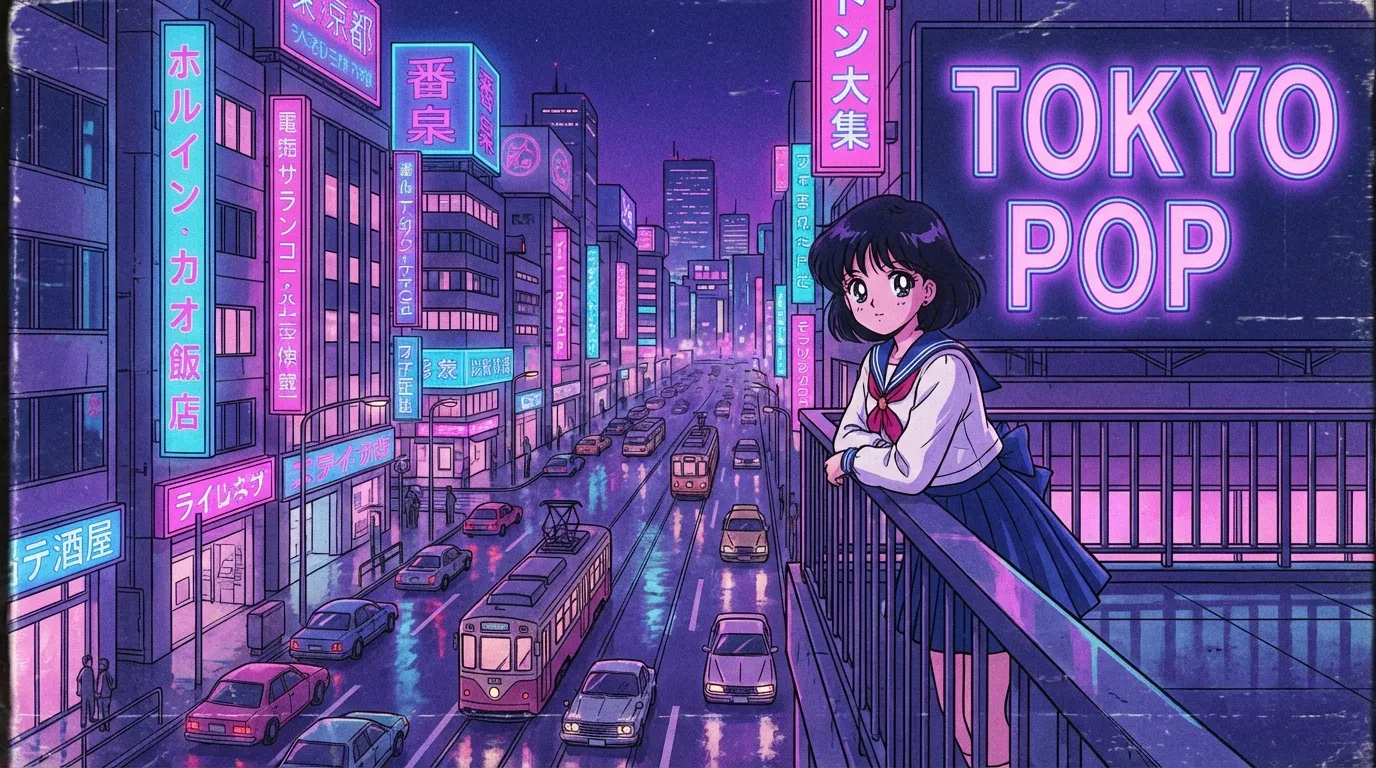
90s anime style
90s anime style pairs cel-painted limited palettes with OAV film grain, chunk highlights on hair, and Akira-era heavy line weight. It suits magical girl key visuals, mecha cockpit shots, and Bebop-style adult action stills.
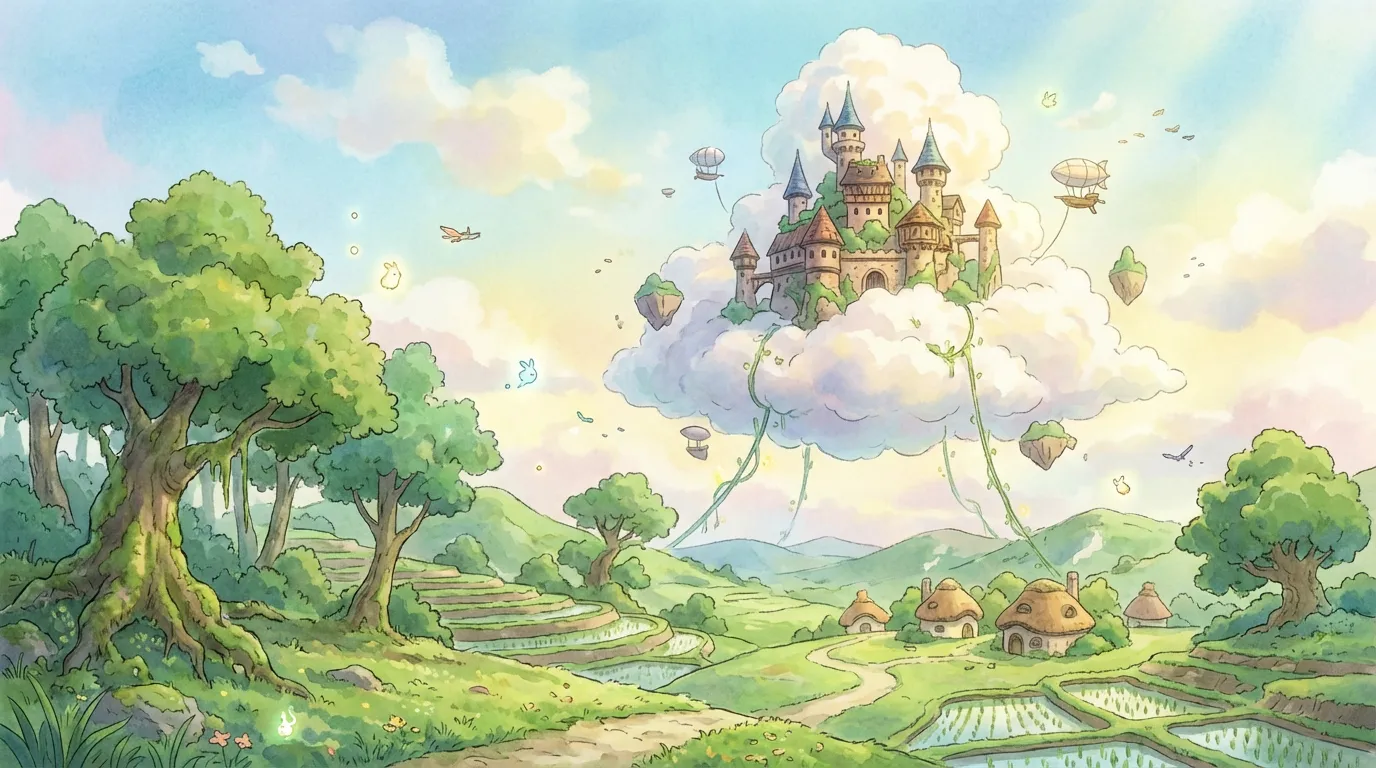
Studio Ghibli style
Studio Ghibli style pairs hand-painted watercolor backgrounds with gentle, expressive characters and a calm pastoral mood. It suits forest scenes, cozy interiors, sky vistas, and quiet character moments inspired by Miyazaki's filmography.
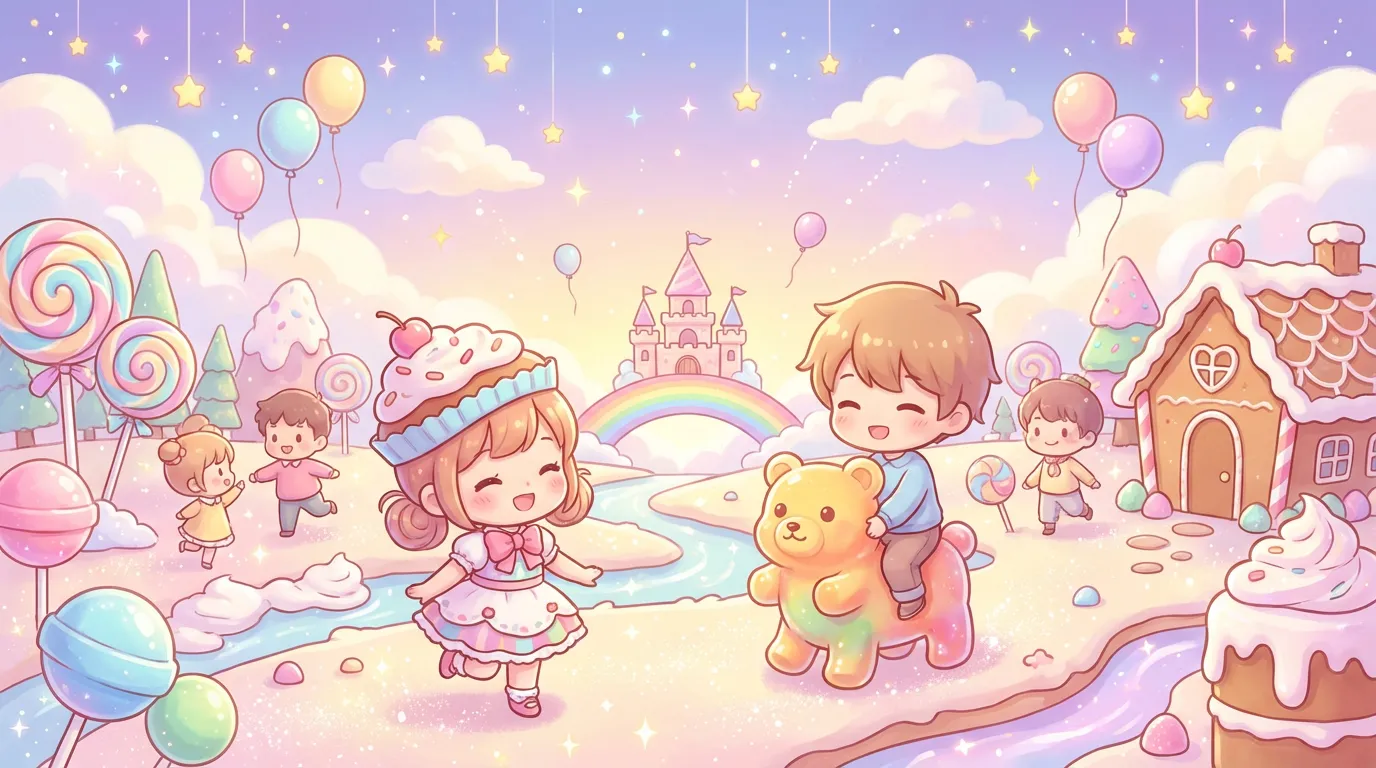
Chibi style
Chibi style takes a normal character and renders them with 2-head proportions, blob feet, oversized eye sparkle, and Q-version simplification. It suits stickers, emotes, shop mascots, line art keychains, and reaction icons.
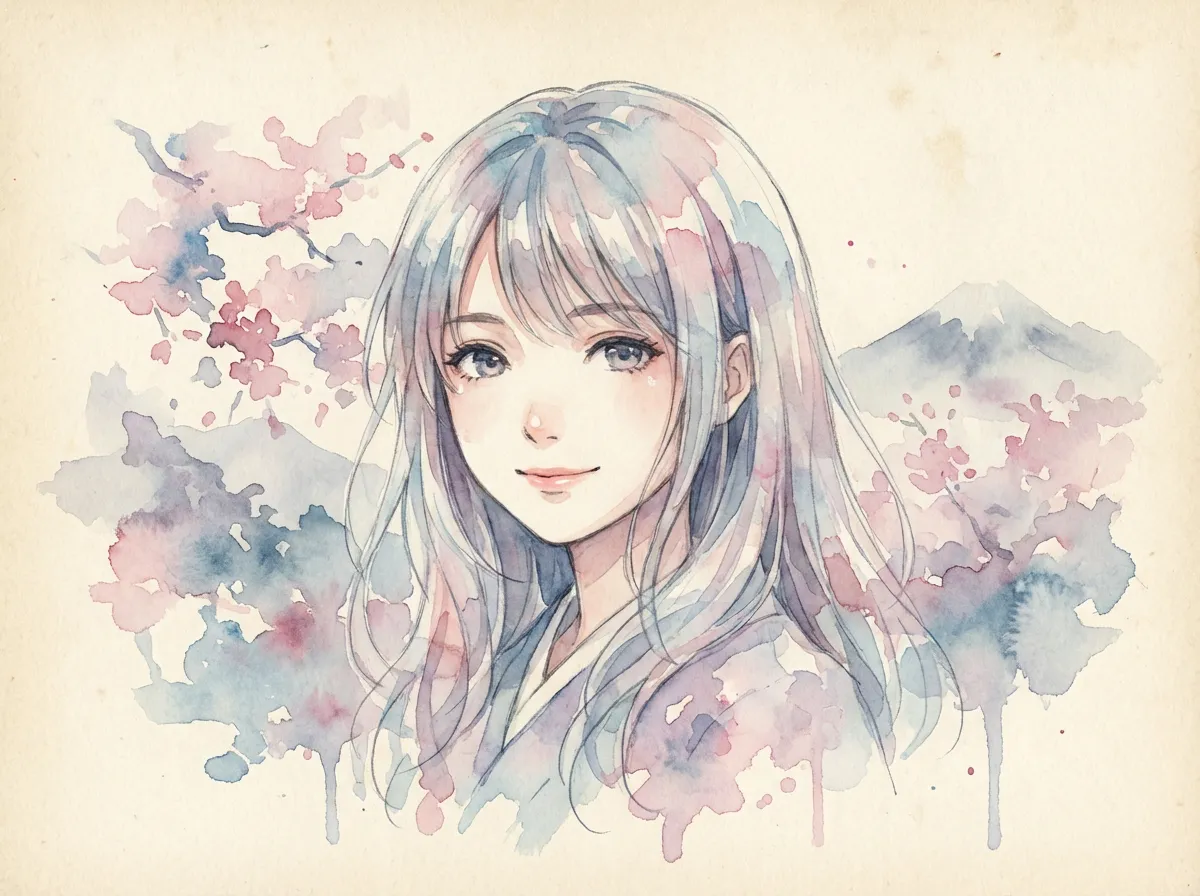
Watercolor anime style
Watercolor anime style is a painted illustration look defined by wet-on-wet color bleed, salt-grain texture, paper tooth showthrough, and a soft ink line laid over the washes. It suits seasonal portraits, quiet character covers, novel jacket art, and atmospheric landscape stills.
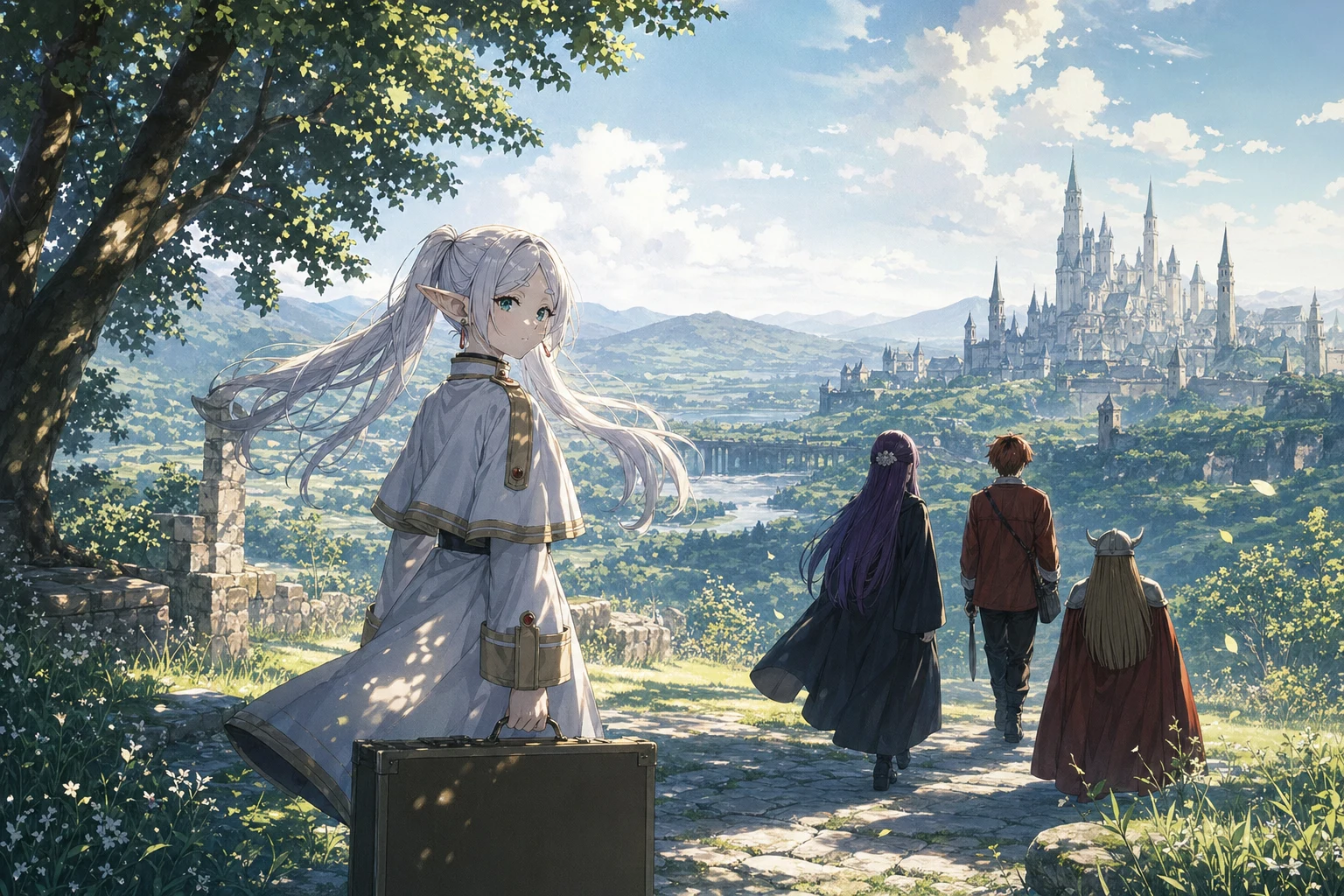
Frieren: Beyond Journey's End style
This aesthetic blends quiet emotional pacing, European-inspired fantasy architecture, and delicate linework with lush outdoor light. It suits journey stories, wizards, and long horizon landscapes.
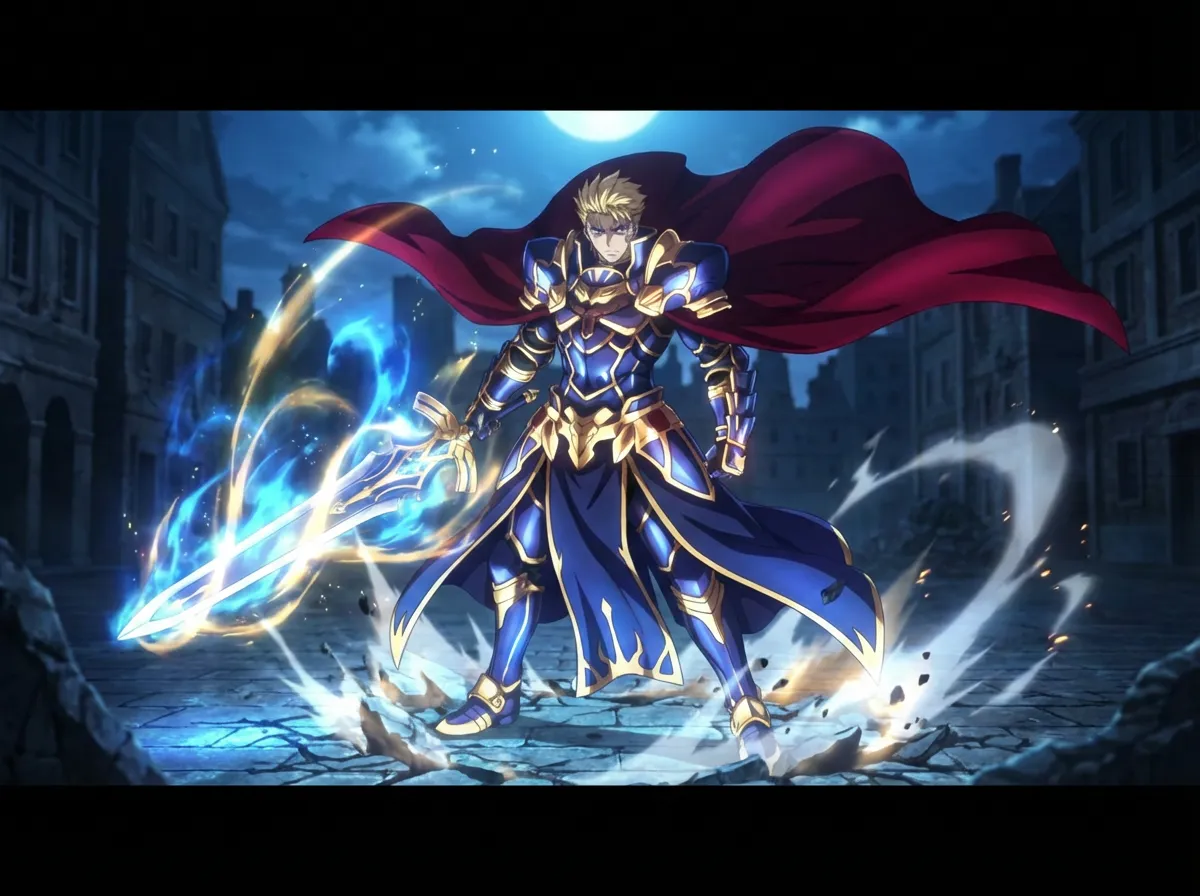
Fate series style
Fate Series style is the Type-Moon Holy Grail War look defined by ufotable golden particle bloom, Saber-style polished armor reflection, command seal hand motifs, and Holy Grail chalice glow. It suits original servant designs, Grail War key art, and ritual magic-circle character covers.
Frequently asked questions
Prompt tips, rights, and workflow. Sign up free to generate in this look today.
Generate a Sailor Moon scene
Type a scene below and press Generate.
What defines the Sailor Moon art style?
Three things define it. Naoko Takeuchi 90s shoujo proportions (8 to 9 heads, elongated legs, huge round eyes with stacked highlights). The sailor fuku costume language (chest bow, pleated skirt, elbow-length gloves, choker with center gem, tiara) recolored per character. And planar Toei cel shading: large flat color shapes, two-tone shadows, no rendering noise. Add a transformation ribbon overlay or Crystal Tokyo skyline and it reads instantly as Sailor Moon.
How do I design an original sailor senshi?
Pick three things and stay disciplined. A planet or element theme (a star, a season, a gemstone, a constellation), a single hero color and one accent color (cool blue plus silver, blood red plus tartan green), and one signature accessory beyond the standard fuku (a cape, a parasol, a sash, a halo). Then keep the standard sailor fuku silhouette and recolor everything to your two colors. Adding too many extra design elements is what makes most fan senshi look noisy.
How do I render the transformation ribbon effect?
Treat it as a named effect plate, not as 'sparkles'. Try 'transformation ribbon overlay, silk ribbons spiraling around the figure clockwise, foil sparkle dust, lens-flare crescent moons, soft pink and silver bloom, character partially silhouetted'. Naming the ribbon direction, the foil dust, the crescent flares, and the silhouette treatment is what triggers the 90s mid-transformation look instead of generic glitter.
Is this a 90s style or the Crystal reboot style?
Anifusion's Sailor Moon style generator targets the 90s Toei TV and Naoko Takeuchi original-manga look by default: planar two-tone cel paint, named hair silhouettes, painted backgrounds. If you want the cleaner 2014 Crystal look (smoother CG-assisted shading, slimmer faces, gradient backgrounds, brighter pastels), add 'sailor moon crystal style, smooth digital cel shading, soft pastel gradient background' explicitly. Mixing the two looks is the most common reason a senshi prompt comes out feeling off.
Can I generate group team poses?
Yes, and they are a strong fit, but stage them rather than just listing five characters. A fan formation with the lead in front and four senshi behind reads cleanest, with each character recolored to her own planet so the eye reads them by color block instead of by face. Two to five senshi works well; past five, faces start blending. Add 'rose-petal scatter foreground' and a starfield background to hold the composition together.
Can I create bishonen male characters in this style?
Yes. The Sailor Moon visual world includes Tuxedo Mask, the Four Knights, and the Three Lights, so the style has a built-in bishonen vocabulary: 8-head male proportion with even more elongated legs, top hat or rose stem in hand, flowing cape, and the same planar cel shading. Prompt for 'shoujo bishonen in evening cape and top hat, single rose, planar Toei cel shading, 90s shoujo proportions' and you get the same world without copying named cast.
Can I use Sailor Moon style art commercially?
Anifusion grants you full commercial rights to images you generate. The 90s shoujo magical-girl visual vocabulary (sailor fuku silhouette, planar cel shading, transformation ribbons) is genre and not protected. But the Sailor Moon characters specifically (Usagi, Ami, Rei, Mako, Minako, the outer senshi, Tuxedo Mask) and the Sailor Moon trademark are owned by Naoko Takeuchi and Kodansha. For client work, merch, and paid distribution, build with original sailor senshi designs, original princess characters, and original bishonen.
Start creating Sailor Moon style art today
Join 130,000+ creators and bring your imagination to life with 100 free credits.