Tintin style ligne claire comic art with AI
Vintage travel adventures, reporter heroes, retro cars and planes, and bright flat color in the classic European clear-line look.
Franchise, studio, and character references describe style or mood only, not a license, sponsorship, endorsement, or affiliation. You are responsible for your prompts and outputs. As-is, no warranty of non-infringement (not legal advice). For DMCA, copyright, or trademark issues, use our Contact page.
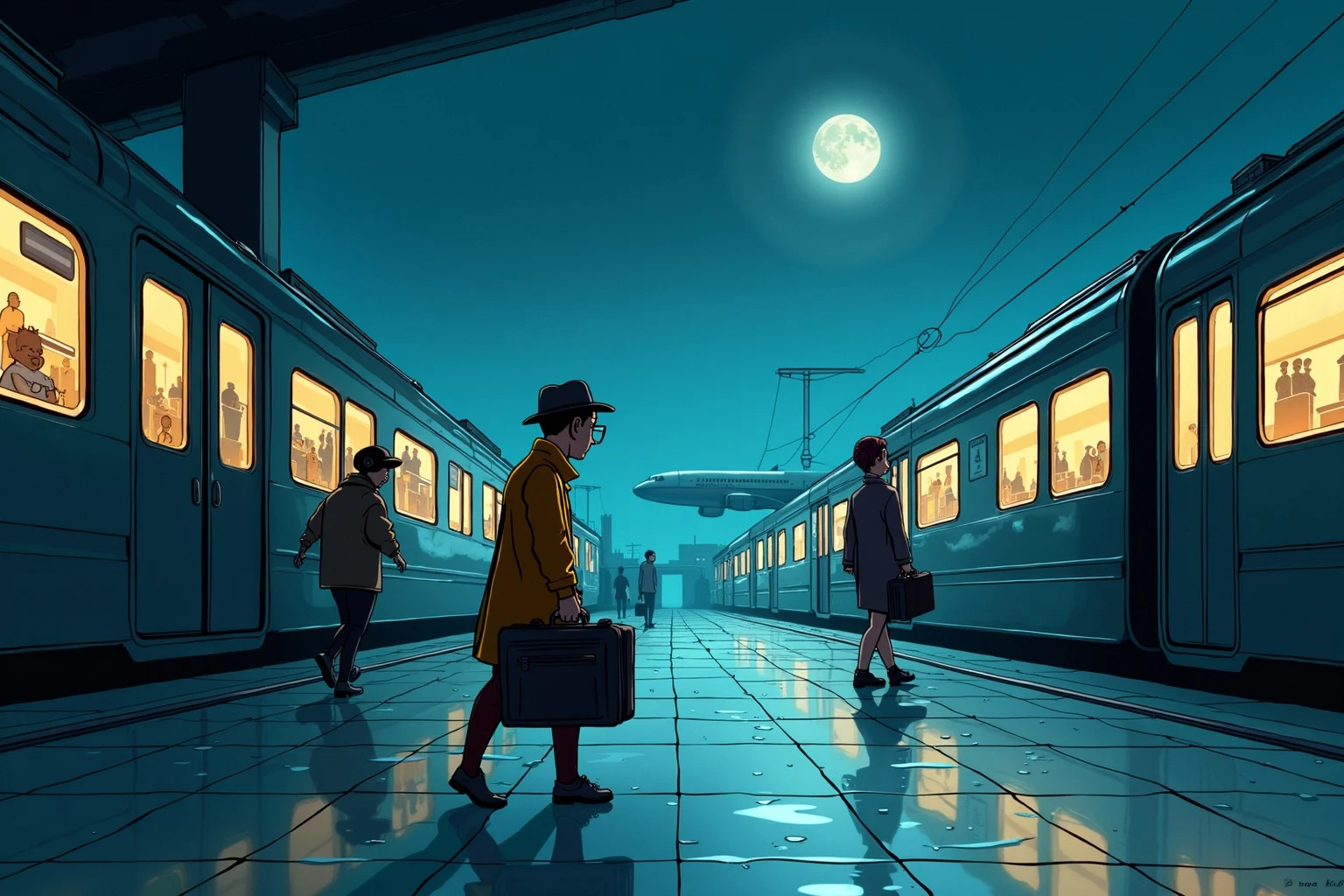
Generate a Tintin scene
Type a scene below and press Generate.
About Tintin style
Tintin style art uses the famous "ligne claire" approach: clean even lines, bright flat color, careful perspective, and almost no shadow. It is the look of classic European adventure comics, set in vintage cities, deserts, jungles, and mountains.
Created by Belgian artist Hergé, Tintin defined the clear-line school of European comics, also called "ligne claire" in French. Every contour is the same crisp ink weight, color is flat with subtle gradients, and detail goes into vehicles, architecture, and landscape rather than shading on the figures. The original series follows a young reporter and his dog on adventures around the world, so the look has strong associations with travel: vintage cars, prop planes, ocean liners, and exotic locations.
When prompting for this style, focus on the line work first ("ligne claire", "even ink contour", "European clear line") and add a specific setting (1930s European street, Andean mountain village, North African market). Stick to bright primary color and add one or two characters in classic adventure clothes. Build your own original heroes so the result stays clear of the named characters.
Try Tintin style generation
Try the look on your own prompt. Start from one of the examples below.
Example prompts
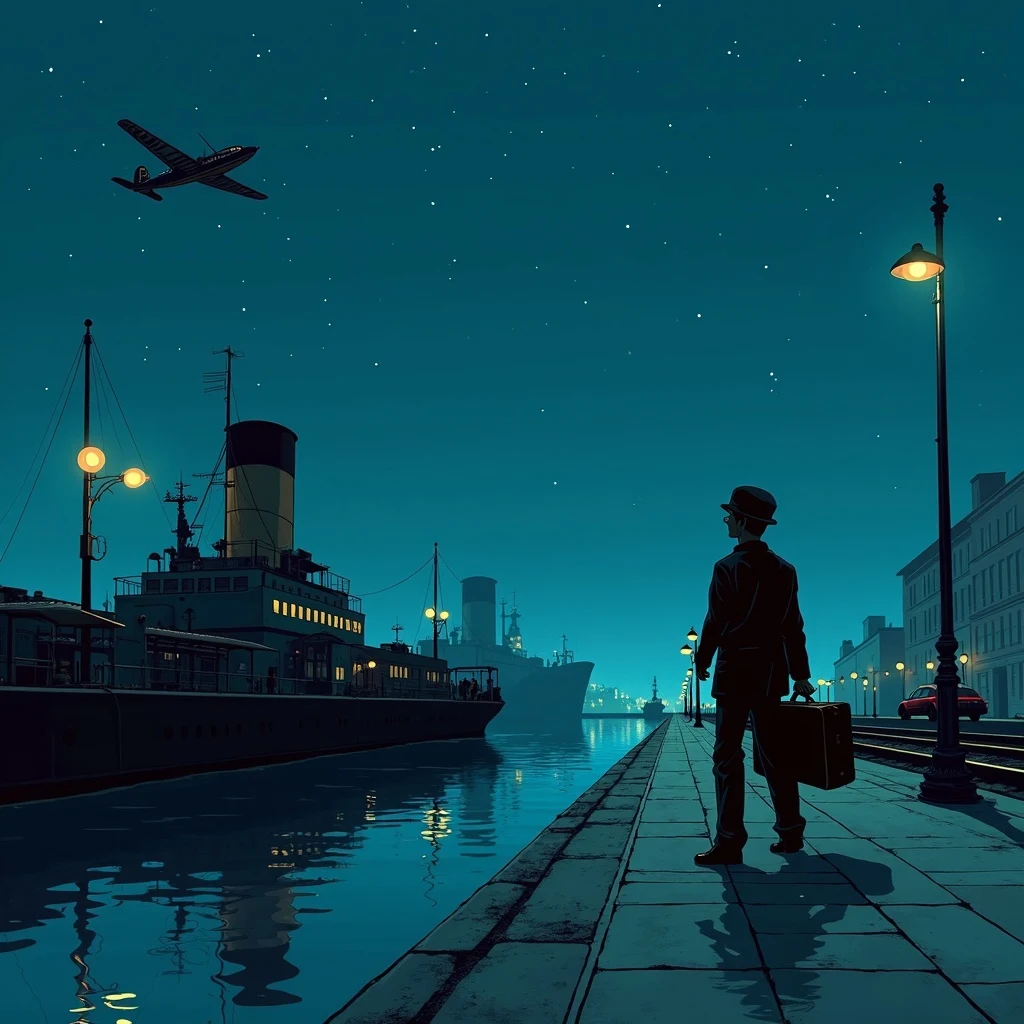
"Tintin style, european adventure comic in Tintin style, original young reporter character in trench coat at a 1930s harbor, vintage steamship and cranes in background, ligne claire even ink line, bright flat color, clean European clear-line look, no text, no logos"
Try this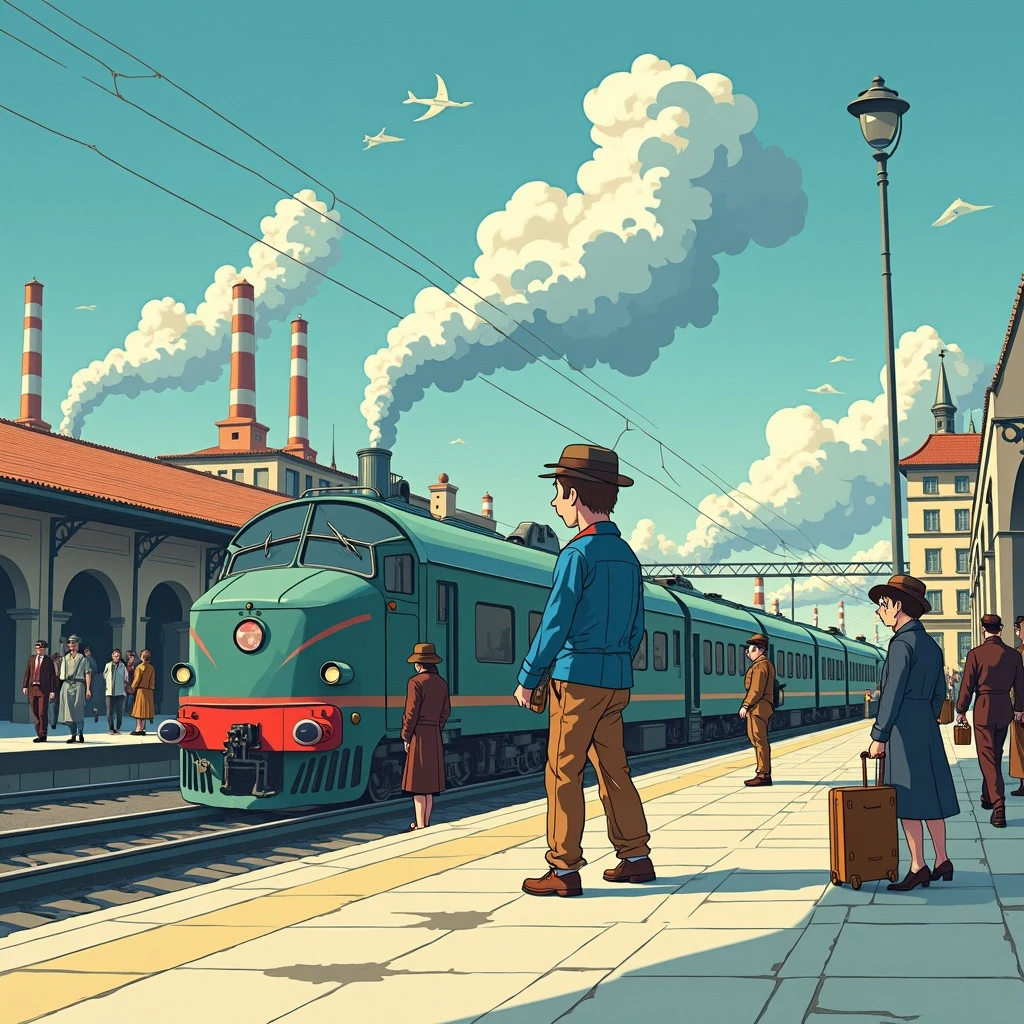
"Tintin style, vintage train station scene in Tintin style, retro locomotive at the platform, travelers with luggage, station roof and clock, careful perspective lines, ligne claire ink work, bright flat watercolor color, no text, no logos"
Try this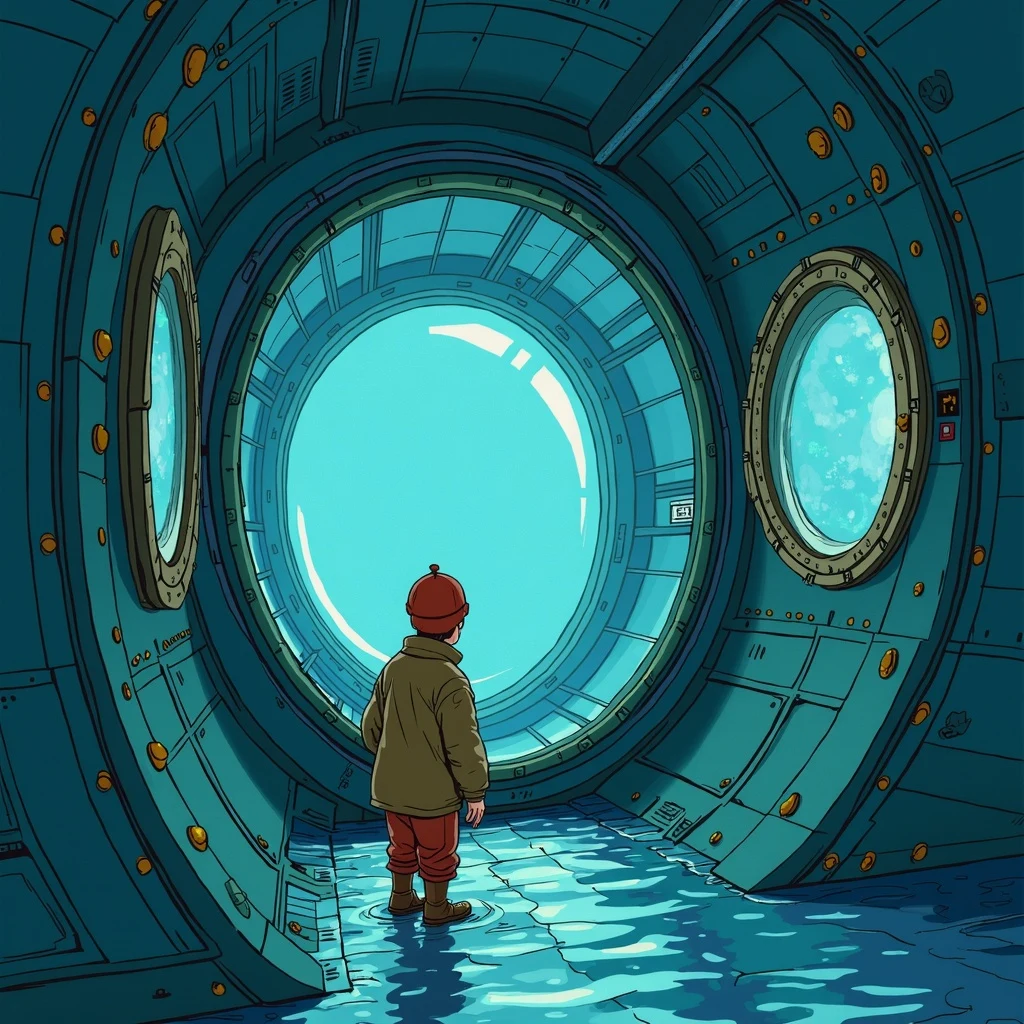
"Tintin style, mountain village mystery in Tintin style, original adventurer characters with sweaters and walking sticks following a path past Alpine houses with red shutters, peak and snow in background, clean even ink line and bright flat color, no text, no logos"
Try thisMake your own Tintin style art
Type a prompt below, or tap a starter to begin.
Generate a Tintin scene
Type a scene below and press Generate.
Why choose Anifusion?
Adventure travel scenes
Vintage train stations, ocean docks, mountain villages, desert markets, and 1930s European city streets.
Detailed vehicles and architecture
Retro cars, propeller planes, steamships, and old buildings drawn with careful perspective and architectural accuracy.
Bright flat color
Saturated reds, blues, and yellows in flat areas with no halftone dots, and subtle color gradients on skies or curved surfaces.
Reporter and detective characters
Original adventurers in trench coats, plus-fours, sweaters, or fedora hats, ready to investigate a mystery.
Mystery and discovery beats
Newspaper clippings, secret maps, ancient artifacts, hidden tunnels, and quiet moments of investigation.
Even ligne claire ink
Every line in the panel has the same crisp weight, with no thick-and-thin variation and almost no interior shading.
Create in 3 easy steps
Write your prompt
Describe your vision for Tintin style in plain language.
Refine settings
Tune the aspect ratio and style strength to your liking.
Generate and enjoy
Click generate and watch your masterpiece come to life in seconds.
Related styles
Discover more artistic directions you might love
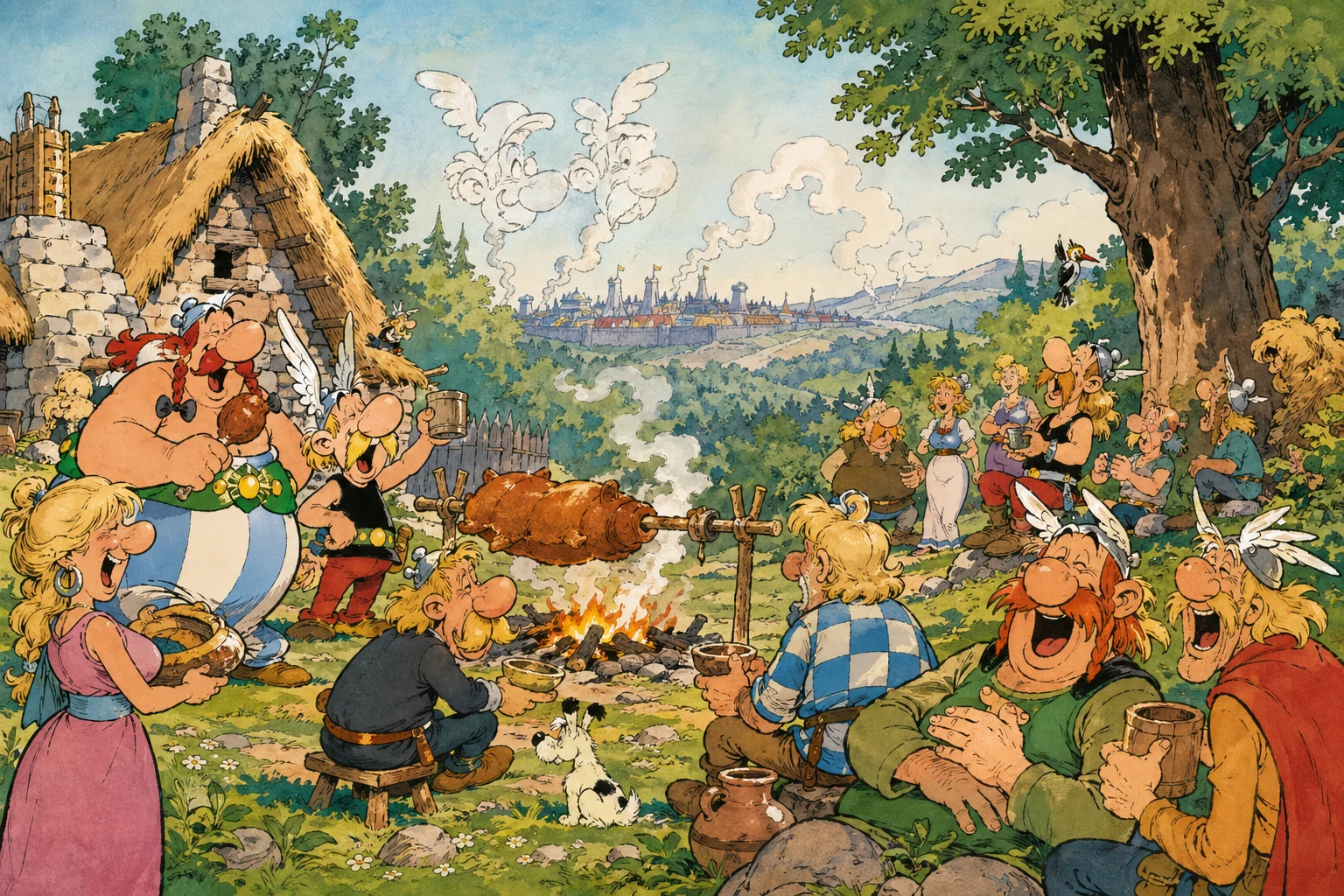
Asterix style
Asterix style art uses round, exaggerated character designs, big noses, and stocky bodies in a clean even ink line with flat watercolor wash. Great for gag panels set in Gaulish villages, Roman camps, and forest adventures.
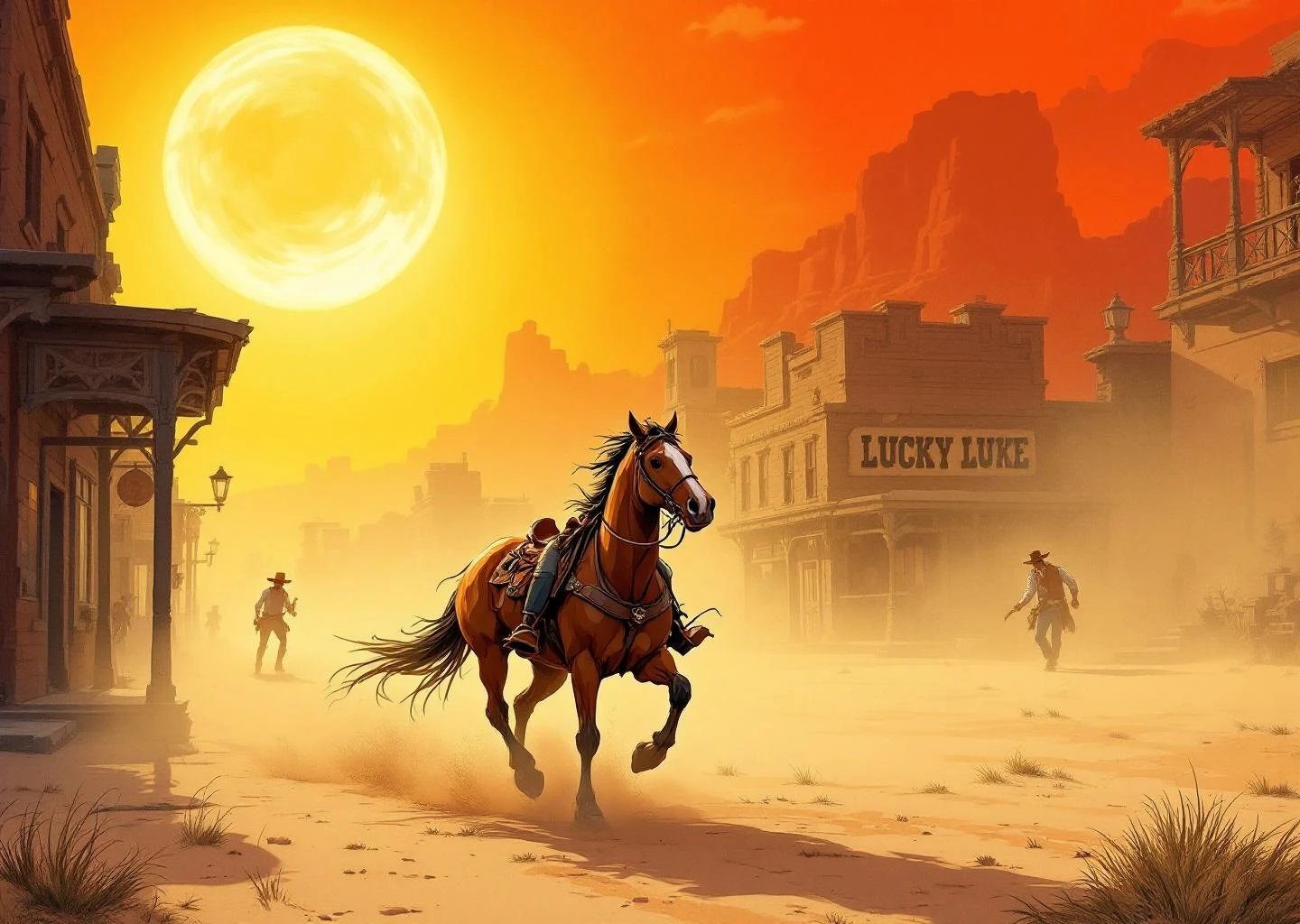
Lucky Luke style
Lucky Luke style art is a French-Belgian Western comic look: lanky cowboy heroes, comic horse chases, saloon towns under big skies, all drawn in clean ink with flat color. Great for adventure scenes and humor set in the Old West.
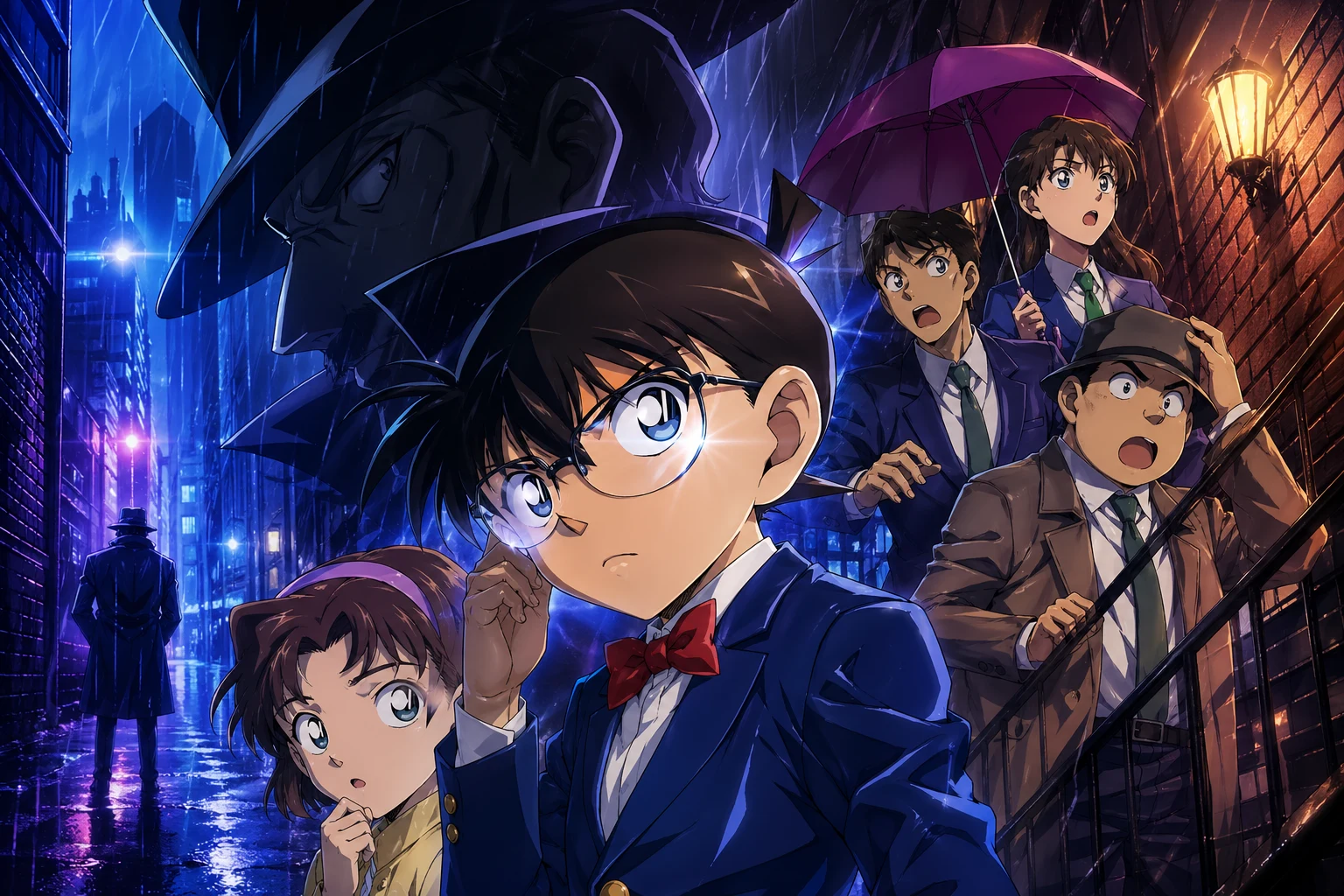
Detective Conan style
Detective Conan inspired pages mix comedy-led character scale with cinematic crime moods. Highlights include razor suit folds, flashlight rim light, glossy eye blocks, and rain-slicked asphalt.
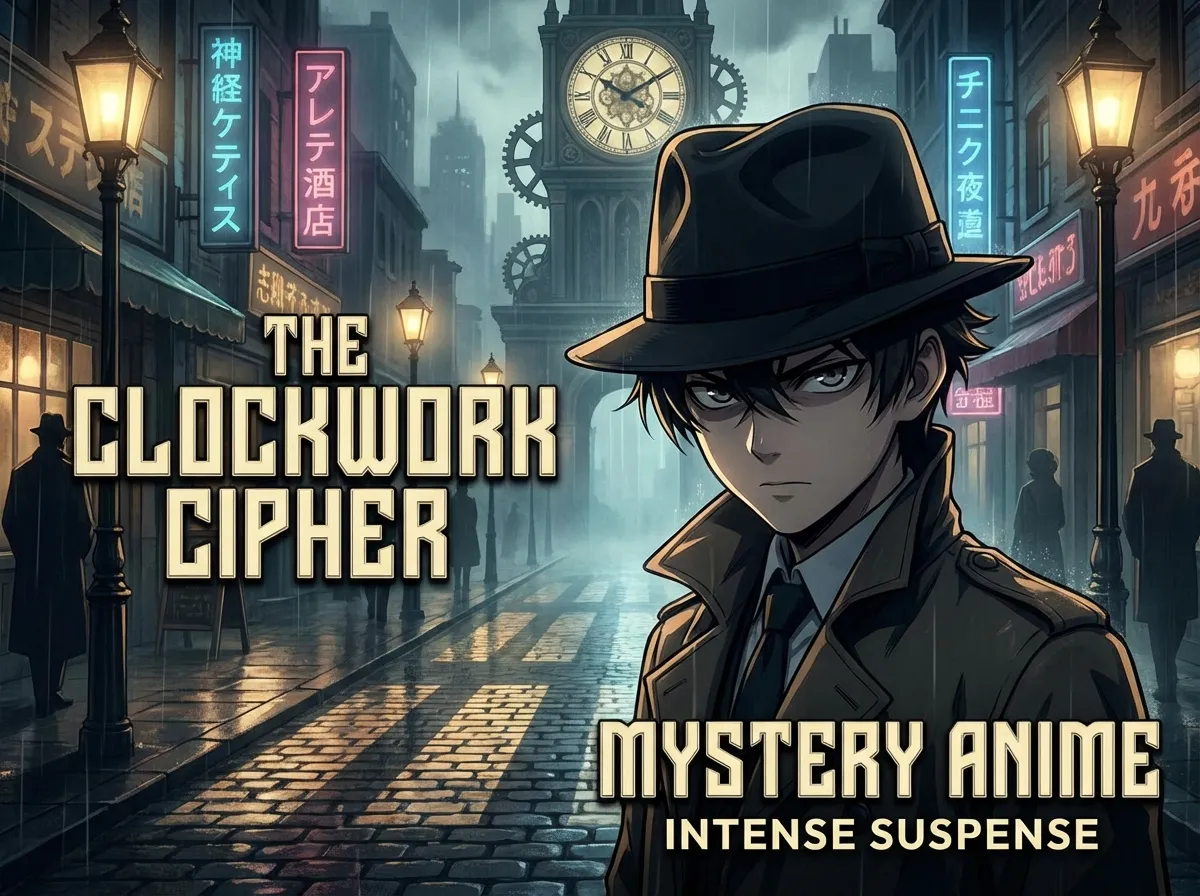
Mystery anime style
Mystery anime style is built on noir detail: a single bulb over an interrogation table, rain on a windowpane, fingerprint dust under a magnifier, and a silhouette behind venetian blinds. The look reads cool, sharp, and quietly tense before any dialogue.
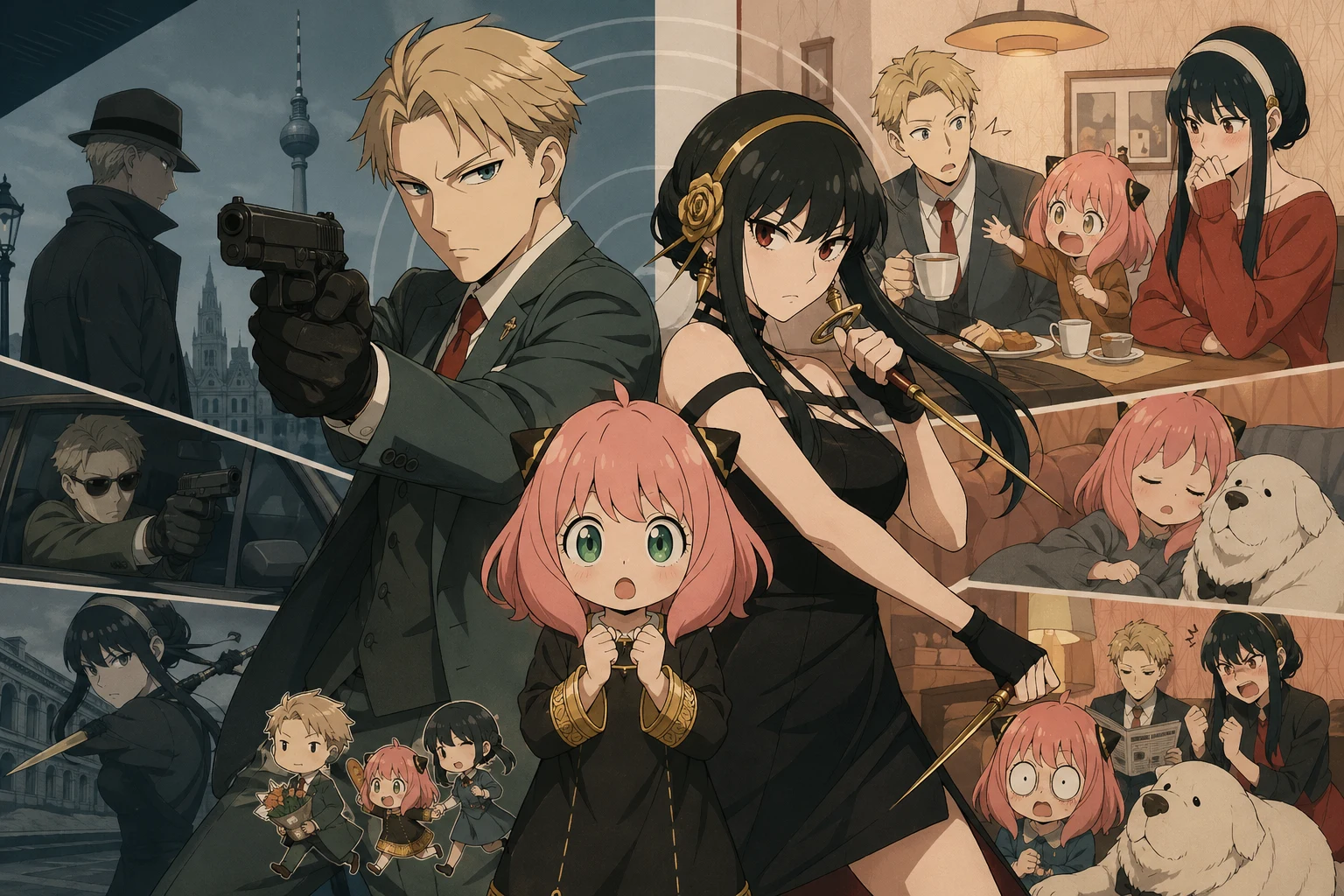
Spy x Family style
A hybrid of stylish Cold War fashion cues, broad comedy body language, and action staging that is light on gore, heavy on charm.
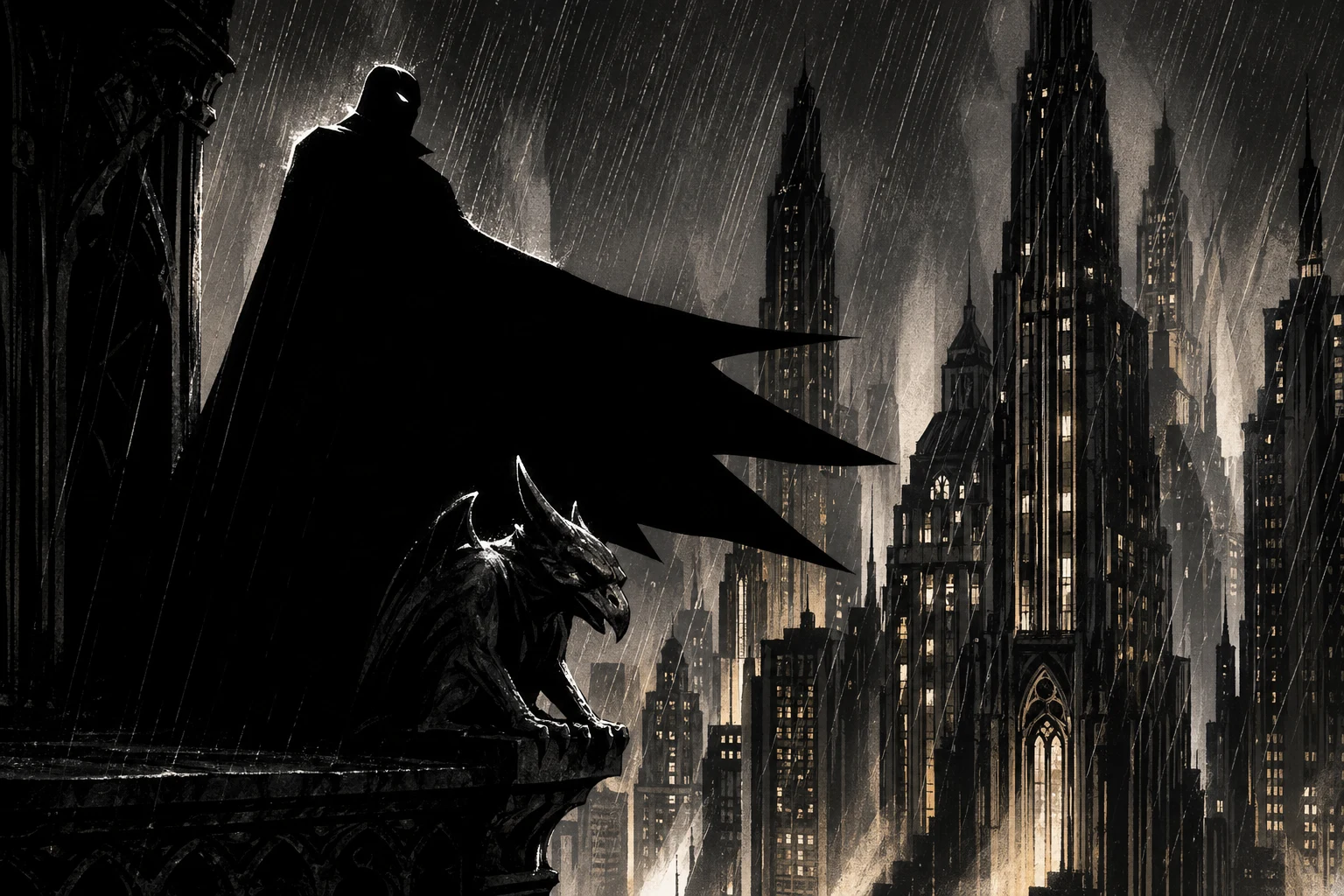
Batman style
American ink-forward comics: drybrush rain, chiseled jaw shadows, and vertical Gotham canyons with spot color accents.
Frequently asked questions
Prompt tips, rights, and workflow. Sign up free to generate in this look today.
Generate a Tintin scene
Type a scene below and press Generate.
How do I get a Tintin or ligne claire art style in AI?
Use the phrase "ligne claire" or "European clear line" in your prompt, plus "even ink contour", "flat color, no halftone", and "no shading on figures". Add a vintage adventure setting (1930s harbor, mountain village, desert market) and a detailed vehicle or piece of architecture.
What is "ligne claire" exactly?
Ligne claire is French for "clear line". It means every line in the artwork is the same even thickness, with no expressive thick-and-thin variation. Color is flat, shadows are minimal, and detail goes into the world rather than the figures. Hergé's Tintin is the most famous example.
What kind of stories work in Tintin style?
Adventure mysteries, travel and exploration, detective stories, treasure hunts, and historical fiction. Anything with a strong sense of place, a journey, and a young investigator at the center suits the visual language.
How do I draw vehicles like in Tintin?
Be specific about the era and the model: "1930s convertible roadster", "1950s prop airplane", "vintage steam ferry". Mention "careful perspective" and "even ink line on every contour". The vehicles should feel like real machines drawn cleanly, not stylized cartoons.
How is Tintin different from Asterix?
Both use European clear-line, but Tintin is realistic and serious in proportions, with detailed vehicles and travel locations. Asterix is more cartoonish, with stocky bodies, big noses, and slapstick humor in a Gaulish village setting.
What backgrounds work best?
Real-world inspired locations with architectural detail: European city squares, Andean mountains, North African medinas, Arctic snowfields, harbor scenes with ships and cranes. Each location should be drawn with careful perspective and clean ink, even when small in the frame.
Can I keep the look bilingual for English and Japanese audiences?
Yes. The art direction terms work in either language. Use "ligne claire" / "クリアライン", "flat color" / "フラット塗り", and the same setting and character description. The output is the same look regardless of which language the prompt is in.
What other styles work well alongside Tintin?
Asterix and Lucky Luke are direct European clear-line cousins. For mystery and detective vibes, Detective Conan and Spy x Family pair well. For adventure with similar journey themes, Frieren is a nice match.
Start creating Tintin style art today
Join 130,000+ creators and bring your imagination to life with 100 free credits.