Asterix-style French comic art with AI
Winged helmets, Gaulish villages, and Roman camp gags drawn in clean ink with bright watercolor color. Make your own characters in this look.
Franchise, studio, and character references describe style or mood only, not a license, sponsorship, endorsement, or affiliation. You are responsible for your prompts and outputs. As-is, no warranty of non-infringement (not legal advice). For DMCA, copyright, or trademark issues, use our Contact page.
Generate a Asterix scene
Type a scene below and press Generate.
About Asterix style
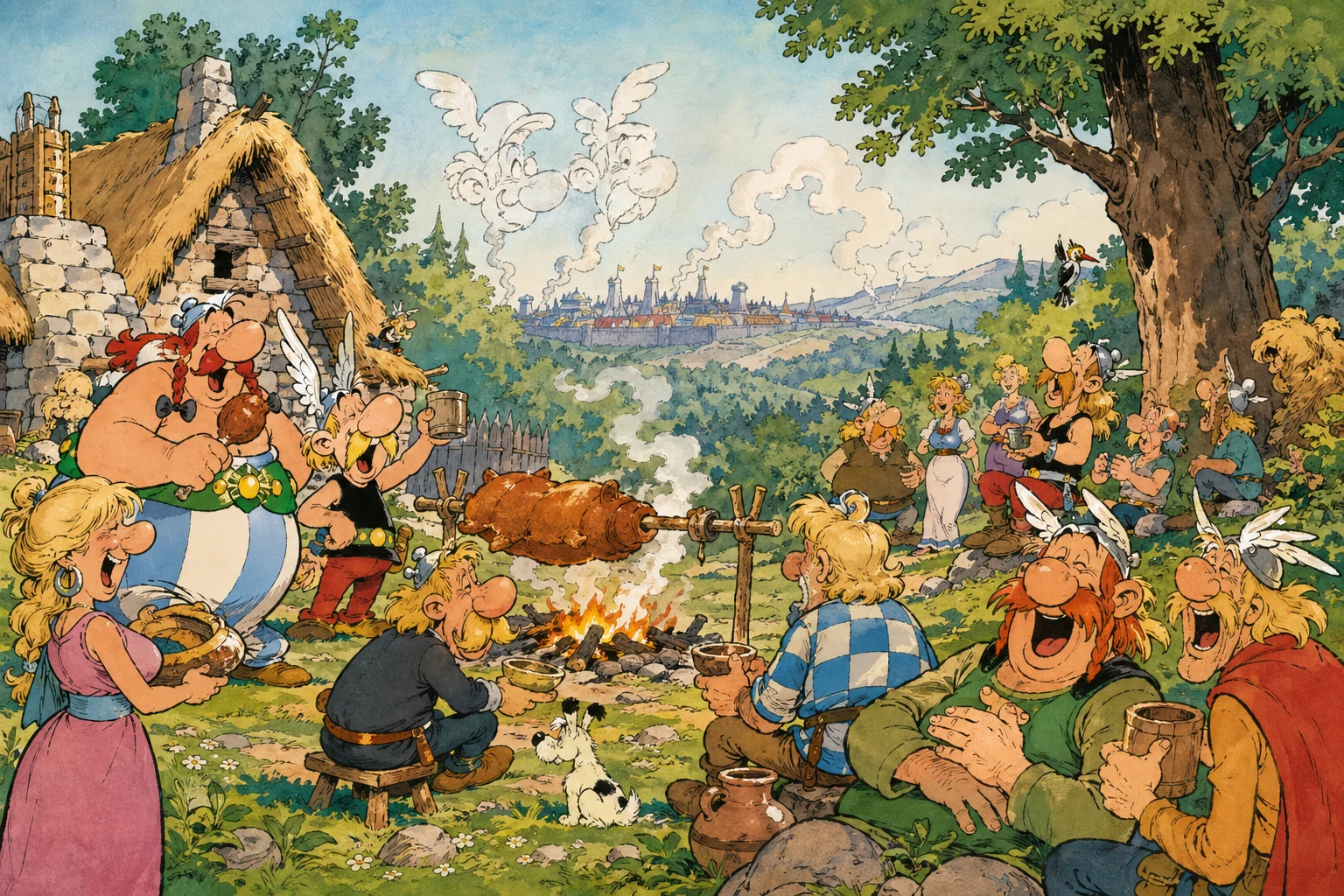
Asterix style art uses round, exaggerated character designs, big noses, and stocky bodies in a clean even ink line with flat watercolor wash. Great for gag panels set in Gaulish villages, Roman camps, and forest adventures.
The Asterix look comes from Albert Uderzo and René Goscinny's long-running French comic series. People searching for "Asterix style" usually want bande dessinée art with strong caricature: wide grins, bold noses, winged helmets, and a Gaulish village vibe. The line work is even and precise, the color is flat watercolor, and the staging is built for visual jokes.
When you write prompts in this style, lean on a few clear elements: a Gaulish village with round huts, Roman legionnaires in formation, a forest clearing, or a feast scene. Use words like "horizontal comic panel", "flat watercolor color", and "exaggerated cartoon faces" to keep the aesthetic. To stay clear of trademark issues, design your own villagers and Romans rather than recreating the named characters.
Try Asterix style generation
Try the look on your own prompt. Start from one of the examples below.
Example prompts
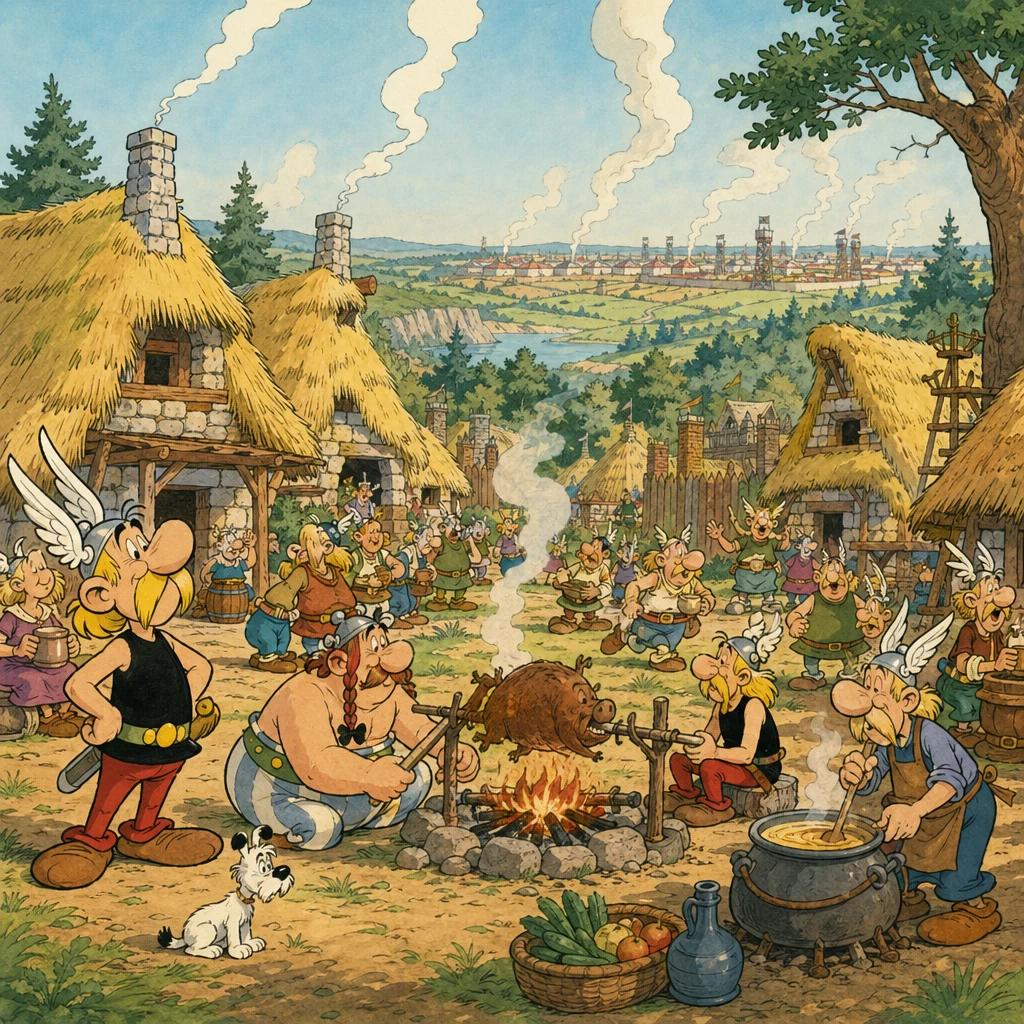
"Asterix style, french comic art in Asterix style, Gaulish village in a forest clearing, round thatched huts, villagers with winged helmets and big mustaches gathered around a campfire, stocky cartoon proportions, clean ink line, flat watercolor color, horizontal panel composition, no text, no logos"
Try this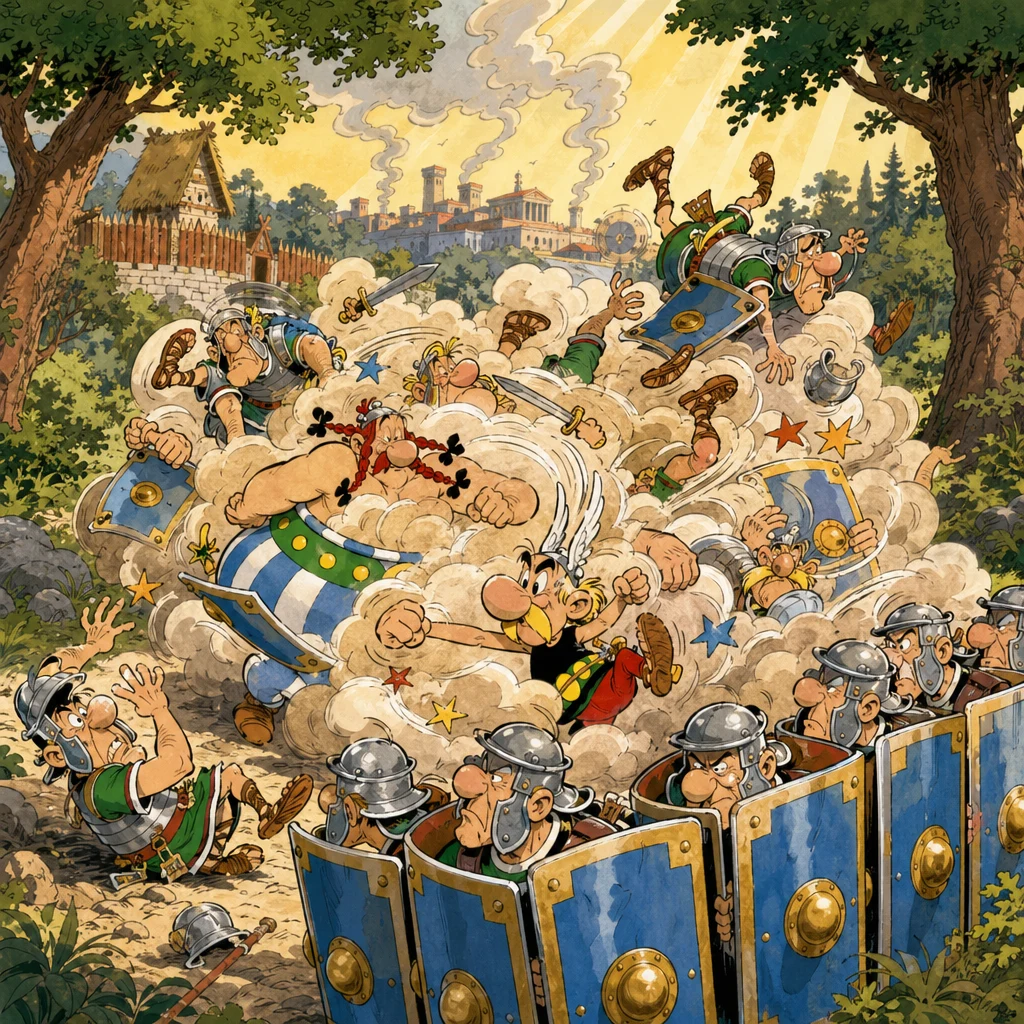
"Asterix style, french comic brawl scene in Asterix style, one stocky Gaulish hero punching a row of Roman legionnaires, comic dust cloud, stars and birds flying around heads, motion lines, exaggerated faces, clean ink, flat watercolor color, no text, no logos"
Try this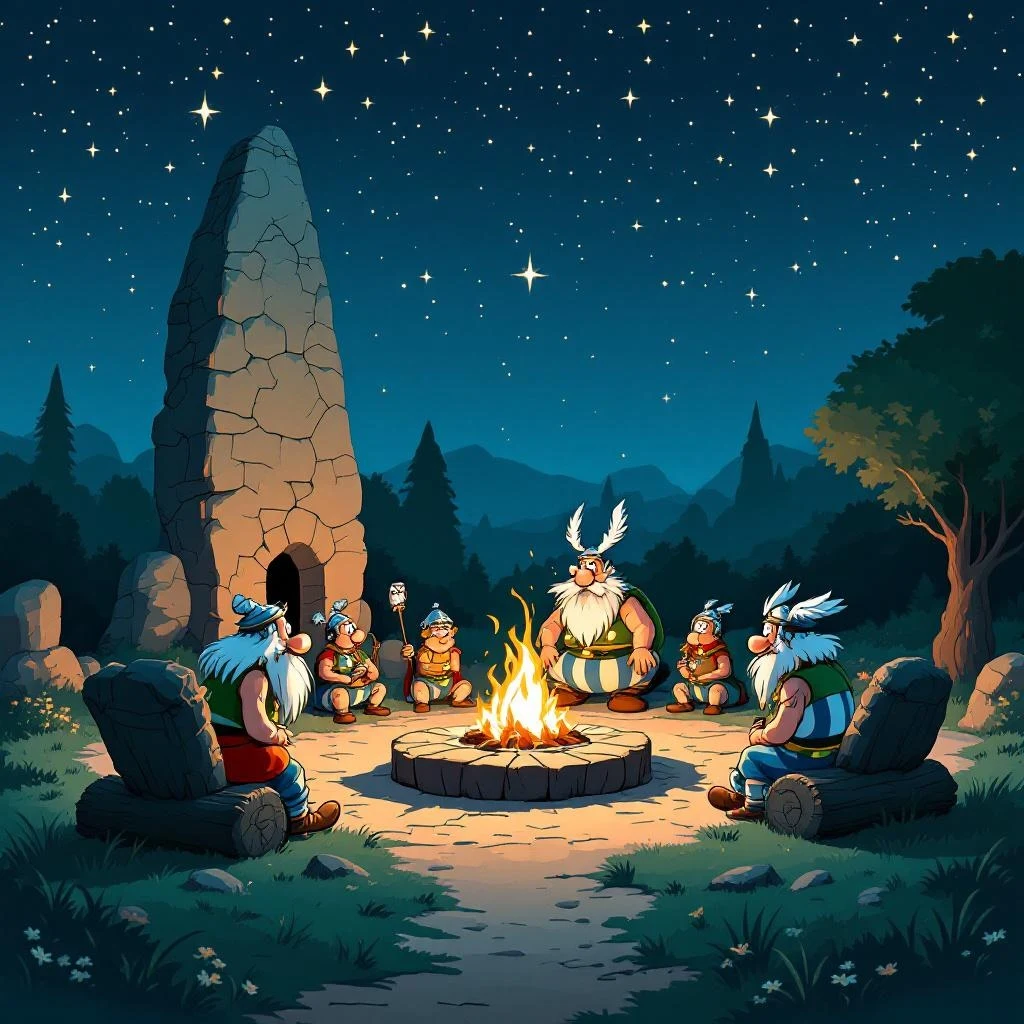
"Asterix style, Gaulish village feast at night in Asterix style, long wooden table loaded with roast boar bread and fruit, villagers cheering with mugs raised, torches and starry sky background, warm orange firelight, clean ink line and flat watercolor color, no text, no logos"
Try thisMake your own Asterix style art
Type a prompt below, or tap a starter to begin.
Generate a Asterix scene
Type a scene below and press Generate.
Why choose Anifusion?
Winged helmets and Gaulish gear
Round shields, winged helmets with bouncing feathers, and stocky warrior silhouettes that read as friendly comic heroes.
Gaulish village scenes
Round thatched-roof huts in a forest clearing, with stone walls, campfires, and friendly villagers gathered around.
Roman camp comedy
Lines of legionaries with rectangular shields, square watchtowers, and slapstick formations made for visual jokes.
Feast tables and food
Long wooden tables piled with roast boar, bread, and fruit, with characters making big eating faces.
Ligne claire ink work
Even line weight on every contour, almost no interior hatching, and flat watercolor washes instead of cross-hatched shadow.
Slapstick action
Comic dust clouds, stars and birds around heads, and tumbling figures with motion lines for big brawl scenes.
Create in 3 easy steps
Write your prompt
Describe your vision for Asterix style in plain language.
Refine settings
Tune the aspect ratio and style strength to your liking.
Generate and enjoy
Click generate and watch your masterpiece come to life in seconds.
Related styles
Discover more artistic directions you might love
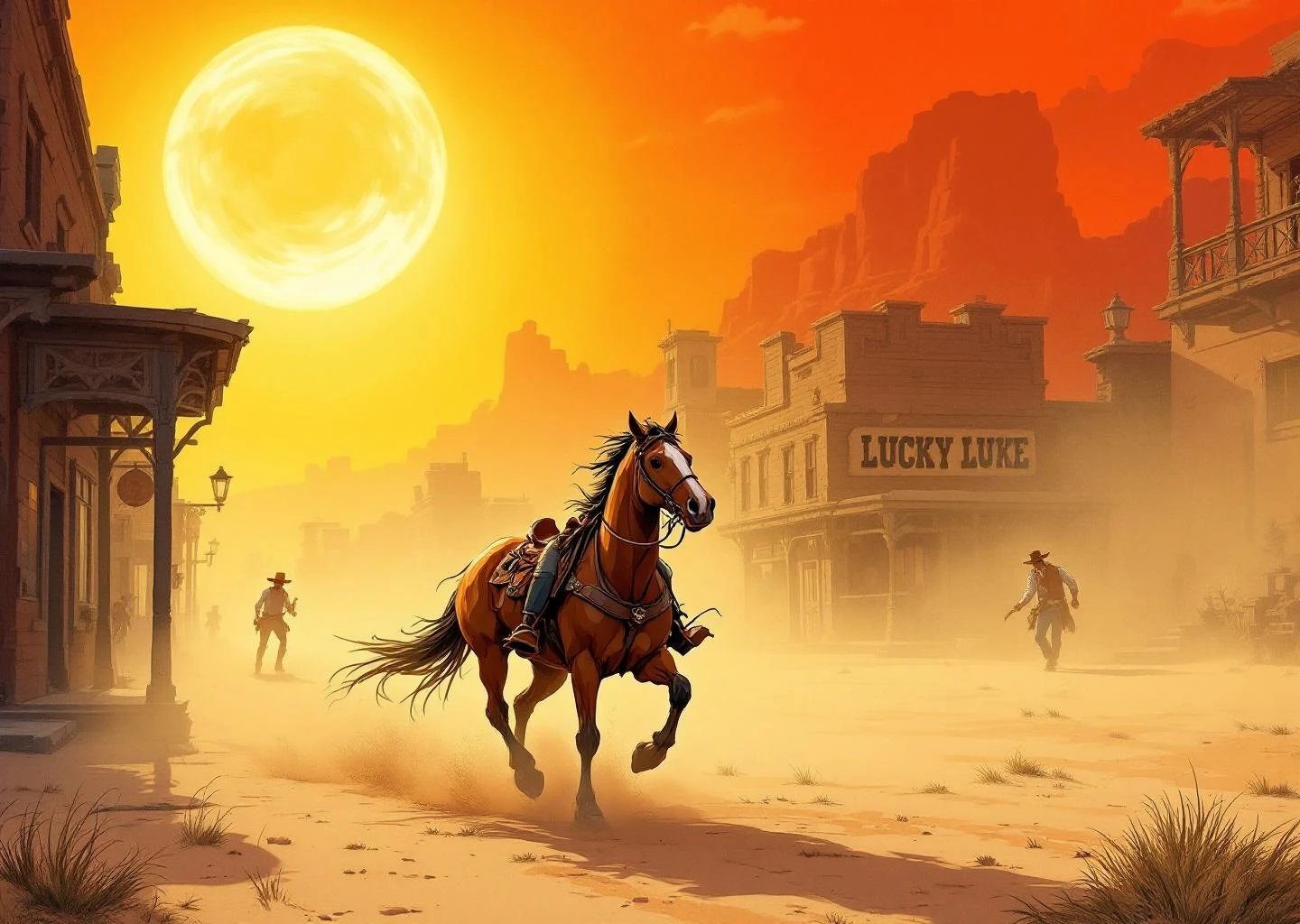
Lucky Luke style
Lucky Luke style art is a French-Belgian Western comic look: lanky cowboy heroes, comic horse chases, saloon towns under big skies, all drawn in clean ink with flat color. Great for adventure scenes and humor set in the Old West.
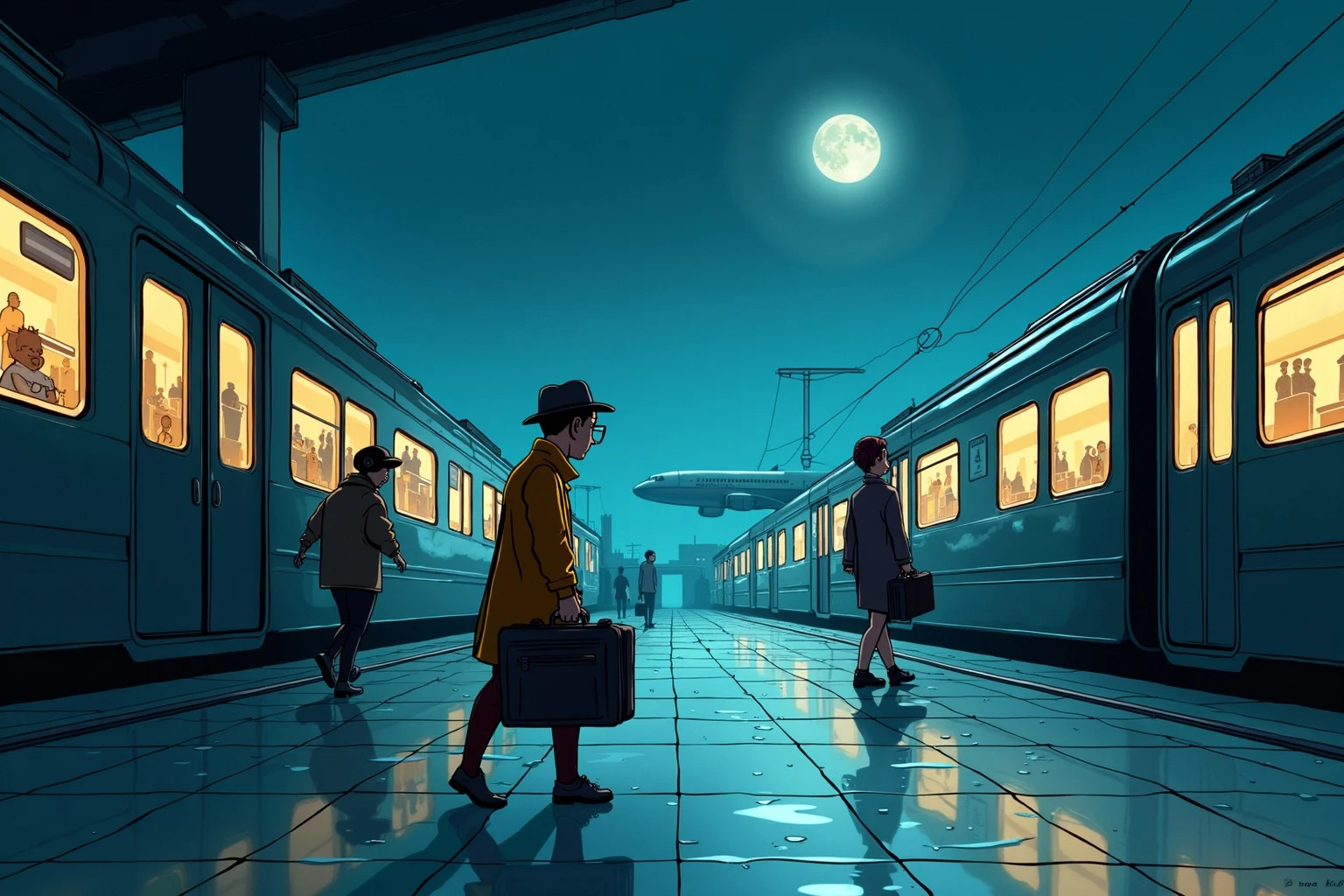
Tintin style
Tintin style art uses the famous "ligne claire" approach: clean even lines, bright flat color, careful perspective, and almost no shadow. It is the look of classic European adventure comics, set in vintage cities, deserts, jungles, and mountains.
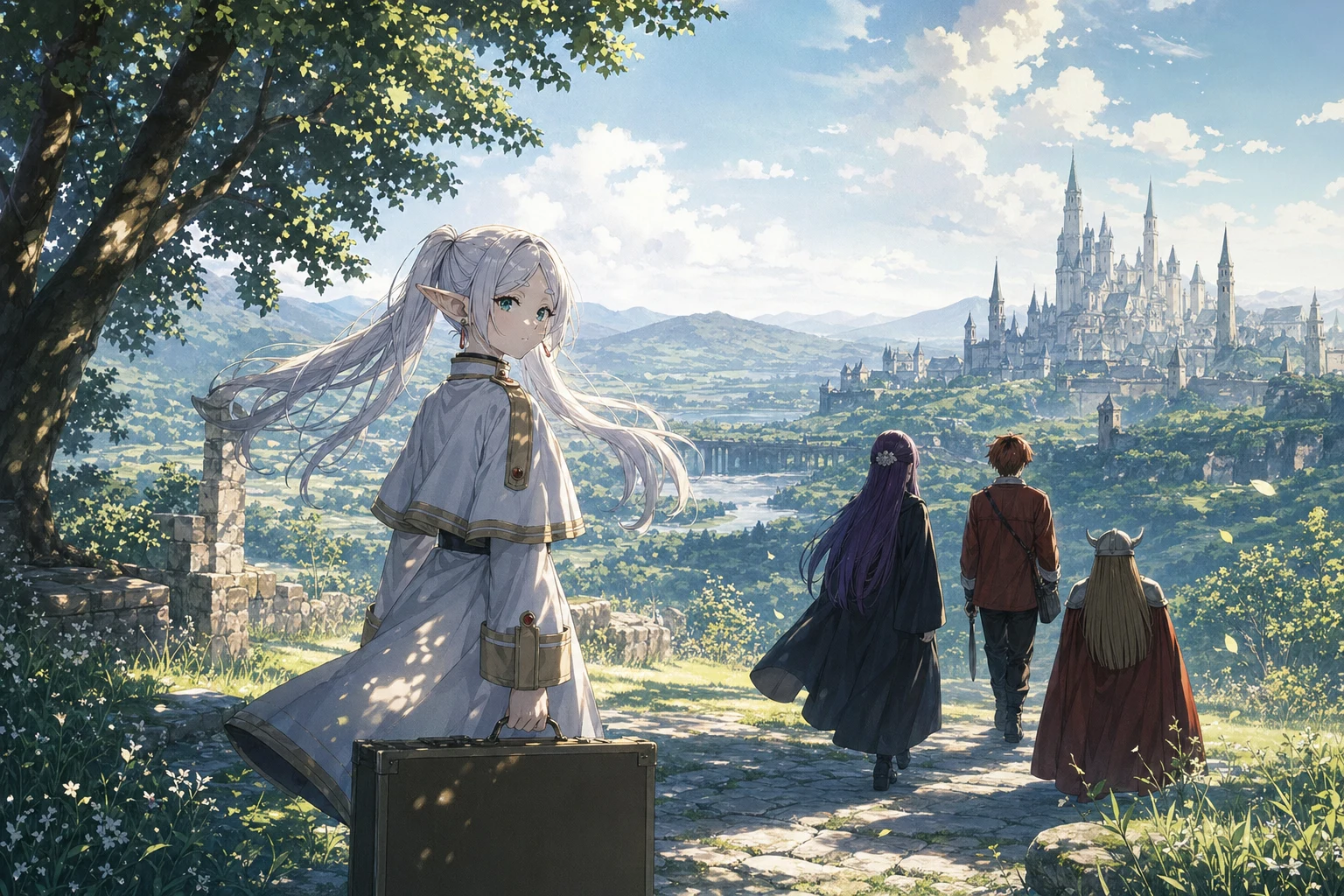
Frieren: Beyond Journey's End style
This aesthetic blends quiet emotional pacing, European-inspired fantasy architecture, and delicate linework with lush outdoor light. It suits journey stories, wizards, and long horizon landscapes.
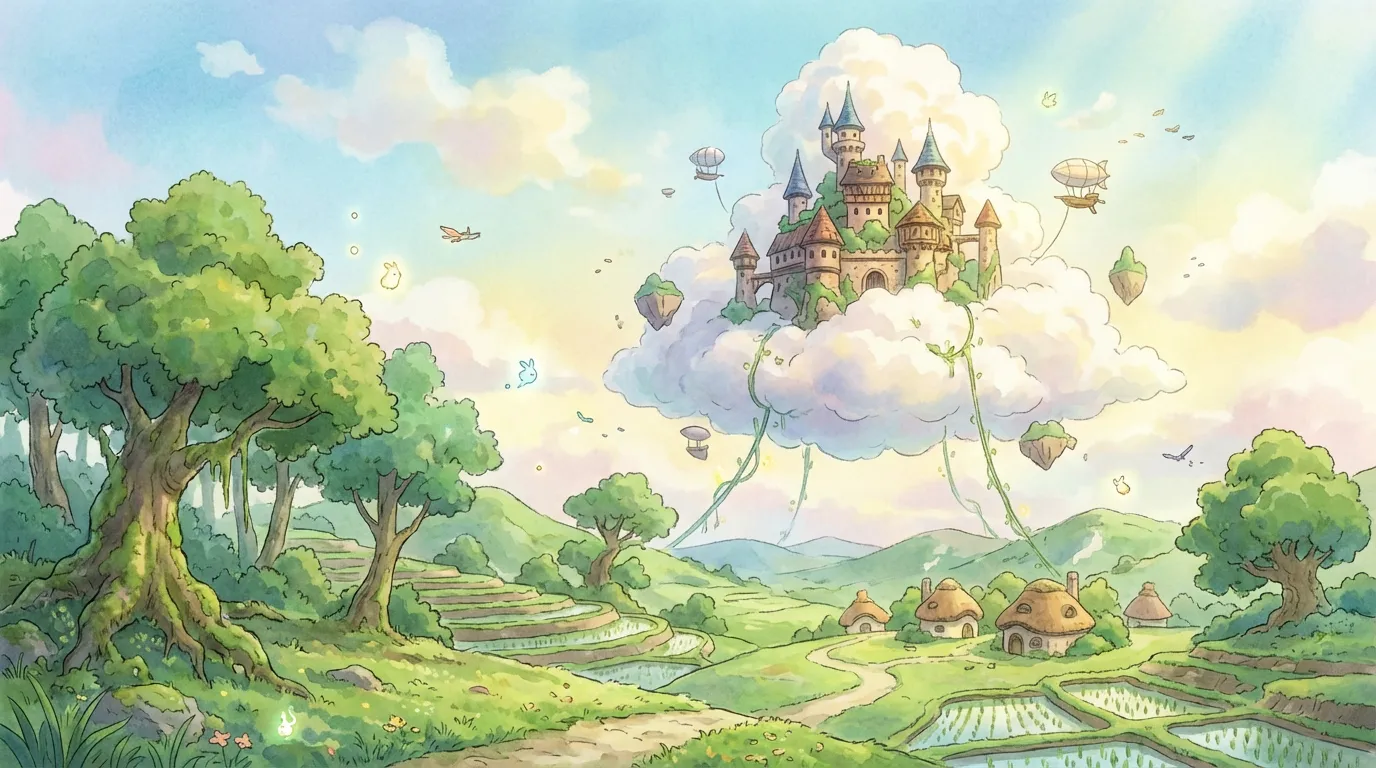
Studio Ghibli style
Studio Ghibli style pairs hand-painted watercolor backgrounds with gentle, expressive characters and a calm pastoral mood. It suits forest scenes, cozy interiors, sky vistas, and quiet character moments inspired by Miyazaki's filmography.
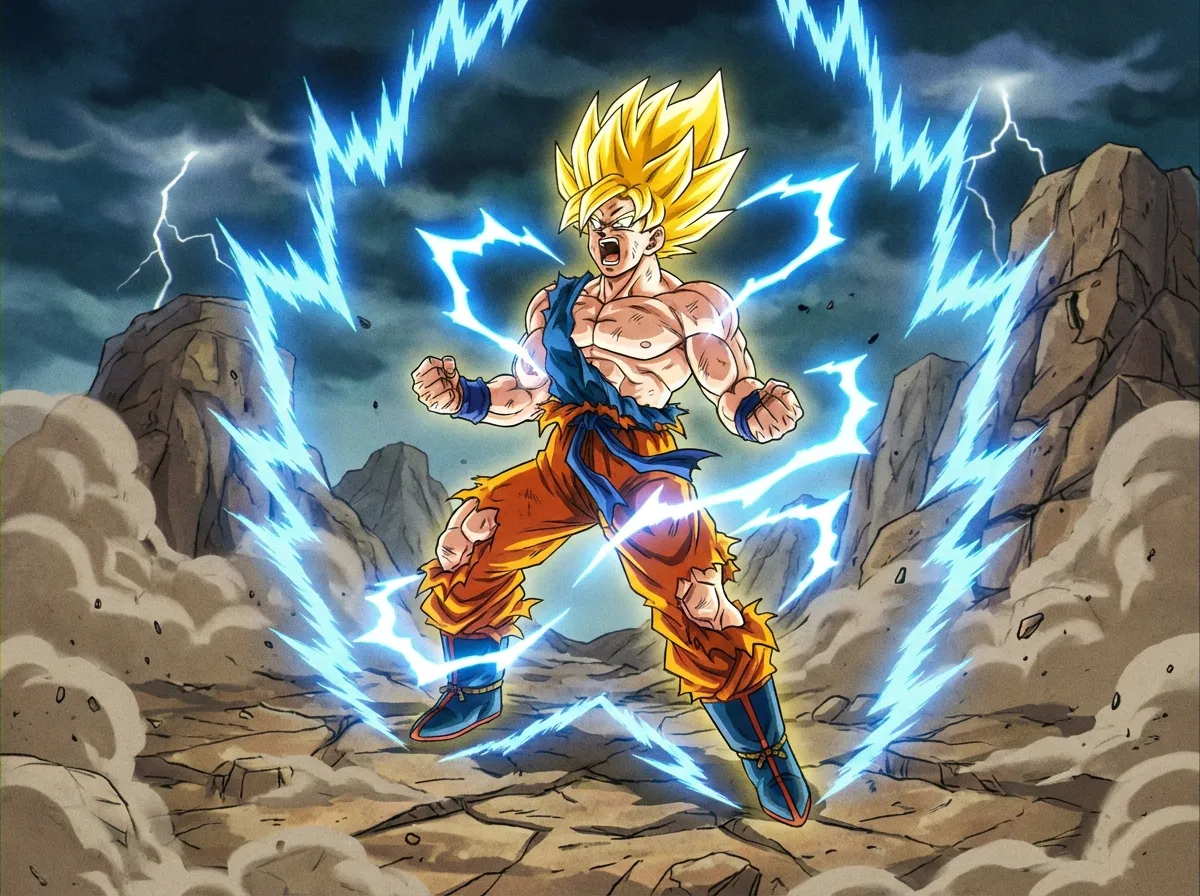
Dragon Ball style
Dragon Ball style pairs Akira Toriyama's clean spike line and rounded martial-arts proportions with Super Saiyan aura backdrops, ki blast charge frames, and Capsule Corp 80s tech design. It suits original Saiyan OCs, charge-pose key visuals, and Toriyama-style sci-fi gear.
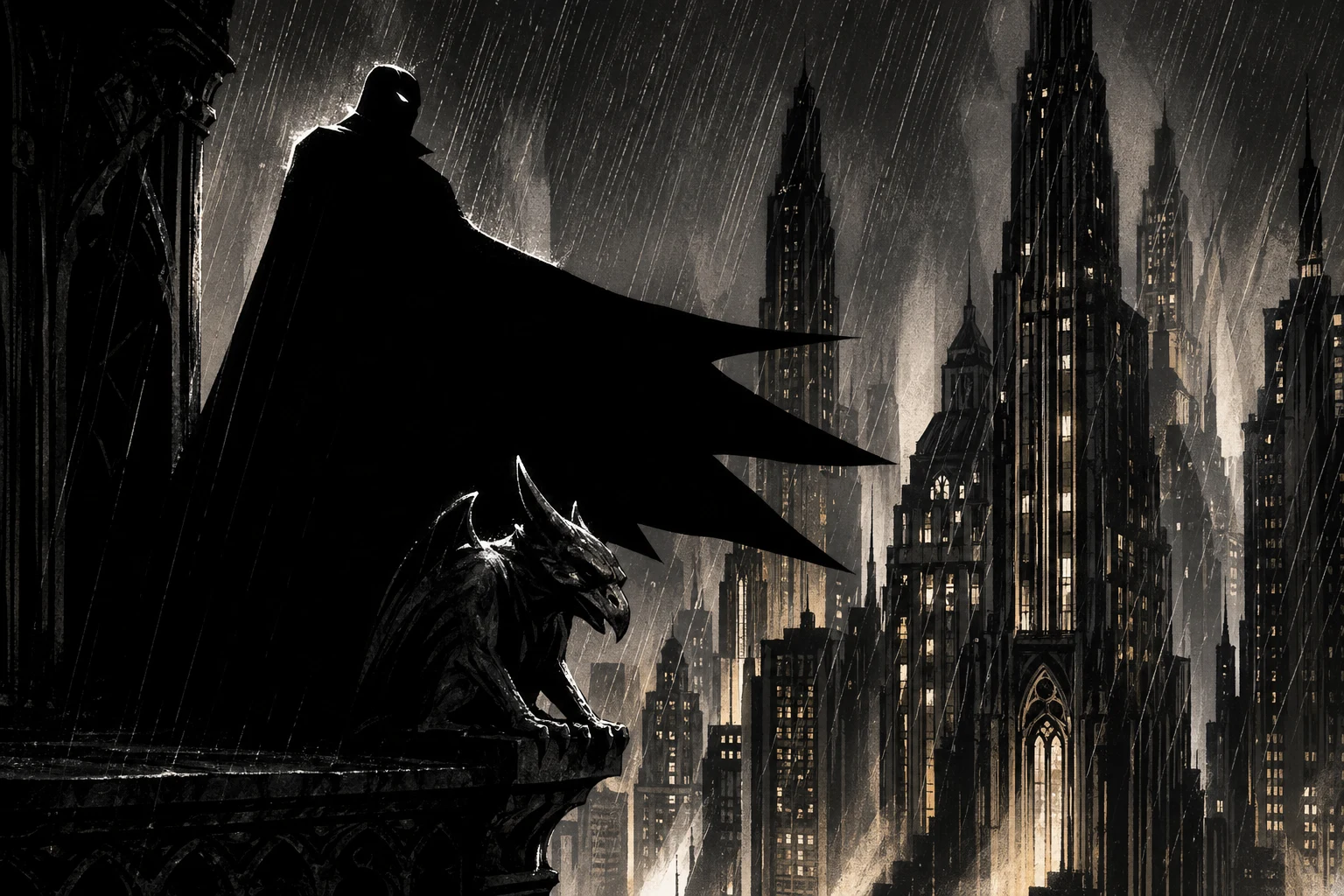
Batman style
American ink-forward comics: drybrush rain, chiseled jaw shadows, and vertical Gotham canyons with spot color accents.
Frequently asked questions
Prompt tips, rights, and workflow. Sign up free to generate in this look today.
Generate a Asterix scene
Type a scene below and press Generate.
How do I make my AI art look like Asterix?
Use clean even ink lines, flat watercolor color, and stocky exaggerated character proportions. Add specific elements: winged helmets, round Gaulish huts, Roman legionnaire formations, or forest village scenes. The phrase "ligne claire" also helps the model lean into European comic style.
Can I create my own Gaulish characters?
Yes, that is the recommended approach. Design original villagers with your own personalities and looks rather than recreating the named Asterix characters. The art style works for any chunky cartoon hero with a winged helmet and exaggerated features.
What scenes work best in Asterix style?
Comedic action scenes (village brawls, Roman ambushes), village life (feasts, market days, hunting trips), and travel adventures across Europe. Anything with strong visual gags, exaggerated reactions, or a clear hero-versus-army setup works well.
How is Asterix style different from American cartoons?
Asterix uses cleaner, thinner ink lines and watercolor-style flat color, with no halftone dots or heavy shadow. Characters are stockier and more rounded, and the humor is built around visual gags and historical settings rather than action poses.
What watercolor color palette should I use?
Earthy greens for forests, warm browns and sandstone for huts, cool blues for sky, and bright reds and yellows for character clothing. Keep colors saturated but flat, like printed comic pages.
What should I avoid in the prompt?
Skip phrases like "photorealistic", "anime cel shading", or "American comic ink wash" because they pull the model away from European comic flatness. Also avoid using the names of specific characters from the original series.
What other styles work well alongside Asterix?
Lucky Luke and Tintin share the same European clear-line lineage. For animated adventures with similar pacing, Ghibli and Frieren styles also pair nicely.
Can I use this style for Japanese-language stories?
Yes. The visual style is universal. Write your prompt in Japanese, keep the art direction terms (フラット水彩, クリアライン, ガリアの村) consistent, and the model will produce the same look.
Start creating Asterix style art today
Join 130,000+ creators and bring your imagination to life with 100 free credits.