Generate fantasy anime art, from elven mages to dragon ridges
Mages in flowing robes, dragon underbelly scales catching torchlight, and high-fantasy spires above mist. Build characters, key visuals, and isekai page art.
Franchise, studio, and character references describe style or mood only, not a license, sponsorship, endorsement, or affiliation. You are responsible for your prompts and outputs. As-is, no warranty of non-infringement (not legal advice). For DMCA, copyright, or trademark issues, use our Contact page.
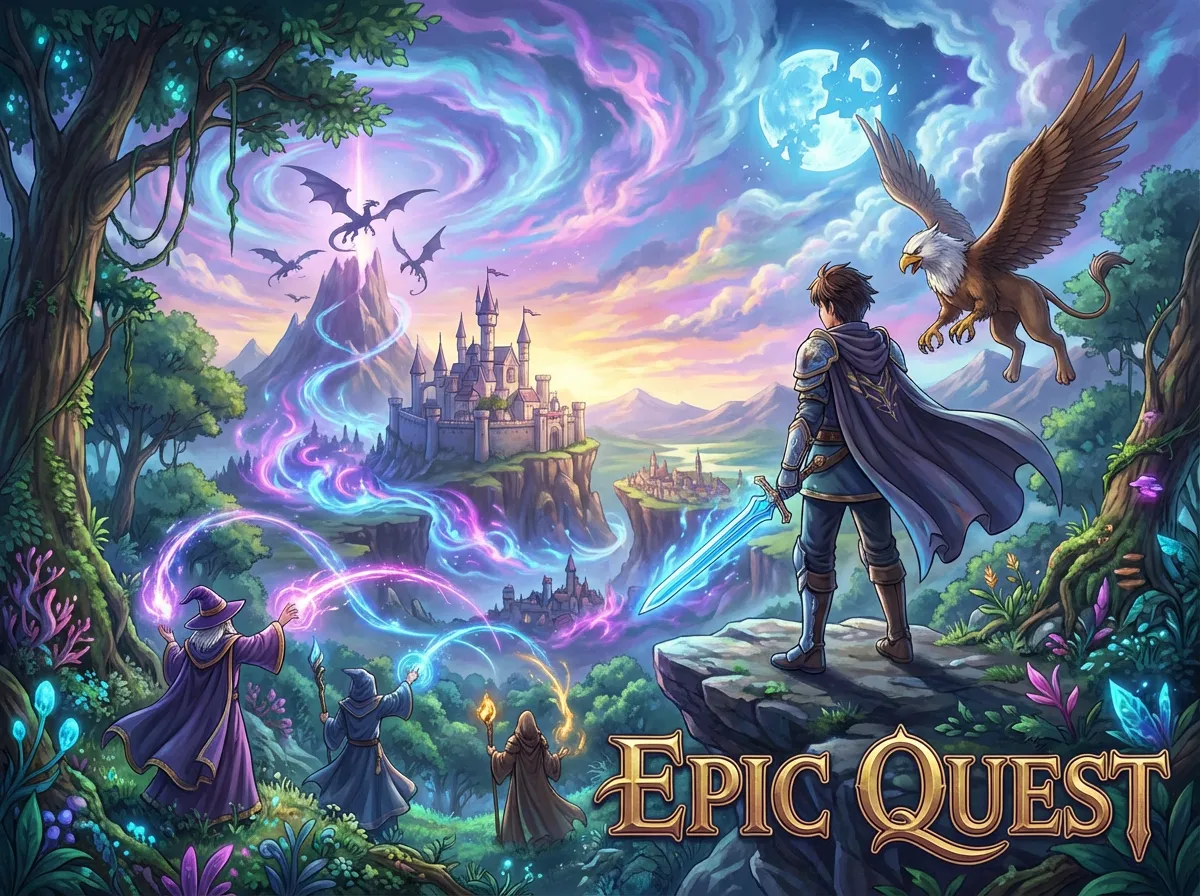
Generate a Fantasy anime scene
Type a scene below and press Generate.
About Fantasy anime style
Fantasy anime style covers high-fantasy worlds: elven silhouettes, torchlit dungeon palettes, dragon scale highlights, and crumbling spire architecture above forest canopies. Use it for isekai key visuals, RPG character sheets, party-portrait covers, and quest scene art that reads cinematic and grounded.
Fantasy anime style draws from the look of long-running JRPG cover art and shows like Sword Art Online, Re:Zero, and That Time I Got Reincarnated as a Slime, where party-portrait casts move through medieval geography that feels lived-in. The signature is wardrobe with weight: pauldrons that catch rim light, embroidered mage robes, leather travel kits, and weapons styled with engraved hilts and rune insets. Backgrounds favor crumbling spires, torchlit dungeons, oak-paneled tavern interiors, and forest clearings lit by dawn gold rather than sterile studio white.
The style works well for indie isekai authors building light-novel covers, tabletop GMs sketching party portraits before a session, manga creators blocking out dungeon arcs, and tournament artists making key visuals for original fantasy IPs. Color palettes lean toward warm interiors (amber torch, candle wash) against cool exteriors (mossy green, slate sky, dusk blue), so the same character sheet can be reused across many scenes without losing tonal consistency.
To get the look, prompt with concrete fantasy nouns rather than vague praise. A line like elven ranger, embroidered green cloak, longbow with rune inlay, oak forest, dawn light through canopy gives the model real anchors. Add architectural cues (gothic spire, cobblestone plaza, dragon-scale gate) and lighting cues (torchlight, dawn glow, lantern wash) so depth and shadow read clearly. Compared with shonen-action art, this look stays slower and more painterly: spell VFX read as soft particles and rune glow, not screen-shaking explosions.
Try Fantasy anime style generation
Try the look on your own prompt. Start from one of the examples below.
Example prompts
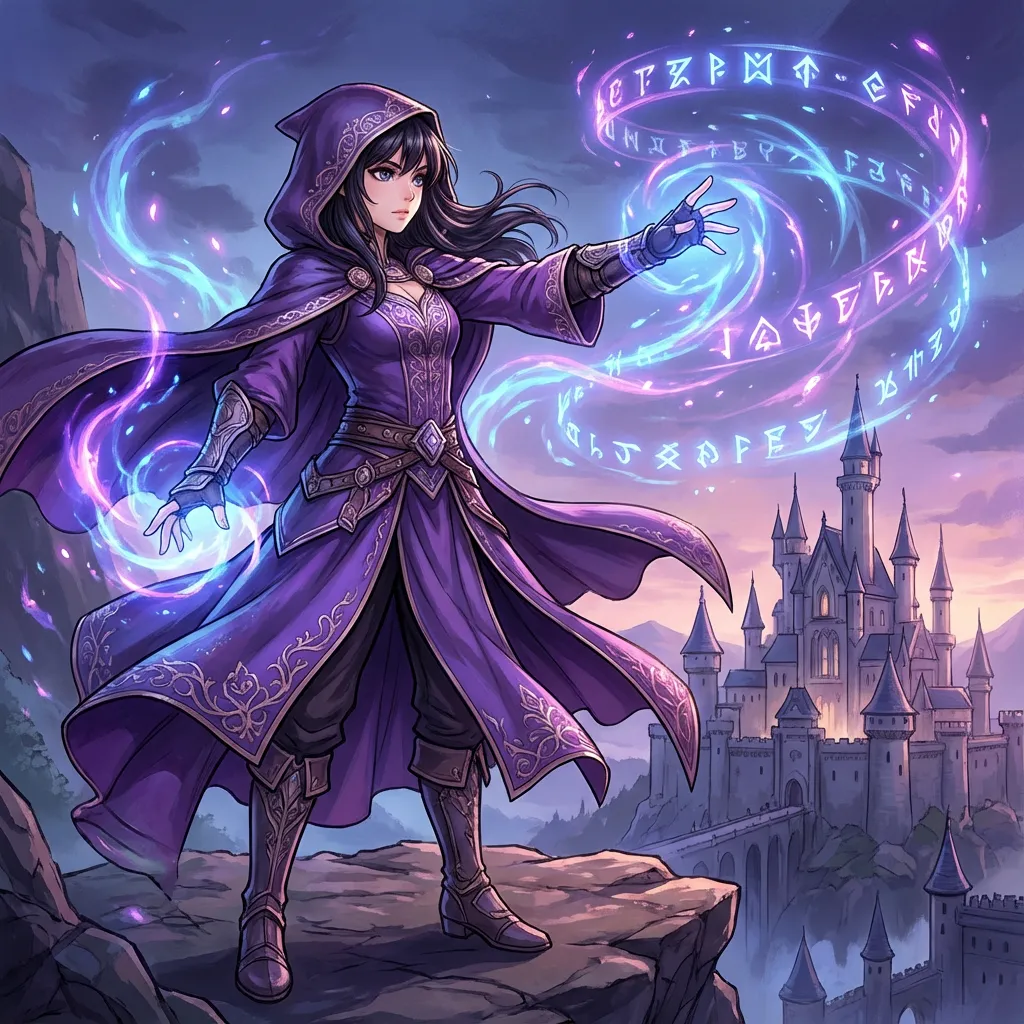
"Fantasy anime style, female elven mage in embroidered violet robe, casting a binding spell, soft glyph particles spiralling around outstretched palms, ancient oak study with parchment scrolls, rune-inlaid staff resting on lectern, soft candle wash and cool window light, key visual composition, clean anime linework, no text"
Try this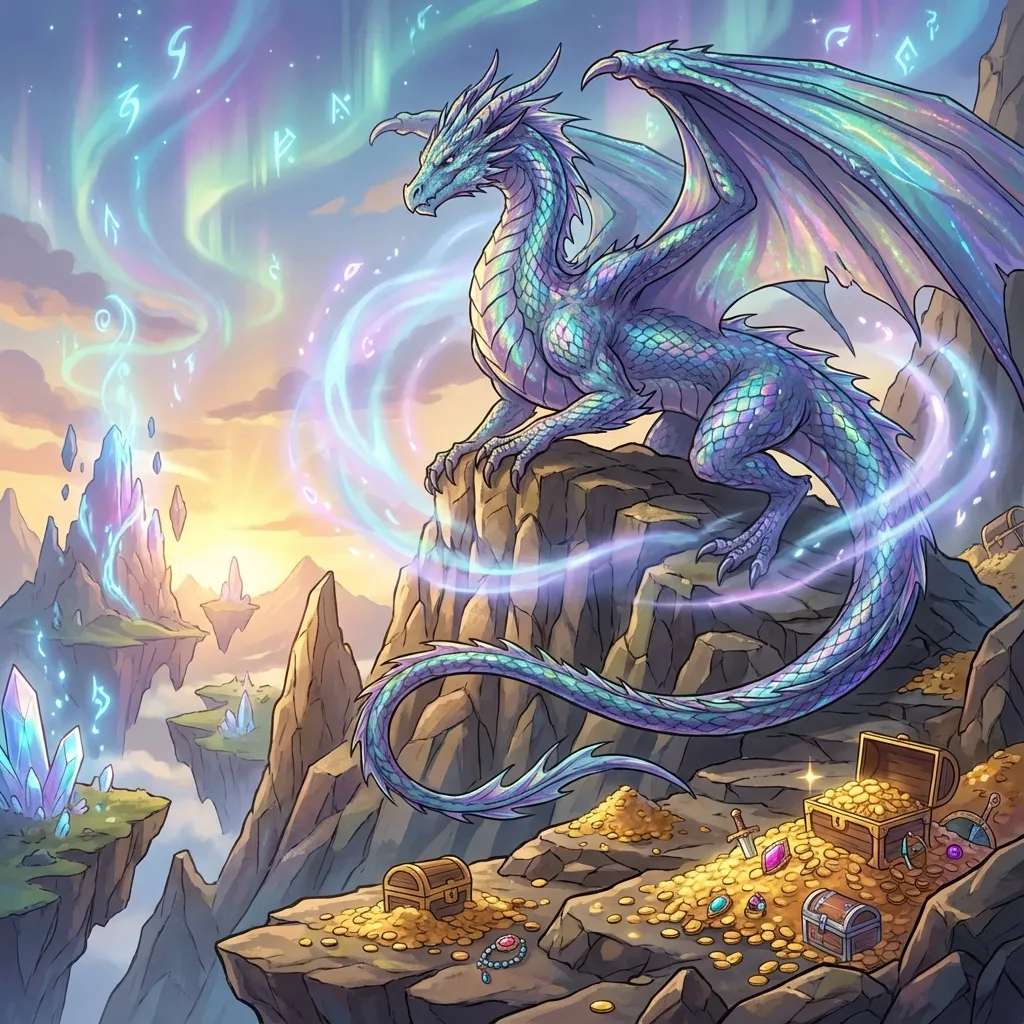
"Fantasy anime style, adult mountain dragon perched on a weather-worn cliff, rim light along underbelly scale ridges, dawn fog rolling between pine peaks, small armored ranger silhouette in foreground for scale, painterly anime fantasy key visual, cinematic wide shot, no text"
Try this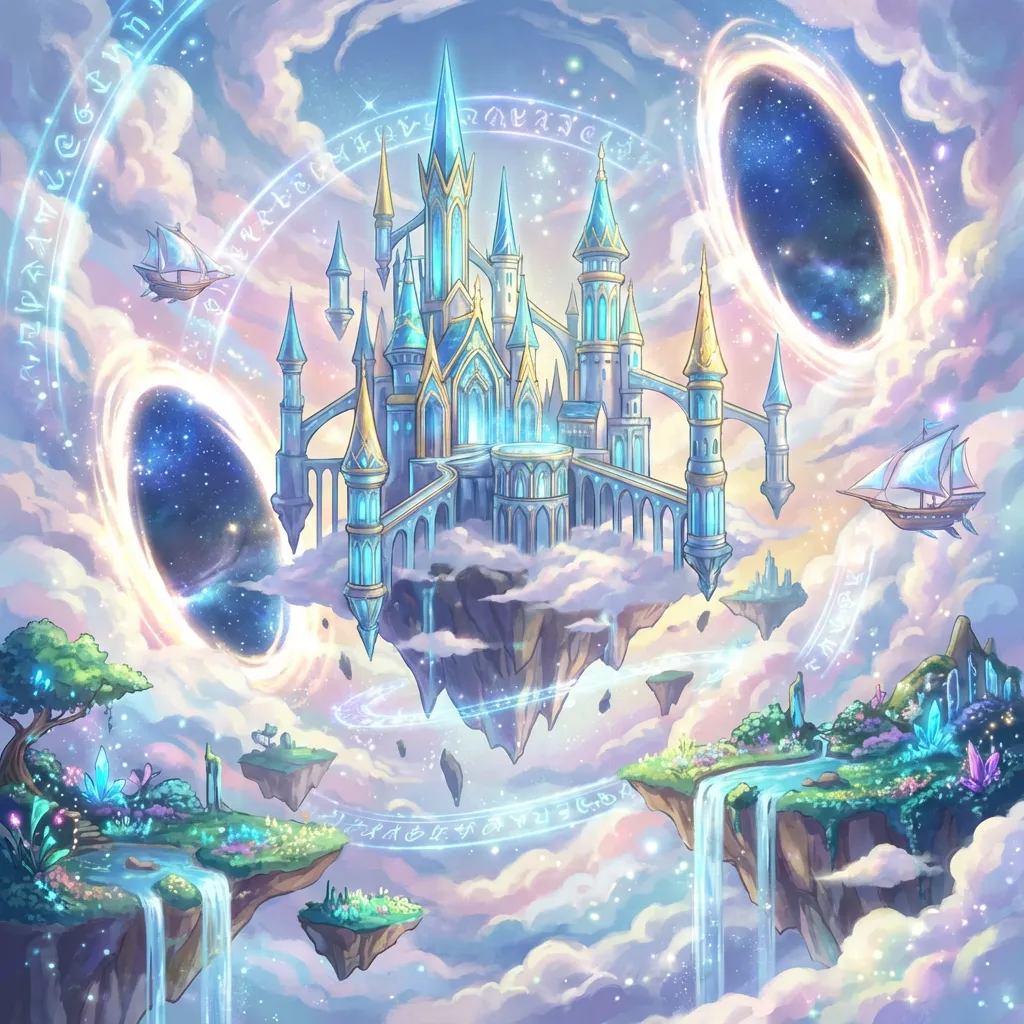
"Fantasy anime style, floating fantasy citadel above a sea of clouds, gothic spires with banners, crumbling outer wall lit by late golden hour, faint rune glow along the foundation stones, distant winged figures circling at thumbnail size, isekai light novel cover composition, no text"
Try thisMake your own Fantasy anime style art
Type a prompt below, or tap a starter to begin.
Generate a Fantasy anime scene
Type a scene below and press Generate.
Why choose Anifusion?
Spell VFX and rune glow
Generate spell VFX as soft particle bursts, glowing arcane runes circling outstretched hands, and elemental tells like ice cracks underfoot or fire ringlets along a staff.
Medieval and gothic architecture
Crumbling spires, fortified gatehouses, oak-beamed taverns, and ancient temples carved with rune lintels. Backgrounds read as inhabited geography, not theme-park sets.
Dragons and mythic beasts
Dragons with rim-lit underbelly scales, phoenix feather edges catching dawn, golems with weather-worn stone joints, and demons whose silhouettes read across small panels.
Engraved gear and artifacts
Pauldrons with battle dents, embroidered mage robes, longbows with rune inlay, and relic blades that radiate a faint glyph glow without overwhelming the scene.
Torchlit and dawn lighting
Amber torch, candle wash, cool dawn fog, and bioluminescent forest glow. Lighting choices anchor the mood from cozy tavern interior to mountain summit standoff.
Wide quest worldscapes
Long roads to distant towers, mist-fed mountain passes, rolling moorland horizons, and small figures against big skies. Useful for establishing shots and chapter splash pages.
Create in 3 easy steps
Write your prompt
Describe your vision for Fantasy anime style in plain language.
Refine settings
Tune the aspect ratio and style strength to your liking.
Generate and enjoy
Click generate and watch your masterpiece come to life in seconds.
Related styles
Discover more artistic directions you might love
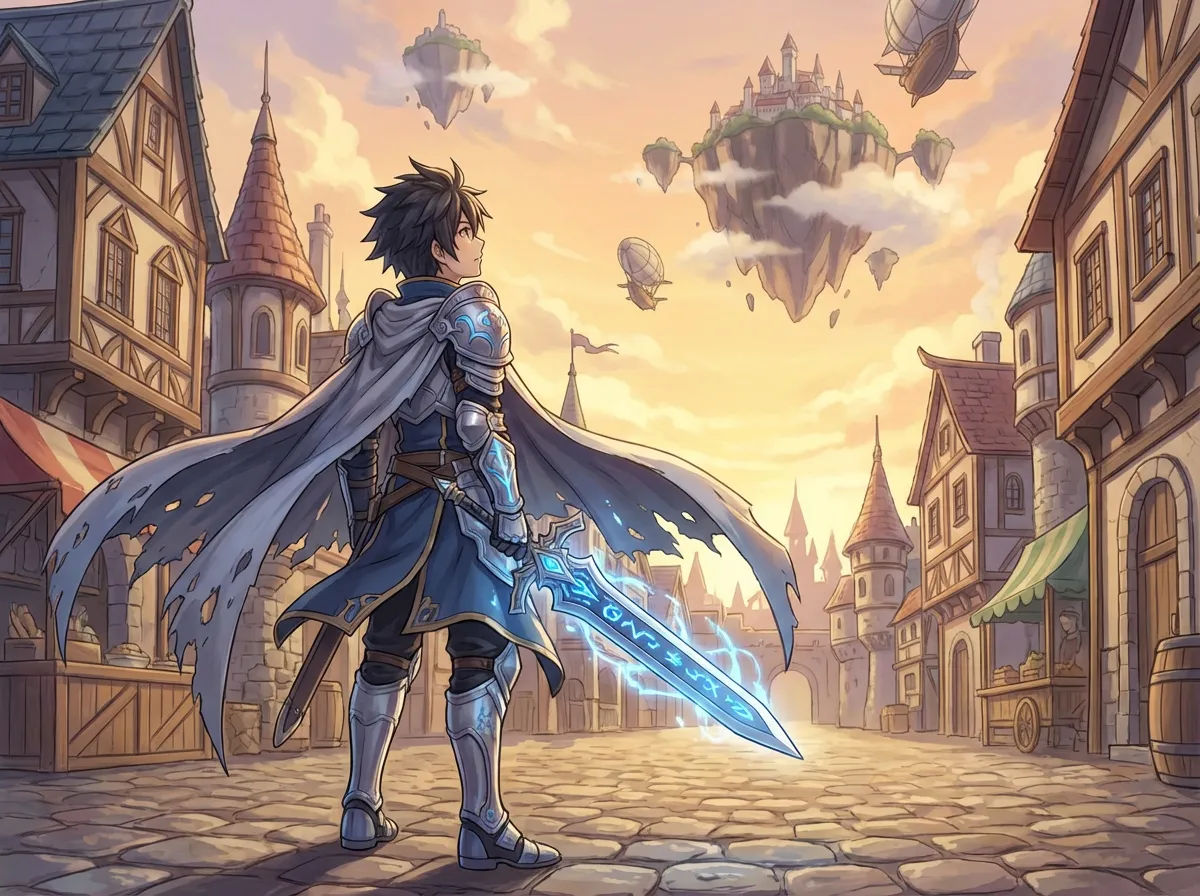
Isekai anime style
Isekai anime style is the modern light novel adaptation look defined by summoning circle compositions, RPG-stat HUD overlays, fantasy guild interiors, and adventurer party group shots. It suits original isekai protagonists, party covers, and dungeon-and-tavern key art.
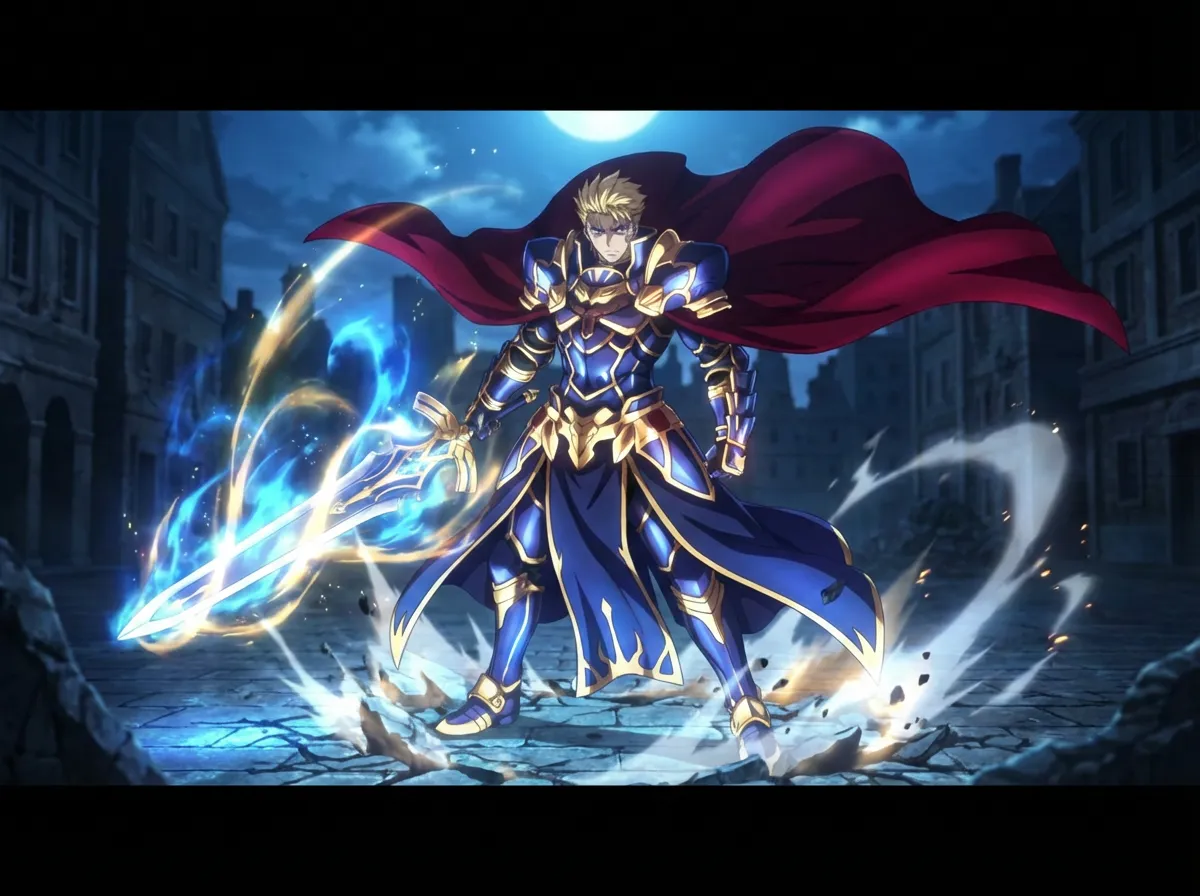
Fate series style
Fate Series style is the Type-Moon Holy Grail War look defined by ufotable golden particle bloom, Saber-style polished armor reflection, command seal hand motifs, and Holy Grail chalice glow. It suits original servant designs, Grail War key art, and ritual magic-circle character covers.
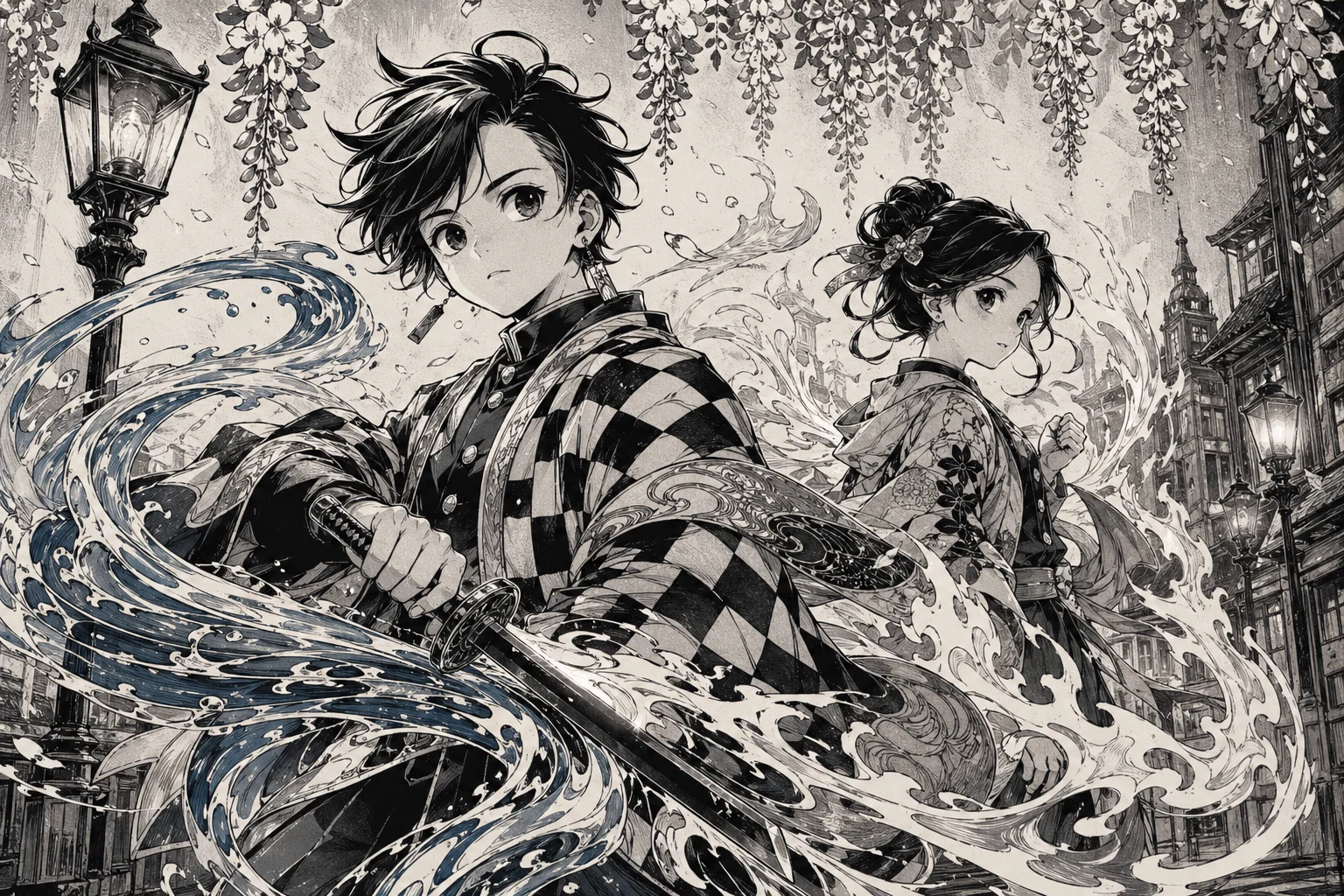
Demon Slayer style
Demon Slayer style pairs Koyoharu Gotouge's soft Taisho-era character design with ufotable particle effects, ink-wash breathing forms, and Hashira haori patterns. It suits original Demon Slayer Corps OCs, moonlit forest battles, and pattern-rich character key visuals.
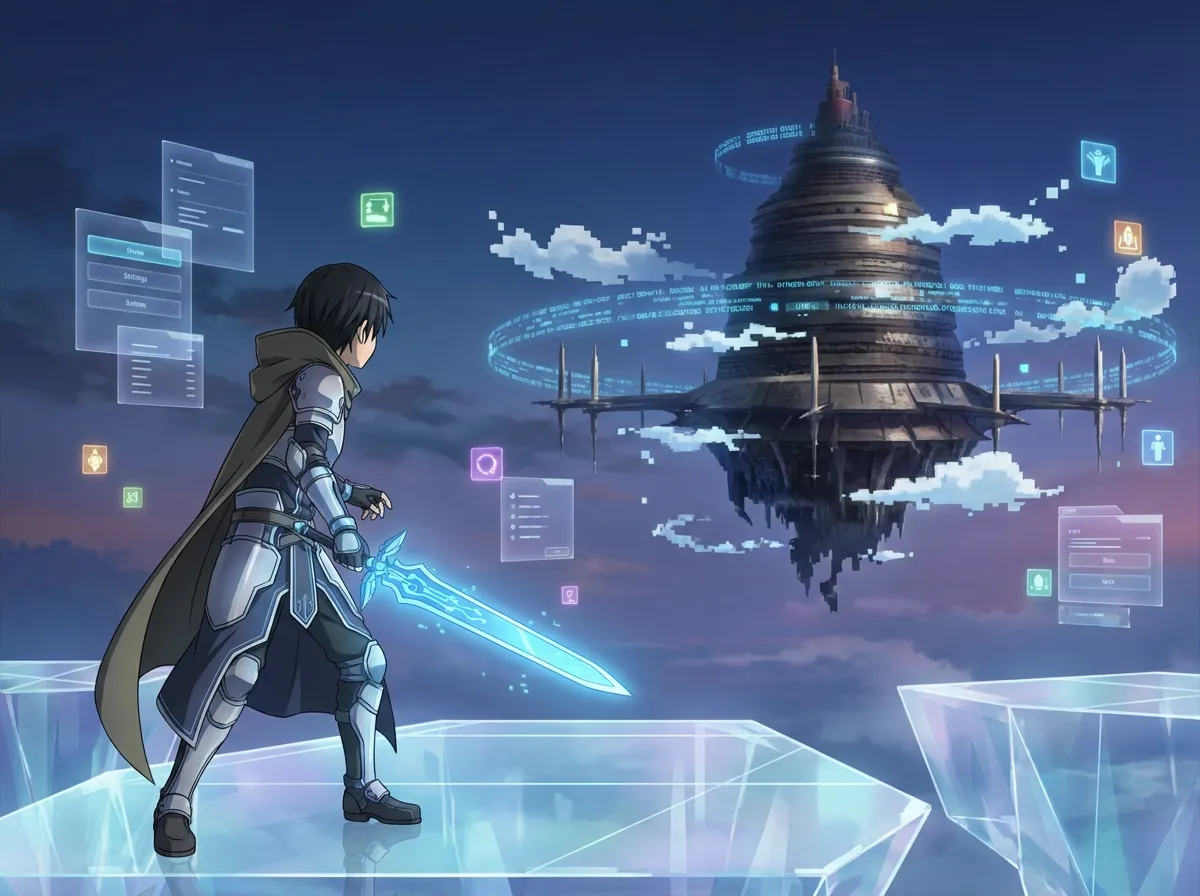
Sword Art Online style
Sword Art Online style is the VRMMO action-anime look defined by Aincrad floating castle layouts, VR HUD inventory overlays, neon avatar trails, and skill-name overlay tags. It suits original player-avatar portraits, dual-wielding fight key art, and Aincrad-floor guild scenes.
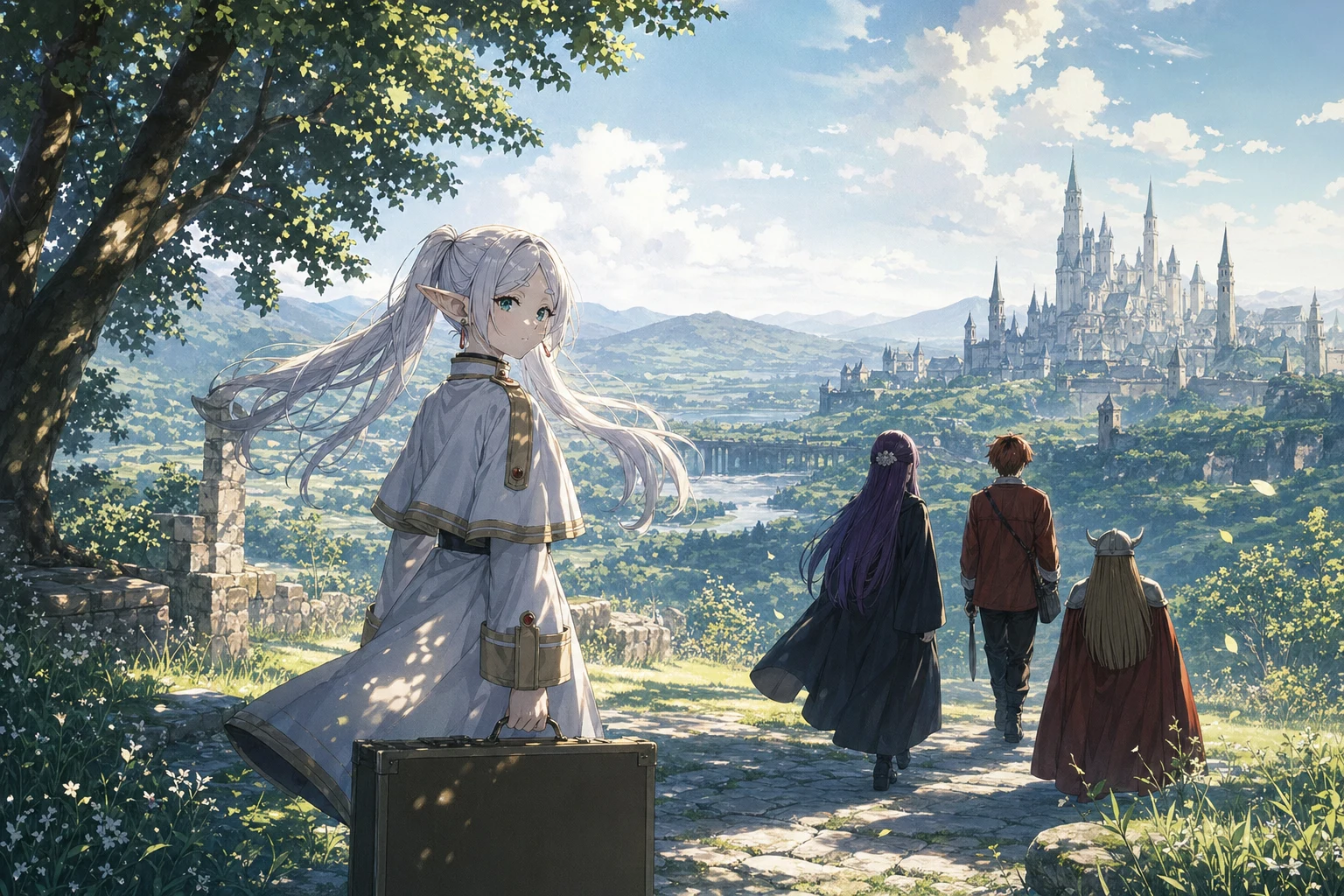
Frieren: Beyond Journey's End style
This aesthetic blends quiet emotional pacing, European-inspired fantasy architecture, and delicate linework with lush outdoor light. It suits journey stories, wizards, and long horizon landscapes.
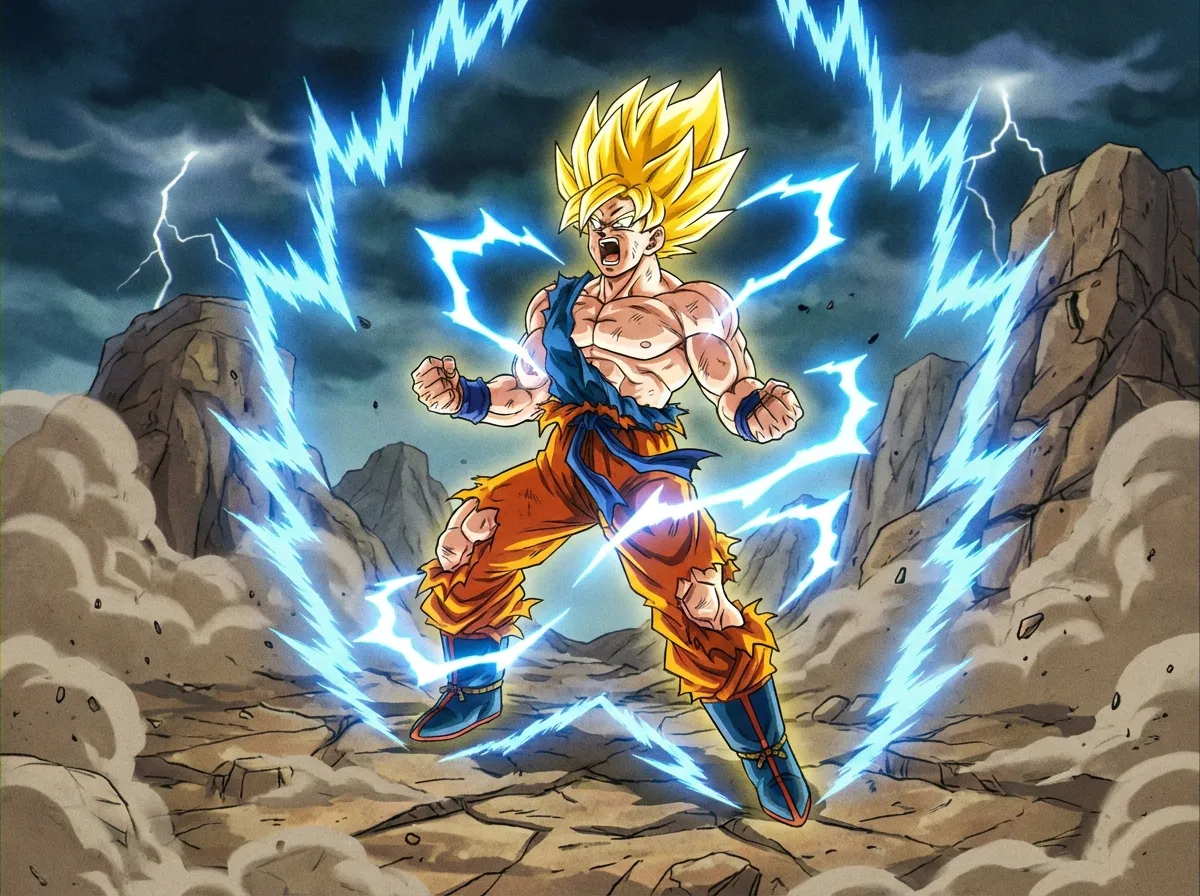
Dragon Ball style
Dragon Ball style pairs Akira Toriyama's clean spike line and rounded martial-arts proportions with Super Saiyan aura backdrops, ki blast charge frames, and Capsule Corp 80s tech design. It suits original Saiyan OCs, charge-pose key visuals, and Toriyama-style sci-fi gear.
Frequently asked questions
Prompt tips, rights, and workflow. Sign up free to generate in this look today.
Generate a Fantasy anime scene
Type a scene below and press Generate.
Which anime should I reference for fantasy style prompts?
Specific show names work better than the phrase fantasy anime alone. Frieren and Made in Abyss give you painterly, slower-paced travel scenes; Re:Zero and Sword Art Online push toward higher-saturation party-portrait keys; Berserk and Goblin Slayer lean darker with grimmer color choices; That Time I Got Reincarnated as a Slime is good for cozy guildhall and town interiors. Naming a show shapes wardrobe weight, lighting, and camera distance more reliably than abstract adjectives.
How do I keep spell effects from looking like generic glow blobs?
Anchor the spell to a source and a behavior. Instead of asking for a magical effect, write rune circle on her left palm, glyph particles drifting outward, faint heat shimmer above the staff tip, soft amber light on her cheekbones. Naming the spell element (frost, lightning, binding, illusion) and its physical impact on the surroundings (frost on the floorboards, hair lifting from static) keeps the VFX readable instead of muddy.
Will this style work for an original isekai light novel cover?
Yes, this is one of its strongest use cases. Compose with the protagonist front and center, party members staggered behind in silhouette or partial focus, a backdrop that sells the world (floating citadel, dragon perch, ruined gate), and a clear color contrast between the subject wardrobe and the sky. Adding isekai light novel cover composition, key visual, no text to the prompt nudges the layout toward cover-friendly proportions.
Can I use it for tabletop RPG character sheets and party portraits?
Yes, it is a strong fit. Generate each character on a neutral mid-tone background first, lock the wardrobe colors and weapon style, then re-prompt with the same descriptors plus a shared scene (forest clearing, tavern table, dungeon hallway) to get a consistent group portrait. Specifying three-quarter view, full body, cinematic key visual helps the result match the framing of a printed character sheet.
What separates fantasy anime from shonen action art?
Pacing and density. Shonen action favors high-contrast speedlines, screen-shaking VFX, and dramatic close-ups; fantasy anime in this style holds the camera back, leaves more room for landscape, and treats magic as soft particle work and rune glow rather than explosions. Color also tends earthier (mossy green, dawn gold, slate blue) instead of saturated power-up palettes.
How do I avoid the generic AI fantasy look in results?
Replace adjectives with nouns. A phrase like stunning magical castle generates the same recycled silhouette as a thousand other prompts, while half-timber and stone gatehouse, lichen on north wall, banners with stag crest gives the model real details to commit to. Naming materials (oak, slate, brass), wear states (lichen, soot, salt rime), and one specific time of day usually does more than any quality tag.
Start creating Fantasy anime style art today
Join 130,000+ creators and bring your imagination to life with 100 free credits.