Generate Makoto Shinkai style scenes with AI
Stratus-cloud volumetric skies, anamorphic lens flare, rail-crossing crepuscular rays, and the quiet two-shot framing of Your Name and Tenki no Ko.
Franchise, studio, and character references describe style or mood only, not a license, sponsorship, endorsement, or affiliation. You are responsible for your prompts and outputs. As-is, no warranty of non-infringement (not legal advice). For DMCA, copyright, or trademark issues, use our Contact page.
Generate a Makoto Shinkai scene
Type a scene below and press Generate.
About Makoto Shinkai style
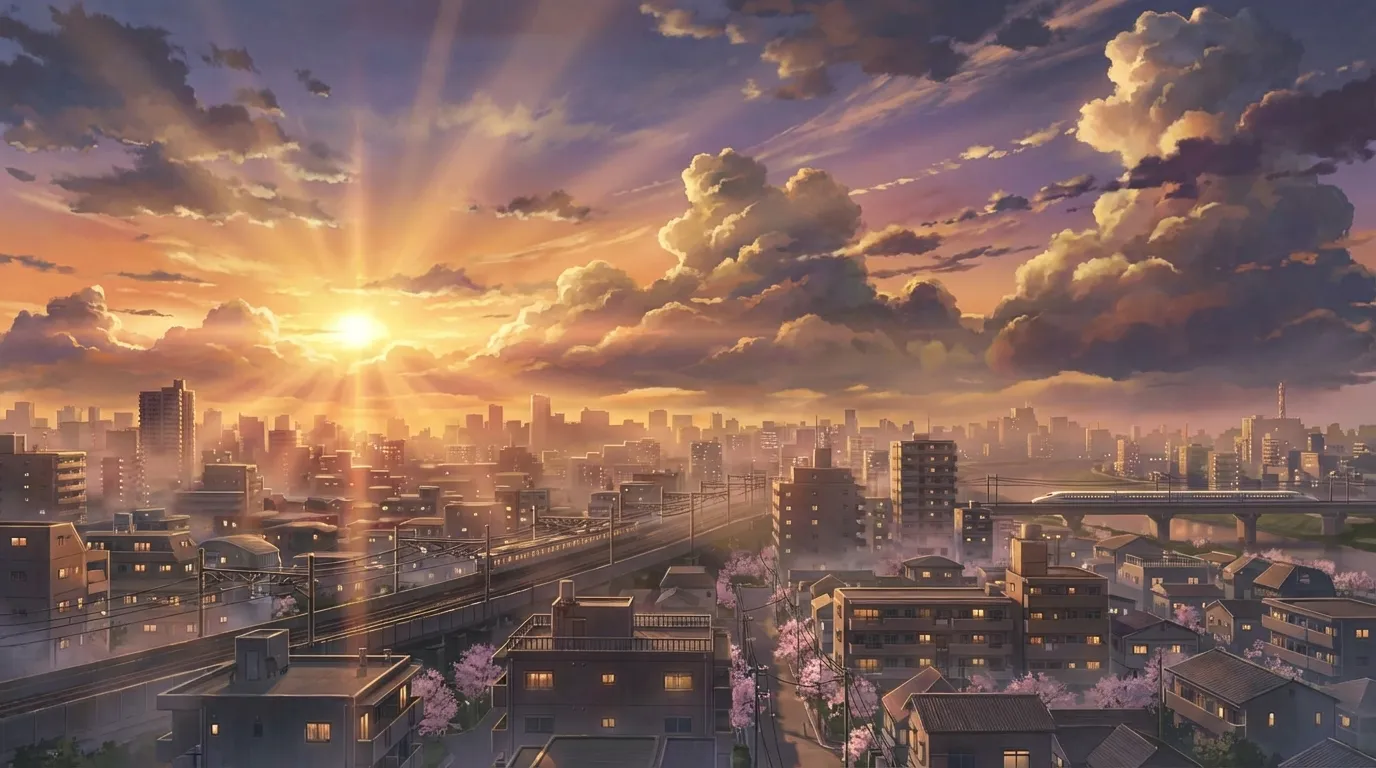
Makoto Shinkai style pairs near-photographic urban Japanese backgrounds with stratus-cloud skies, golden hour lens flare, and quiet two-shot character framing. It suits emotional key visuals, train scenes, and rooftop sunset moments.
The Makoto Shinkai style refers to the cinematic look that director Makoto Shinkai and CoMix Wave Films developed across 5 Centimeters per Second, Your Name, Weathering With You (Tenki no Ko), and Suzume. Backgrounds are painted at near-photographic detail: stratus-cloud volumetric layers in the sky, dense Tokyo cityscapes, suburban level crossings, classroom rooftops, and step-printed reflections in train glass. Light is the actor in most frames: anamorphic lens flare, golden hour warmth, rail-crossing crepuscular rays, and the saturated blue-to-orange gradient that has become a Shinkai trademark.
Character design stays closer to mainline anime than the backgrounds, with realistic proportions, layered hair, and reflective specular highlights in the eyes. The default emotional pitch is bittersweet: characters are often shown apart, looking at the sky, or framed against weather (rain, snow, falling petals) that does dramatic work the dialogue does not. Compositions favor wide cinematic frames, low horizon lines, and a clear single light source rather than even, all-over lighting.
To prompt for the Makoto Shinkai style on Anifusion, lead with 'makoto shinkai style' or 'shinkai cinematic key visual', then describe the location (suburban level crossing, Yotsuya station, school rooftop), the time of day (golden hour, blue hour, post-rain), one weather element, and one optical detail like 'anamorphic lens flare' or 'step-printed train glass reflection'. Keep characters relatively small in the frame so the sky and architecture can do their work. The Shinkai style generator is well suited to OC key visuals, music video posters, light novel covers, and emotional landscape art.
Try Makoto Shinkai style generation
Try the look on your own prompt. Start from one of the examples below.
Example prompts
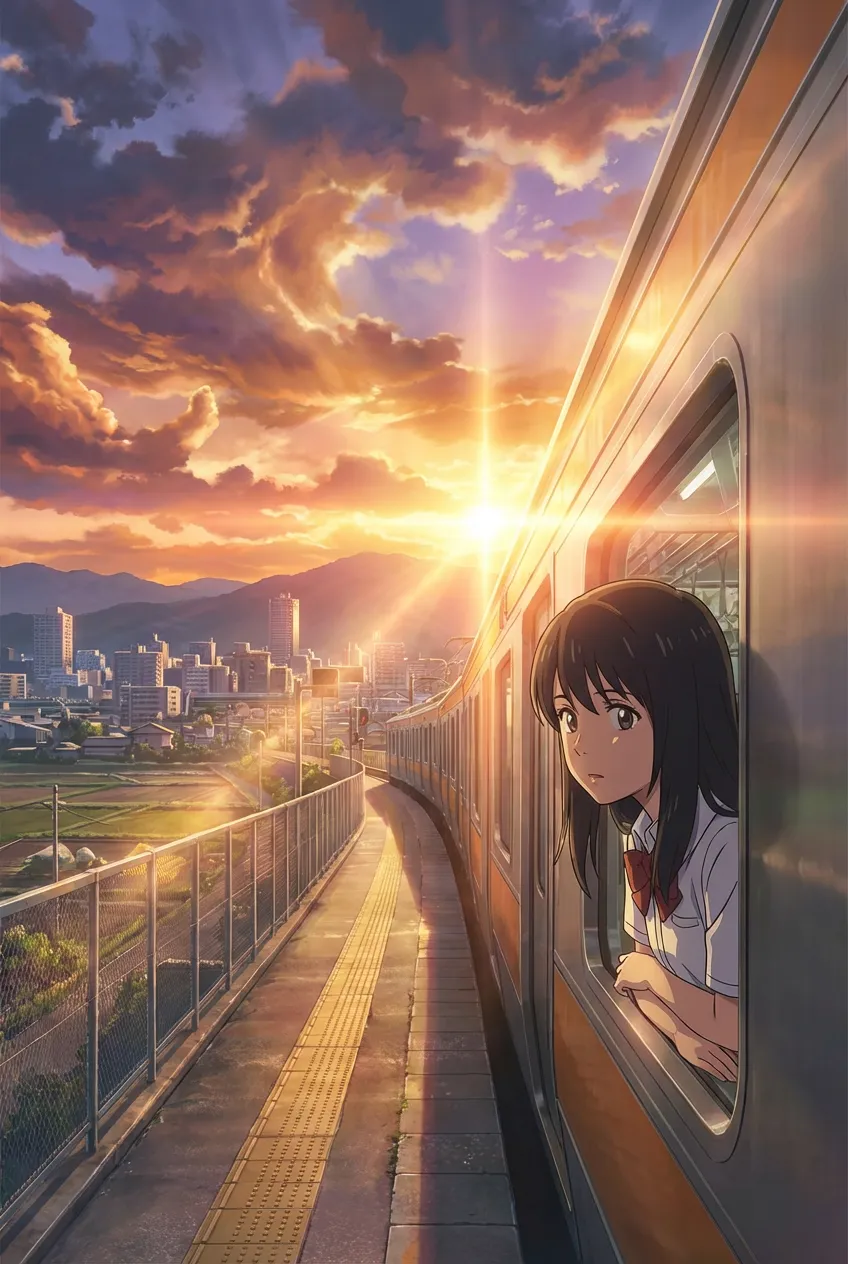
"makoto shinkai style key visual, two students at a suburban level crossing at golden hour, anamorphic lens flare, stratus-cloud volumetric sky, painted blue-to-orange gradient, cinematic wide shot"
Try this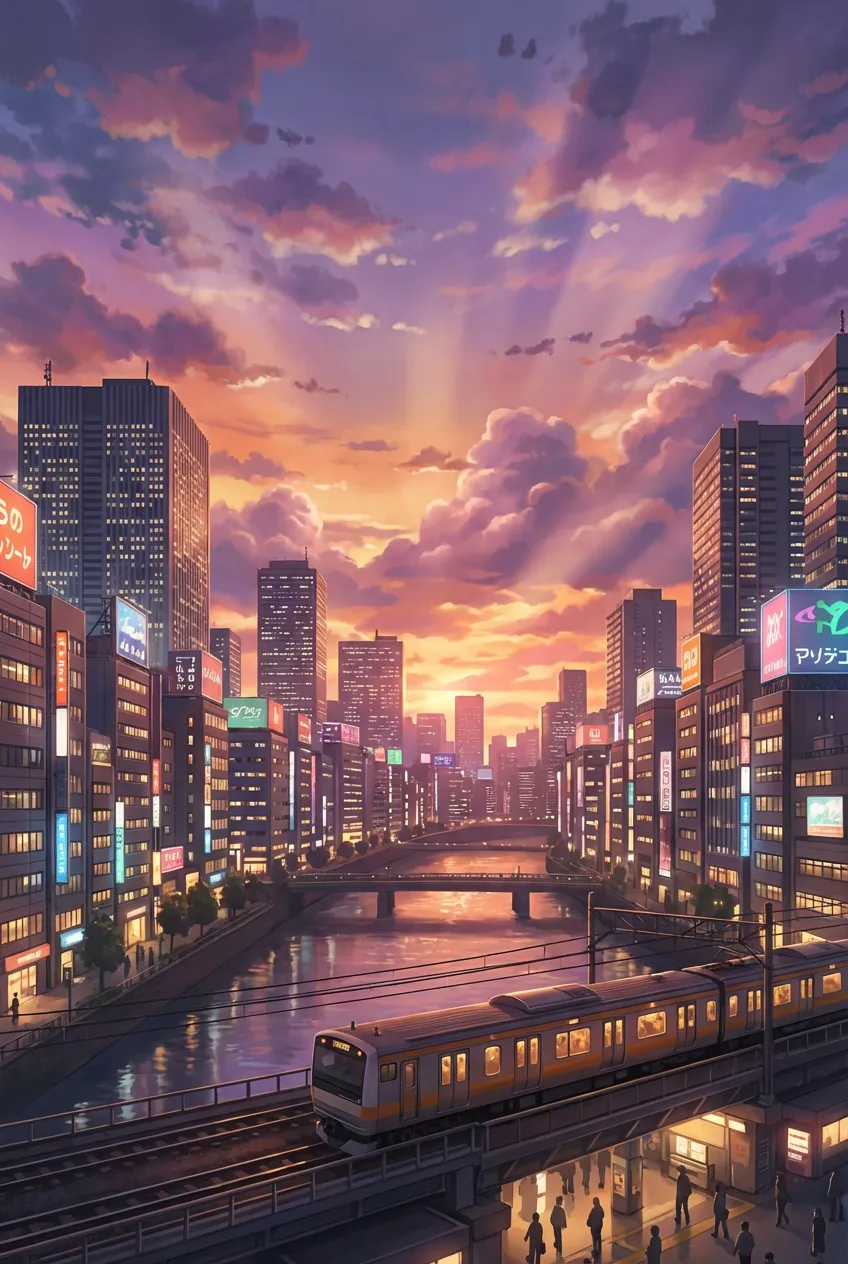
"Makoto Shinkai style, shinkai cinematic style, Tokyo cityscape at blue hour seen through a rain-streaked train window, step-printed train glass reflection of a girl, neon signs blooming through water, low horizon"
Try this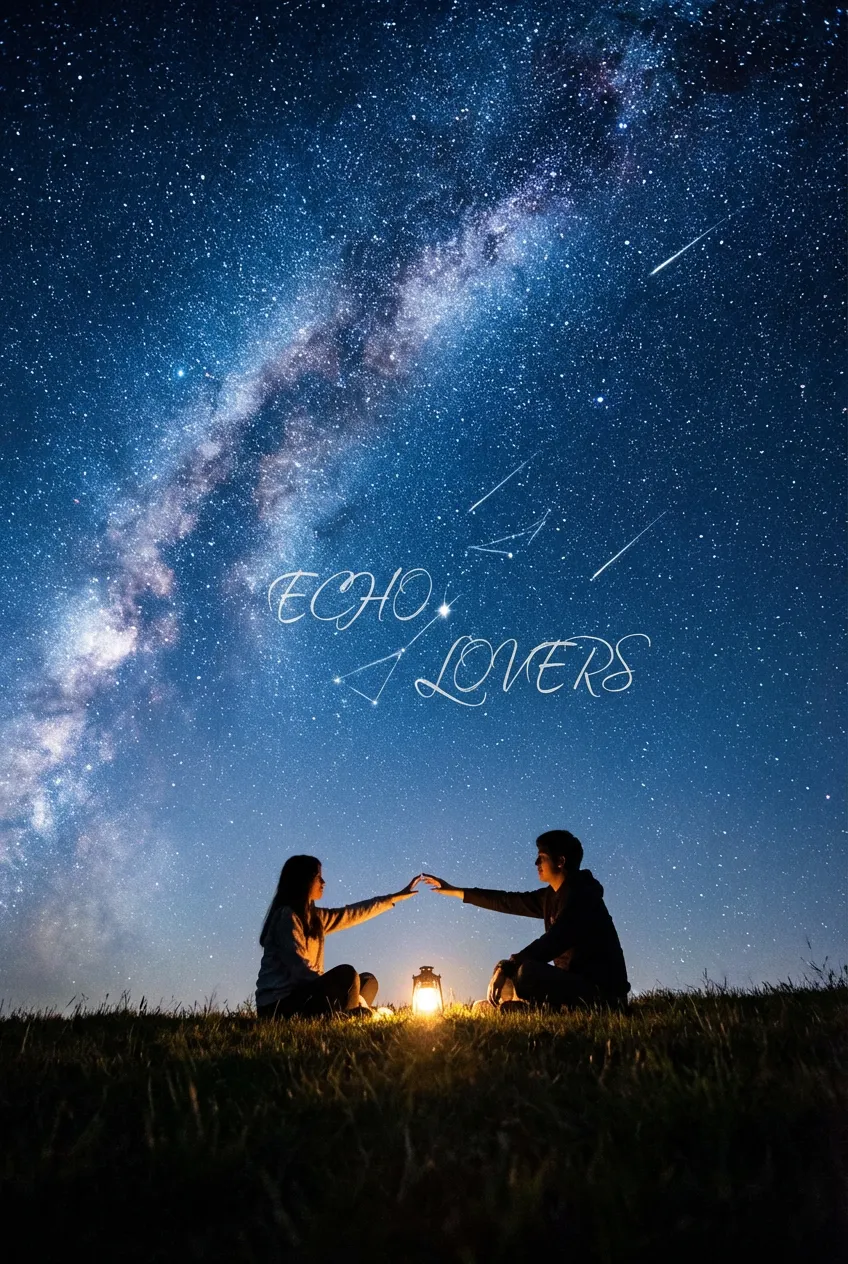
"makoto shinkai style, school rooftop after rain, single boy looking up at a meteor streak above stratus clouds, crepuscular rays breaking through, saturated dusk palette, painterly key visual"
Try thisMake your own Makoto Shinkai style art
Type a prompt below, or tap a starter to begin.
Generate a Makoto Shinkai scene
Type a scene below and press Generate.
Why choose Anifusion?
Near-photographic backgrounds
Dense Tokyo cityscapes, suburban level crossings, classroom rooftops, and Yotsuya-style station platforms rendered at near-photographic detail.
Stratus-cloud volumetric skies
Layered stratus and cumulus formations with realistic light scattering through water vapor, painted as a foreground subject rather than a backdrop.
Anamorphic lens flare
Cinematic blue and gold flare streaks across the frame, plus rail-crossing crepuscular rays that cut through dust and rain.
Train and crossing scenes
Step-printed train glass reflections, level crossing barriers, and platform two-shots: the location vocabulary the Shinkai style is built on.
Bittersweet two-shots
Quiet two-character framing with the figures often spaced apart and looking at the sky, letting weather and light carry the emotion.
Blue-to-orange grading
Saturated cinematic color grading: deep blues in shadows, warm orange in highlights, and a single dominant light source per frame.
Create in 3 easy steps
Write your prompt
Describe your vision for Makoto Shinkai style in plain language.
Refine settings
Tune the aspect ratio and style strength to your liking.
Generate and enjoy
Click generate and watch your masterpiece come to life in seconds.
Related styles
Discover more artistic directions you might love
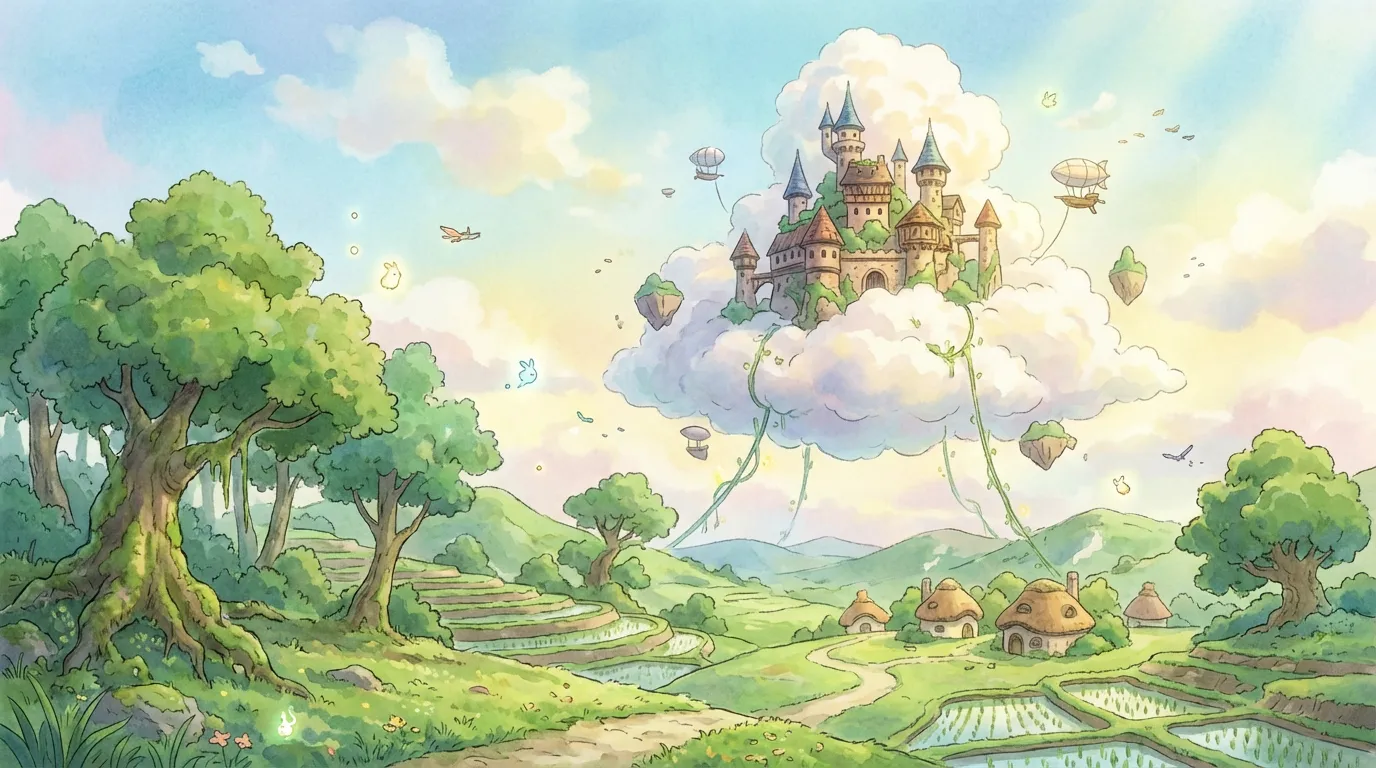
Studio Ghibli style
Studio Ghibli style pairs hand-painted watercolor backgrounds with gentle, expressive characters and a calm pastoral mood. It suits forest scenes, cozy interiors, sky vistas, and quiet character moments inspired by Miyazaki's filmography.
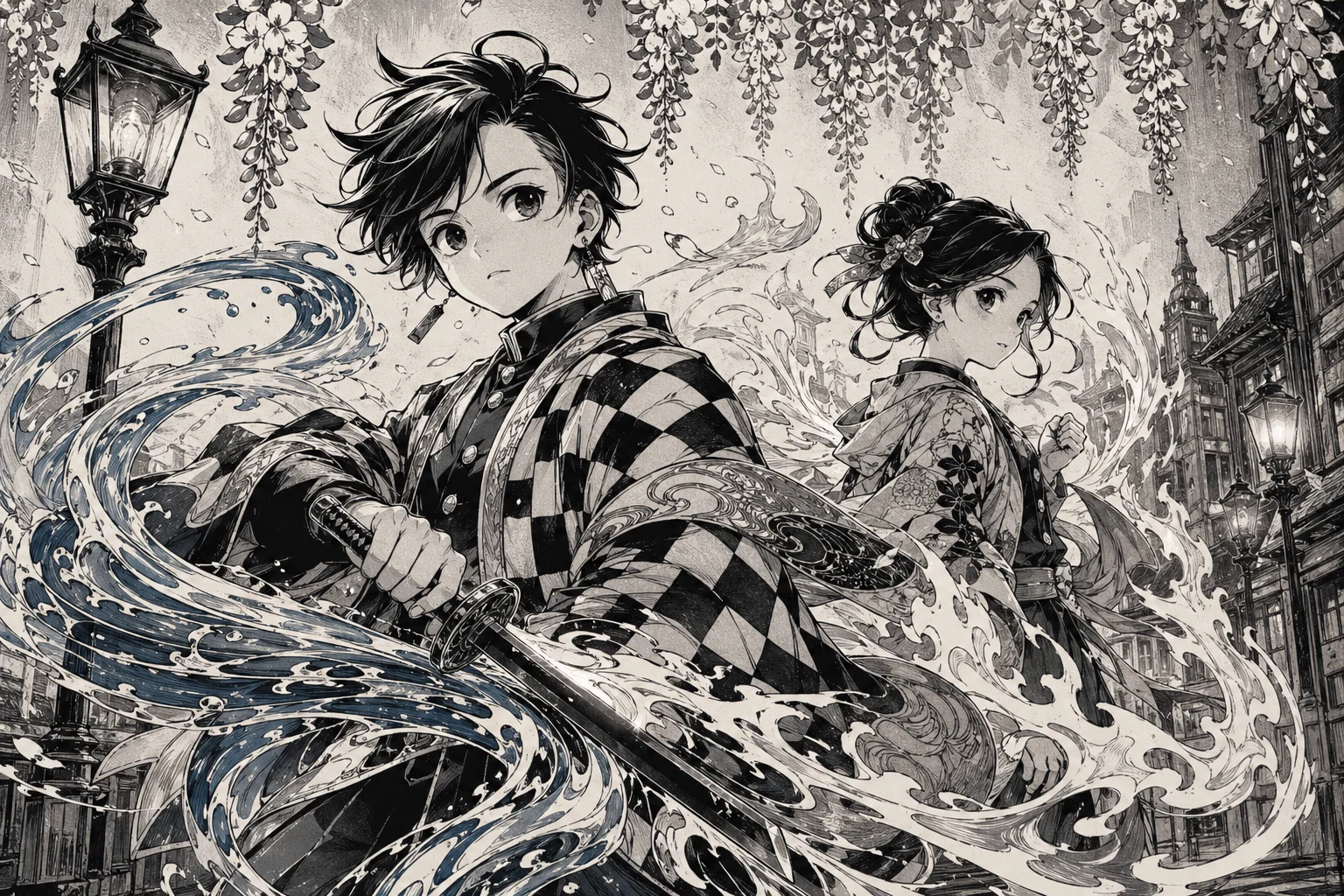
Demon Slayer style
Demon Slayer style pairs Koyoharu Gotouge's soft Taisho-era character design with ufotable particle effects, ink-wash breathing forms, and Hashira haori patterns. It suits original Demon Slayer Corps OCs, moonlit forest battles, and pattern-rich character key visuals.
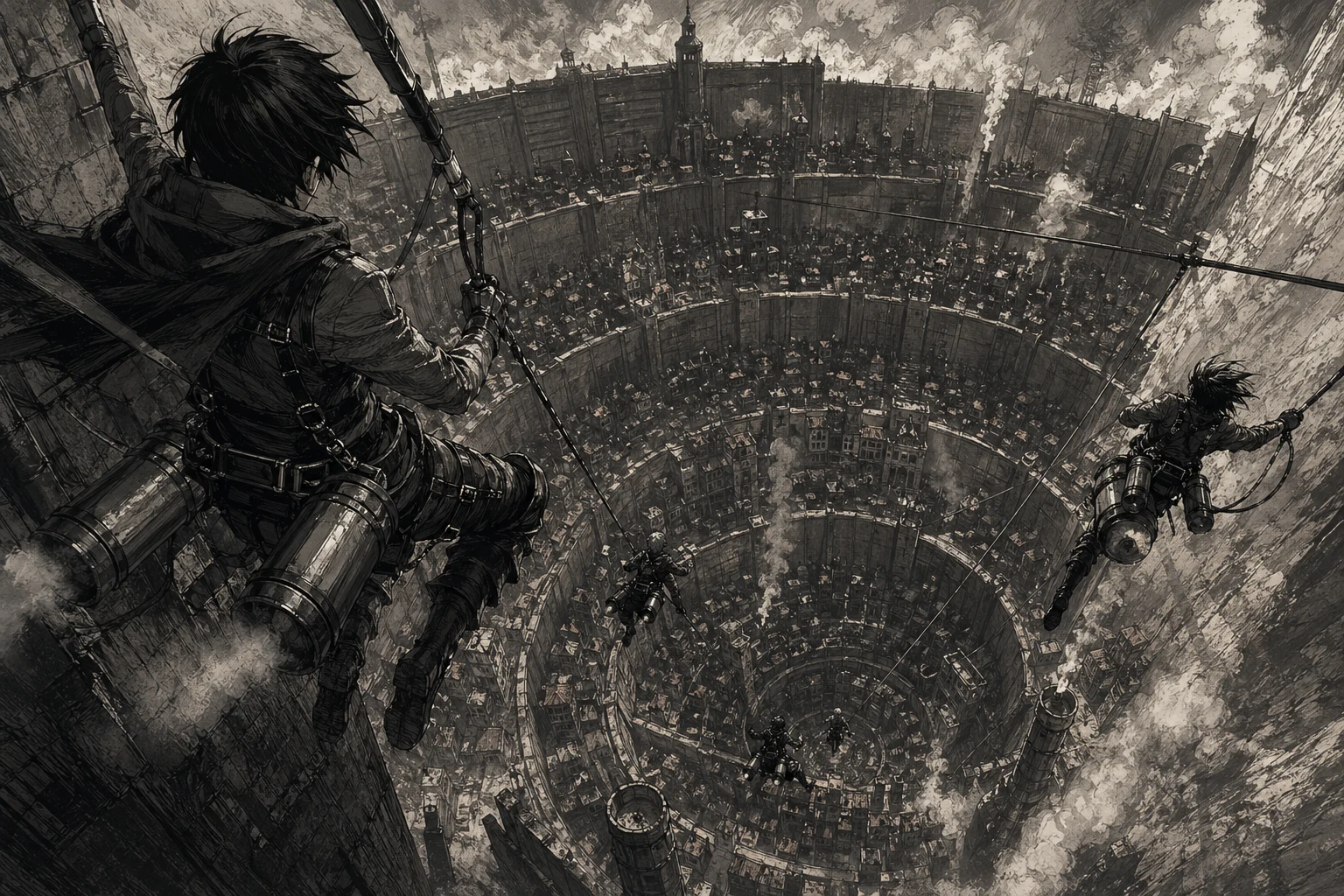
Attack on Titan style
Attack on Titan style pairs Isayama jagged ink lines and dense crosshatch with ODM gear cable trails, ruined Wall Maria perspective, and pure scale dread. It suits Survey Corps OCs, vertical-action chase panels, and walled-city establishing shots.
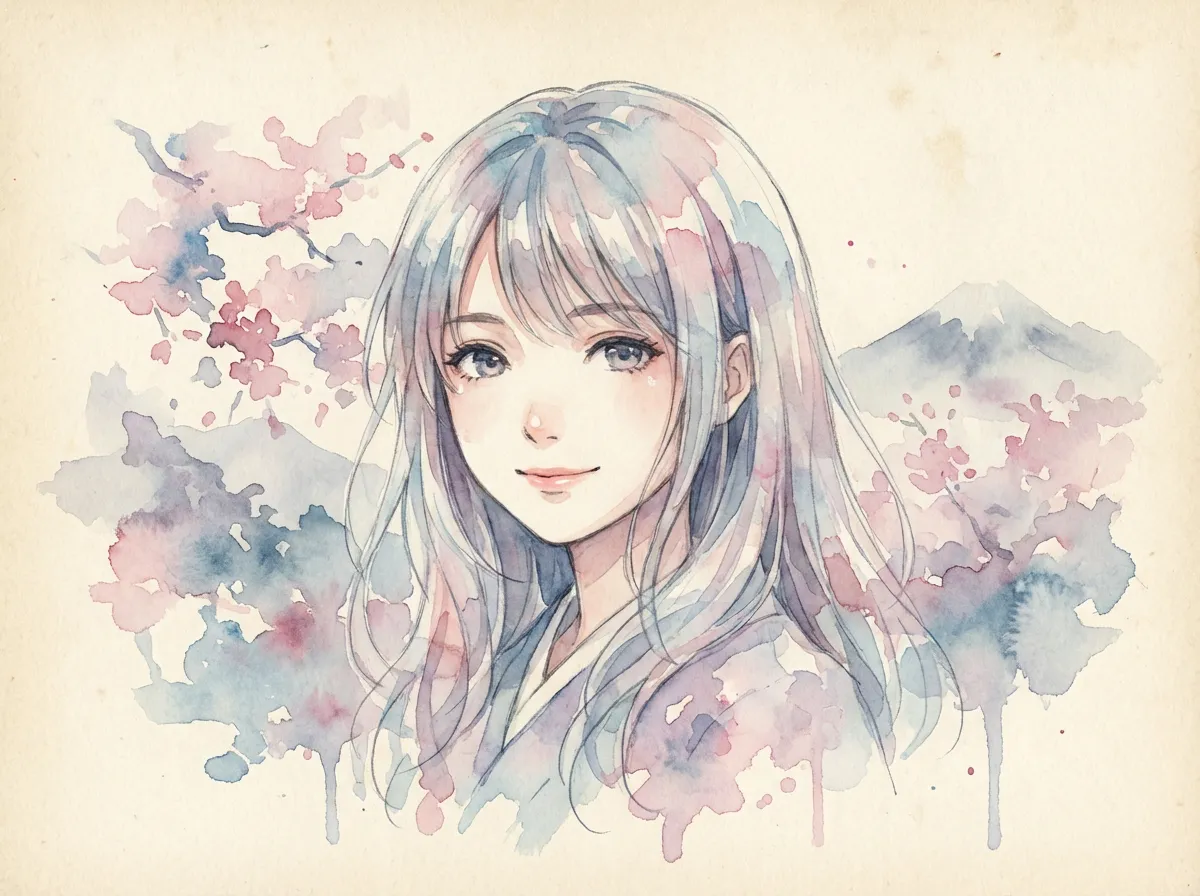
Watercolor anime style
Watercolor anime style is a painted illustration look defined by wet-on-wet color bleed, salt-grain texture, paper tooth showthrough, and a soft ink line laid over the washes. It suits seasonal portraits, quiet character covers, novel jacket art, and atmospheric landscape stills.
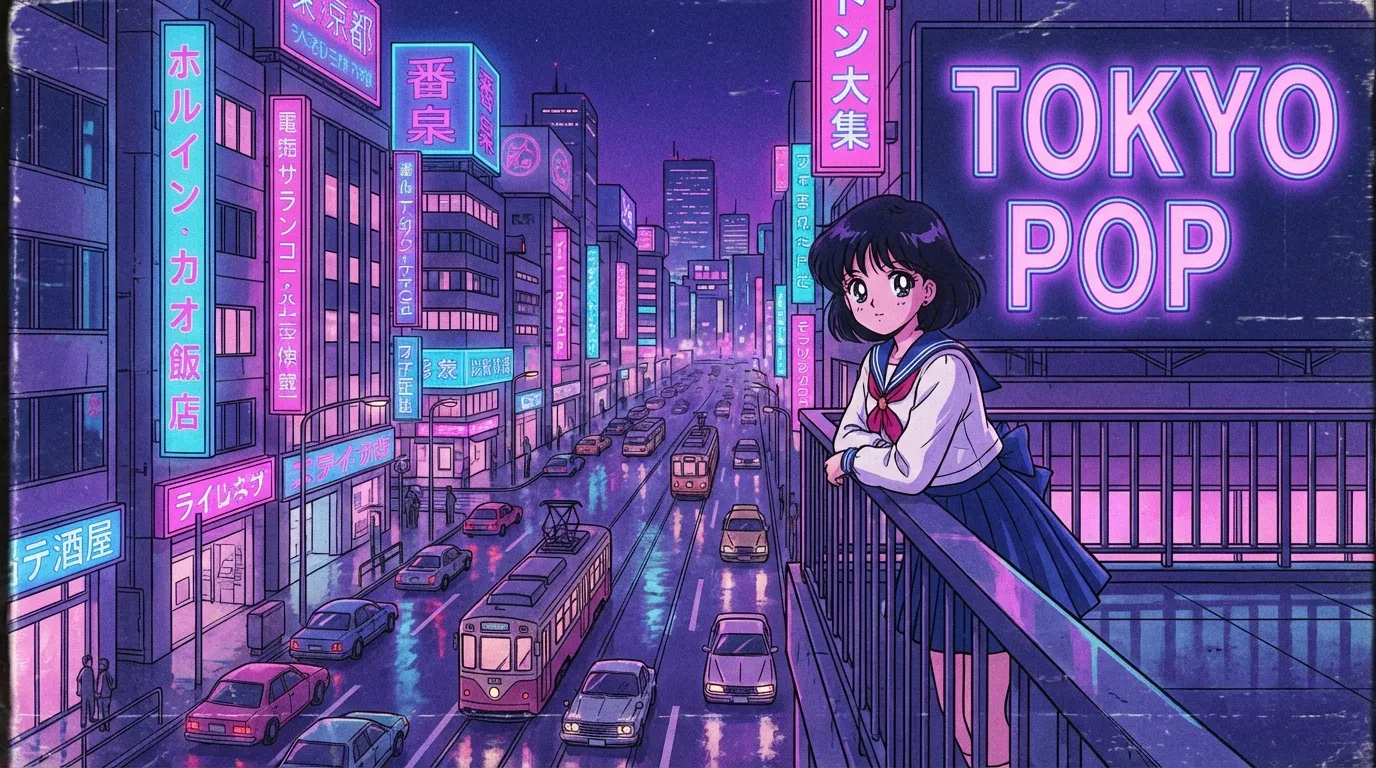
90s anime style
90s anime style pairs cel-painted limited palettes with OAV film grain, chunk highlights on hair, and Akira-era heavy line weight. It suits magical girl key visuals, mecha cockpit shots, and Bebop-style adult action stills.
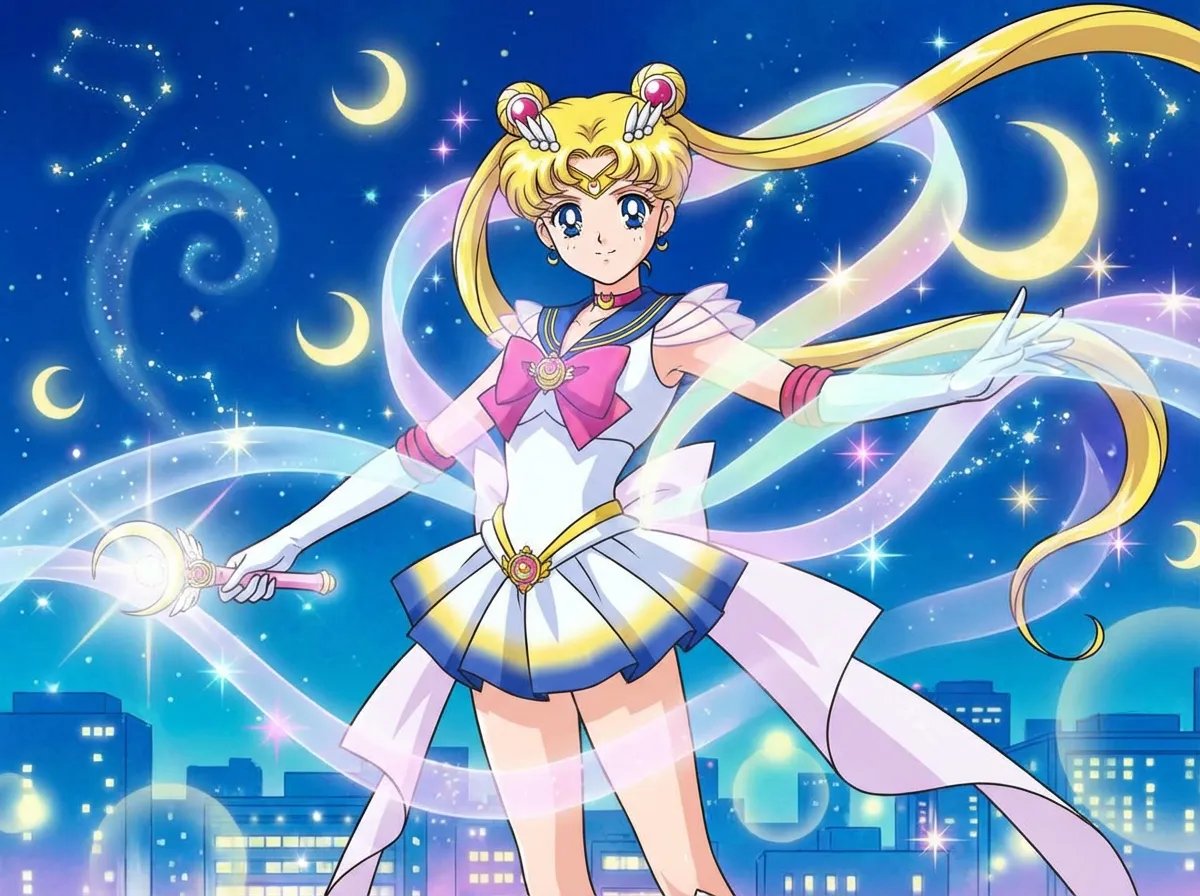
Sailor Moon style
Sailor Moon style is a 90s shoujo magical-girl look defined by Naoko Takeuchi planar shading, transformation ribbon overlays, sailor fuku silhouettes, and Crystal Tokyo skylines. It suits original sailor senshi designs, transformation pose key art, and shoujo cover panels.
Frequently asked questions
Prompt tips, rights, and workflow. Sign up free to generate in this look today.
Generate a Makoto Shinkai scene
Type a scene below and press Generate.
What defines the Makoto Shinkai look?
Three things: near-photographic background detail, stratus-cloud skies that act like a character, and saturated blue-to-orange color grading lit by a single dominant source. On top of that sit recognizable Shinkai locations (suburban level crossings, Yotsuya-style stations, classroom rooftops) and quiet two-shot framing where weather and light carry more weight than dialogue.
How do I prompt the Shinkai sky and lens flare?
Use 'stratus-cloud volumetric sky', 'anamorphic lens flare', and 'crepuscular rays through clouds' as hard requests. Pin the time of day (golden hour, blue hour, post-rain dusk) so the model commits to one direction of light instead of averaging into flat noon. If you want the train-glass reflection trick, add 'step-printed train glass reflection' and place the camera inside the carriage.
Are characters drawn the same way as the backgrounds?
No, this is a deliberate gap. Backgrounds tend toward photoreal detail, while characters keep mainline anime proportions with layered hair and reflective eyes. That contrast is part of why the Shinkai style reads as cinematic: the figures look hand-drawn against an environment that looks observed. If you push the character art too realistic, the frame loses the Shinkai feeling and starts to look like a CG render.
What scenes work best in this style?
Anything that lets the sky and architecture do half the work: train platforms at golden hour, rooftop two-shots before a storm, level crossings at dusk, classroom windows in summer, fireworks over a distant suburb, and meteor or rain scenes. Action posters and tight close-ups fight the style, because the Shinkai look is built around space, distance, and one quiet character moment inside a bigger frame.
How do I get the bittersweet emotional tone?
Place characters small in the frame, separate them physically (across a platform, across a street, on opposite sides of a level crossing barrier), and let weather do the talking: drifting snow, summer rain, falling petals, or a meteor trail. Pair this with golden or blue hour lighting and a low horizon line. Avoid grinning poses and high-saturation backgrounds, since both undercut the quiet longing the style depends on.
Which Anifusion model is best for Shinkai style art?
Flux Dev is the default on this page because it handles dense urban detail, soft cloud volumetrics, and saturated grading without flattening the highlights. SDXL anime models can also produce a Shinkai look, but they tend to over-sharpen the foliage and lose the painterly cloud texture. Start with Flux Dev, raise the sampling steps if the sky looks noisy, and lower CFG slightly if the colors clip.
Can I use Shinkai style art commercially?
Anifusion grants you full commercial rights to images you generate, including Shinkai style outputs. The visual language (stratus skies, lens flare, level crossings) is a stylistic vocabulary and is not protected, but specific characters and titles such as Mitsuha, Taki, or Tenki no Ko are. Build your work around original characters and original locations to keep client and merchandise use safe.
Start creating Makoto Shinkai style art today
Join 130,000+ creators and bring your imagination to life with 100 free credits.