Generate Sword Art Online style art with AI
Aincrad floating castle layouts, VR HUD inventory overlays, neon avatar trails, skill-name overlay tags, and polygon dissolve effects for original VRMMO duels, guild key art, and player-avatar portraits.
Franchise, studio, and character references describe style or mood only, not a license, sponsorship, endorsement, or affiliation. You are responsible for your prompts and outputs. As-is, no warranty of non-infringement (not legal advice). For DMCA, copyright, or trademark issues, use our Contact page.
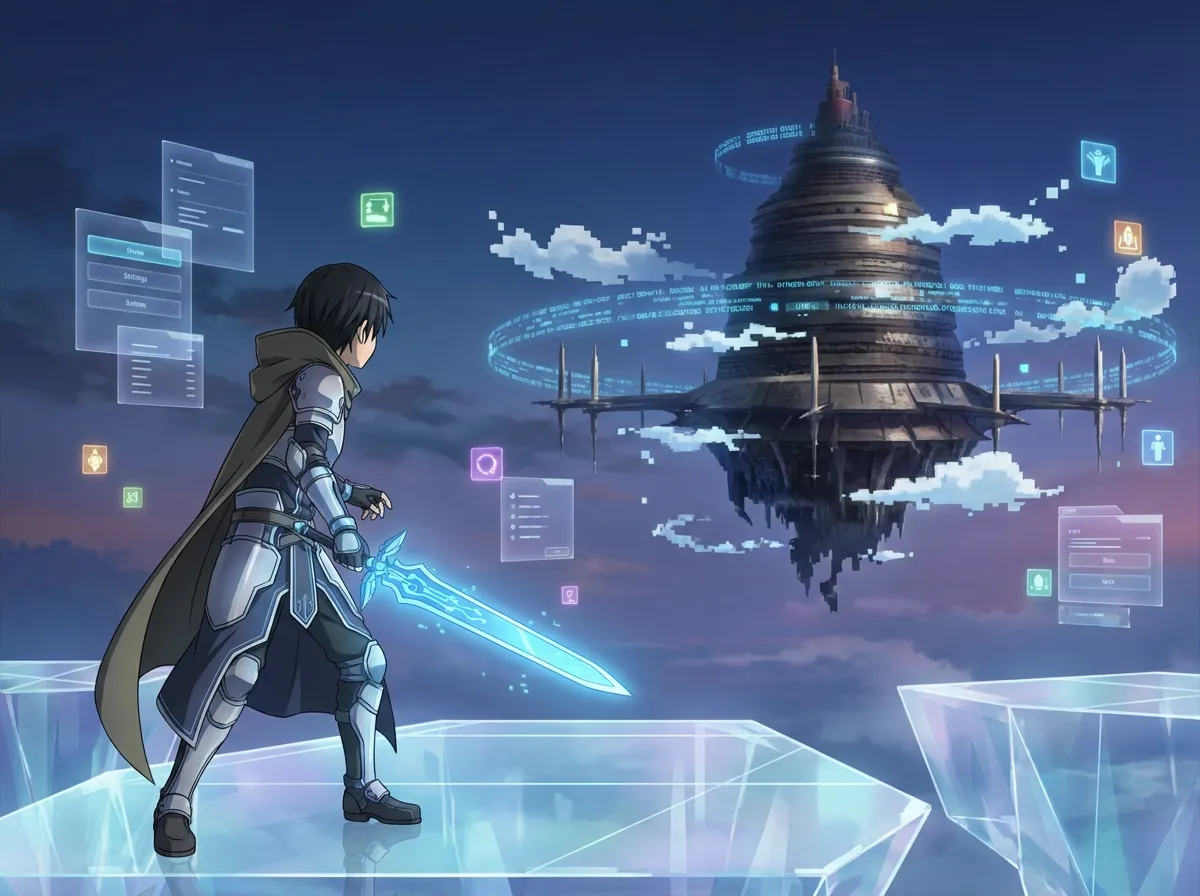
Generate a Sword Art Online scene
Type a scene below and press Generate.
About Sword Art Online style
Sword Art Online style is the VRMMO action-anime look defined by Aincrad floating castle layouts, VR HUD inventory overlays, neon avatar trails, and skill-name overlay tags. It suits original player-avatar portraits, dual-wielding fight key art, and Aincrad-floor guild scenes.
Sword Art Online style is the visual identity A-1 Pictures built across the anime adaptation of Reki Kawahara's light-novel franchise: the original SAO arc (2012), Alfheim Online (2012), Gun Gale Online (2014), Mother's Rosario (2014), and the multi-cour Alicization run (2018 to 2020). What makes SAO art recognizable is not just 'anime in a video game'; it is the explicit way the show treats game systems as part of the rendered image. The HUD is diegetic, the menu is part of the world, and a player's death is animated as a literal polygon dissolve. Once you start naming those mechanics in a prompt, the style stops feeling like generic isekai and locks into SAO.
Six elements carry the look. First, the Aincrad floating castle layout: stacked circular floors visible through cloud breaks, narrow exterior stairways winding around a central tower, the world-as-tower architecture that defined the first arc and still anchors any SAO key art. Second, the VR HUD inventory overlay: translucent menu cards floating beside the avatar, item slot grid in blue-on-white system text, the diegetic UI that signals the figure is inside a VRMMO and not just wearing fantasy armor. Third, the neon avatar trail: a single-color motion trail behind a swung blade or a sprinting avatar, which doubles as the player's weapon-color signature (Kirito's black-into-blue, Asuna's white-into-rose, Sinon's mint-into-cyan). Fourth, the skill-name overlay tag: a text label snapping to the side of an attacking avatar in monospaced sans, the diegetic skill-system feedback loop that turns 'attack' into 'Vorpal Strike'. Fifth, the polygon dissolve effect: an avatar shattering into rising blue cubes after a fatal hit, the canonical SAO death animation, also reused as a stylized character-vanish for dramatic shots. Sixth, the color-coded guild silhouette: party and guild members share a guild-color cloak or pauldron stripe, so a five-person fan-formation reads instantly as a team in a wide shot.
To prompt for the SAO style on Anifusion, lead with 'sword art online style', 'a-1 pictures vrmmo anime style', or 'aincrad floating castle key art', then specify the avatar archetype ('original dual-wielding swordsman avatar in dark coat with red-trim chestplate', 'original rapier-class fencer avatar in white-and-rose tunic', 'original sniper avatar in mint-and-cyan combat gear with anti-materiel rifle'), one diegetic system element ('neon avatar trail behind the swung blade in electric blue', 'VR HUD inventory overlay floating beside the avatar with blue-on-white system text', 'skill-name overlay tag in monospaced sans snapping to the side of the attack', 'polygon dissolve effect of an avatar shattering into rising blue cubes'), and a setting ('floating castle balcony with cloud-break sky behind', 'Aincrad floor town plaza with stacked circular tier visible above', 'Alfheim forest canopy with fairy-class flight trail'). Add 'A-1 Pictures cel shading, clean linework' and 'jewel-tone pastel-and-neon palette' to lock the look. The Sword Art Online style generator works for original player-avatar portraits, dual-wielding fight key art, and Aincrad-floor guild scenes rather than licensed character portraits.
Try Sword Art Online style generation
Try the look on your own prompt. Start from one of the examples below.
Example prompts
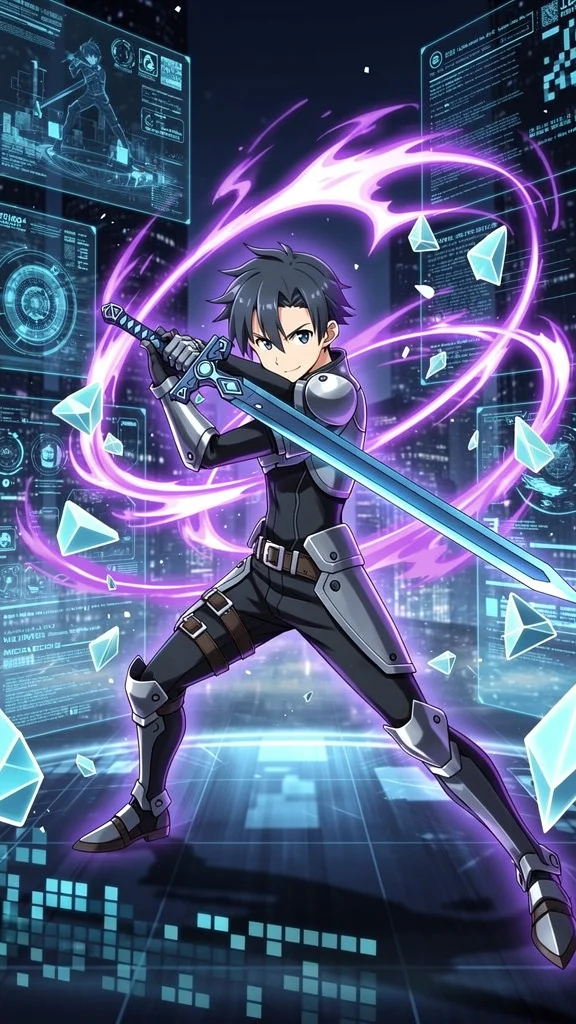
"sword art online style, original dual-wielding swordsman avatar in dark coat with red-trim chestplate on a floating castle balcony, neon blue avatar trail behind the swung blades, skill-name overlay tag in monospaced sans snapping to the side of the attack, Aincrad cloud-break sky behind, A-1 Pictures cel shading, clean linework"
Try this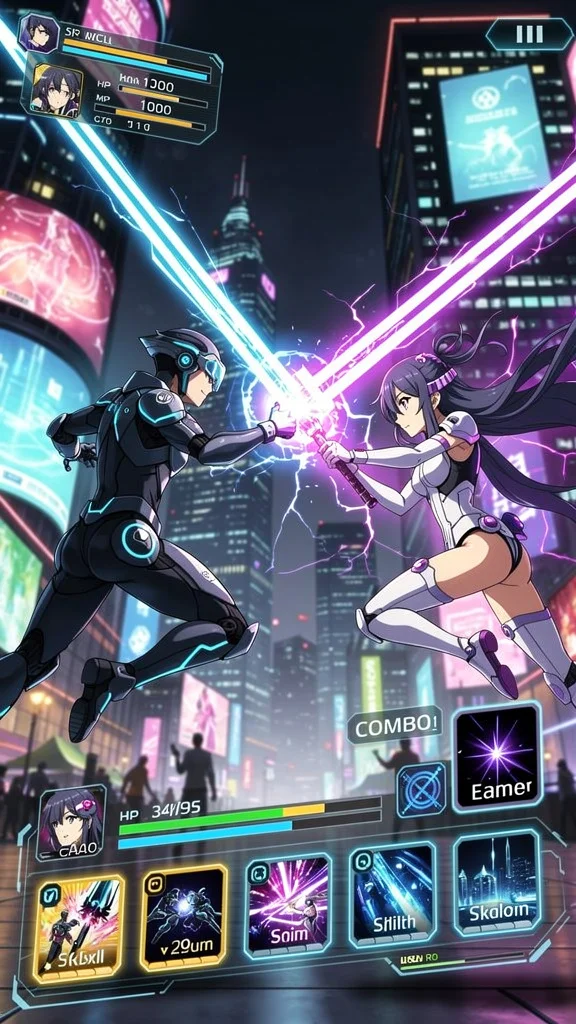
"Sword Art Online style, a-1 pictures vrmmo anime style duel scene, two original player avatars clashing on a circular Aincrad floor arena, dual neon avatar trails (electric blue versus violet), VR HUD inventory overlay floating between them with blue-on-white system text, polygon dissolve effect of rising blue cubes from the loser's shoulder, monospaced skill-name tags at the corners"
Try this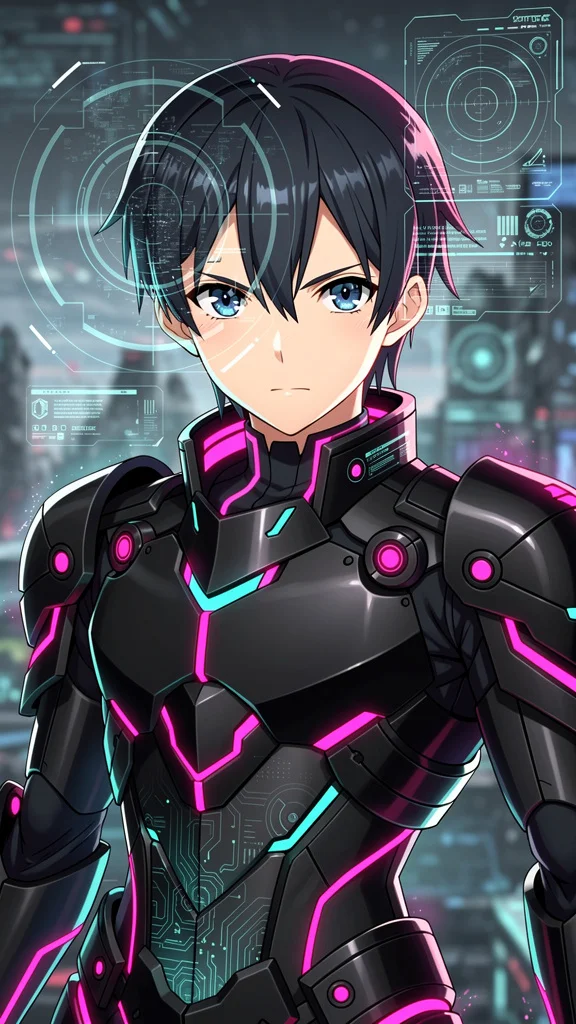
"Sword Art Online style, aincrad floating castle key art portrait, original rapier-class fencer avatar in white-and-rose tunic with detailed game-armor design, translucent VR HUD inventory overlay opened beside her, Aincrad floor town plaza in soft focus background with stacked circular tier visible above, color-coded guild stripe on the pauldron, jewel-tone pastel-and-neon palette"
Try thisMake your own Sword Art Online style art
Type a prompt below, or tap a starter to begin.
Generate a Sword Art Online scene
Type a scene below and press Generate.
Why choose Anifusion?
Aincrad floating castle layout
Stacked circular floors visible through cloud breaks, narrow exterior stairways winding around a central tower, the world-as-tower architecture that anchors any SAO key art.
VR HUD inventory overlay
Translucent menu cards floating beside the avatar, item slot grid in blue-on-white system text, the diegetic UI that signals the figure is inside a VRMMO.
Neon avatar trail
A single-color motion trail behind a swung blade or sprinting avatar, doubles as the player's weapon-color signature (black-into-blue, white-into-rose, mint-into-cyan).
Skill-name overlay tag
Text label snapping to the side of an attacking avatar in monospaced sans, the diegetic skill-system feedback that turns 'attack' into a named technique.
Polygon dissolve effect
Avatar shattering into rising blue cubes after a fatal hit, the canonical SAO death animation, also reused as a stylized character-vanish for dramatic shots.
Color-coded guild silhouette
Party and guild members share a guild-color cloak or pauldron stripe, so a five-person fan-formation reads instantly as a team in a wide shot.
Create in 3 easy steps
Write your prompt
Describe your vision for Sword Art Online style in plain language.
Refine settings
Tune the aspect ratio and style strength to your liking.
Generate and enjoy
Click generate and watch your masterpiece come to life in seconds.
Related styles
Discover more artistic directions you might love
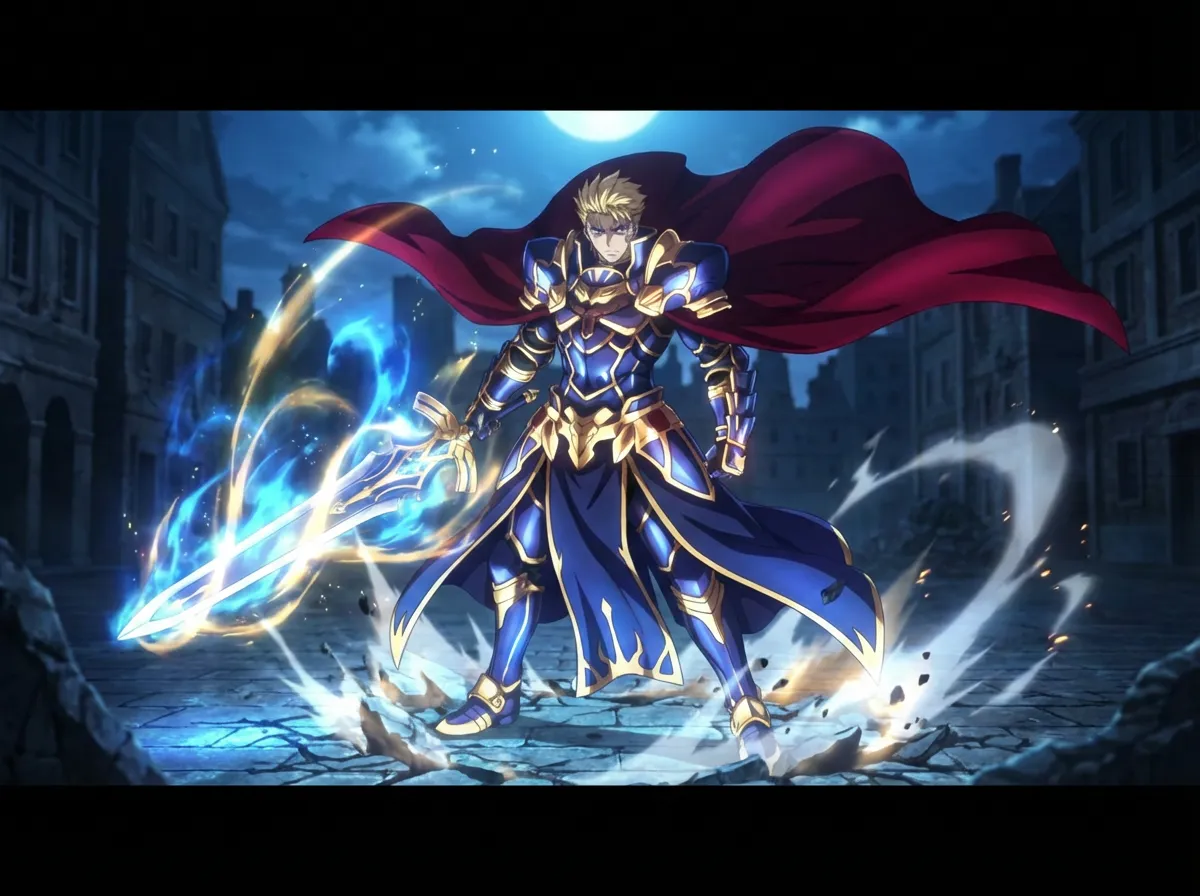
Fate series style
Fate Series style is the Type-Moon Holy Grail War look defined by ufotable golden particle bloom, Saber-style polished armor reflection, command seal hand motifs, and Holy Grail chalice glow. It suits original servant designs, Grail War key art, and ritual magic-circle character covers.
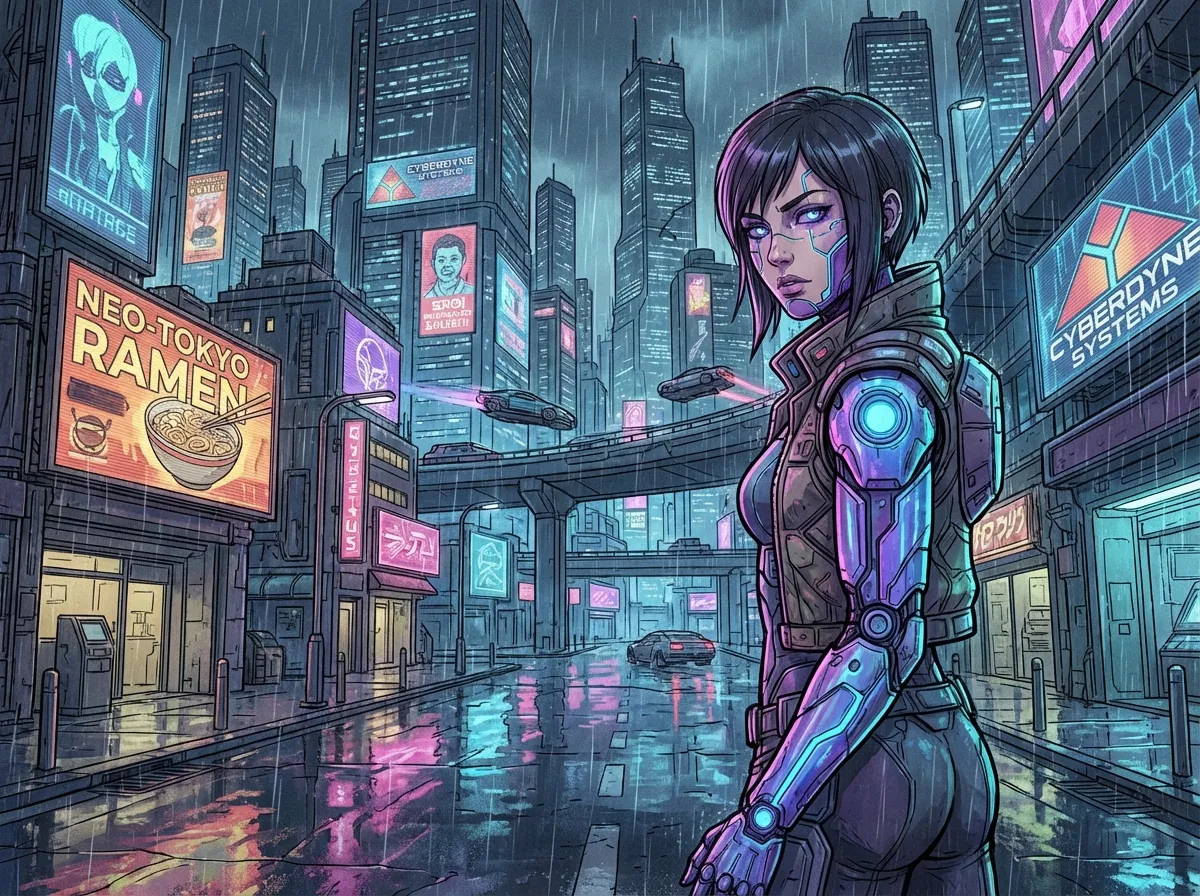
Cyberpunk anime style
Cyberpunk anime style is a Neo Tokyo dystopian look defined by neon Kowloon rooftops, Akira-style motorcycle smear lines, holographic ad billboards, and chrome-and-cable cyberware on characters. It suits original netrunners, dystopian street stills, and bike-action key art.
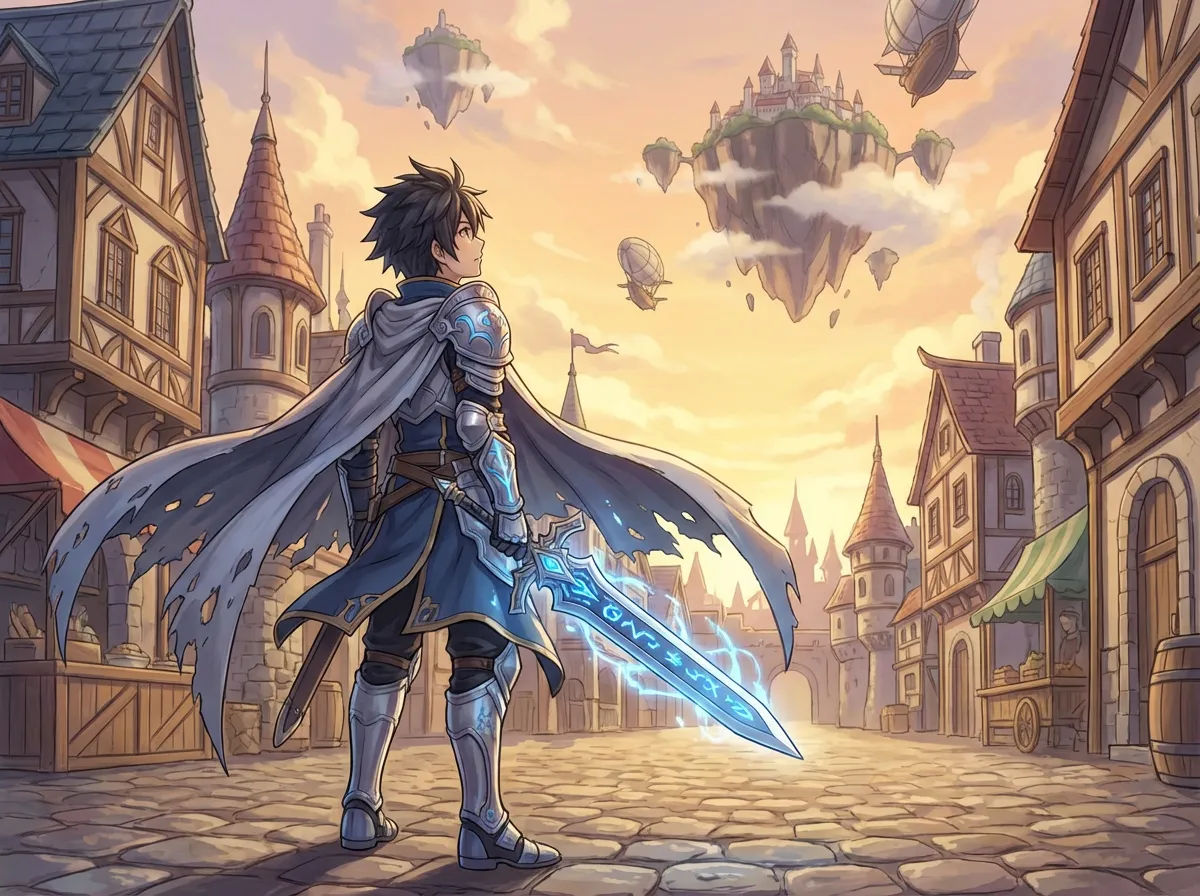
Isekai anime style
Isekai anime style is the modern light novel adaptation look defined by summoning circle compositions, RPG-stat HUD overlays, fantasy guild interiors, and adventurer party group shots. It suits original isekai protagonists, party covers, and dungeon-and-tavern key art.
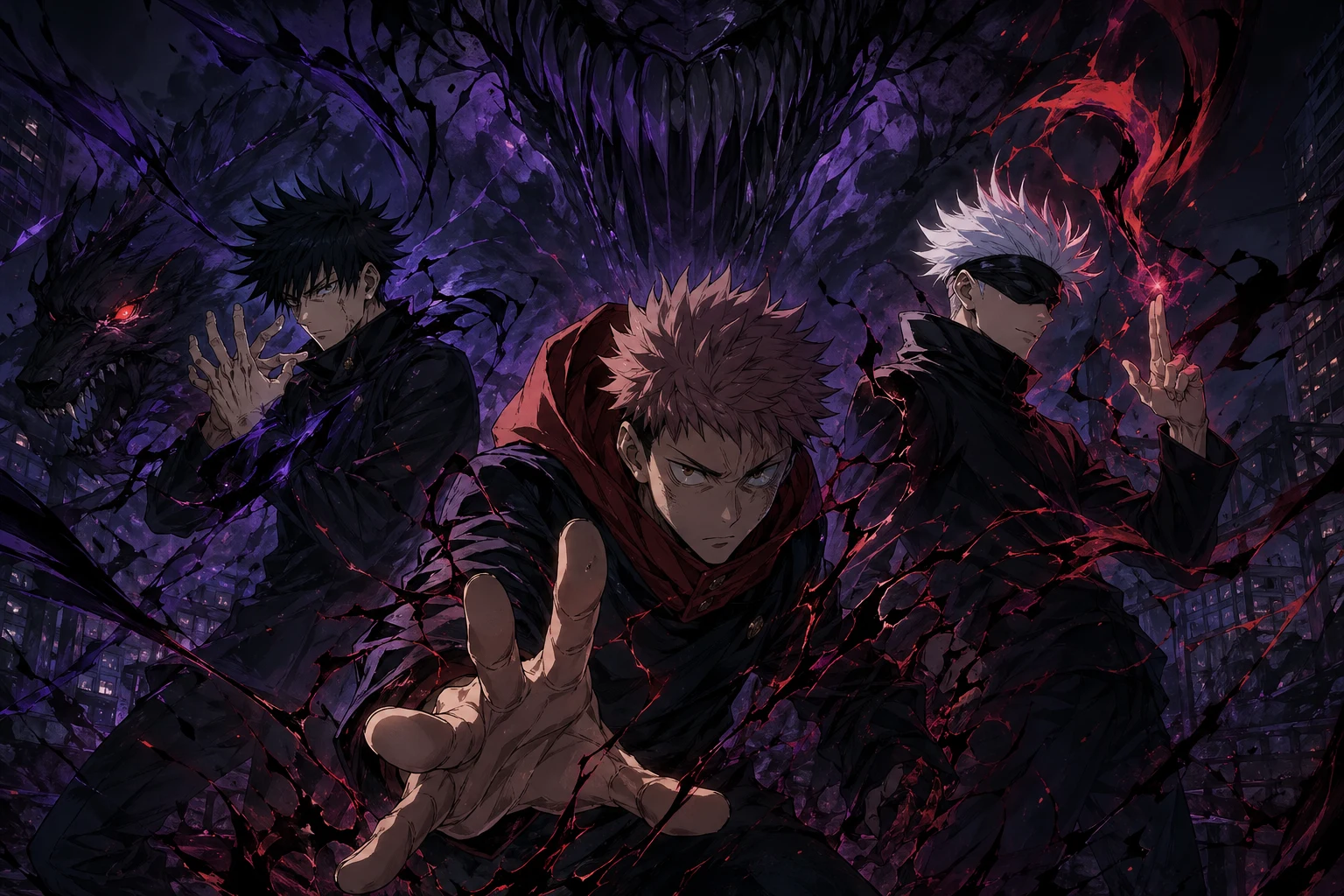
Jujutsu Kaisen style
A dark shonen look built on thick contour lines, heavy blacks, and fluid motion arcs when supernatural effects appear. It pairs modern cities with eerie, ritual space.
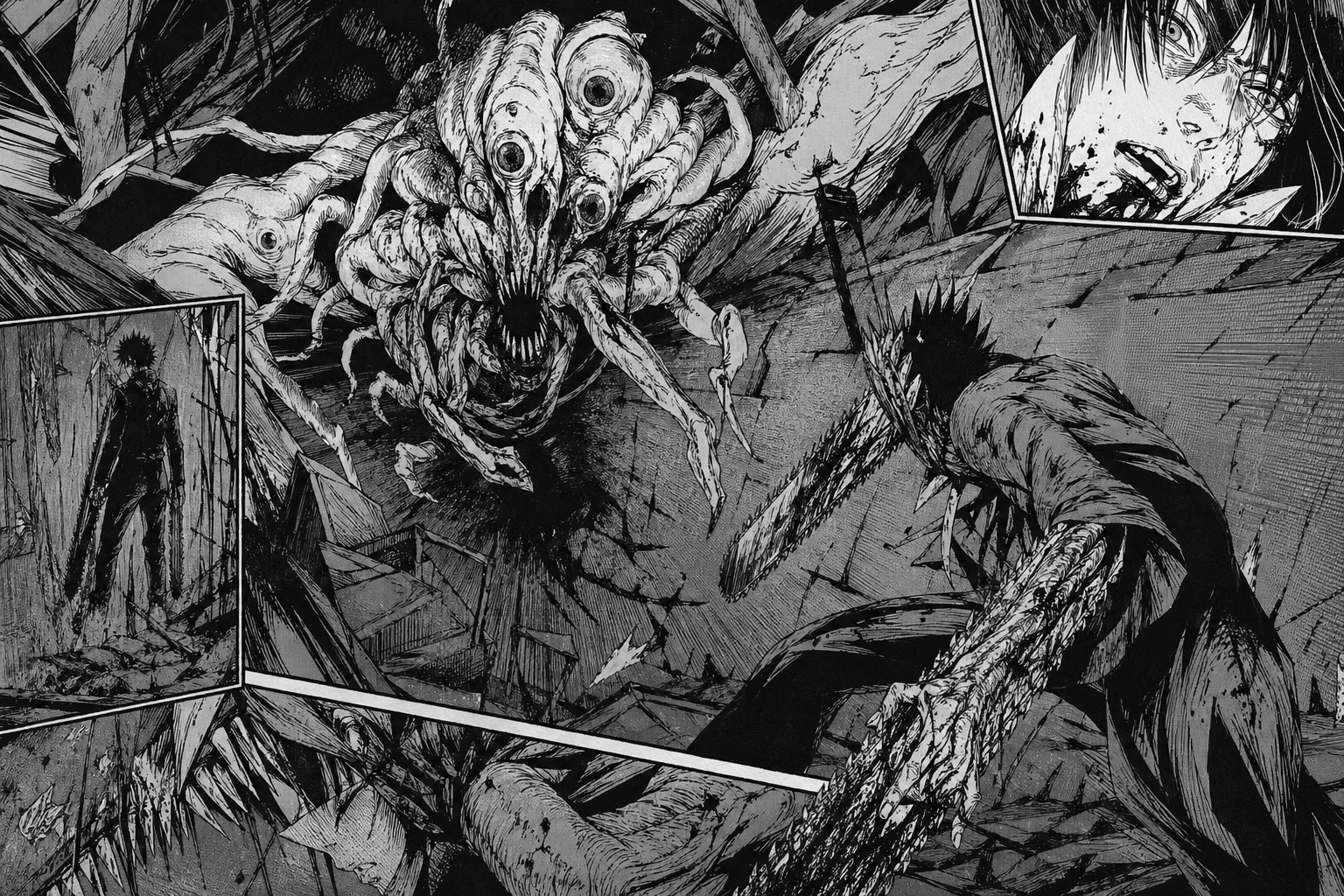
Chainsaw Man style
A manga-forward look: aggressive pen texture, erratic screentone, and page layouts that feel like they might tear.
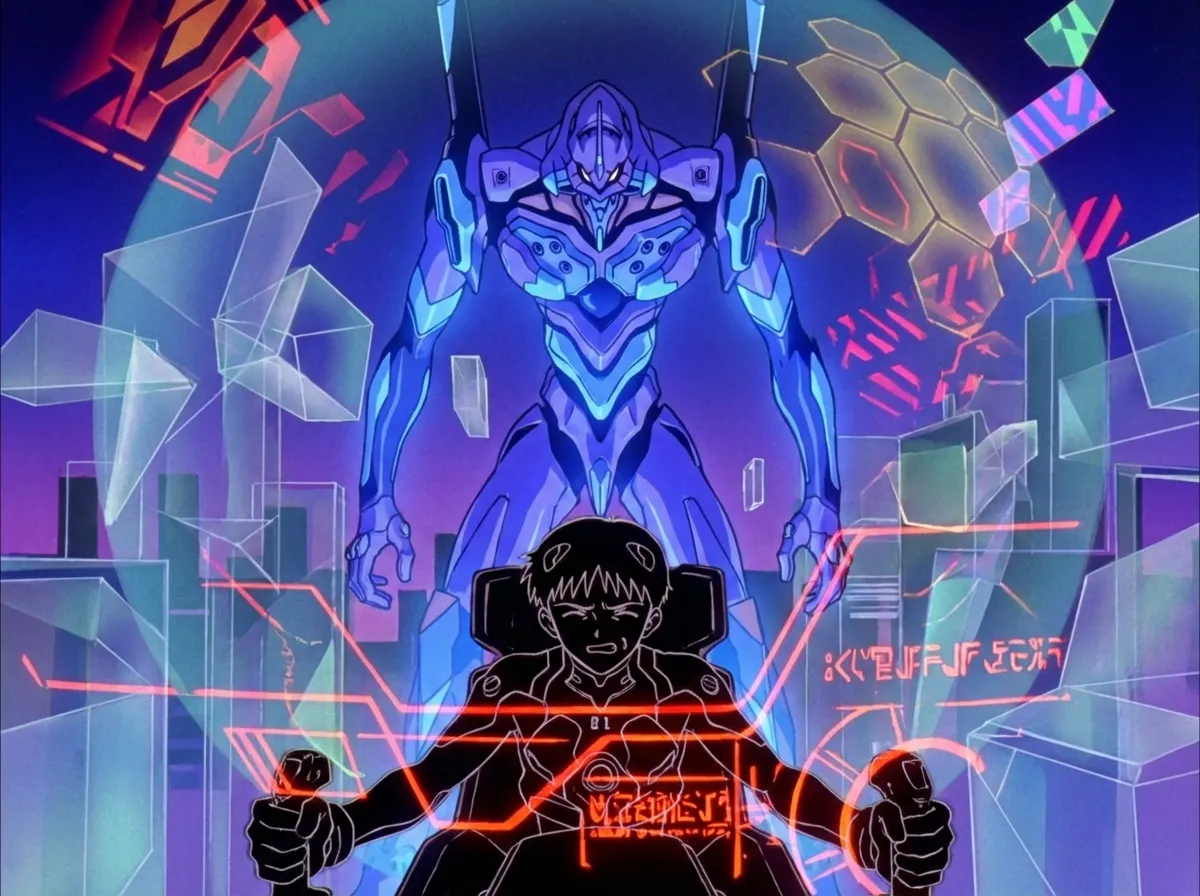
Neon Genesis Evangelion style
Evangelion style combines biomechanical EVA design, hexagonal AT-field effects, and the surreal religious imagery of Hideaki Anno's series. Use it for mecha key art, character pieces of pilots in plug suits, and the heavy, anxious mood that defines the franchise.
Frequently asked questions
Prompt tips, rights, and workflow. Sign up free to generate in this look today.
Generate a Sword Art Online scene
Type a scene below and press Generate.
What defines the Sword Art Online art style?
The thing that separates SAO from generic VR-fantasy anime is how openly it treats game systems as part of the picture. The HUD is diegetic. The menus float beside the avatar in blue-on-white system text. Skill names snap to the attack as monospaced overlay tags. Avatars die as a polygon dissolve into rising blue cubes. Drop those four mechanics into a prompt with an Aincrad floating castle backdrop and an A-1 Pictures cel-shaded character, and the look reads as SAO instead of generic isekai.
How do I prompt the diegetic VR HUD without it looking like a chrome overlay?
Treat the HUD as a translucent SAO menu plate, not as 'sci-fi UI'. Try 'VR HUD inventory overlay floating to the right of the avatar, translucent blue panel with thin white border, blue-on-white system text, item slot grid 4 by 5, level and HP bar at the top, no chrome, no holographic prism, no neon-circle frame'. The 'no chrome' part matters; without it, models default to a generic Iron Man-style heads-up display, which kills the SAO read.
How do I design original Aincrad-style settings without copying the show?
Keep the world-as-tower architecture and change everything else. Try 'original floating castle in the SAO grammar, twelve stacked circular floors visible through cloud breaks, narrow exterior stairways winding around a central spire, town plazas at the base of each tier, Aincrad cloud-break sky'. You can swap the biome of each floor (forest tier, desert tier, ice tier, glass-city tier) and the tier count without ever touching the canonical seventy-five-floor structure. The result feels like 'a tower-MMO' that lives in the SAO neighborhood instead of being a screenshot of it.
How do I keep the SAO style from drifting into generic isekai?
Anchor every prompt with at least two diegetic VR-system elements. Generic isekai gets you a hero in fantasy armor with a glowing weapon; SAO gets you that same hero with a VR HUD inventory overlay floating beside them, a skill-name overlay tag snapping to their attack, a neon avatar trail behind the swung blade, or a polygon dissolve effect on a defeated enemy in the background. The diegetic UI is the single most reliable separator; if you remove it, the prompt collapses back into generic isekai.
Can I generate guild group key art with multiple avatars?
Yes, and it suits the style, but stage it instead of just listing avatars. A fan formation with the guild leader front-center, two flanking front-line avatars, and two ranged or support avatars at the back reads cleanest. Match each avatar to a single guild-color stripe on the cloak or pauldron so the eye reads them by color block instead of by face. Three to five avatars works well; past five, faces and HUD overlays start crowding each other. Anchor the composition with an Aincrad floor town plaza or a cloud-break sky behind the group.
Can I use Sword Art Online style art commercially?
Anifusion grants you full commercial rights to images you generate. The VRMMO action-anime visual vocabulary (diegetic HUD overlays, neon avatar trails, polygon dissolve effects, color-coded guild silhouettes) is genre-level and not protected. But the SAO characters specifically (Kirito, Asuna, Sinon, Leafa, Yui, Eugeo, Alice) and the SAO trademarks (Aincrad as a named place, Vorpal Strike and other named sword skills, the Cardinal System) belong to Reki Kawahara, ASCII Media Works, and Aniplex. For client work, merch, and paid distribution, build with original player avatars, original guild names, original tower-MMO settings, and original sword-skill names.
Start creating Sword Art Online style art today
Join 130,000+ creators and bring your imagination to life with 100 free credits.