Psychological anime style: mind-game key art in AI
Fragmented mirrors, off-color palettes, asymmetric framing, and double-exposure faces. Build surreal psychological scenes that feel uneasy on purpose, not just dark.
Franchise, studio, and character references describe style or mood only, not a license, sponsorship, endorsement, or affiliation. You are responsible for your prompts and outputs. As-is, no warranty of non-infringement (not legal advice). For DMCA, copyright, or trademark issues, use our Contact page.
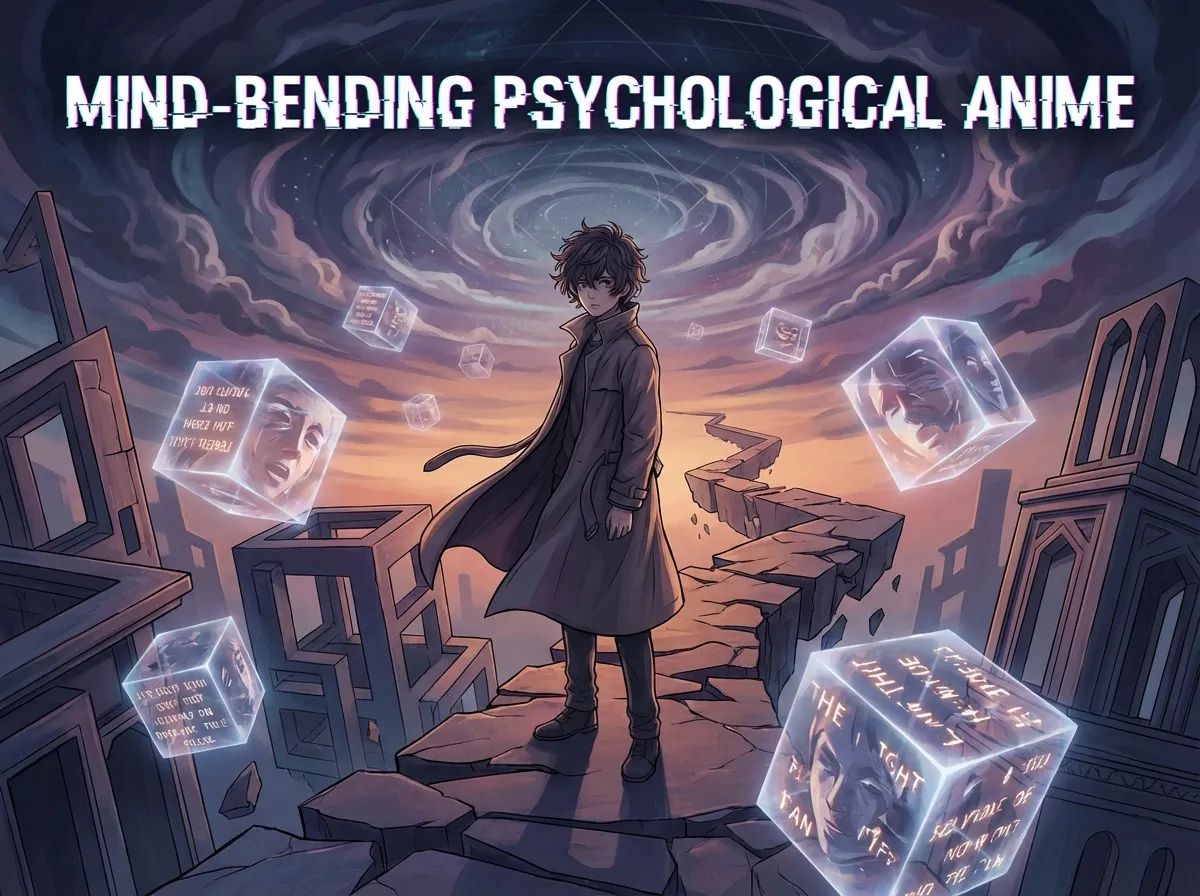
Generate a Psychological anime scene
Type a scene below and press Generate.
About Psychological anime style
Psychological anime style uses image, not exposition, to show what is going on inside a character. Fragmented mirrors, asymmetric framing, off-color palettes that read uneasy, and double-exposure faces are the core grammar. The look feels arthouse, slightly off, and intentionally hard to settle into.
Psychological anime style traces back to Steins;Gate, Ergo Proxy, Paranoia Agent, and Puella Magi Madoka Magica. The shared visual recipe is realistic character design wrapped in a frame that quietly refuses to behave. Mirrors break in the background, perspective tilts a few degrees off-true, the wall colors do not quite match the floor, and a second face bleeds through the first in a soft double exposure. Nothing in the image announces the genre; the unease comes from small wrongnesses stacked on top of each other.
For prompting, treat the discomfort as a list of concrete cues. Pick one mirror or reflective surface that is fractured or duplicated, one palette deviation (off-pink shadow, jaundiced highlight, magenta sky), one composition trick (low horizon, off-center subject, doorway crowding the frame), and one optical layer (double exposure, ghost reflection, smear of motion). Then describe the character normally. The contrast between an ordinary face and a misbehaving frame is what produces the psychological reading.
This style fits identity stories, time-loop narratives, dissociation and grief, mind-game thrillers, and arthouse mystery. Avoid filling the prompt with vague words like "surreal" or "trippy"; they tend to flatten into generic vapor wave or AI-art clutter. Instead lean on specific arthouse motifs: a blurred Polaroid in the foreground, a single flickering bulb in a long corridor, a clock with two minute hands, a hallway where the wallpaper pattern continues onto the floor. Each one carries narrative weight and reads as deliberate design rather than random noise.
Try Psychological anime style generation
Try the look on your own prompt. Start from one of the examples below.
Example prompts
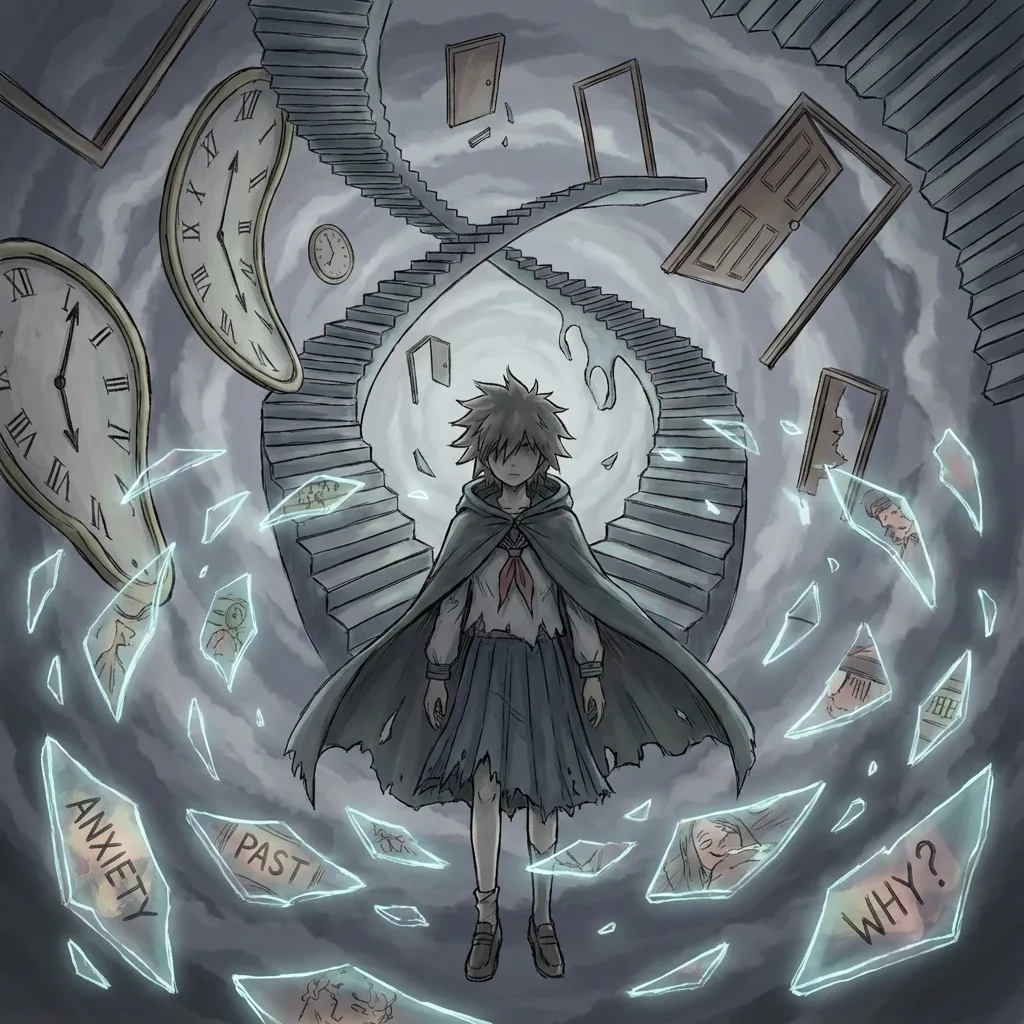
"psychological anime style, young woman in front of a fractured bathroom mirror, three reflections that do not quite align, pink shadow on the cheek, fluorescent light flicker, asymmetric framing, single open door behind her, no text"
Try this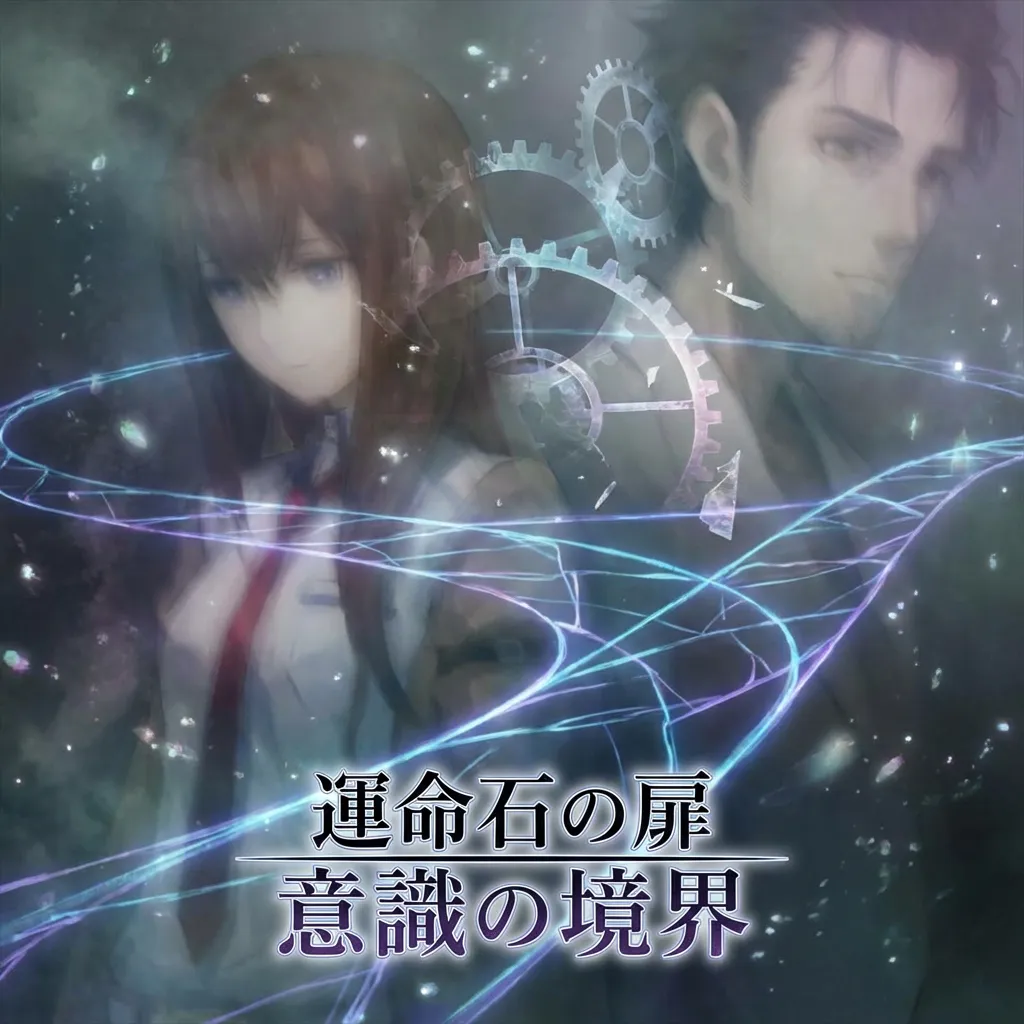
"Psychological anime style, steins gate inspired psychological scene, retro lab interior, CRT monitor glow on a tired face, double-exposure clock with two minute hands overlaid on the figure, off-color magenta sky through the window, asymmetric framing, no text"
Try this
"Psychological anime style, paranoia agent inspired hallway, identical numbered doors in a long row, wallpaper pattern continuing onto the floor, lone child holding a goldfish in a teacup, jaundiced highlight on the skin, off-tilt horizon, arthouse mood, no text"
Try thisMake your own Psychological anime style art
Type a prompt below, or tap a starter to begin.
Generate a Psychological anime scene
Type a scene below and press Generate.
Why choose Anifusion?
Off-tilt asymmetric frames
Compose with the horizon a few degrees off level, doorways crowding the edge, and the subject pushed off-center. A nearly-correct frame feels worse than an obviously wrong one.
Double-exposure character layers
Layer a second face, hand, or memory over the main subject as a soft semi-transparent overlay. Reads as memory, dissociation, or a self the character is trying to outrun.
Fragmented mirrors and reflections
Cracked mirrors, splintered glass tables, and reflections that do not quite match the original. A reliable shorthand for a fractured inner state.
Off-color shadow palettes
Pick one color that should not be there: a pink shadow, a green sky, a jaundiced highlight on the skin. One deliberate wrong color does more work than ten saturated ones.
Quiet surreal staging
Empty corridors, identical doors in a row, a hallway where the wallpaper pattern bleeds onto the floor, a phone booth in a wheat field. Spaces that almost work, but do not.
Symbolic props in plain sight
Place one object that asks to be read: a clock with two minute hands, a goldfish in a teacup, a chair facing the wall, a photograph with the face scratched out. Use one, not five.
Create in 3 easy steps
Write your prompt
Describe your vision for Psychological anime style in plain language.
Refine settings
Tune the aspect ratio and style strength to your liking.
Generate and enjoy
Click generate and watch your masterpiece come to life in seconds.
Related styles
Discover more artistic directions you might love
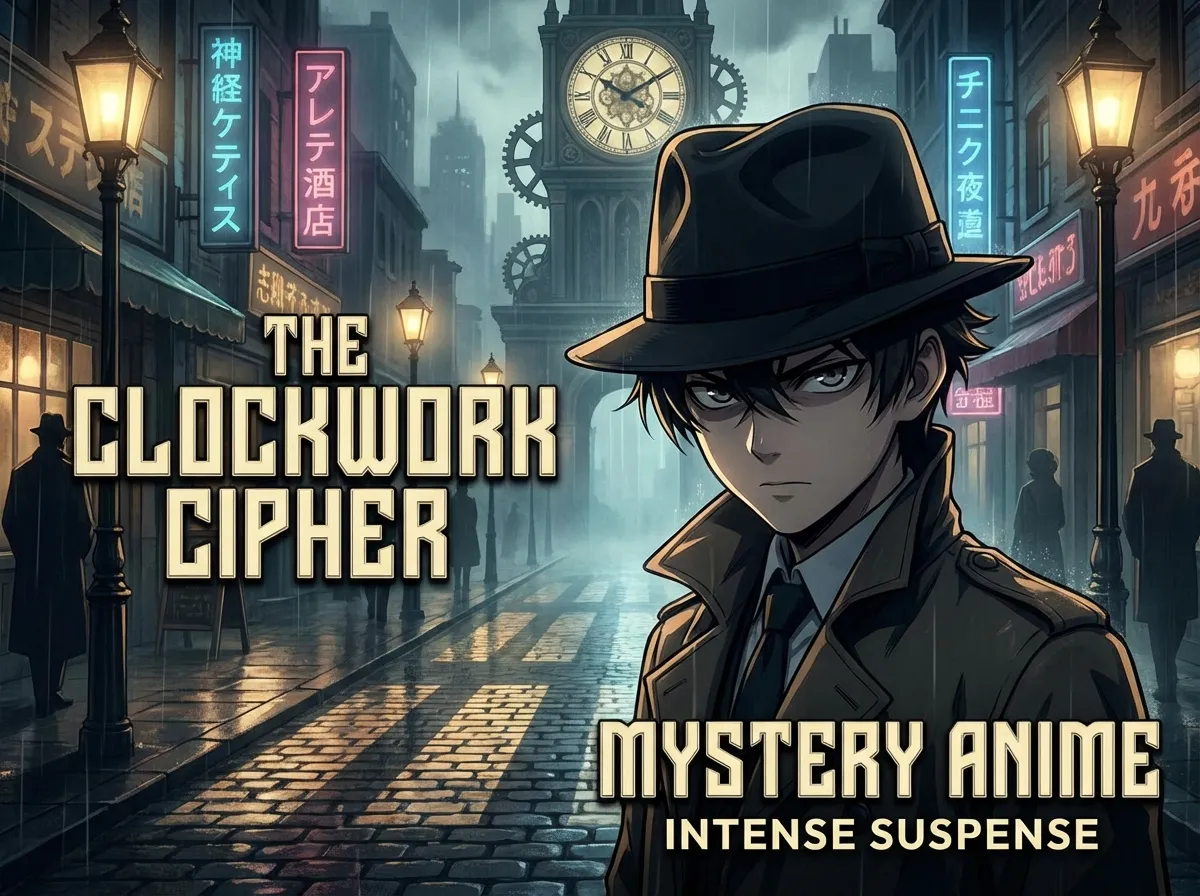
Mystery anime style
Mystery anime style is built on noir detail: a single bulb over an interrogation table, rain on a windowpane, fingerprint dust under a magnifier, and a silhouette behind venetian blinds. The look reads cool, sharp, and quietly tense before any dialogue.
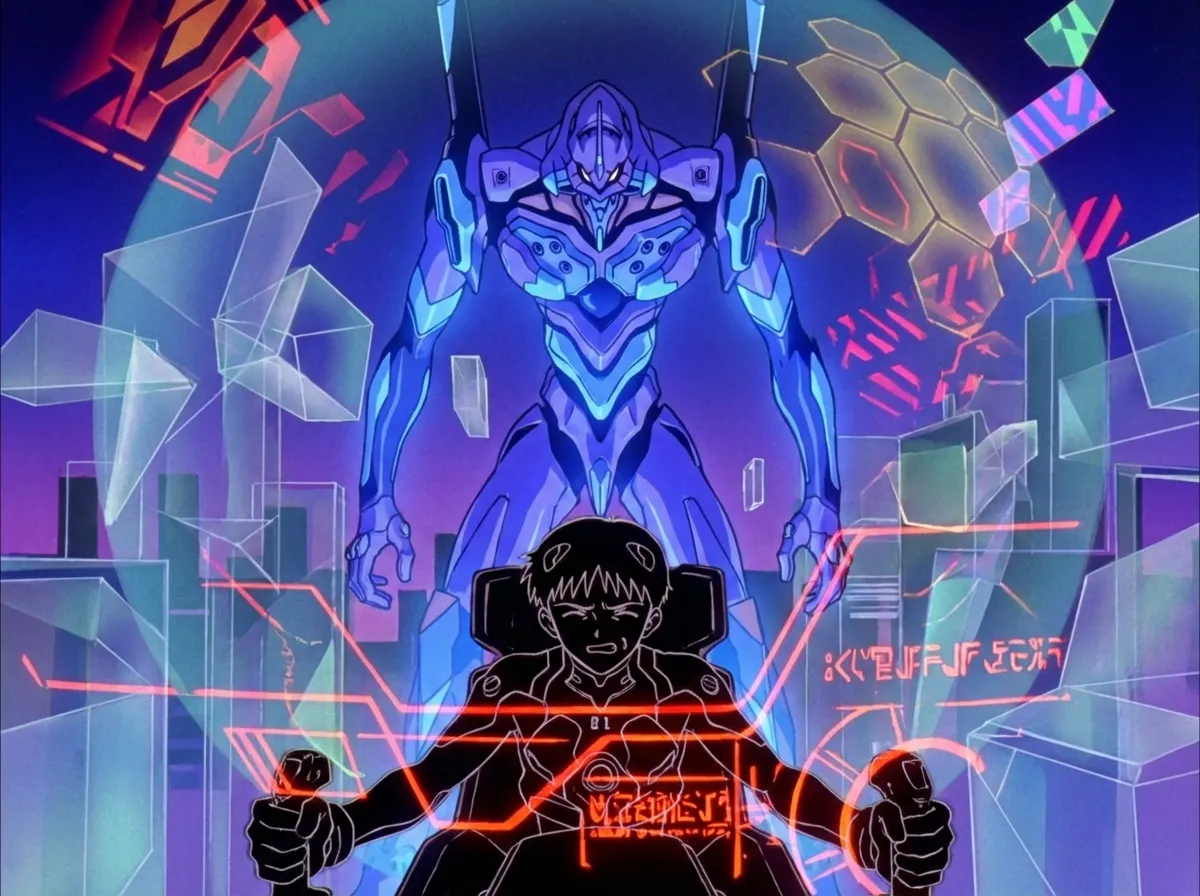
Neon Genesis Evangelion style
Evangelion style combines biomechanical EVA design, hexagonal AT-field effects, and the surreal religious imagery of Hideaki Anno's series. Use it for mecha key art, character pieces of pilots in plug suits, and the heavy, anxious mood that defines the franchise.
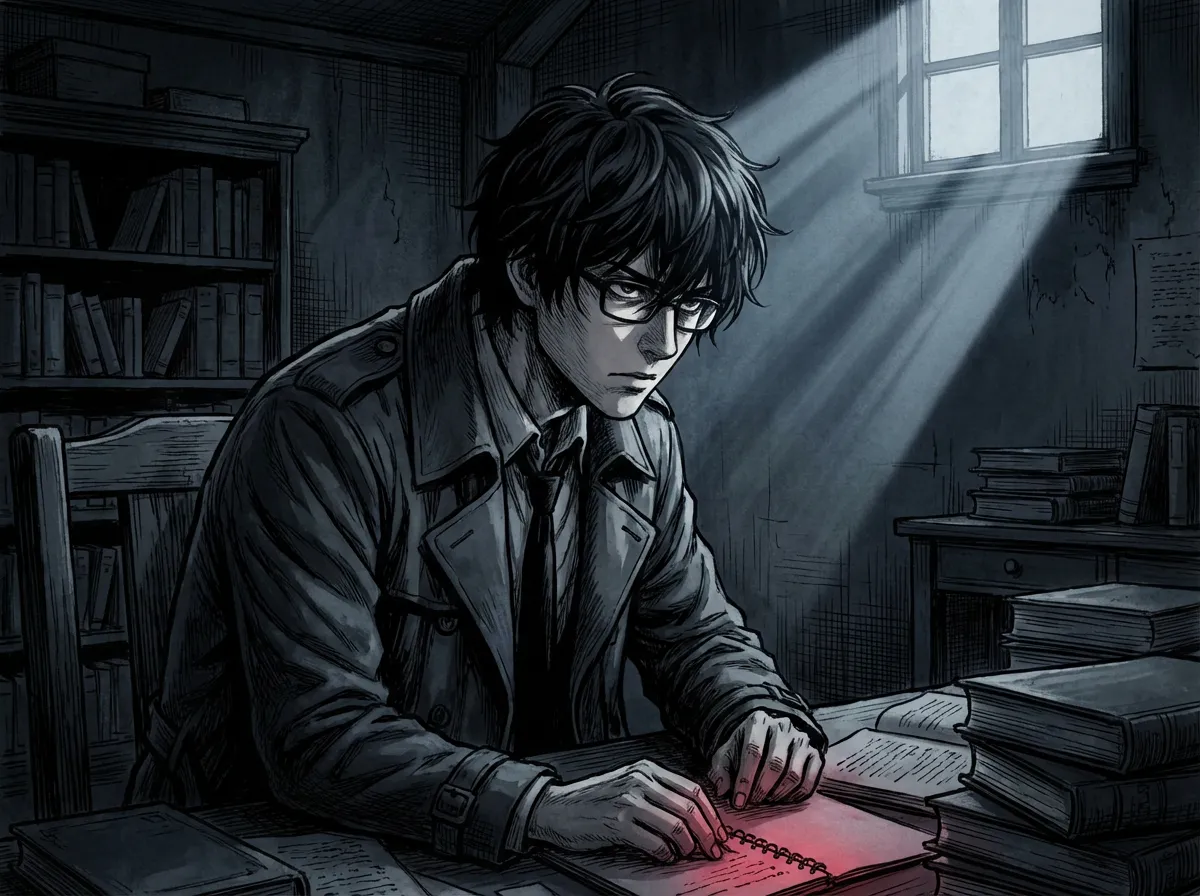
Death Note style
Death Note style is a noir-realist manga look defined by Takeshi Obata's clean precise line, deep-shadow desk-lamp lighting, L-style crouch silhouettes, and shinigami feather backdrops. It suits cat-and-mouse thriller panels, study-room standoffs, and original detective and reaper character art.
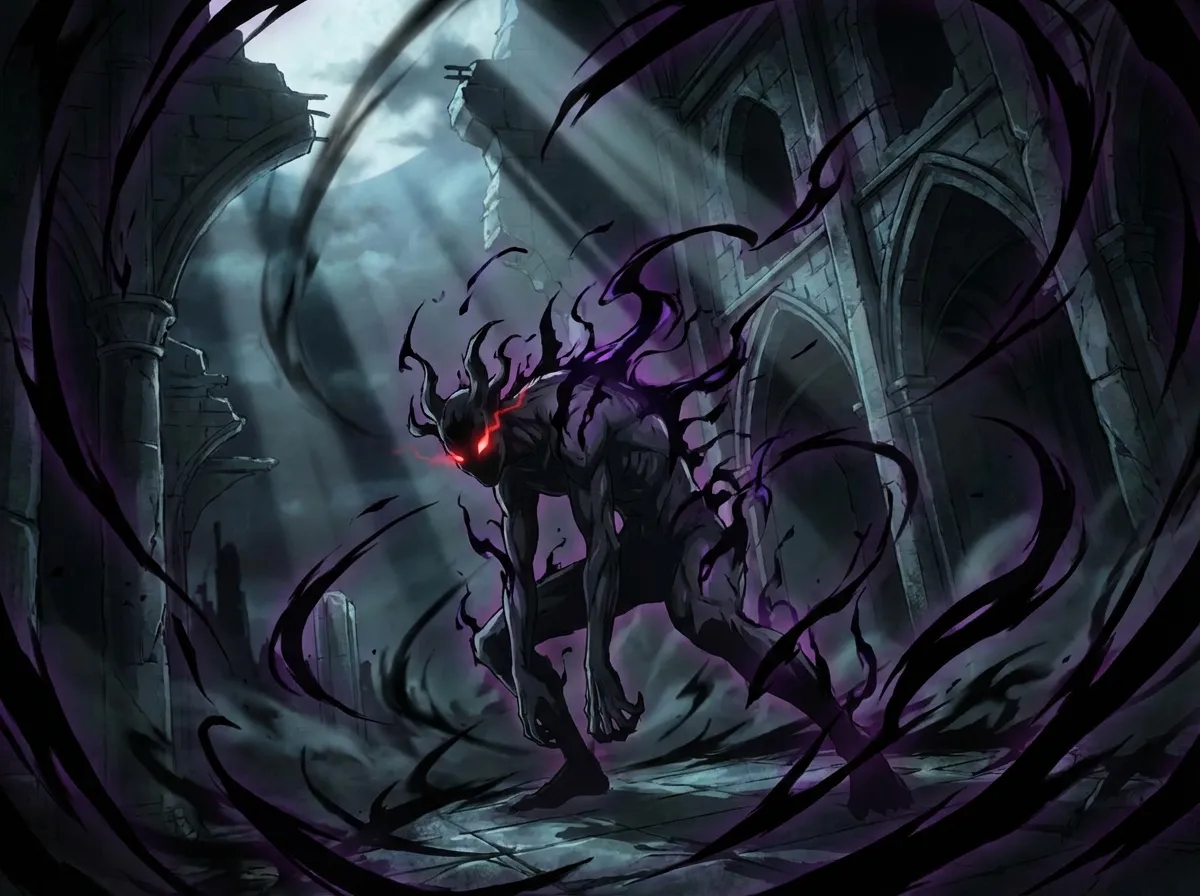
Horror anime style
A dark, ink-heavy aesthetic built on high-contrast hatching, blood-red and sickly green accents, and silhouettes that hide more than they show. Best for horror manga covers, cursed-spirit designs, and quiet supernatural dread.
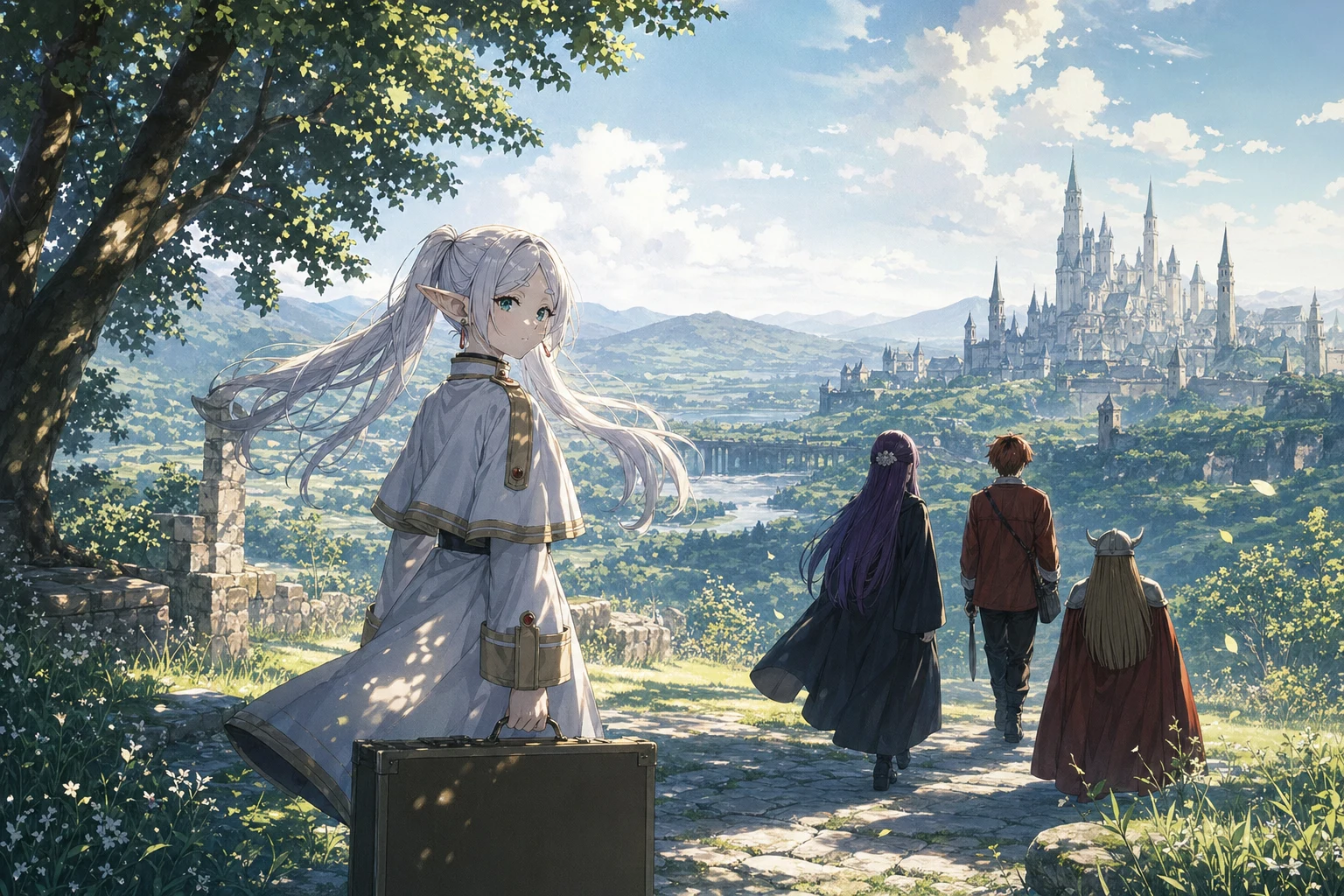
Frieren: Beyond Journey's End style
This aesthetic blends quiet emotional pacing, European-inspired fantasy architecture, and delicate linework with lush outdoor light. It suits journey stories, wizards, and long horizon landscapes.
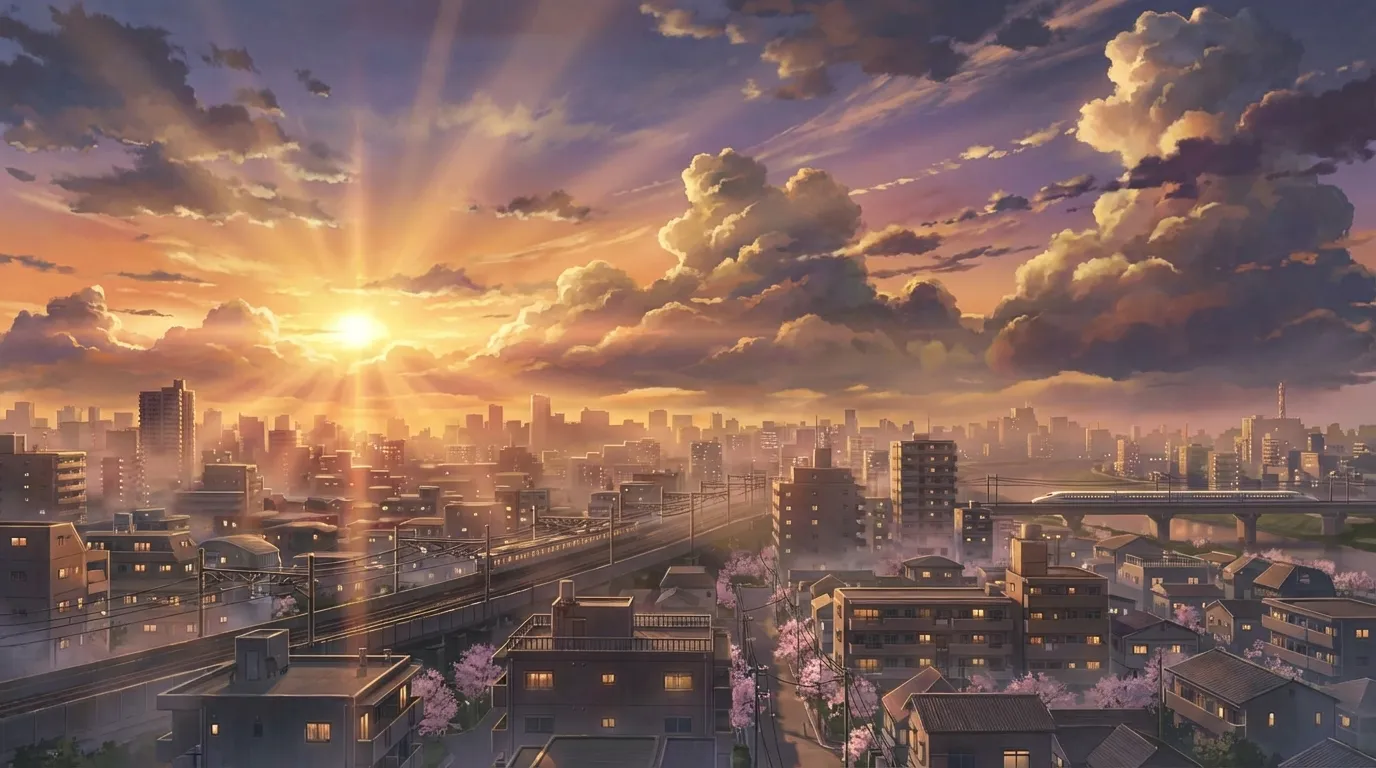
Makoto Shinkai style
Makoto Shinkai style pairs near-photographic urban Japanese backgrounds with stratus-cloud skies, golden hour lens flare, and quiet two-shot character framing. It suits emotional key visuals, train scenes, and rooftop sunset moments.
Frequently asked questions
Prompt tips, rights, and workflow. Sign up free to generate in this look today.
Generate a Psychological anime scene
Type a scene below and press Generate.
What separates psychological anime style from generic surreal art?
Restraint. Generic surreal art piles on melting clocks, neon goo, and impossible architecture until the image reads as a meme. Psychological anime style picks one or two small wrongnesses, like a tilted horizon and a double exposure on the face, and lets a normal scene carry the weight. The viewer should not be able to point at one obvious surrealist gimmick.
How do I prompt for a "fractured mind" look without it turning into broken-glass clipart?
Move the fracture into composition rather than literal cracks. Split the frame with a doorway, use a mirror that shows two slightly different versions of the same face, or duplicate one element a few times across the image. If you do use a cracked mirror, keep it in the background and out of focus, so the metaphor whispers rather than shouts.
What palette tricks make a scene feel psychologically off?
Pick one shadow color that should not be there: cool pink under the chin, sickly green on the temple, magenta where the cast shadow meets the floor. Keep the rest of the palette believable. The brain registers the wrong color before it can name it, and the whole image starts to feel uneasy without anyone explaining why.
Can I use this style for grief, trauma, or dissociation scenes?
Yes, and it is one of the strongest fits. Lean on doubled or echoing imagery: the same character at two ages in one frame, a chair facing a chair across an empty table, hands holding a half-erased photograph. Keep the lighting soft and the room slightly too large for the figure. The empty space carries more than any explicit symbol.
How do I keep this style from drifting into vapor wave or generic AI-art clutter?
Lock the character design in something realistic and recognizable, then break only the frame around them. Vapor wave kicks in when the character is also stylized into a marble bust or a glitch grid. Keep the figure normal, keep the props specific (a real model of camera, a real brand of cigarette, a real high school uniform), and let the surreal layer do its job around them.
What scenes from real shows are good reference points for prompting?
The lab and CRT-glow corridor scenes from Steins;Gate, the washed-out city plates of Ergo Proxy, the identical-suburb dream sequences from Paranoia Agent, and the witch labyrinth interiors from Madoka Magica with collage textures. Naming one of these in the prompt as a reference, alongside your own scene, helps lock in the cool, slightly off-kilter mood that the style is built on.
Start creating Psychological anime style art today
Join 130,000+ creators and bring your imagination to life with 100 free credits.