Lucky Luke style Western comic art with AI
Cowboy showdowns, fast horses, and dusty frontier towns drawn in classic European comic line and flat color.
Franchise, studio, and character references describe style or mood only, not a license, sponsorship, endorsement, or affiliation. You are responsible for your prompts and outputs. As-is, no warranty of non-infringement (not legal advice). For DMCA, copyright, or trademark issues, use our Contact page.
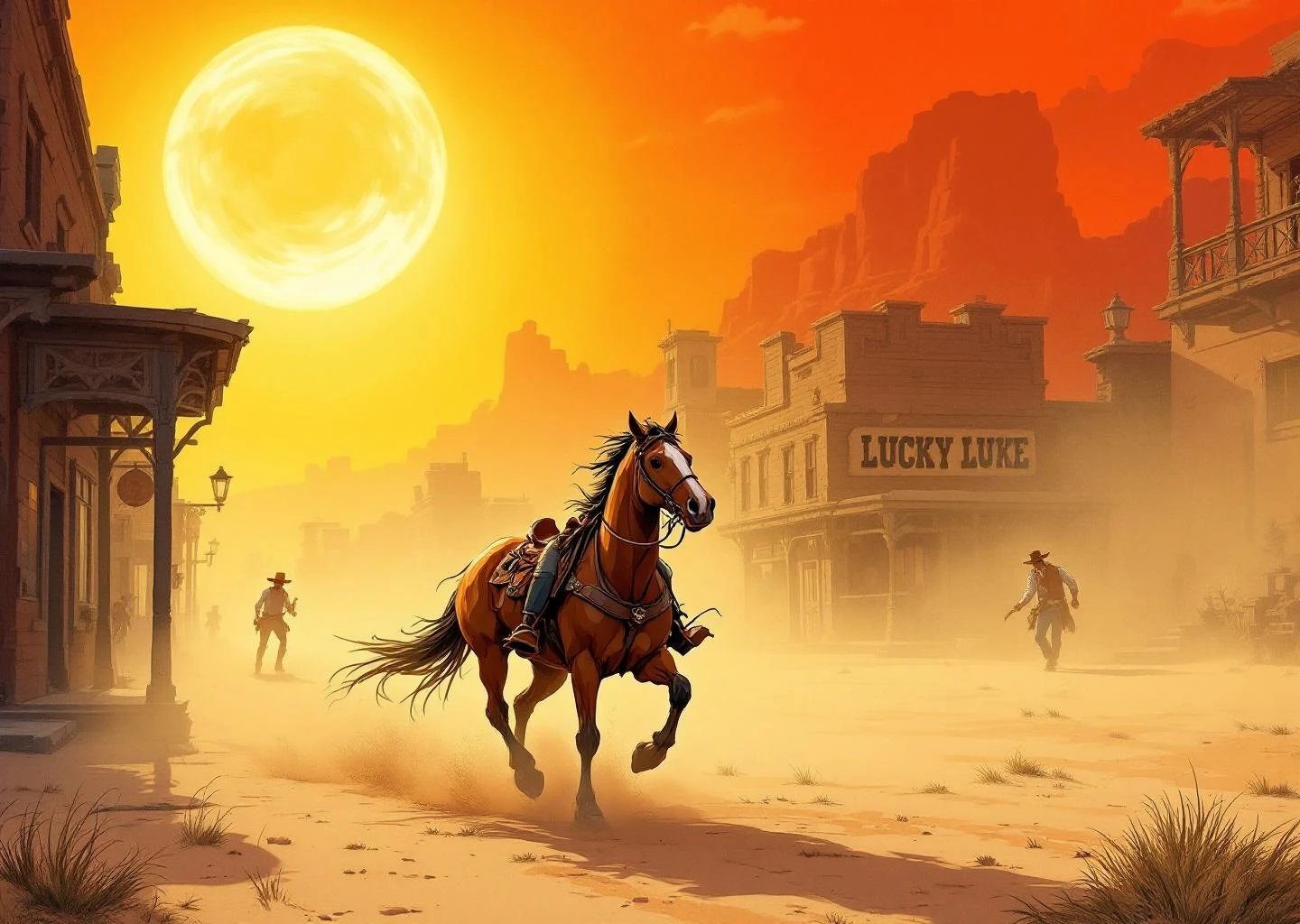
Generate a Lucky Luke scene
Type a scene below and press Generate.
About Lucky Luke style
Lucky Luke style art is a French-Belgian Western comic look: lanky cowboy heroes, comic horse chases, saloon towns under big skies, all drawn in clean ink with flat color. Great for adventure scenes and humor set in the Old West.
Created by Belgian artist Morris, Lucky Luke is one of the most popular European Western comics. The visual style mixes American Old West settings with classic bande dessinée line work: long-limbed cowboys, animated horses, saloon doors, prairies, and big open skies. Color is flat, the line is clean, and the action is built around comic timing more than realism.
When you prompt for this look, set the scene: a dusty main street at noon, a saloon interior, a chase across the prairie, or a sheriff facing down outlaws. Use phrases like "western comic panel", "European clear-line ink", and "flat watercolor color". Design original cowboys and outlaws so you stay clear of any trademark issue with the named series.
Try Lucky Luke style generation
Try the look on your own prompt. Start from one of the examples below.
Example prompts
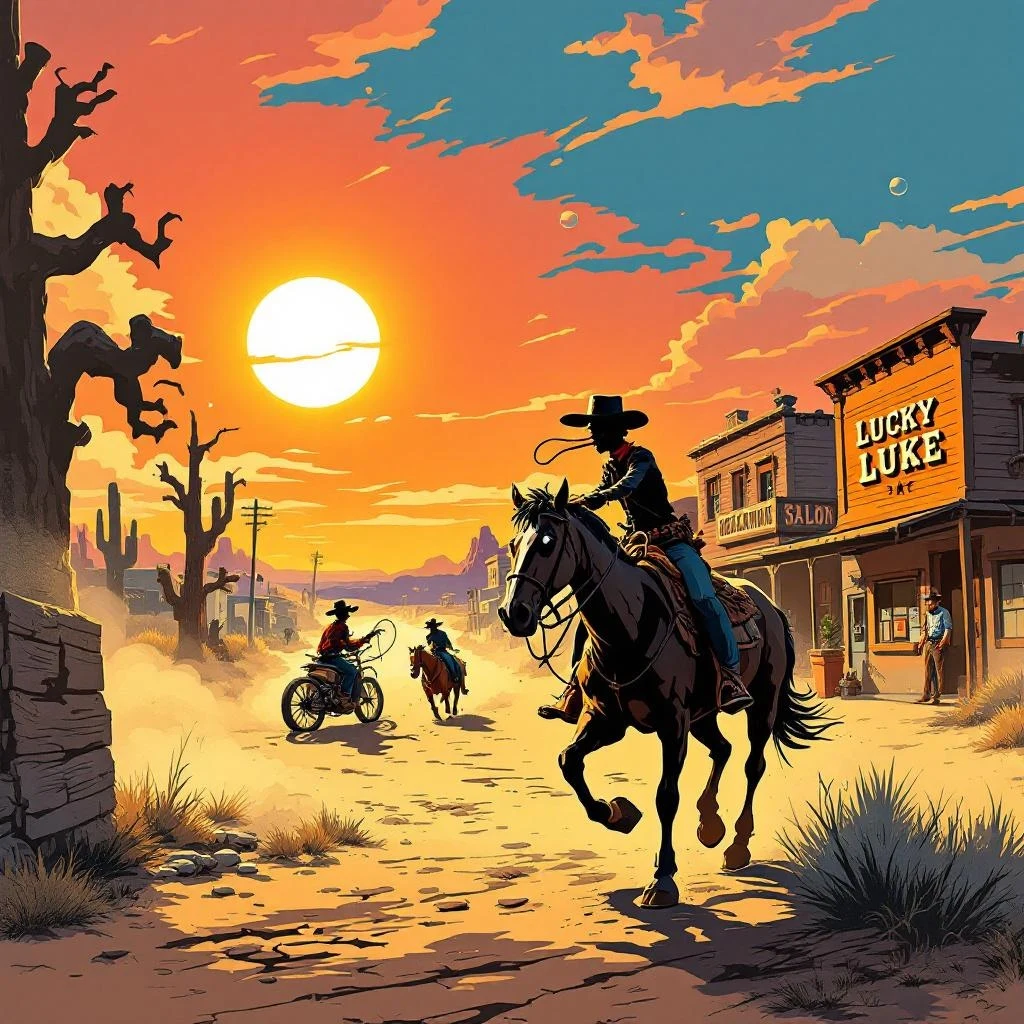
"Lucky Luke style, western comic art in Lucky Luke style, lanky cowboy hero in vest and hat standing on a dusty main street at high noon, saloon and wooden buildings in background, prairie horizon, clean European comic ink line, flat watercolor color, horizontal panel, original character, no text, no logos"
Try this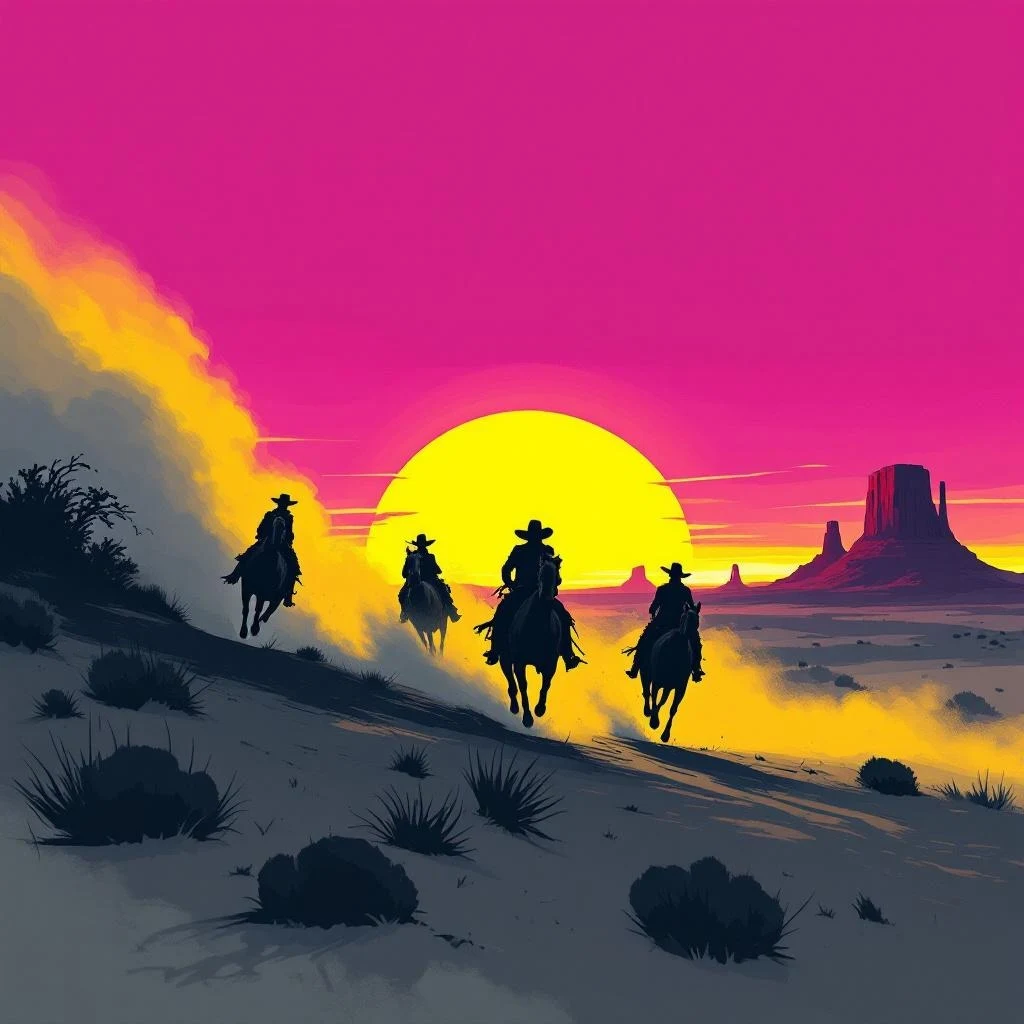
"Lucky Luke style, cowboy chase scene in Lucky Luke style, original cowboys on horseback galloping across a wide prairie, dust trails behind them, bright blue sky and red mesa silhouettes, motion lines, clean ink and flat watercolor color, no text, no logos"
Try this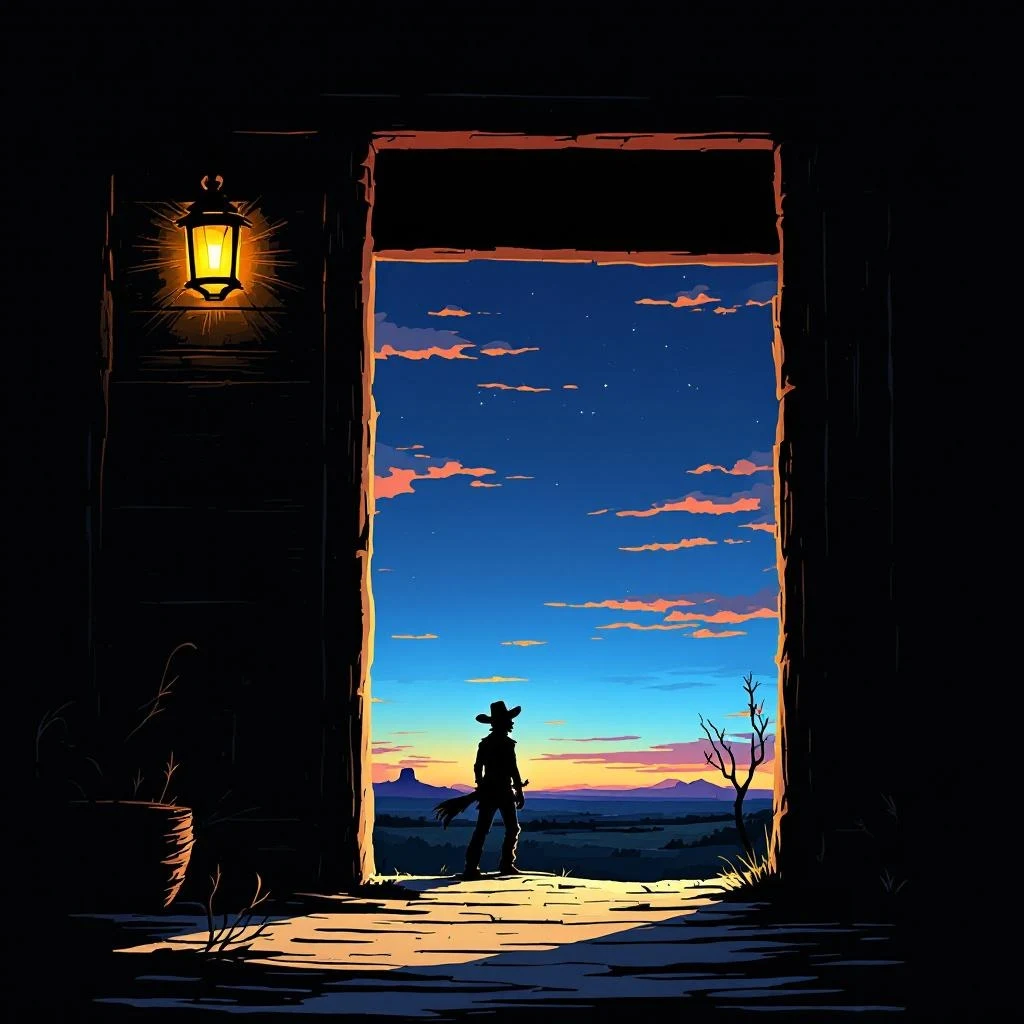
"Lucky Luke style, saloon interior in Lucky Luke style at night, swinging doors, piano in the corner, cowboys at round wooden tables, oil lantern light, warm yellow and brown palette, clean European comic ink, flat color, no text, no logos"
Try thisMake your own Lucky Luke style art
Type a prompt below, or tap a starter to begin.
Generate a Lucky Luke scene
Type a scene below and press Generate.
Why choose Anifusion?
Cowboys and horses
Tall, slim cowboy heroes in cowboy hats and vests, paired with friendly horses that have big expressive eyes.
Frontier towns and prairies
Wooden saloons, hitching posts, dusty main streets, and wide prairie horizons with cactus and tumbleweed.
Showdown scenes
Two cowboys facing each other on an empty street at high noon, hands hovering over holsters, ready for the draw.
Tumbleweed and dust
Rolling tumbleweeds drift through frame, and dust clouds bridge the action between panels.
Wooden western architecture
Saloon facades with swinging doors, wooden boardwalks, hitching posts, and hand-painted SALOON and BANK signs across storefronts.
Comic action gags
Spinning lassos, ricocheting bullets, and slapstick punches with stars and dust clouds for comic effect.
Create in 3 easy steps
Write your prompt
Describe your vision for Lucky Luke style in plain language.
Refine settings
Tune the aspect ratio and style strength to your liking.
Generate and enjoy
Click generate and watch your masterpiece come to life in seconds.
Related styles
Discover more artistic directions you might love
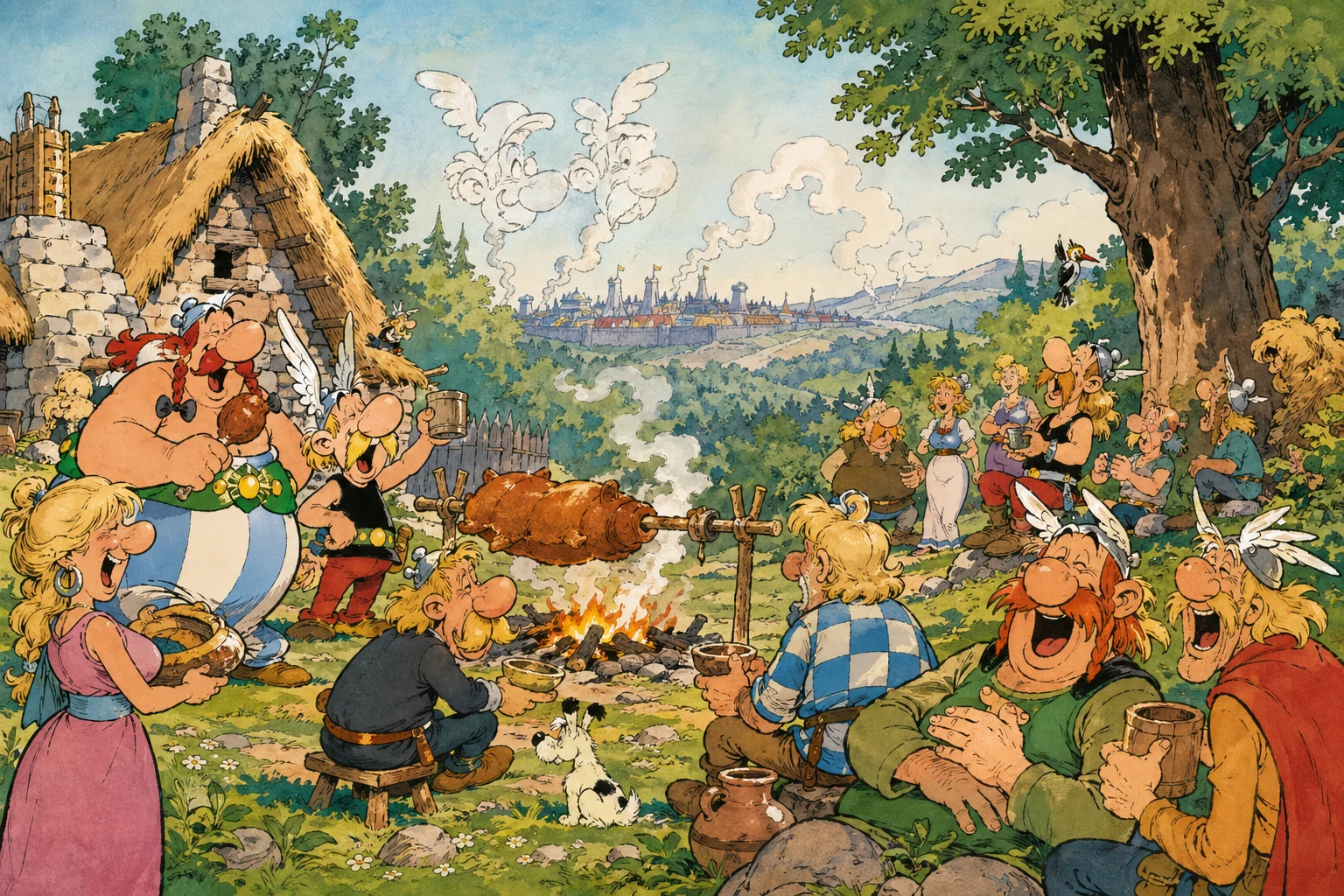
Asterix style
Asterix style art uses round, exaggerated character designs, big noses, and stocky bodies in a clean even ink line with flat watercolor wash. Great for gag panels set in Gaulish villages, Roman camps, and forest adventures.
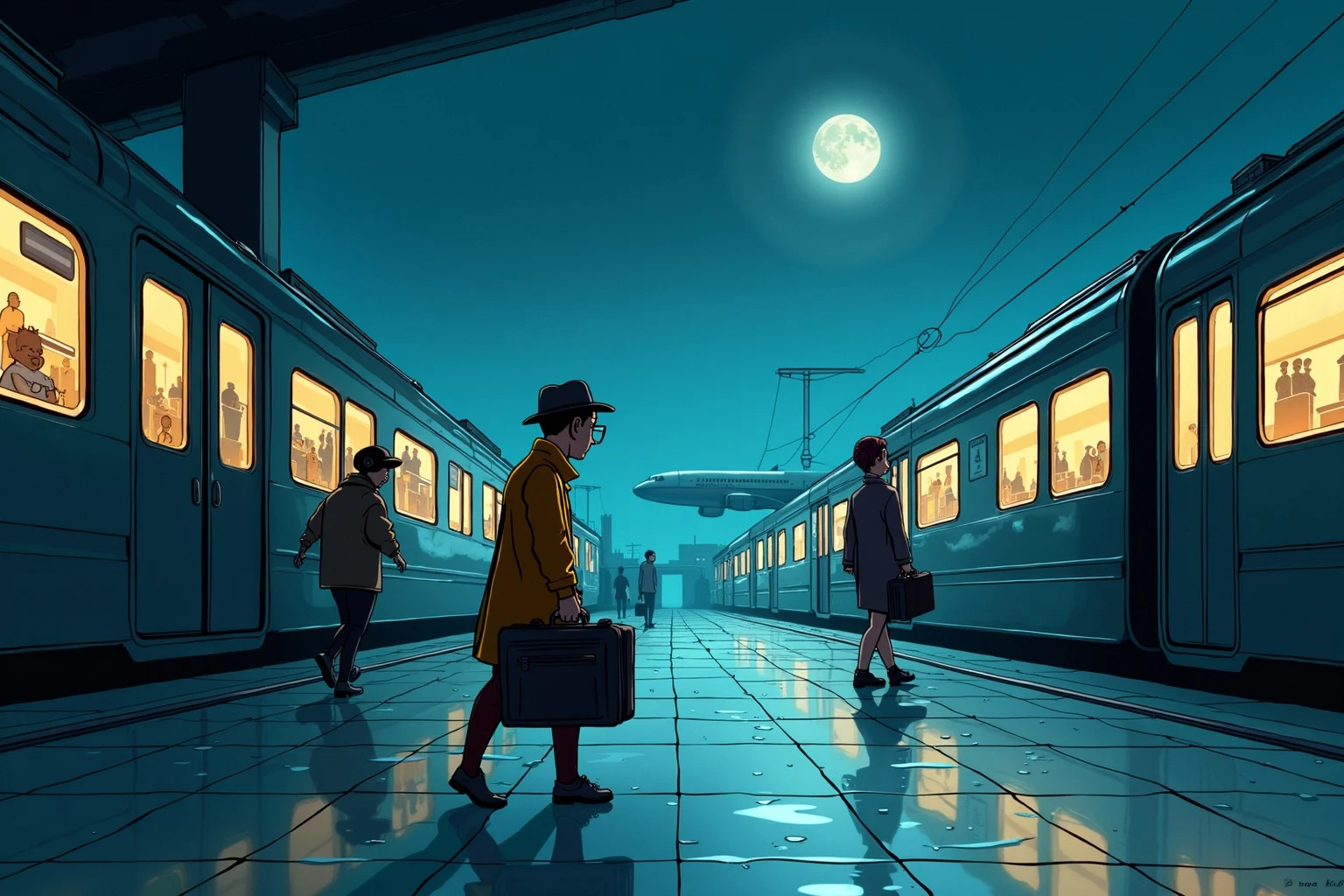
Tintin style
Tintin style art uses the famous "ligne claire" approach: clean even lines, bright flat color, careful perspective, and almost no shadow. It is the look of classic European adventure comics, set in vintage cities, deserts, jungles, and mountains.
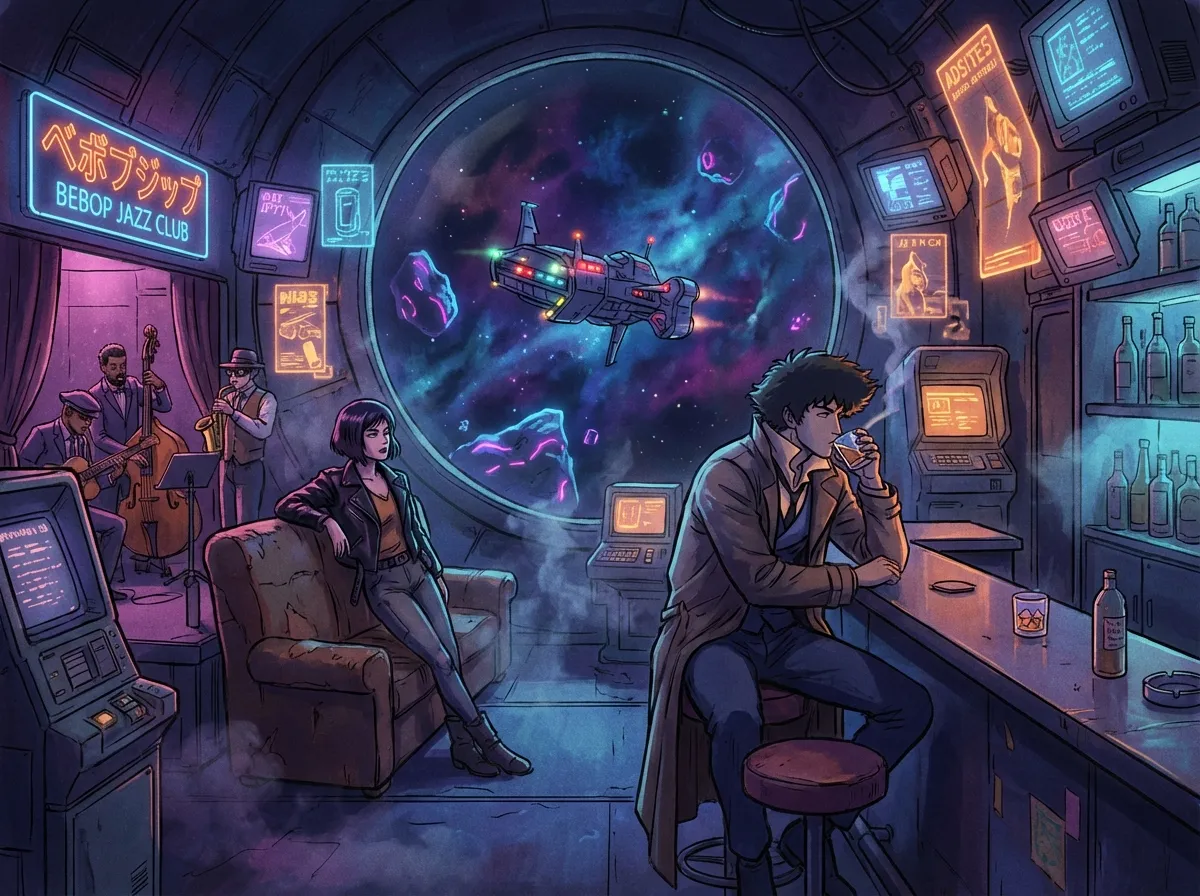
Cowboy Bebop style
Cowboy Bebop style is a sophisticated mix of film-noir lighting, retro-futuristic spacecraft, and jazz-bar atmosphere. Use it for space-western bounty hunters, lived-in star ports, and the cool, understated mood that defined Watanabe's series.
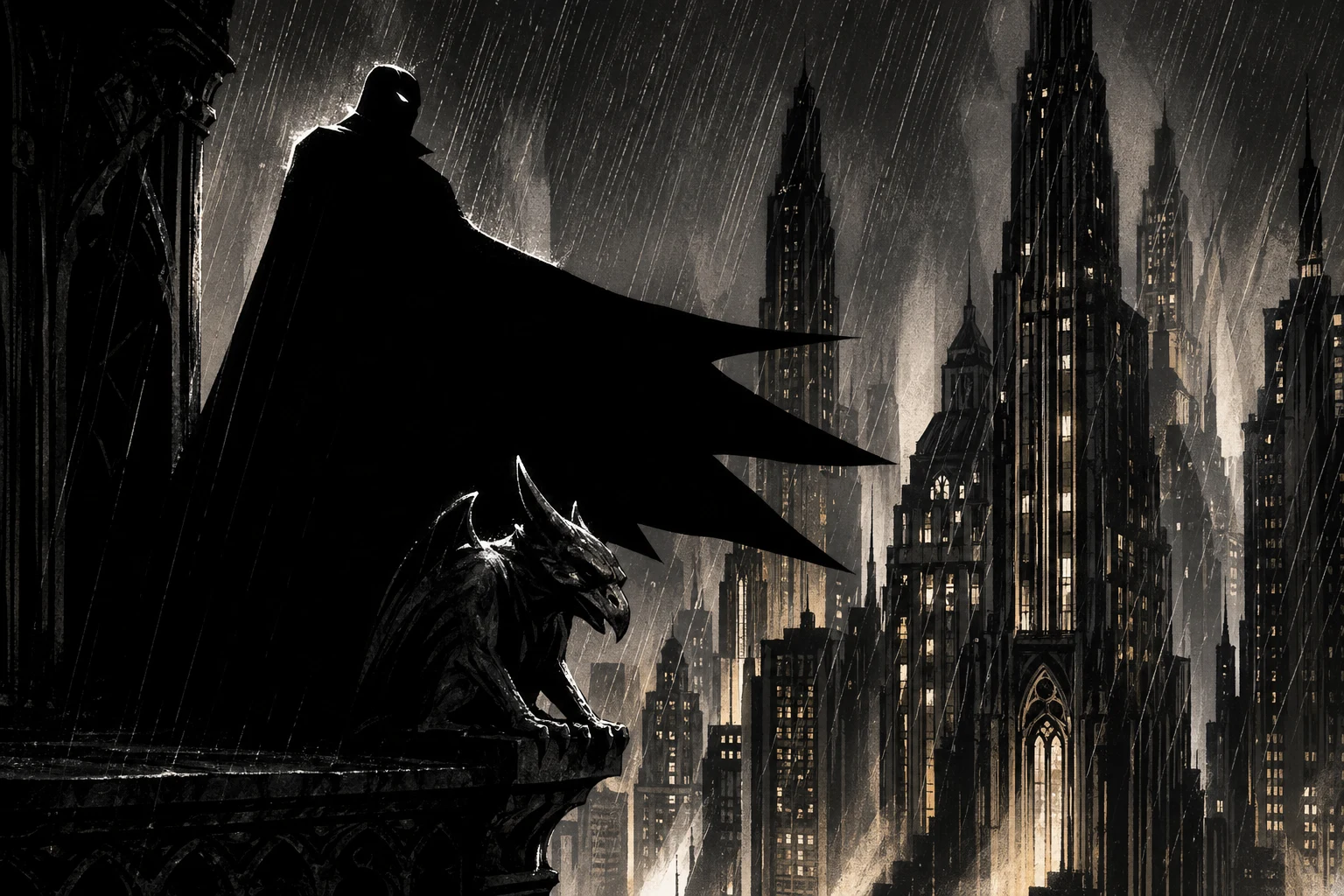
Batman style
American ink-forward comics: drybrush rain, chiseled jaw shadows, and vertical Gotham canyons with spot color accents.
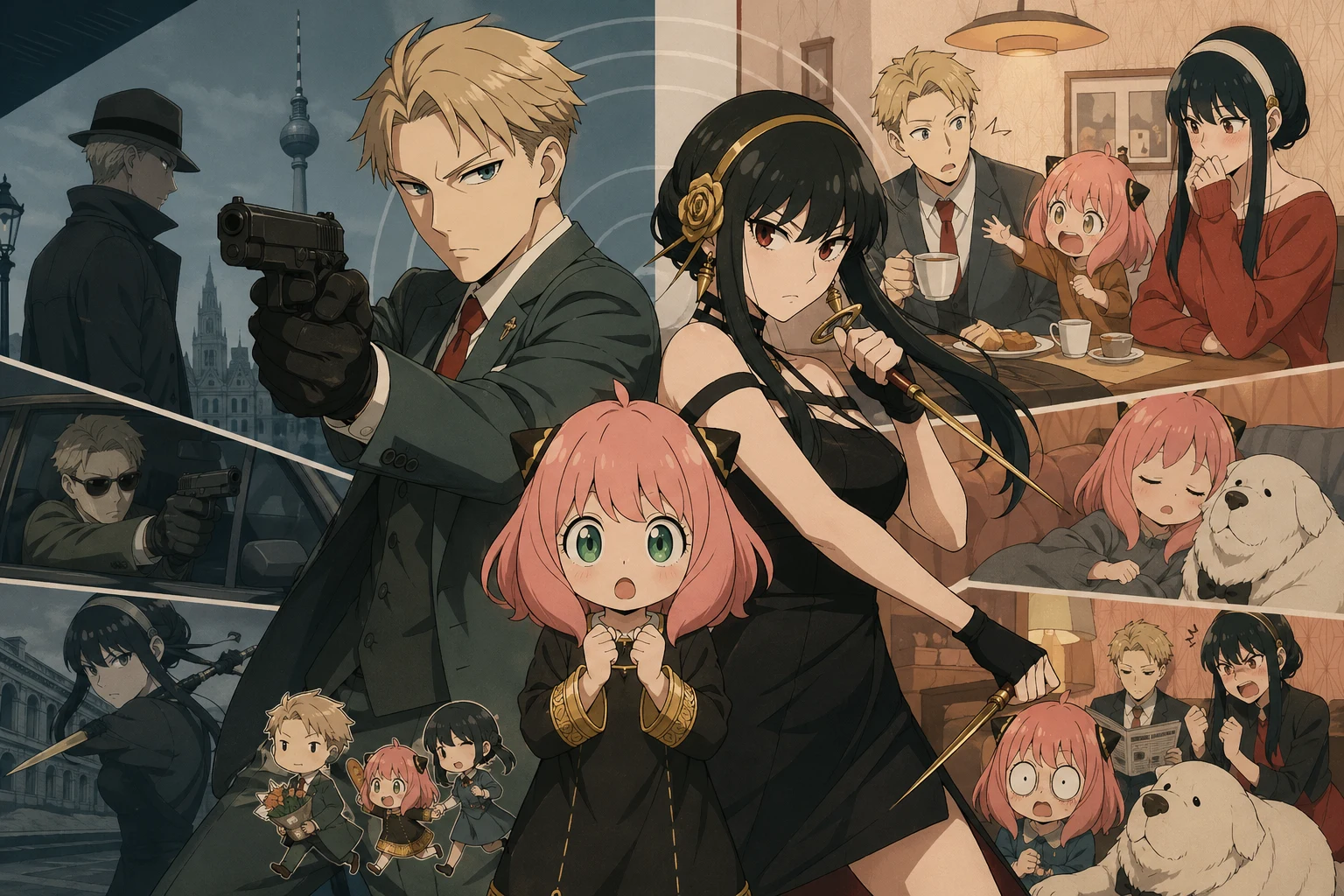
Spy x Family style
A hybrid of stylish Cold War fashion cues, broad comedy body language, and action staging that is light on gore, heavy on charm.
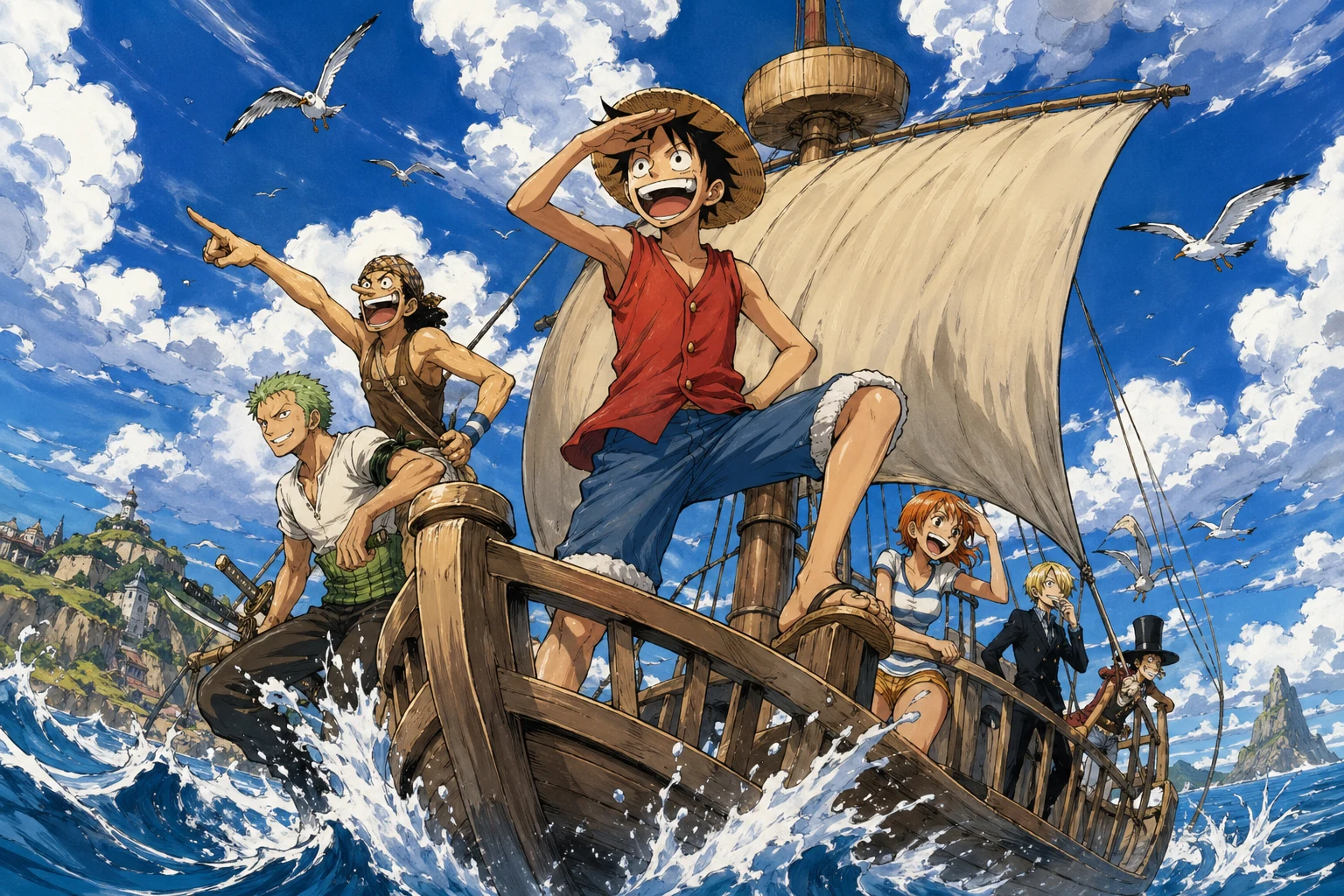
One Piece style
One Piece style combines Eiichiro Oda exaggerated limb proportions, expressive crowd faces, and tropical island color with the rubbery, motion-line-heavy action of a long-running shonen adventure. It suits pirate OCs, comedic brawl panels, and wanted-poster art.
Frequently asked questions
Prompt tips, rights, and workflow. Sign up free to generate in this look today.
Generate a Lucky Luke scene
Type a scene below and press Generate.
How do I get a Lucky Luke art style in AI?
Combine European comic line work with Western themes. Use phrases like "European clear line ink", "flat watercolor color", and "western comic panel", and add a specific Western setting (saloon, prairie, main street showdown). Tall cowboy proportions and friendly cartoon horses help too.
What makes Lucky Luke different from American Western art?
Lucky Luke is European bande dessinée: cleaner lines, flatter color, and a comedic tone. American Western comics use heavier shadows, halftones, and a more dramatic or gritty feel. Lucky Luke leans cartoon and family-friendly.
Can I draw historical Western scenes in this style?
Yes. Stagecoach robberies, gold rush mining camps, frontier railroads, ranches, and cattle drives all fit. Keep the buildings, clothing, and props in the 1880s American West range, and the art style will make even rough subjects feel light.
How do I draw the horses in this style?
Make them slightly cartoonish: long necks, expressive eyes, smiling mouths during gallops. They should look like a character, not just a vehicle. Use motion lines and dust clouds rather than realistic muscle anatomy.
What background details add Western flavor?
Tumbleweeds rolling through frame, wooden saloon facades with swinging doors, hitching posts, water troughs, sheriff badges, oil lanterns, and red mesa silhouettes on the horizon.
What should I avoid in the prompt?
Avoid "photorealistic", "Marvel comic ink", or "anime style" since they all pull away from European clear-line color. Also do not name specific characters from the original series, design your own cowboys instead.
What other styles pair well with Lucky Luke?
Asterix and Tintin are direct cousins from the same European comic tradition. For Western mood from a different lineage, Cowboy Bebop and Batman noir pages are nice contrast clusters.
Can the colors be more muted for a vintage feel?
Yes. Add "muted vintage palette", "aged paper background", or "1950s printed comic colors" to your prompt. The art style holds up at any saturation, but vintage palettes feel especially right.
Start creating Lucky Luke style art today
Join 130,000+ creators and bring your imagination to life with 100 free credits.