Generate chibi and SD characters with AI
2-head proportions, blob feet, oversized eye sparkle, and Q-version simplification for stickers, emotes, mascots, and shop merch.
Franchise, studio, and character references describe style or mood only, not a license, sponsorship, endorsement, or affiliation. You are responsible for your prompts and outputs. As-is, no warranty of non-infringement (not legal advice). For DMCA, copyright, or trademark issues, use our Contact page.
Generate a Chibi scene
Type a scene below and press Generate.
About Chibi style
Chibi style takes a normal character and renders them with 2-head proportions, blob feet, oversized eye sparkle, and Q-version simplification. It suits stickers, emotes, shop mascots, line art keychains, and reaction icons.
Chibi (literally 'short' in Japanese) and SD (super-deformed) describe the family of cute, compressed anime proportions used for stickers, emotes, mascots, and side-character omake panels. The default ratio is around 2 heads tall (sometimes 1.5 for ultra-cute, sometimes 3 for action chibi), with the head taking up roughly half the canvas. Hands shrink into mitts, feet collapse into blob feet, and joints are softened so the body reads as one rounded silhouette rather than a stack of articulated parts.
Faces lean into oversized eye sparkle (two or three highlight points stacked into the iris), tiny dot or line noses, and a single small mouth shape. Hair holds the character's recognizable silhouette: bangs, ahoge spikes, twin tails, or hat shape are usually preserved at full size while the body shrinks around them. Q-version simplification (the term used in Chinese-language fandom for the same look) cuts everything else: clothing folds, knuckle creases, individual fingers, and shading complexity all disappear, leaving flat color blocks with one cel shadow tone.
To prompt for the chibi style on Anifusion, lead with 'chibi style, 2-head proportion' or 'super deformed SD chibi, q-version simplification'. Specify what to keep recognizable (hair shape, hat, glasses, eye color, signature outfit color) and what to drop (realistic anatomy, fingers, hard cel shadow). Add 'oversized eye sparkle', 'blob feet', and 'flat sticker color' for sticker output, or 'transparent background' if you plan to cut the asset. The chibi style generator works for VTuber assets, Twitch and Discord emotes, plush concept art, line art keychains, comedic 4-koma reactions, and brand mascot exploration.
Try Chibi style generation
Try the look on your own prompt. Start from one of the examples below.
Example prompts
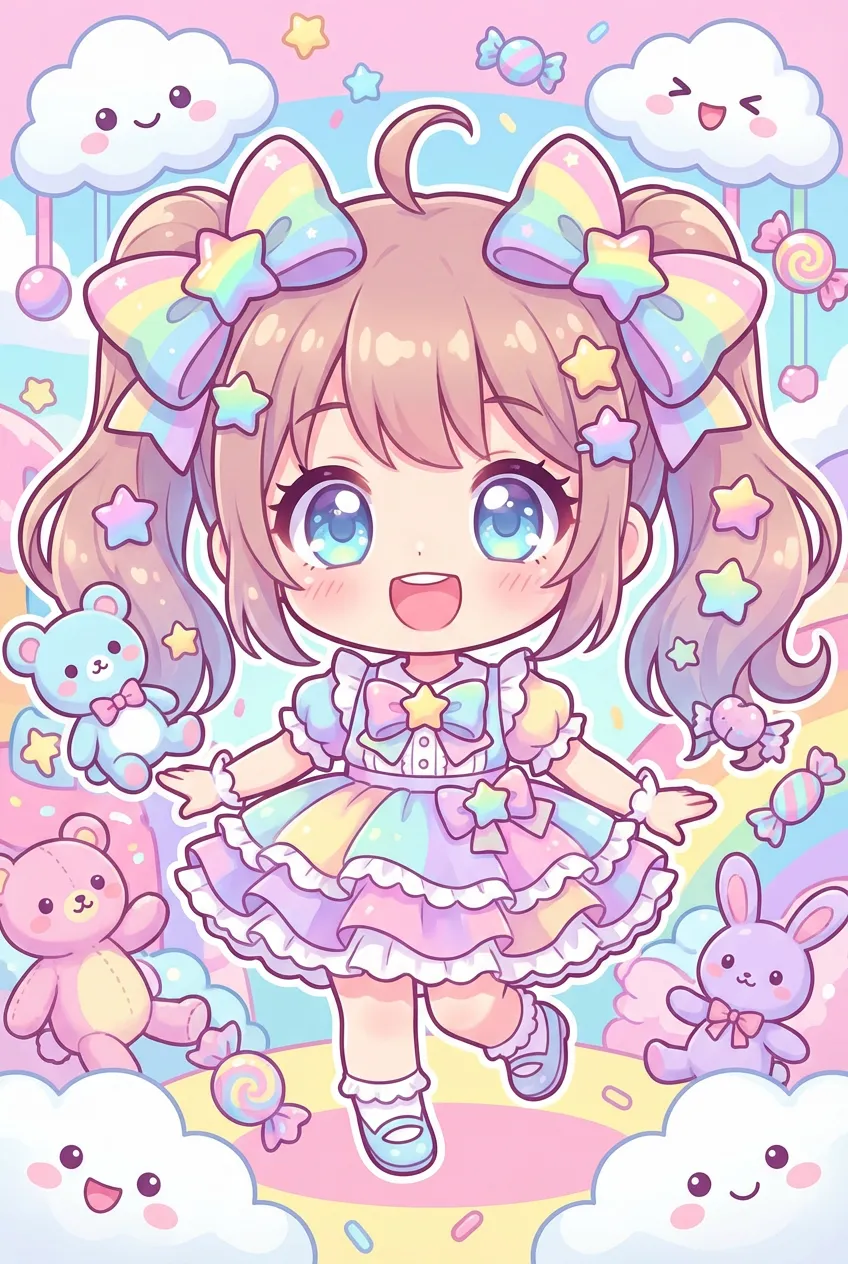
"chibi style, 2-head proportion, original magical girl with twin tails and a star hairpin, oversized eye sparkle with three highlight points, blob feet, mitt hands, flat sticker color, soft pastel palette, transparent background"
Try this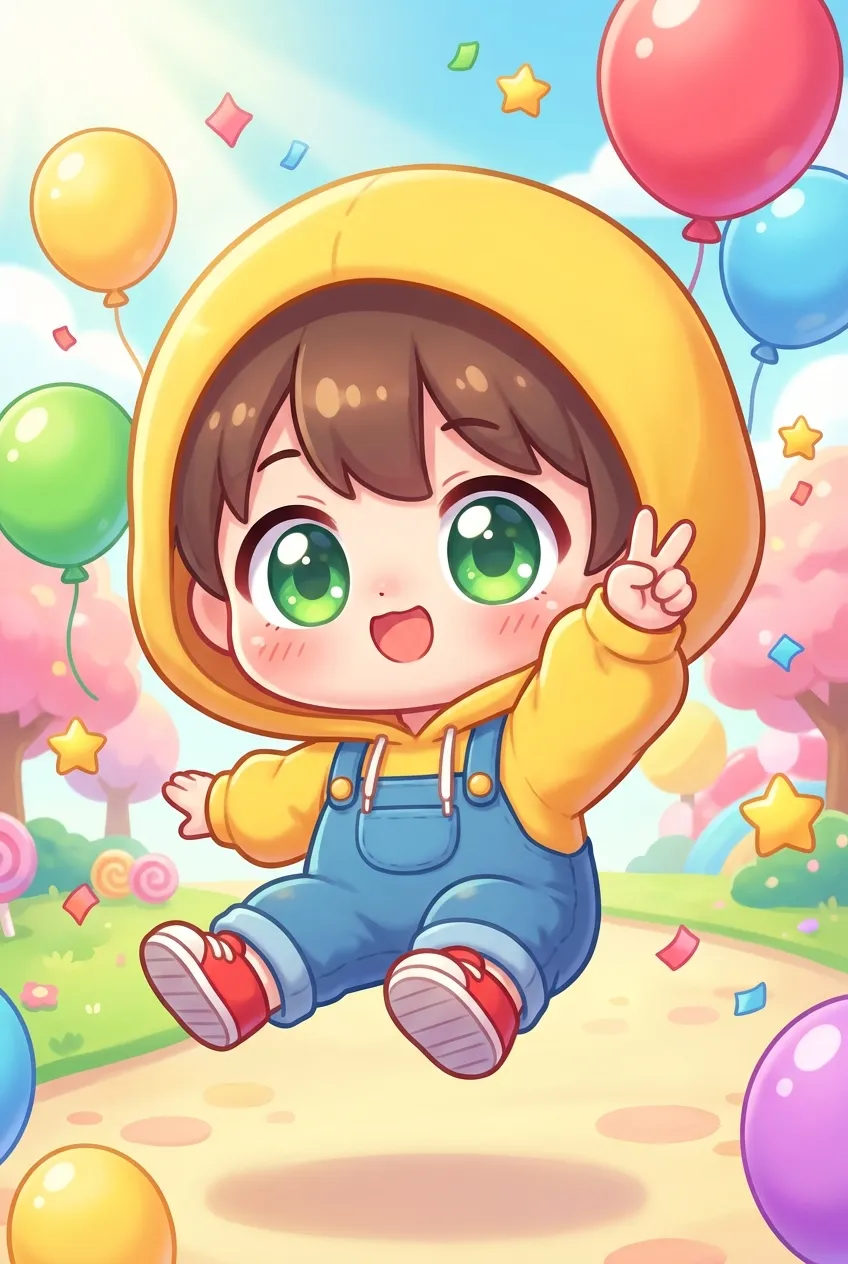
"Chibi style, super deformed SD chibi, q-version simplification, original swordsman in red haori, ahoge spike preserved, mitt hands holding a tiny katana, embarrassed blush, flat color blocks with one cel shadow tone, sticker style"
Try this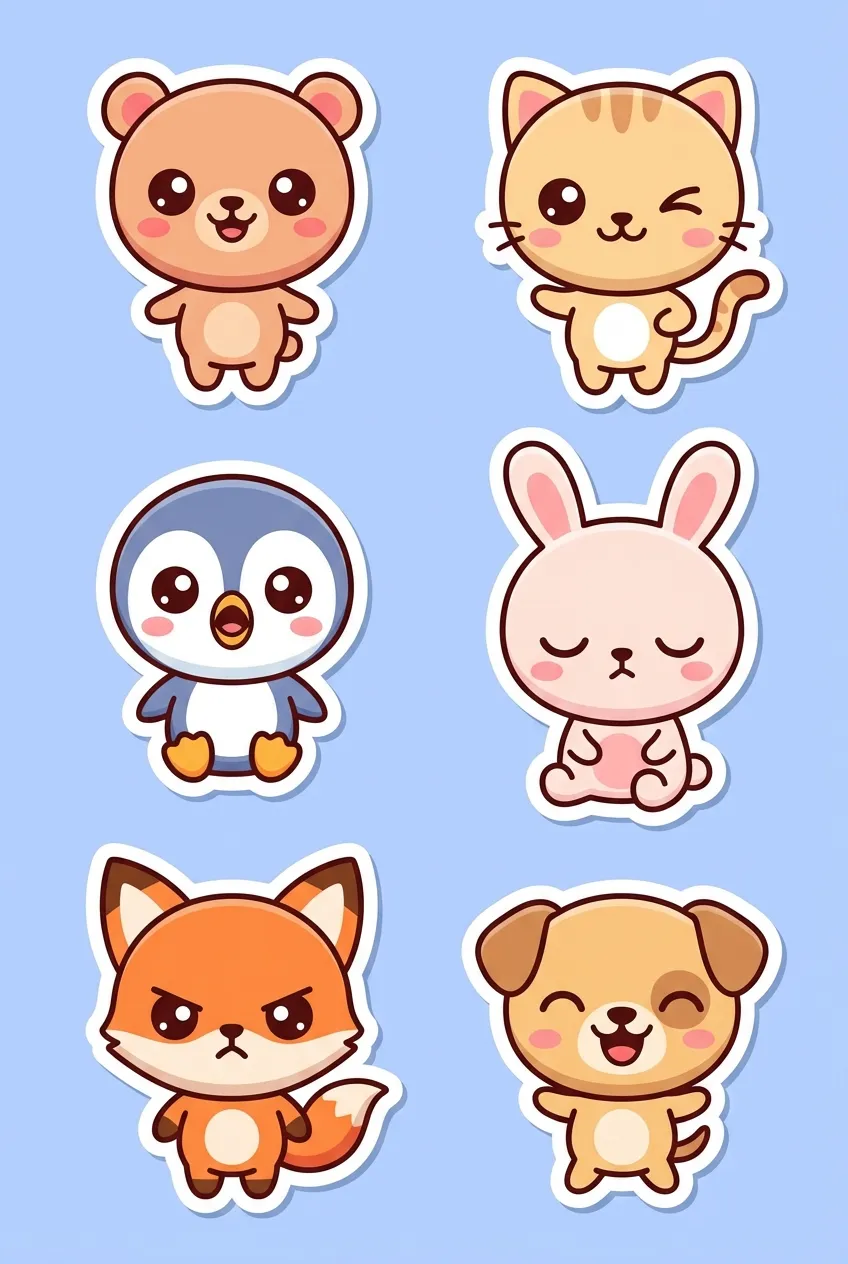
"chibi style emote sheet, four reaction poses (happy sparkle eyes, pouty grumpy face, teary big eyes, surprised wide mouth) of the same original cat-eared barista character, transparent background, bold rim line, flat sticker color"
Try thisMake your own Chibi style art
Type a prompt below, or tap a starter to begin.
Generate a Chibi scene
Type a scene below and press Generate.
Why choose Anifusion?
2-head proportion default
Compresses a normal character to roughly 2 heads tall, with the head occupying about half the canvas and the body simplified into one rounded silhouette.
Oversized eye sparkle
Iris drawn at giant scale with two or three stacked highlight points, plus tiny dot or line nose and a single small mouth shape.
Blob feet and mitt hands
Hands collapsed into rounded mitts (no individual fingers), feet softened into blob silhouettes, joints removed for an all-over rounded look.
Q-version simplification
Drops clothing folds, knuckle creases, and complex shading. Flat color blocks with one cel shadow tone, the same logic Chinese-language fandom calls Q-version.
Identity-keeper hair and props
Bangs, ahoge spikes, twin tails, hats, glasses, and signature outfit colors stay full size so the chibi remains instantly recognizable.
Sticker-ready output
Designed around clean cut-outs: bold rim line, flat sticker color, and transparent backgrounds when you need to drop into Discord, Twitch, or LINE.
Create in 3 easy steps
Write your prompt
Describe your vision for Chibi style in plain language.
Refine settings
Tune the aspect ratio and style strength to your liking.
Generate and enjoy
Click generate and watch your masterpiece come to life in seconds.
Related styles
Discover more artistic directions you might love
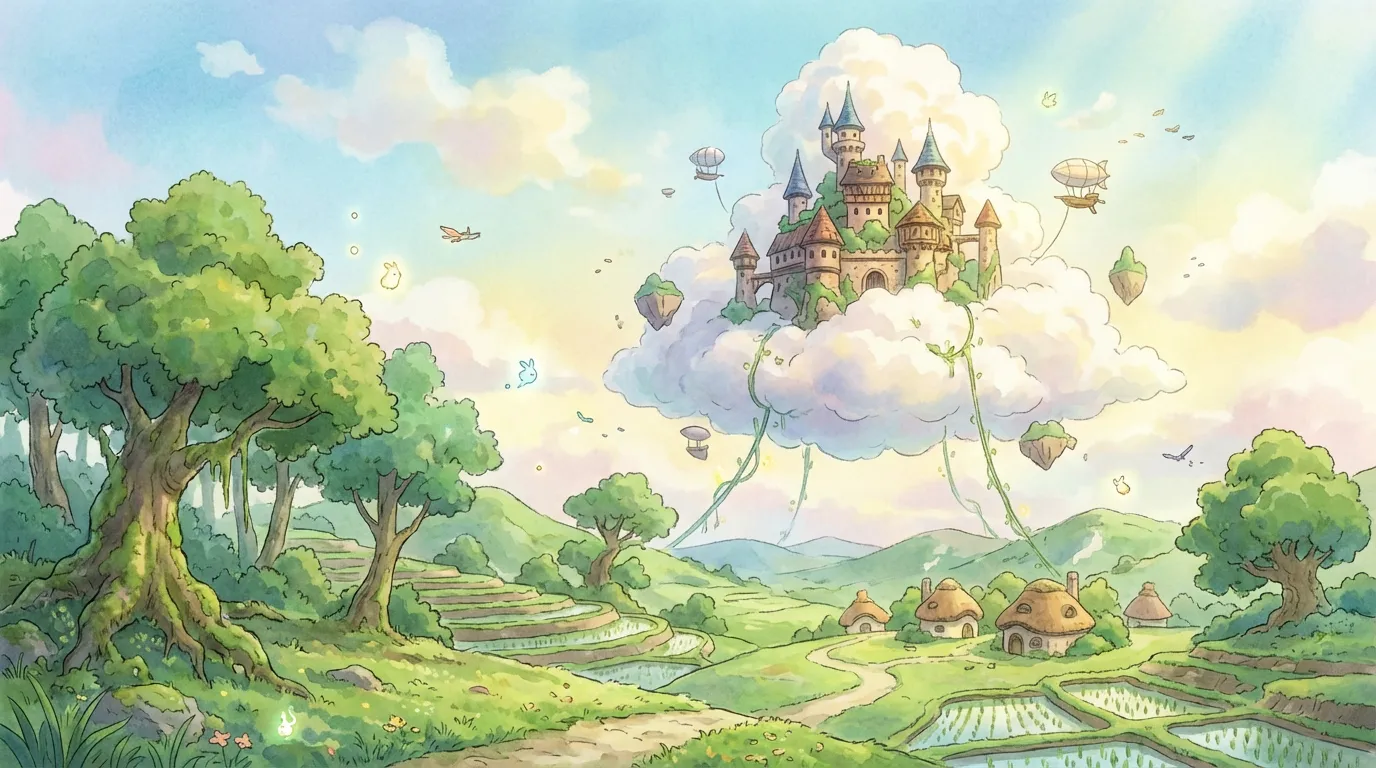
Studio Ghibli style
Studio Ghibli style pairs hand-painted watercolor backgrounds with gentle, expressive characters and a calm pastoral mood. It suits forest scenes, cozy interiors, sky vistas, and quiet character moments inspired by Miyazaki's filmography.
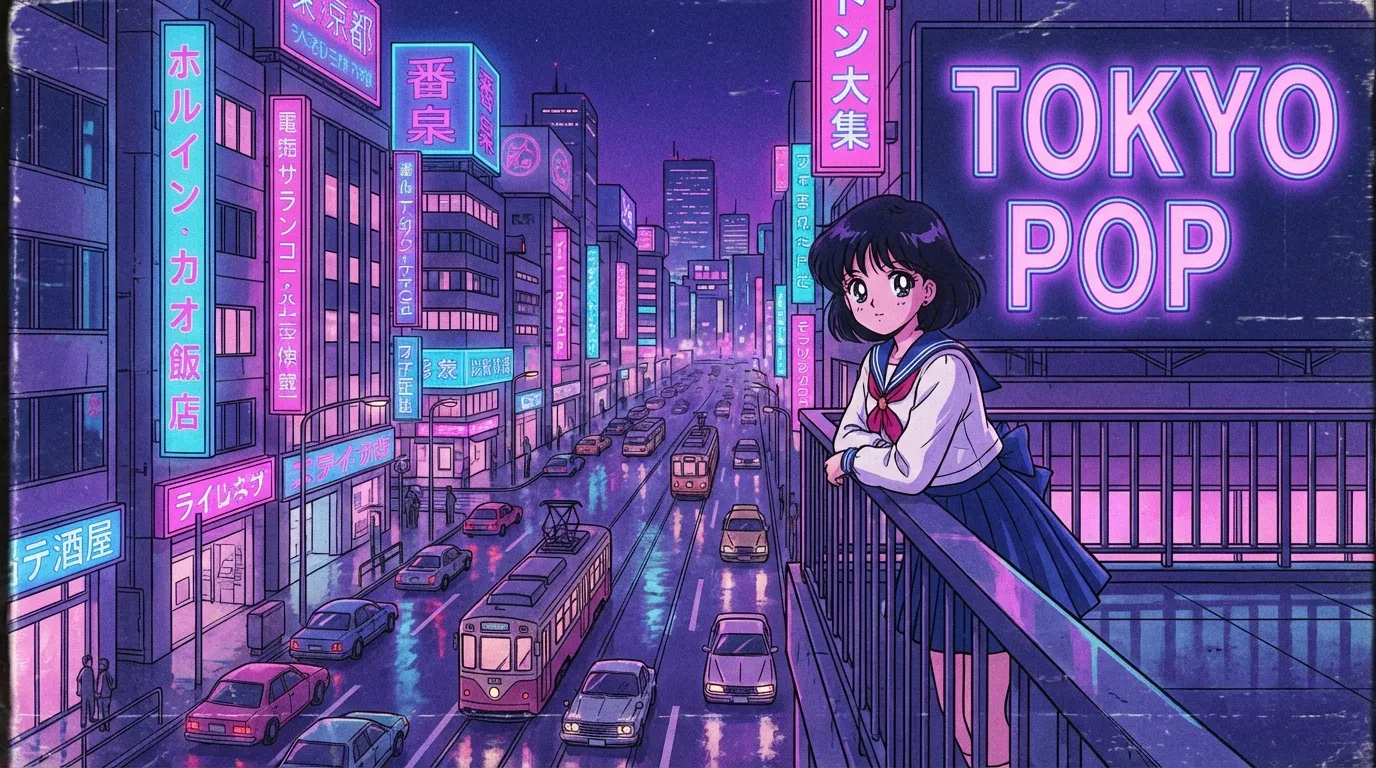
90s anime style
90s anime style pairs cel-painted limited palettes with OAV film grain, chunk highlights on hair, and Akira-era heavy line weight. It suits magical girl key visuals, mecha cockpit shots, and Bebop-style adult action stills.
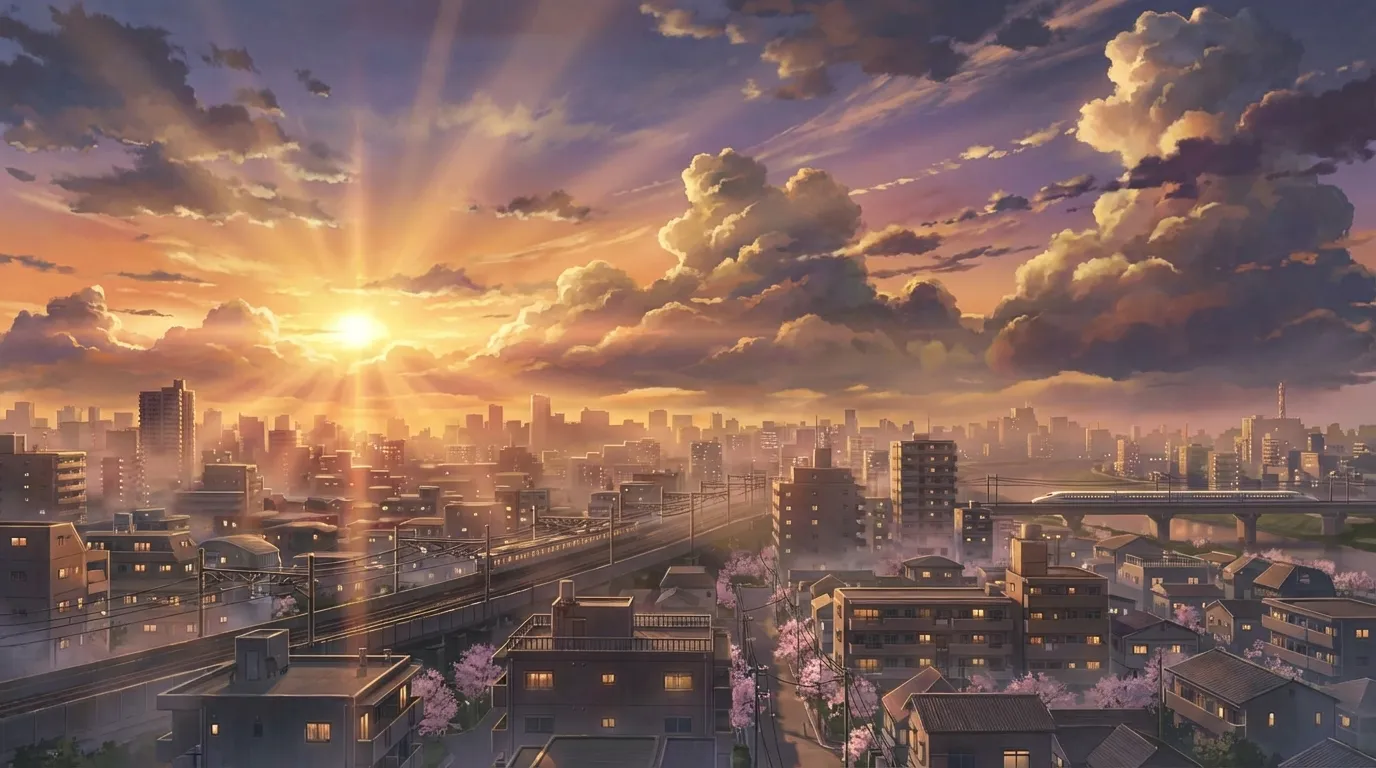
Makoto Shinkai style
Makoto Shinkai style pairs near-photographic urban Japanese backgrounds with stratus-cloud skies, golden hour lens flare, and quiet two-shot character framing. It suits emotional key visuals, train scenes, and rooftop sunset moments.
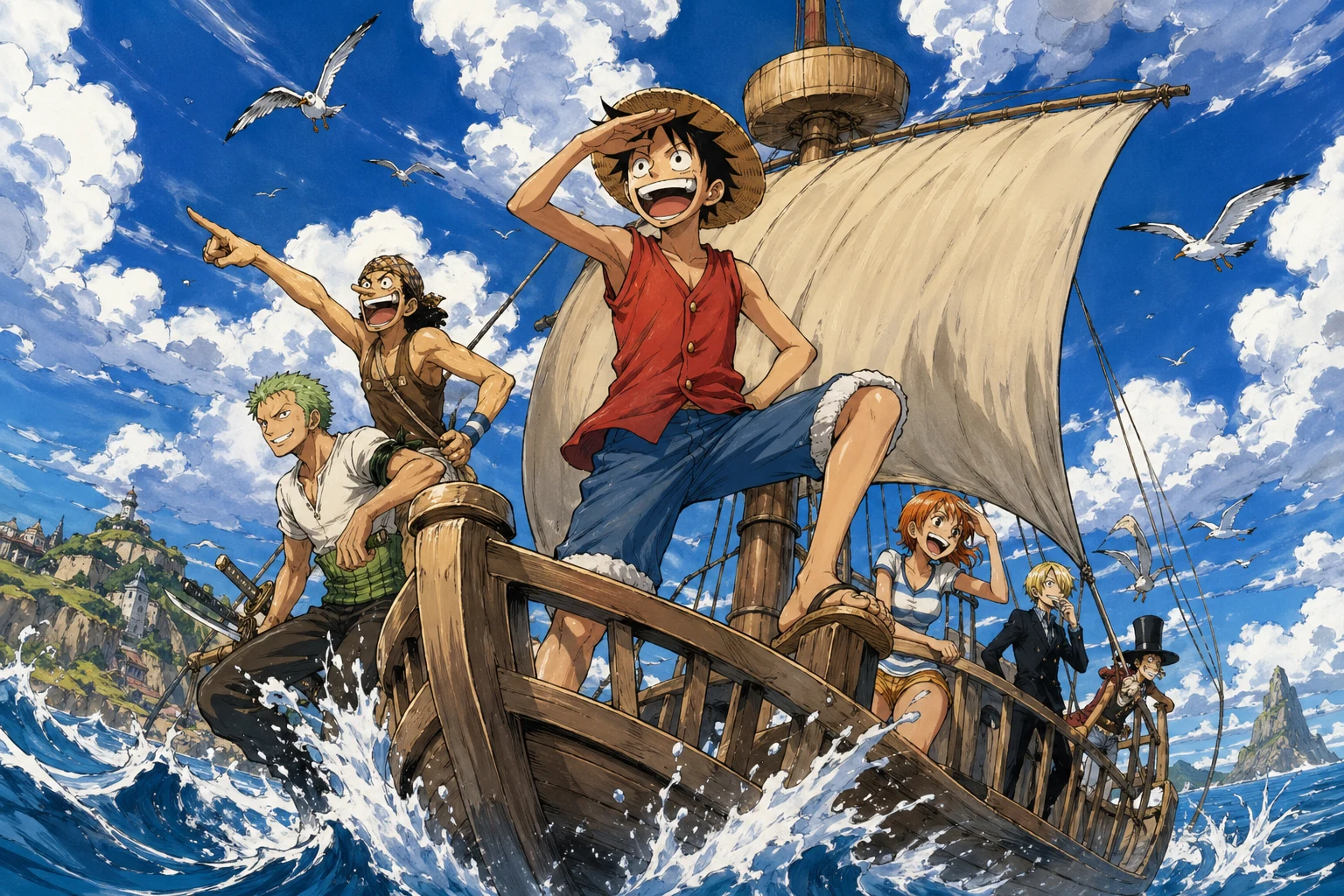
One Piece style
One Piece style combines Eiichiro Oda exaggerated limb proportions, expressive crowd faces, and tropical island color with the rubbery, motion-line-heavy action of a long-running shonen adventure. It suits pirate OCs, comedic brawl panels, and wanted-poster art.
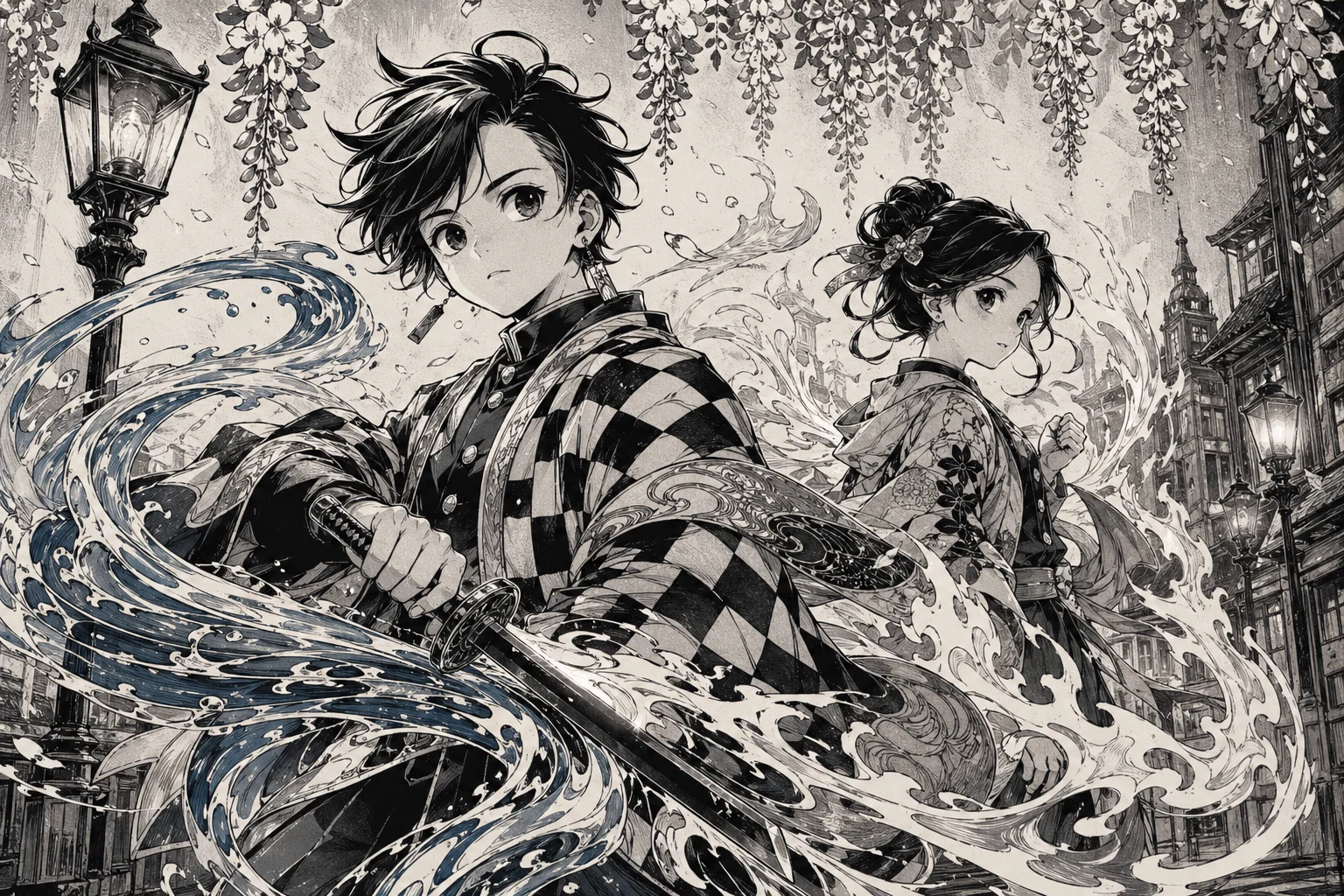
Demon Slayer style
Demon Slayer style pairs Koyoharu Gotouge's soft Taisho-era character design with ufotable particle effects, ink-wash breathing forms, and Hashira haori patterns. It suits original Demon Slayer Corps OCs, moonlit forest battles, and pattern-rich character key visuals.
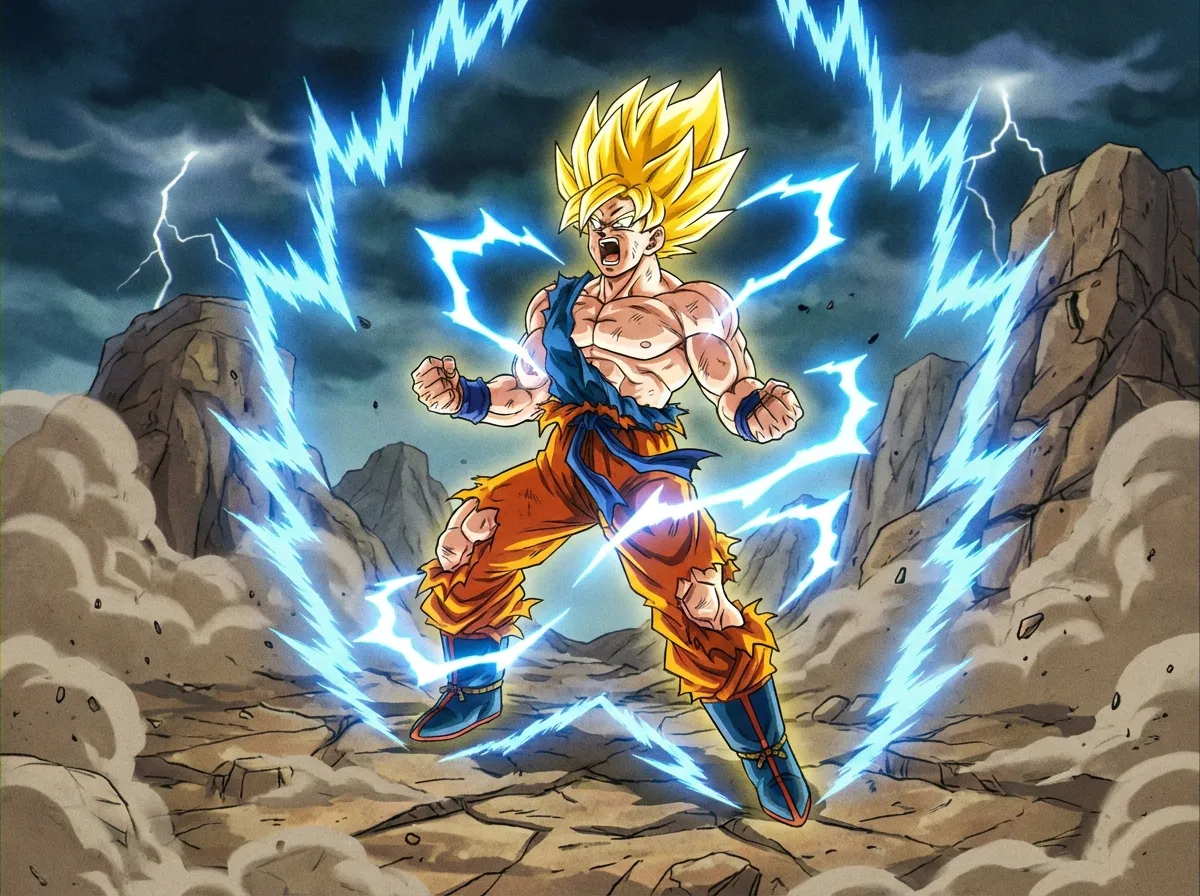
Dragon Ball style
Dragon Ball style pairs Akira Toriyama's clean spike line and rounded martial-arts proportions with Super Saiyan aura backdrops, ki blast charge frames, and Capsule Corp 80s tech design. It suits original Saiyan OCs, charge-pose key visuals, and Toriyama-style sci-fi gear.
Frequently asked questions
Prompt tips, rights, and workflow. Sign up free to generate in this look today.
Generate a Chibi scene
Type a scene below and press Generate.
What is chibi style and how does it differ from SD or Q-version?
They are essentially the same family of compressed anime proportions described in different fandoms. Chibi (Japanese, 'short') and SD (super-deformed, the older Western and tabletop term) cover the 1.5 to 3-head-tall look used for stickers and mascots. Q-version is the Chinese-language label for the same thing, with a stronger emphasis on flat colors and simplified shading. Treat them as one design vocabulary in different languages.
What head-to-body ratio should I aim for?
Two heads tall is the comfortable default. Drop to 1.5 if you want maximum cute (good for plush concept art and Line stickers); push to 3 if you need to fit a sword pose or expressive arm-throw without losing readability. Going past 3.5 starts to read as 'short anime character' rather than chibi, and the magic vanishes. Pick a ratio first, then design around it.
How do I keep my OC recognizable when chibified?
Lock down three identity-keepers: hair silhouette (bangs, ahoge, twin tails, ponytail length), one prop or accessory (hat, glasses, scarf, weapon shape), and one signature color (jacket, eyes, hair color). Keep those at full visual weight even as you collapse the rest. The body can shrink to a blob, but the silhouette around the head and the signature color block are what fans actually use to recognize the character.
How do I make chibi stickers and emotes specifically?
Add 'flat sticker color', 'bold rim line', 'transparent background', and 'single small expression' to the prompt. Build emote sets in groups of four to six poses (happy, sad, angry, surprised, embarrassed, sleepy) so the character feels like a coherent reaction kit. For Twitch and Discord, design at a small target size (28 to 56 pixels), so silhouette and rim contrast matter much more than fine internal detail.
Can I express a wide range of emotions in chibi style?
Yes, and the small canvas actually pushes you to do it through symbols rather than acting. The standard kit includes sparkle eyes for joy, teary trembling eyes for sadness, vein marks for anger, sweat drops for nervousness, blush dots for embarrassment, and 'X' or '@' eyes for confusion. Each one is a swap inside the same chibi base, which makes building reaction sets fast and consistent.
Where does the chibi style come from historically?
The compressed cute look has roots in Edo-period kibyoshi yellow-cover comics and early 20th-century Japanese mascot design, but the modern form crystallized in 70s and 80s Sanrio mascots, gag manga omake panels, and the SD Gundam line that started in 1985. From there it spread into shoujo manga reactions, Pokemon and Digimon merch, magical girl side art, and eventually social media stickers and VTuber assets.
Which Anifusion model handles chibi best?
SDXL anime models tend to handle chibi well out of the box because the genre is so well represented in their training. Flux Dev can also produce clean chibi output but sometimes resists the extreme head-to-body ratio without an explicit prompt like '2-head proportion, super deformed'. If your character keeps coming out at 5 to 6 heads tall, restate the ratio at the very start of the prompt and lower CFG slightly.
Start creating Chibi style art today
Join 130,000+ creators and bring your imagination to life with 100 free credits.