Mystery anime style: noir detective frames in AI
Rain-streaked alleys, evidence boards, and venetian shadow on a half-lit face. Build detective and thriller key art with concrete art-direction nouns, not vague mood tags.
Franchise, studio, and character references describe style or mood only, not a license, sponsorship, endorsement, or affiliation. You are responsible for your prompts and outputs. As-is, no warranty of non-infringement (not legal advice). For DMCA, copyright, or trademark issues, use our Contact page.
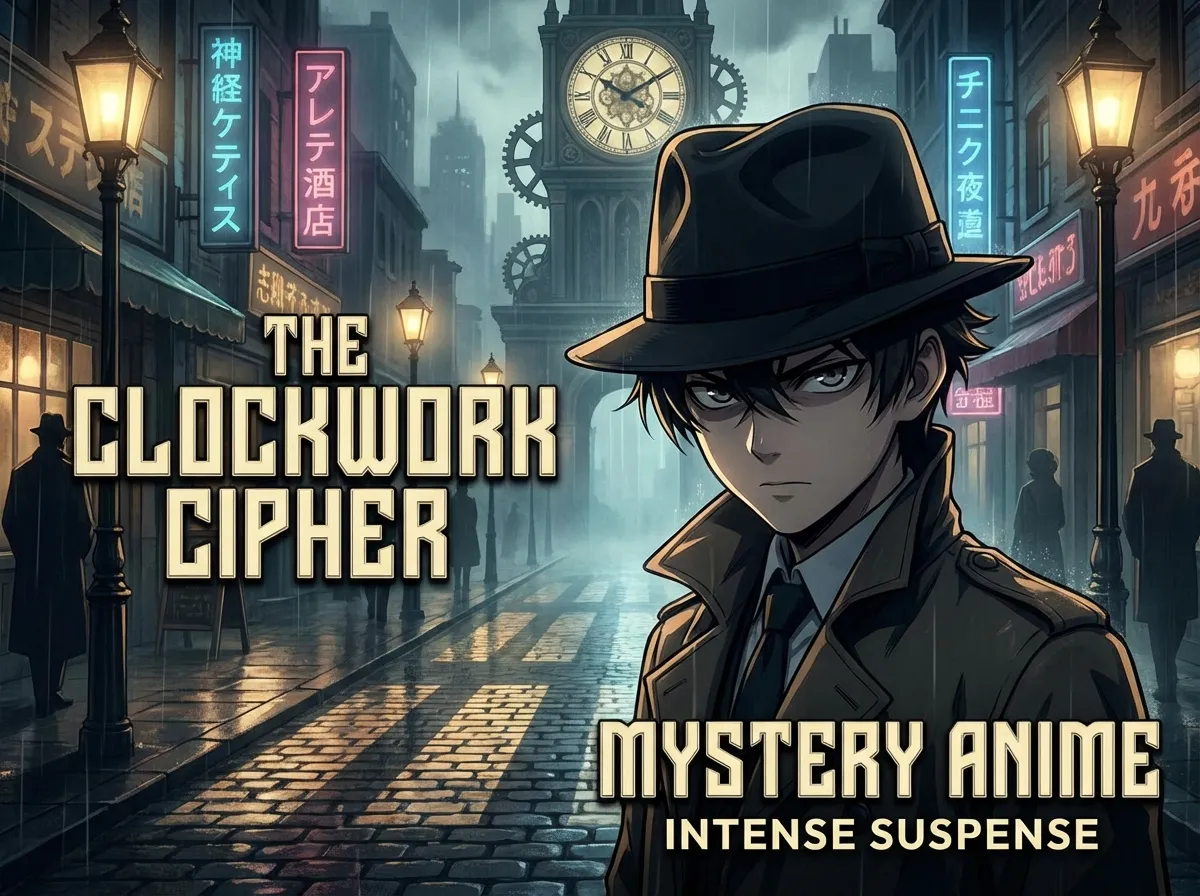
Generate a Mystery anime scene
Type a scene below and press Generate.
About Mystery anime style
Mystery anime style is built on noir detail: a single bulb over an interrogation table, rain on a windowpane, fingerprint dust under a magnifier, and a silhouette behind venetian blinds. The look reads cool, sharp, and quietly tense before any dialogue.
Mystery anime style takes its visual cues from detective shows like Monster, Moriarty the Patriot, and Death Note: cool blue-grey palettes, sharp character silhouettes against soft window light, and compositions that hide as much as they show. Backgrounds are specific rather than moody, a desk with case files spread out, a rainy alley behind a streetlamp, a train station bench shot from across the platform. The line work stays clean and the shadow shapes do most of the storytelling.
This look suits detectives, strategists, and morally ambiguous protagonists who think more than they shout. Faces work close in, with a small smirk, a tilted glance, or eyes catching one stripe of light through blinds. Antagonists read better as half-silhouettes than as full reveals. The contrast between a calm body and tense framing, low angle, dutch tilt, doorway split, is what carries the genre, so the prompt should always name a piece of furniture, a weather note, and a single light source.
For prompting, lead with one set piece (interrogation room, evidence wall, rooftop, train carriage), then add the lighting (single bulb, neon spill, rain on glass), then add the figure pose. Avoid generic tags like "mysterious atmosphere" and prefer concrete nouns: fingerprint dust, manila folder, fountain pen, bloodstain still wet. That detail discipline is what separates a real noir mystery panel from a generic dark anime portrait.
Try Mystery anime style generation
Try the look on your own prompt. Start from one of the examples below.
Example prompts
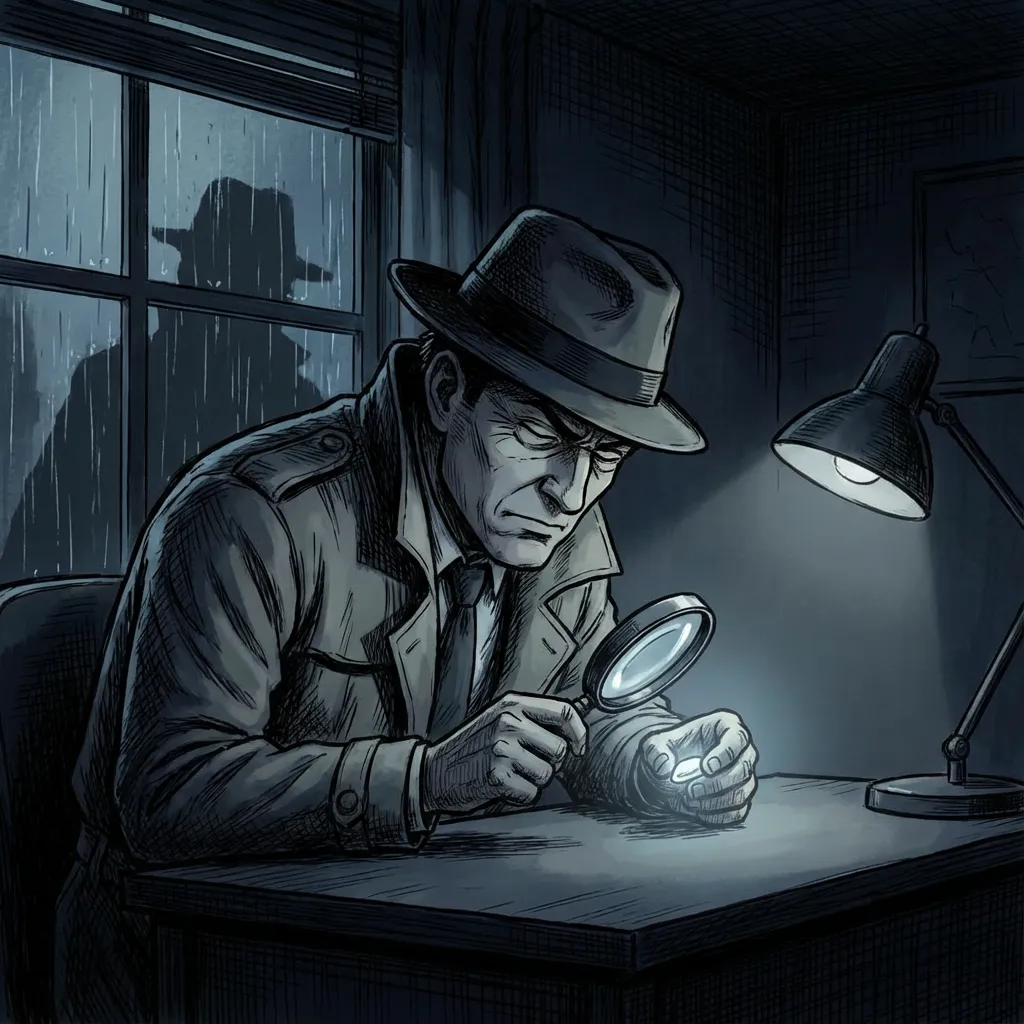
"mystery anime style, lone detective at an evidence wall, manila folders and photo pins, single overhead lamp, blue-grey color palette, rain on the window behind, slight smirk, half-lit face in venetian shadow, no text"
Try this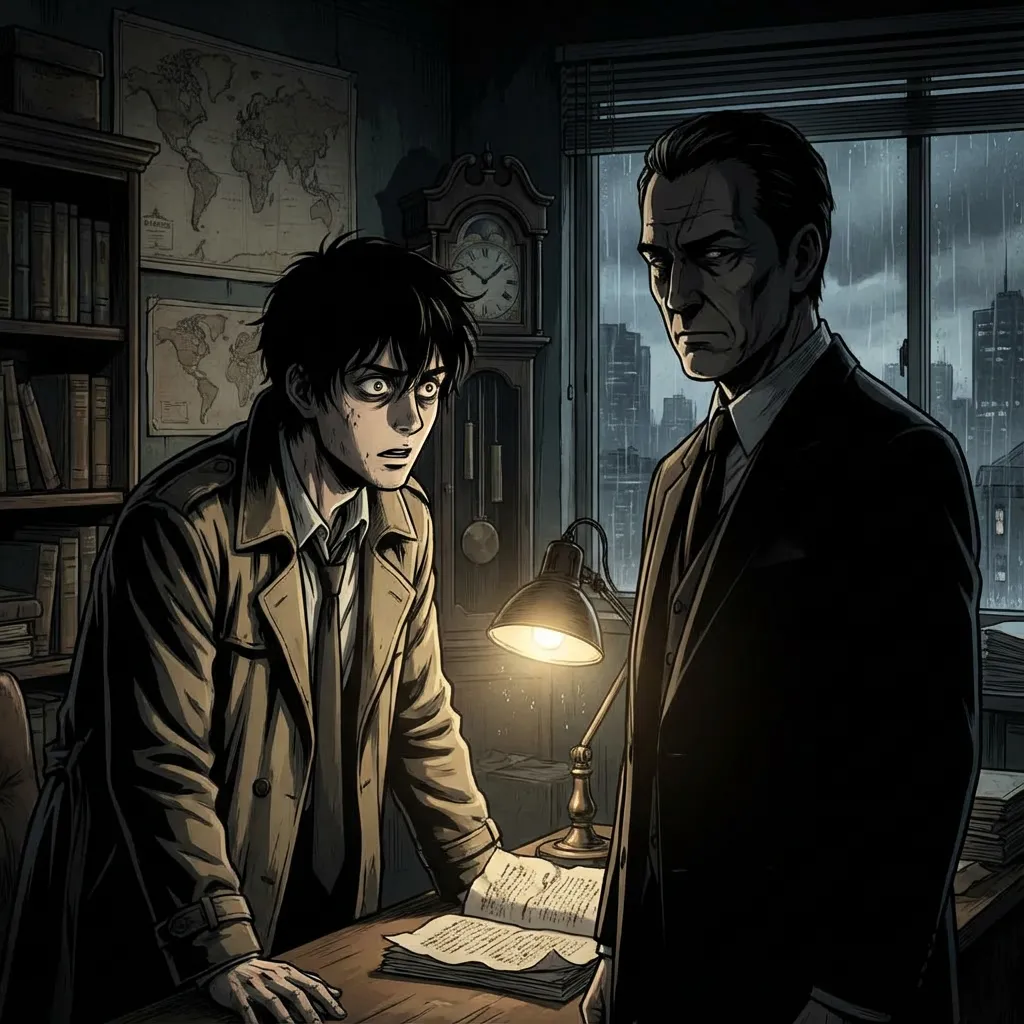
"Mystery anime style, two characters facing off across an interrogation table, single bare bulb above, dust motes in the cold light, the suspect calm and composed, the detective leaning forward, cool blue-grey palette, low angle, dutch tilt, no text"
Try this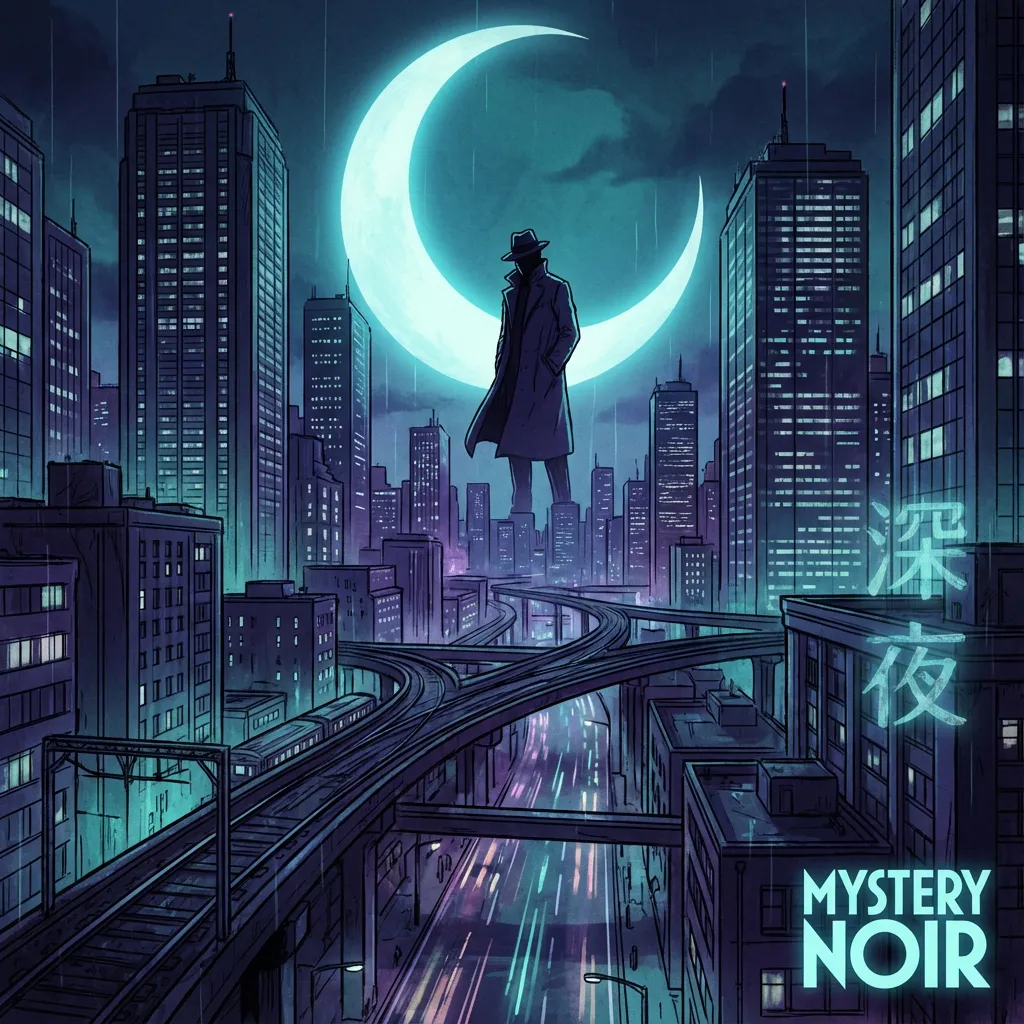
"Mystery anime style, rainy back alley at night, lone figure under a flickering streetlamp, wet asphalt reflecting neon from a corner sign, fire escape stairs in deep shadow, blue and ember color contrast, mystery key art composition, no text"
Try thisMake your own Mystery anime style art
Type a prompt below, or tap a starter to begin.
Generate a Mystery anime scene
Type a scene below and press Generate.
Why choose Anifusion?
Evidence rooms and clue props
Manila folders, photo pinboards, fingerprint cards, and a bloodstain still drying. Tell the model what is on the table, not just that the scene is mysterious.
Cool, thinking characters
Strategist and detective archetypes with composed posture, slightly tilted glance, and eyes catching one band of light. Body language reads thinking, not shouting.
Single bulb interrogation light
One bulb over an interrogation table, one streetlamp in a rainy alley, one window gap in a dark room. A single light source shapes the face and locks the mood in place.
Half-lit faces and blind shadow
Venetian blind stripes across the eyes, a smirk in profile, a hand pulled to the chin. The face stays partially hidden so the viewer keeps reading.
Rainy alleys and train platforms
Wet asphalt with neon spill, late-night train benches, payphone alleys, narrow stairways behind a back door. Pick a real urban set piece, not just "city night".
Dutch tilts and doorway splits
Compose with a low angle, a tilted horizon, or a frame split by a doorway or pillar. Strategic framing turns a quiet scene into a confrontation.
Create in 3 easy steps
Write your prompt
Describe your vision for Mystery anime style in plain language.
Refine settings
Tune the aspect ratio and style strength to your liking.
Generate and enjoy
Click generate and watch your masterpiece come to life in seconds.
Related styles
Discover more artistic directions you might love
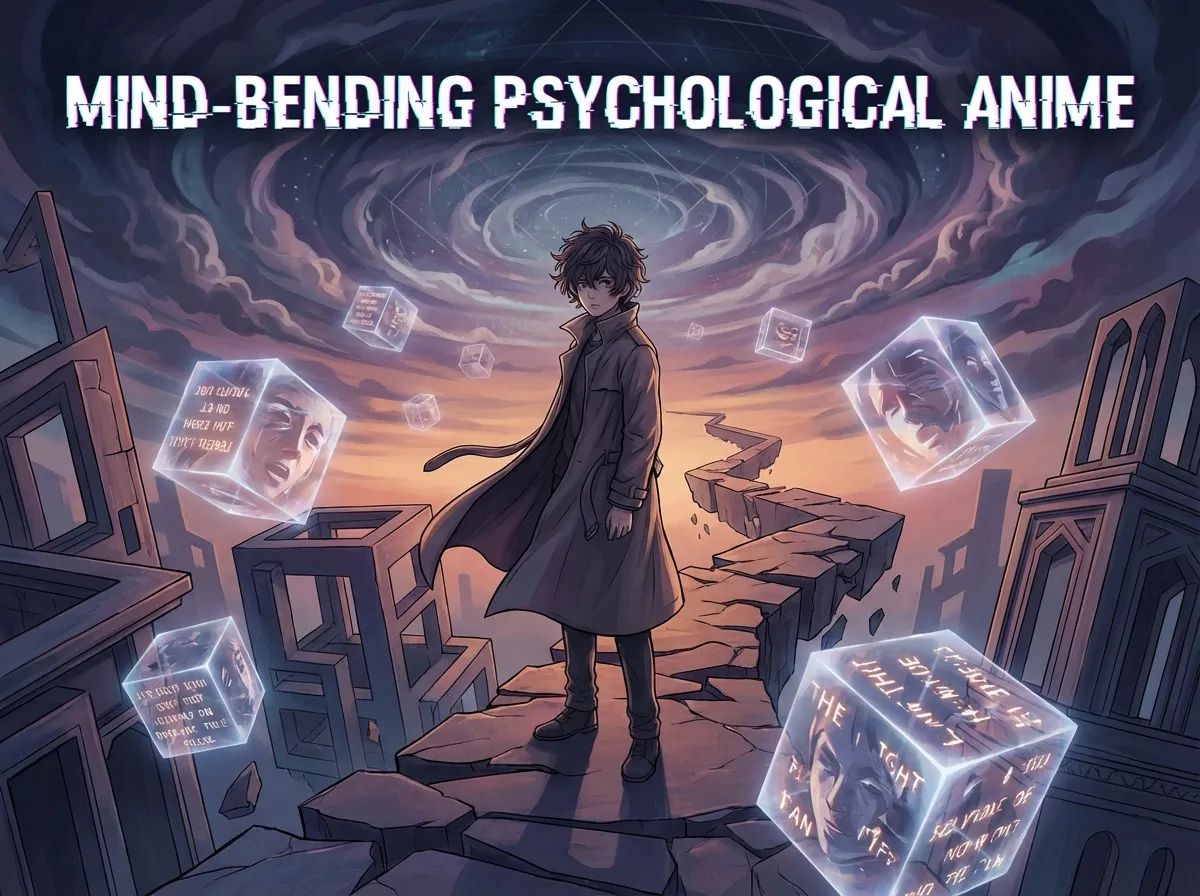
Psychological anime style
Psychological anime style uses image, not exposition, to show what is going on inside a character. Fragmented mirrors, asymmetric framing, off-color palettes that read uneasy, and double-exposure faces are the core grammar. The look feels arthouse, slightly off, and intentionally hard to settle into.
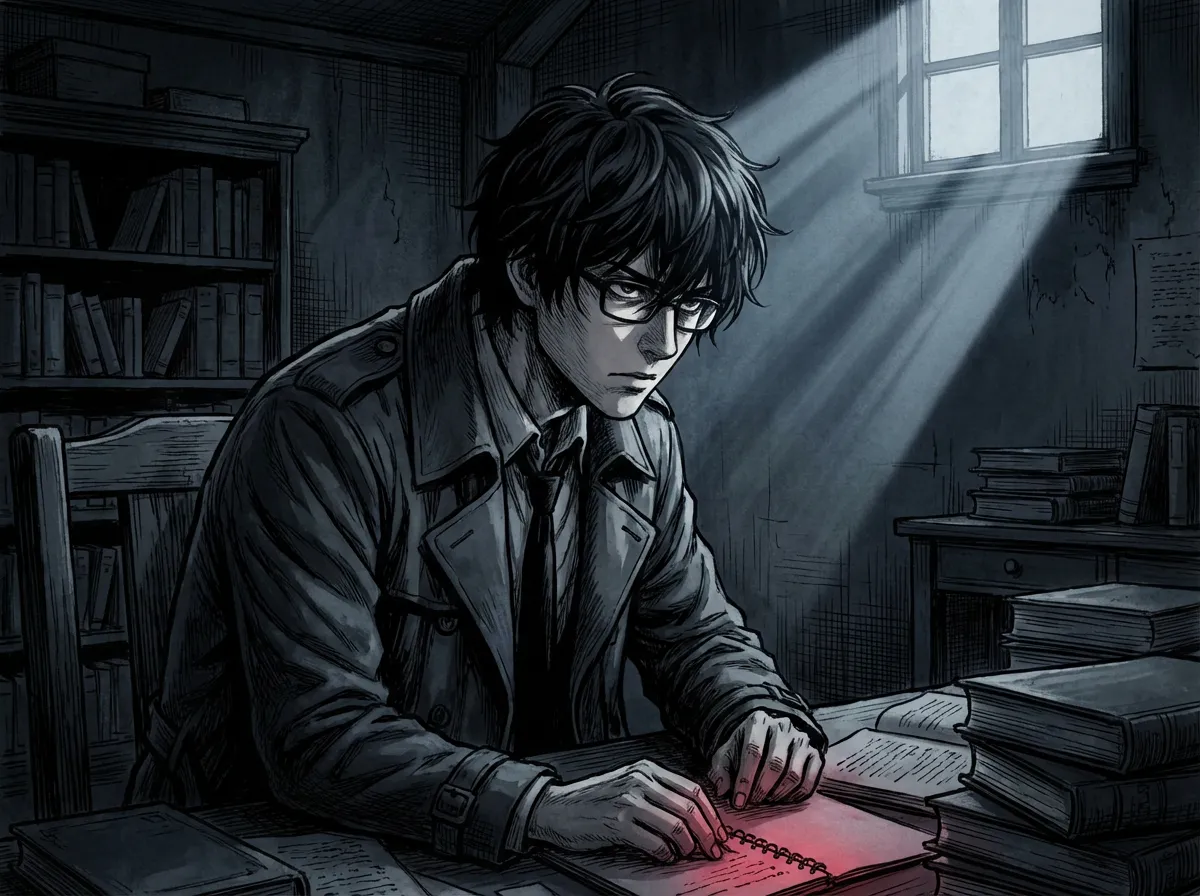
Death Note style
Death Note style is a noir-realist manga look defined by Takeshi Obata's clean precise line, deep-shadow desk-lamp lighting, L-style crouch silhouettes, and shinigami feather backdrops. It suits cat-and-mouse thriller panels, study-room standoffs, and original detective and reaper character art.
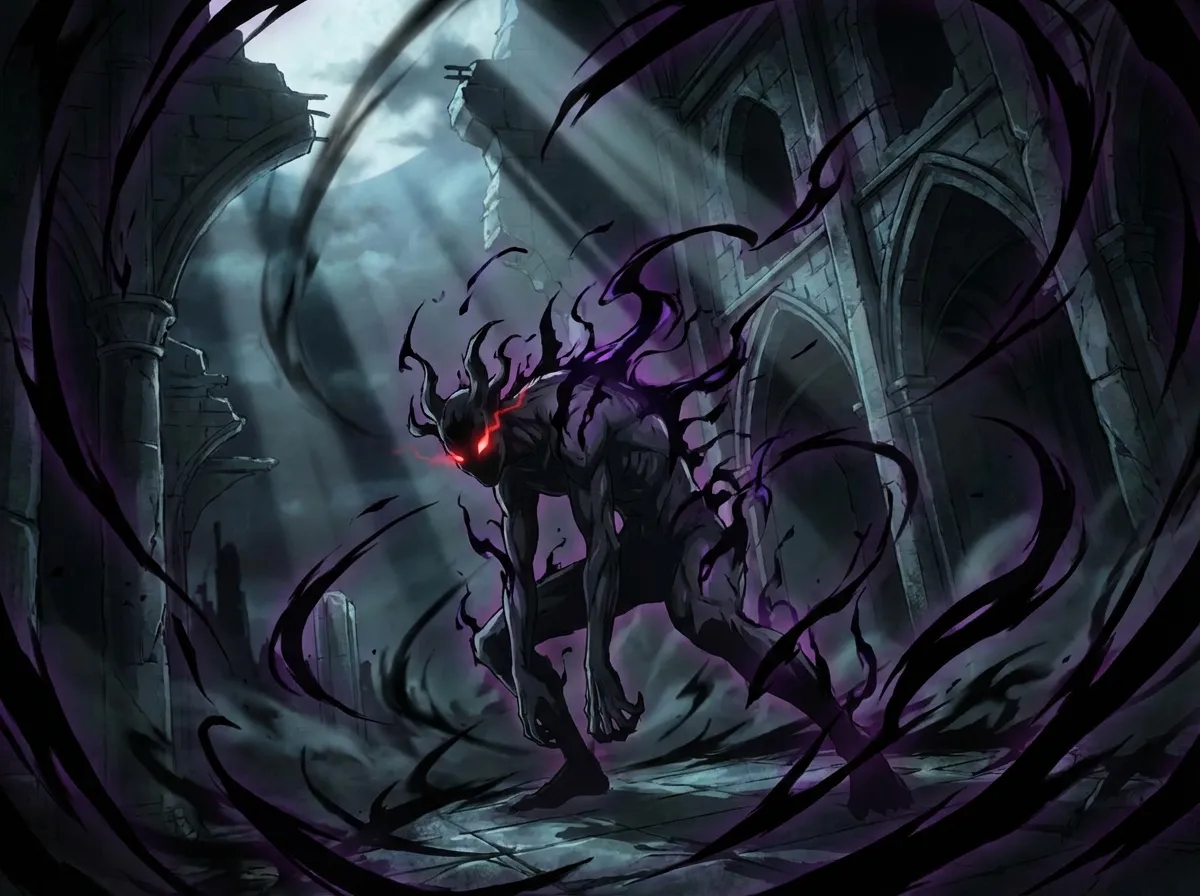
Horror anime style
A dark, ink-heavy aesthetic built on high-contrast hatching, blood-red and sickly green accents, and silhouettes that hide more than they show. Best for horror manga covers, cursed-spirit designs, and quiet supernatural dread.
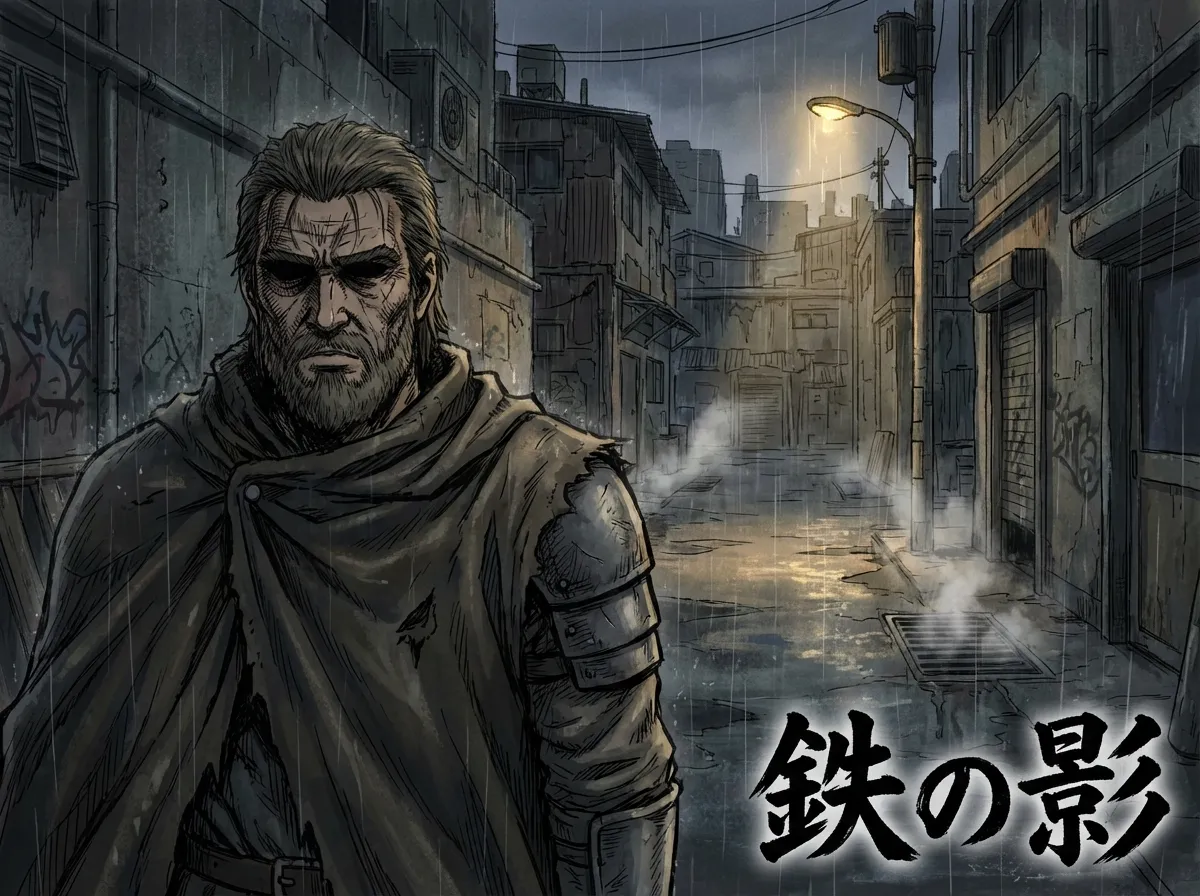
Seinen realistic style
Seinen realistic style is a heavily rendered adult-manga look defined by Kentaro Miura crosshatch, European medieval anatomical accuracy, Takehiko Inoue ink-wash skin tone, and somber dark-fantasy atmosphere. It suits original warriors, samurai duels, Viking ship key art, and gekiga character portraits.
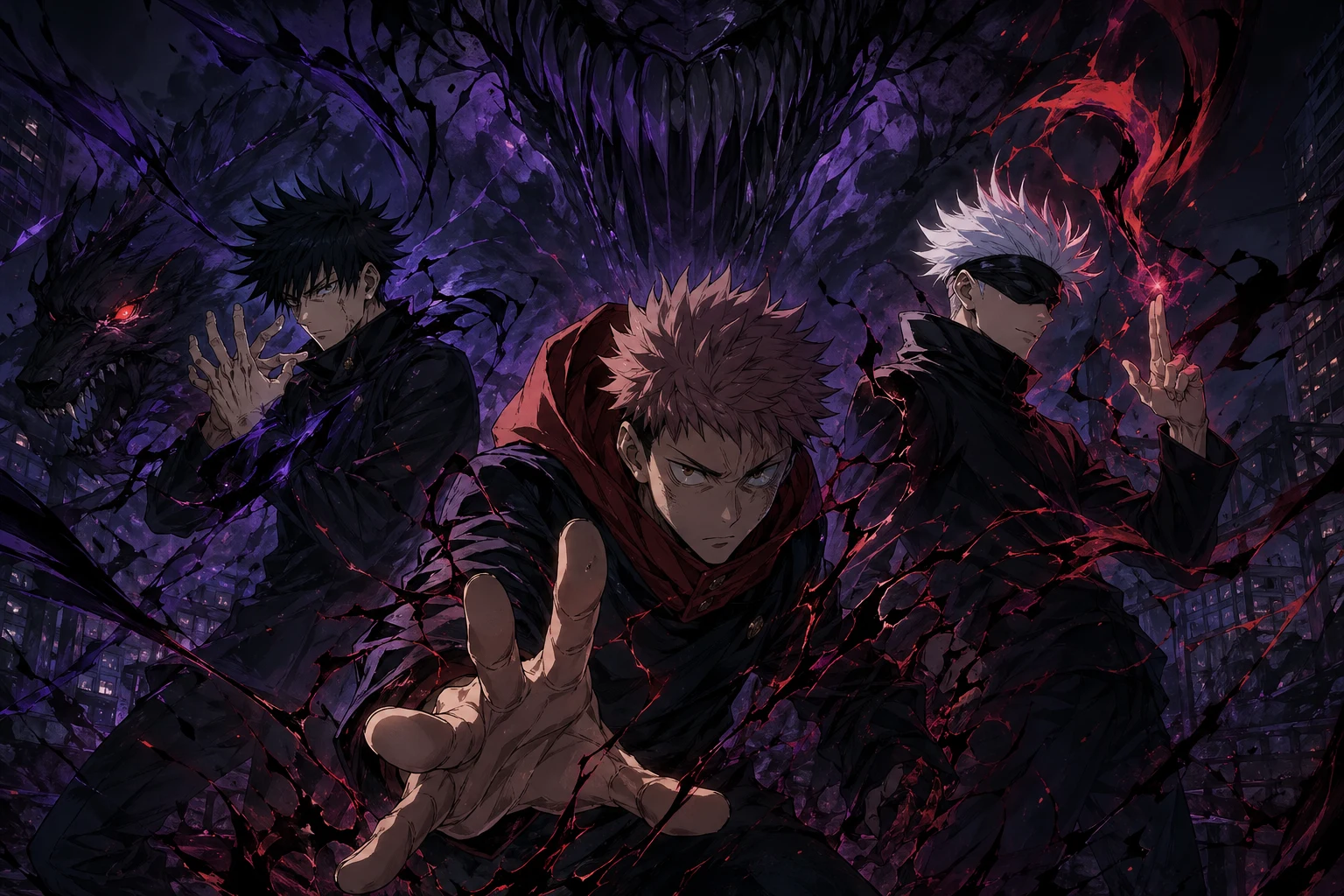
Jujutsu Kaisen style
A dark shonen look built on thick contour lines, heavy blacks, and fluid motion arcs when supernatural effects appear. It pairs modern cities with eerie, ritual space.
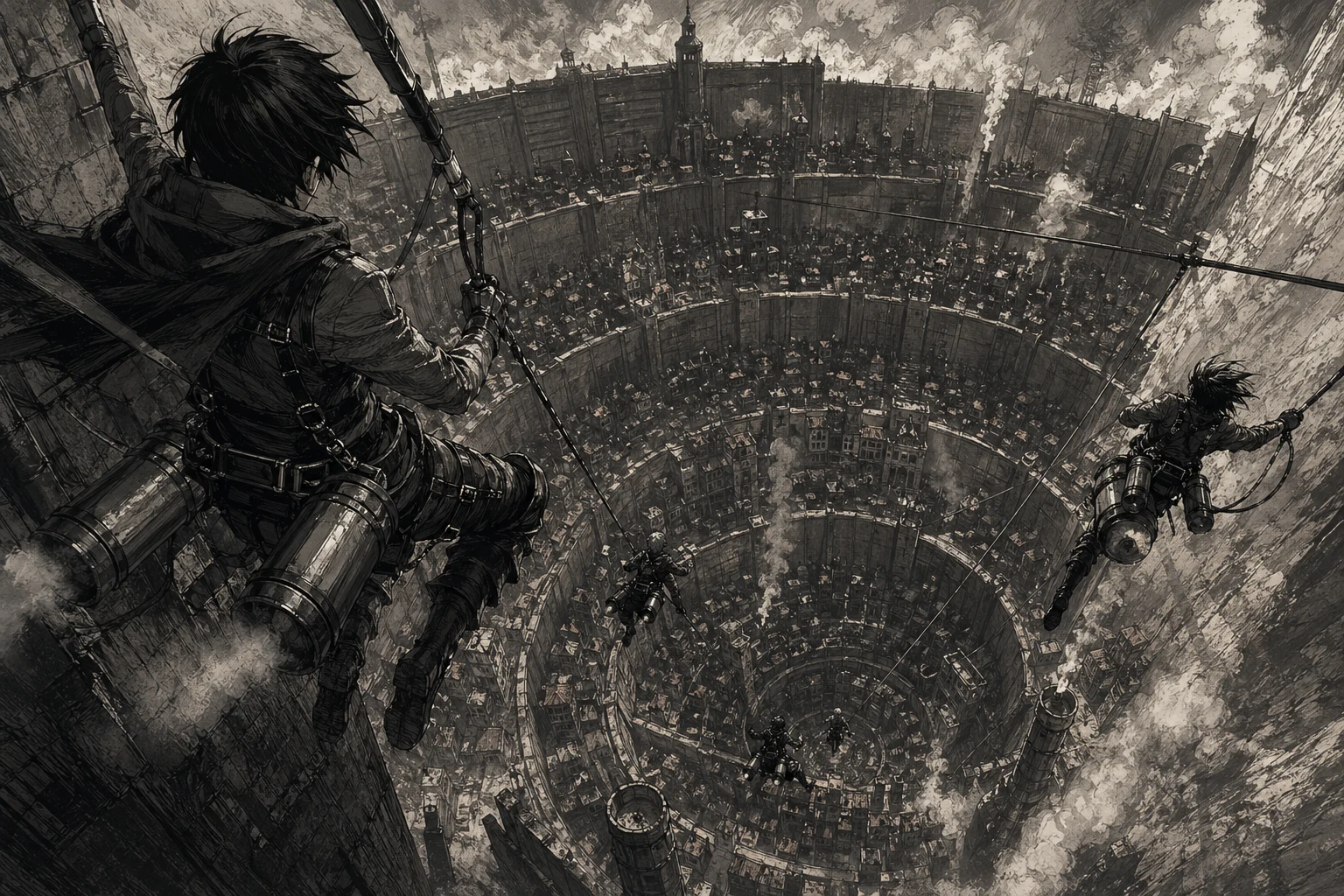
Attack on Titan style
Attack on Titan style pairs Isayama jagged ink lines and dense crosshatch with ODM gear cable trails, ruined Wall Maria perspective, and pure scale dread. It suits Survey Corps OCs, vertical-action chase panels, and walled-city establishing shots.
Frequently asked questions
Prompt tips, rights, and workflow. Sign up free to generate in this look today.
Generate a Mystery anime scene
Type a scene below and press Generate.
What makes a scene read as mystery anime instead of generic dark anime?
Specific props and a single light source. A generic dark anime portrait reads moody but says nothing about the genre. A mystery panel reads detective the moment you add a corkboard with red string, a fingerprint card on a desk, or a venetian blind cutting the face into stripes. Always name one object and one light direction in the prompt.
How do I describe a detective character without falling into stock noir clichés?
Skip the trench coat default. Try a fitted three-piece suit, a knit sweater under a coat, or a school uniform on a teenage sleuth. Give them one quirk that hints at their method: a fountain pen tucked behind the ear, a small folded notebook, a watch with a cracked face. Posture matters more than wardrobe; show them mid-thought with one hand on the chin or one finger tapping the table.
Which lighting words help most in this style?
Use words that name the source rather than the mood. "Single bulb interrogation light", "venetian blind shadow", "streetlamp rim light", "rain-lit window", and "desk lamp pool of light" all give the model a specific direction to render. Avoid "moody lighting" or "dark atmosphere" on their own; they tend to flatten the image.
How do I show a clue or piece of evidence in a single still?
Compose around the clue, not the character. A close-up on a coffee ring next to a torn envelope, a magnifier hovering over a fingerprint, a single shoeprint in dust. Then add the figure as a partial silhouette in the background or out of frame, so the eye lands on the evidence first.
Can I use this style for psychological mind-game scenes too?
Yes. The same vocabulary suits psychological mind-game scenes from Death Note or Code Geass. Add an extra cue for the mental layer: a chess board mid-game, a half-empty teacup between two players, a notebook open to a coded page. Keep the framing tight and the colors cool so the tension reads as cerebral rather than physical.
What backgrounds suit a mystery investigation panel?
Pick one specific location instead of "urban setting". Strong options: an evidence room with a wall of pinned photos, a late-night precinct desk lit by a green banker lamp, a rainy footbridge over train tracks, the lobby of an empty theater after closing, a reading room in an old library. Each one gives a different kind of clue without changing the look.
Start creating Mystery anime style art today
Join 130,000+ creators and bring your imagination to life with 100 free credits.